A Complete Seasonal Guide by Everyday Safaris
Tanzania is a year-round safari destination, but the best time to go on safari depends on your travel goals, preferred wildlife experiences, budget, and overall itinerary.
At Everyday Safaris, we plan safaris throughout the year and advise clients honestly on what each season offers, allowing you to choose the timing that best fits your expectations.
This guide explains Tanzania’s safari seasons clearly and practically, based on real on-the-ground experience.
Understanding Tanzania’s Safari Seasons
Tanzania has two main safari seasons and several special wildlife periods:
- Dry Season: June to October
- Green (Wet) Season: November to May
- Great Migration & Calving Periods: Seasonal highlights within the year
Each season offers different advantages, and there is no single “bad” time to visit.
Dry Season (June to October)
Best Overall Wildlife Viewing
The dry season is the most popular time for safari in Tanzania.
What to Expect
- Short grass and limited water sources
- Wildlife gathers around rivers and waterholes
- Excellent visibility for game drives
- Cooler, drier weather
Wildlife Experience
- High chances of seeing the Big Five
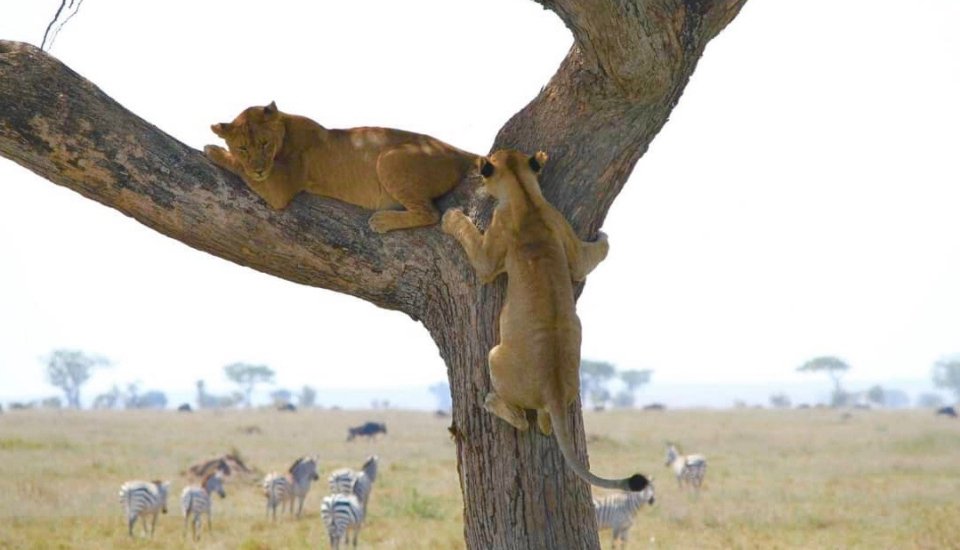
- Excellent predator sightings
- Ideal conditions for photography
Best Parks During This Season
- Serengeti National Park
- Ngorongoro Crater
- Tarangire National Park
Best For
- First-time safari travelers
- Photographers
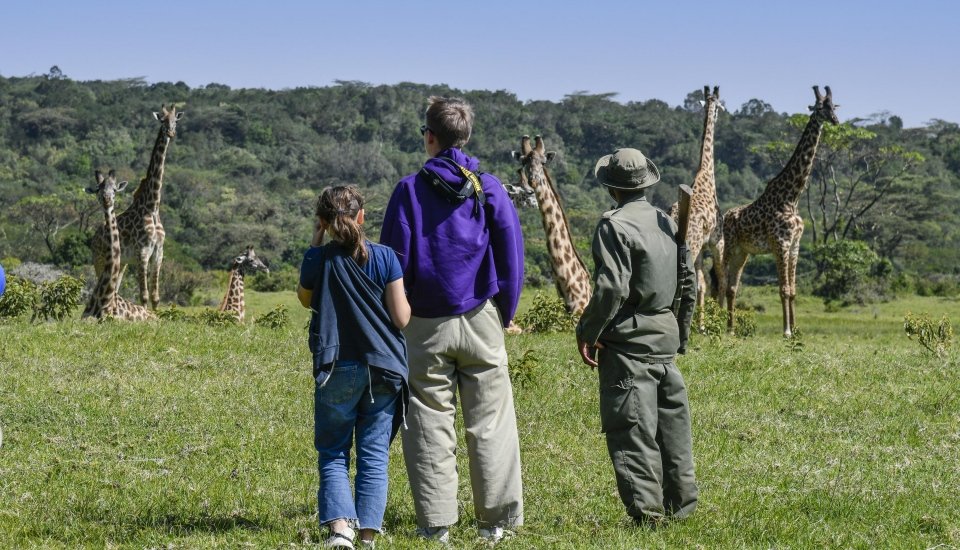
- Families
- Luxury safaris
- Kilimanjaro + Safari combinations
Things to Consider
- Peak season means higher demand
- Early booking recommended
Green Season (November to May)
Best for Value, Fewer Crowds & Lush Landscapes
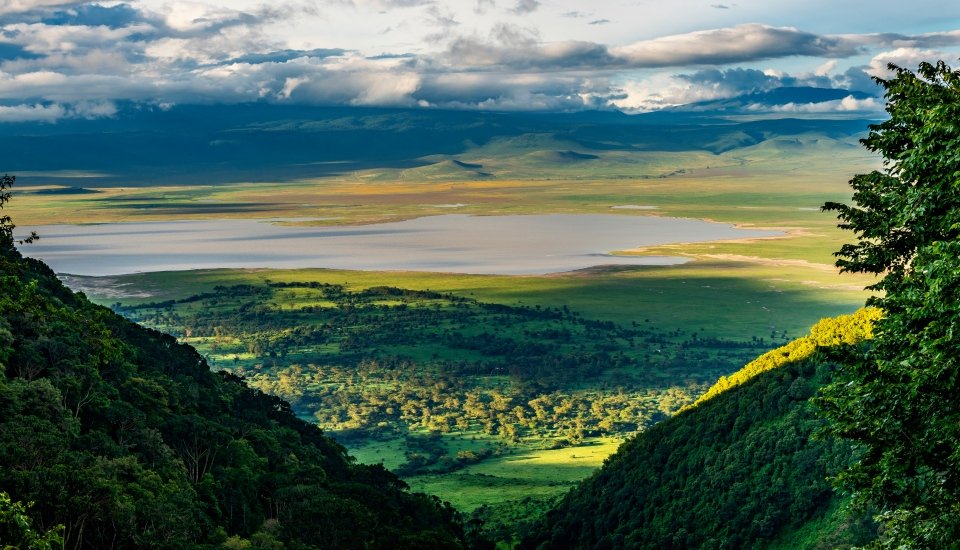
The green season is often misunderstood, yet it offers exceptional safari experiences.
What to Expect
- Lush, green landscapes
- Fewer vehicles in parks
- Short, occasional rains (mainly April–May)
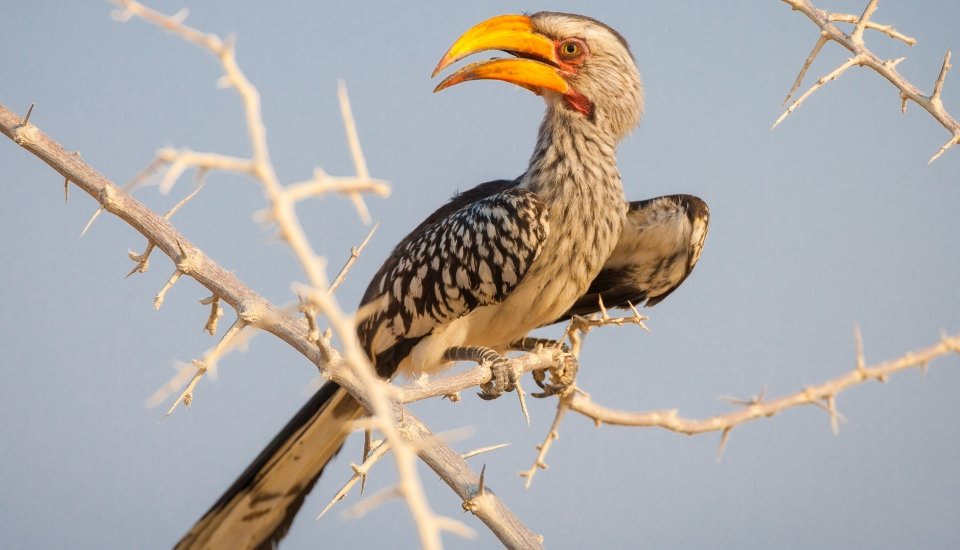
- Excellent birdlife
Wildlife Experience
- Resident wildlife remains present year-round
- Dramatic scenery and vibrant photography
- Newborn animals during calving months
Best Parks During This Season
- Serengeti National Park
- Ngorongoro Conservation Area
- Lake Manyara National Park
Best For
- Budget and midrange travelers
- Repeat visitors
- Photographers seeking dramatic landscapes
- Schools and charity groups
- Travelers looking for fewer crowds
Things to Consider
- Some roads may be muddy during peak rains
- Experienced guides are essential (which Everyday Safaris provides)
Great Wildebeest Migration – Year-Round Movement
The Great Migration is not confined to one month. It is a continuous movement across the Serengeti ecosystem.
Migration Highlights by Period
- January–February: Calving season in southern Serengeti
- March–May: Herds move north through central Serengeti
- June–July: Western Serengeti river crossings
- August–October: Northern Serengeti and Mara River crossings
- November–December: Herds return south
Everyday Safaris plans migration safaris based on current wildlife movement, not fixed calendars.
Calving Season (January–February)
Exceptional Wildlife Action
Calving season offers one of the most dramatic safari experiences.
What Makes It Special
- Thousands of wildebeest calves born daily
- High predator activity
- Open plains with excellent visibility
Best Area
- Southern Serengeti (Ndutu area)
Best For
- Wildlife enthusiasts
- Photographers
- Travelers seeking intense wildlife action
Shoulder Season (April–May)
Quiet, Scenic & Excellent Value
Often overlooked, this period can be very rewarding.
What to Expect
- Fewer tourists
- Green scenery
- Lower accommodation rates
- Occasional rain
Best For
- Experienced travelers
- Budget-conscious clients
- Schools and charity groups
- Those seeking quiet safaris
Month-by-Month Safari Overview
| Month | Safari Conditions | Recommendation |
| Jan–Feb | Calving season | Excellent |
| Mar | Transition period | Very good |
| Apr–May | Green season | Good (quiet) |
| Jun–Jul | Dry season begins | Excellent |
| Aug–Oct | Peak dry season | Excellent |
| Nov | Short rains | Very good |
| Dec | Green season | Very good |
Combining Safari with Kilimanjaro or Zanzibar
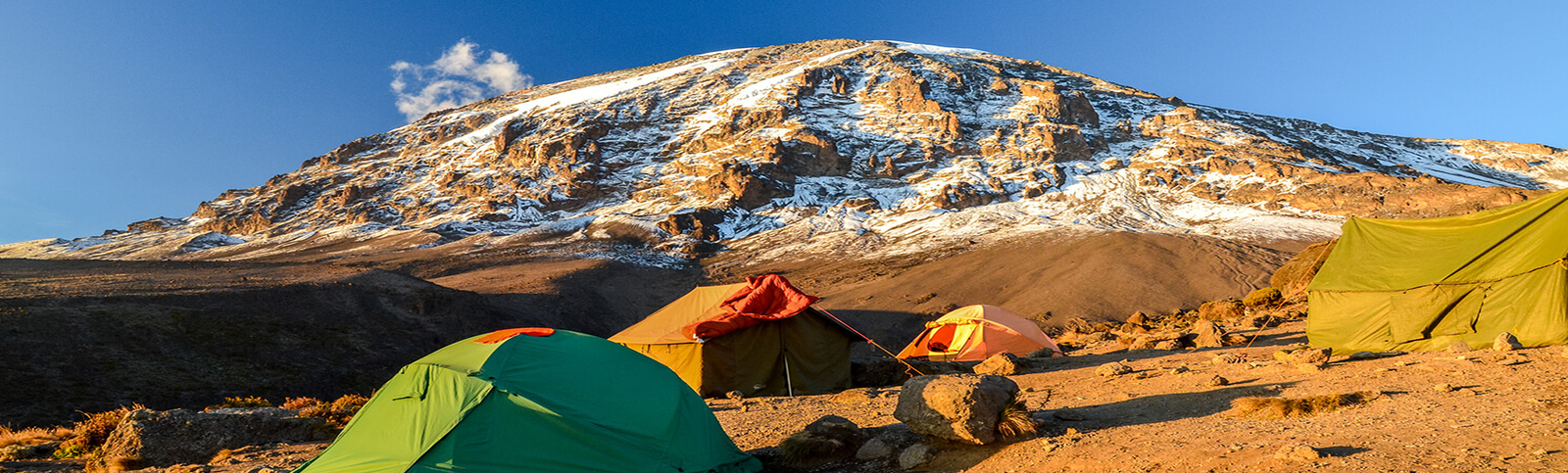
Safari + Kilimanjaro
- Best months: June–October and January–February
- Excellent weather for both activities
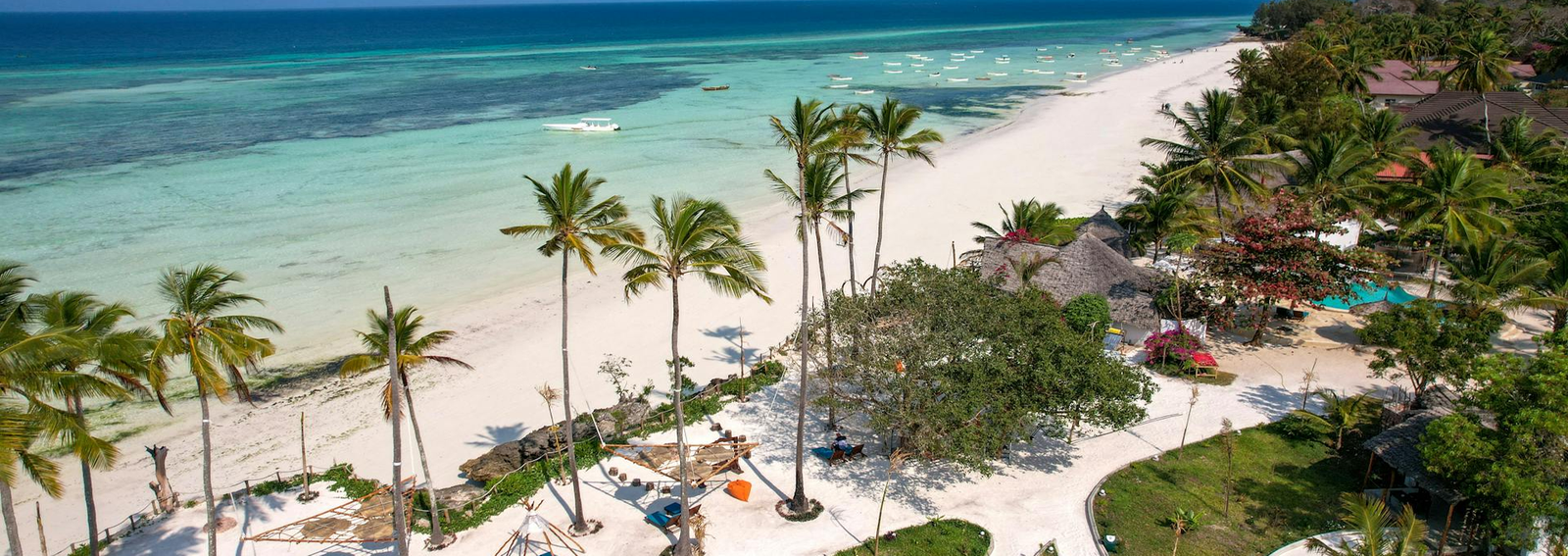
Safari + Zanzibar
- Works year-round
- Dry season ideal for beach relaxation
- Green season offers better value
Everyday Safaris specializes in well-timed combinations to maximize comfort and experience.
Best Time for Different Travelers
First-Time Visitors
June to October
Families
June to October or January–February
Schools & Charities
January–March or April–May
Photographers
January–February or green season
Budget Travelers
April–May or November
Everyday Safaris’ Honest Advice
There is no single “best” time to go on safari in Tanzania — only the best time for your goals.
At Everyday Safaris, we:
- Match safari timing to your expectations
- Adjust itineraries based on seasonal conditions
- Plan realistically and transparently
- Offer year-round safari expertise
Plan Your Safari with Confidence
Whether you are traveling solo, as a family, with a school, charity, or as part of an international travel program, Everyday Safaris will guide you to the right season, right parks, and right experience.