Climb Kilimanjaro
Kilimanjaro ClimbingKilimanjaro RoutesGroup ClimbsPrivate Kilimanjaro ClimbsKilimanjaro + SafariKilimanjaro + ZanzibarPopular Routes
Lemosho RouteMachame RouteMarangu RouteNorthern CircuitRongai RouteUmbwe RoutePlan Your Climb
Best Time to Climb KilimanjaroKilimanjaro Packing ListKilimanjaro PreparationAltitude & AcclimatisationKilimanjaro SafetyGuides & PortersKilimanjaro FAQsSafari Styles
Tanzania SafarisPrivate SafarisFamily SafarisHoneymoon SafarisLuxury SafarisBudget SafarisSignature Experiences
Great Migration SafarisSafari + KilimanjaroSafari + ZanzibarTop Destinations
Serengeti National ParkNgorongoro CraterTarangire National ParkLake Manyara National ParkArusha National ParkZanzibar Holidays
Zanzibar HolidaysZanzibar HoneymoonsBeach ExtensionsCombine Your Journey
Safari + ZanzibarKilimanjaro + ZanzibarExplore Zanzibar
Stone TownNungwi & KendwaEast Coast BeachesBorn from Tanzania.Built around the journey.
Everyday Safaris is a Tanzania-based travel company planning Kilimanjaro climbs, Mount Meru treks, wildlife safaris and Zanzibar journeys from Arusha. We connect the mountain, the road, the guide, the lodge and the coast so the traveller experiences one country as one coherent story.
You cannot plan this countryfrom a distance.
Tanzania changes quickly. A traveller can wake below Kilimanjaro, spend another day crossing open safari country and end a longer journey beside the Indian Ocean. Those experiences look separate on a map, but in practice they depend on one another: arrival timing affects the mountain, mountain fatigue affects the safari, safari routing affects the flight to Zanzibar, and the coast you choose changes the way the trip ends.
Everyday Safaris grew around that connected reality. Our work is not simply to list famous places. It is to understand how those places fit together for a real person with real dates, real energy and a finite amount of time.
That is why our planning begins with the whole journey. We ask how many days you have, how you like to travel, whether you have trekked at altitude, what kind of safari rhythm suits you and whether Zanzibar is meant to be active, cultural, romantic or deliberately slow.
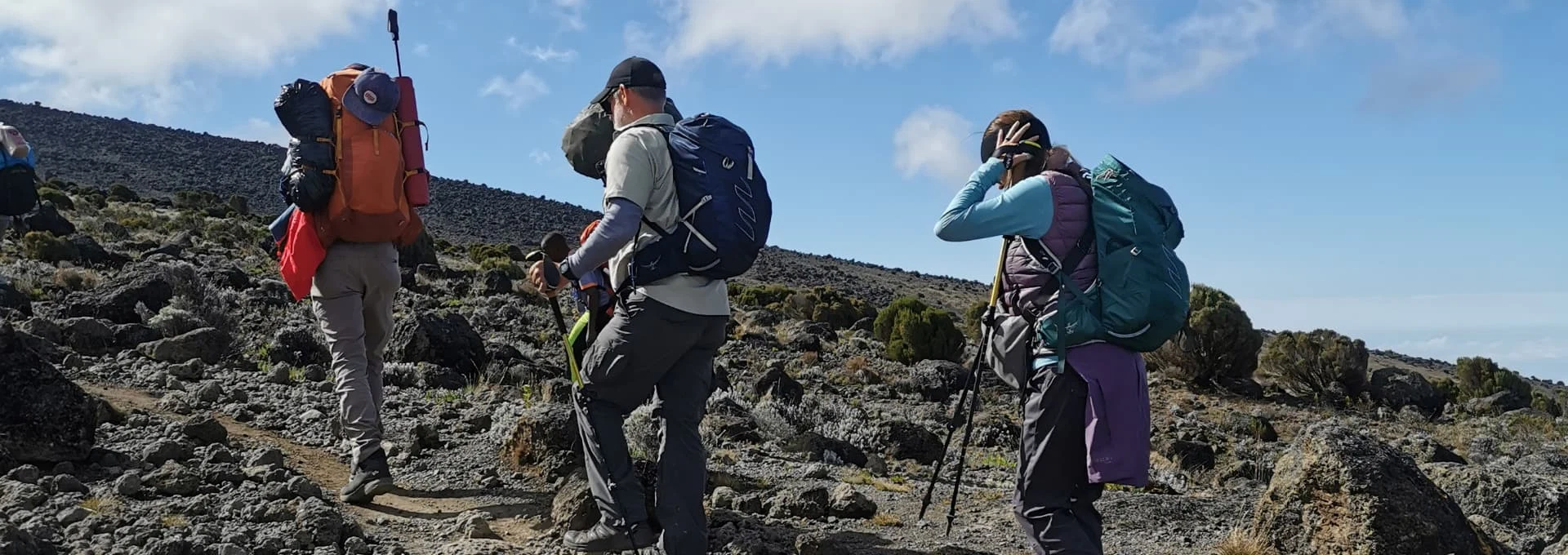
We plan journeys for travellers who want more than separate bookings. A Kilimanjaro climb can lead naturally into safari. A safari can finish on Zanzibar. Mount Meru can stand alone or prepare a traveller for a larger mountain objective. The shape depends on the traveller, but the operating logic must always remain realistic.

Travel is extraordinary.The places are lived every day.
For the traveller, Tanzania may be a once-in-a-lifetime journey. For guides, drivers, mountain crews, lodge teams, park staff and communities, these landscapes are part of everyday life. The name Everyday Safaris keeps that perspective close: the country is not a stage waiting for visitors. It is a living place with its own rhythms, rules, seasons and people.
That perspective affects how we plan. We do not need every day to look dramatic on paper. We need the route to work. We need the mountain schedule to respect altitude. We need the safari to leave enough time in the field. We need the coast to reflect tides and conditions. And we need the people doing the work to be treated as part of the journey, not as invisible infrastructure.
“The best Tanzania journeys feel effortless to the traveller because someone respected the reality behind them.”
A city betweenmountain and safari country.
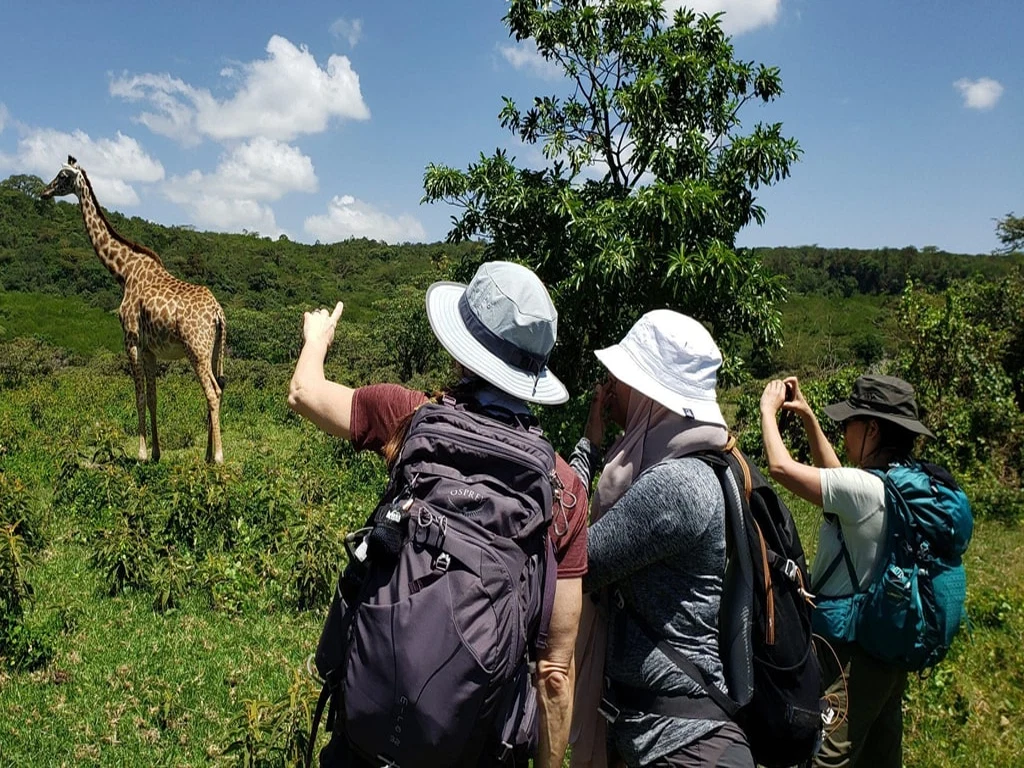
Arusha is not simply a place where safari vehicles park. It is one of the practical centres of northern Tanzania travel. From here, routes spread toward Tarangire, Lake Manyara, Ngorongoro and Serengeti; Mount Meru rises inside Arusha National Park; and Kilimanjaro travel connects east toward Moshi and the mountain gates.
Working from Arusha keeps planning close to the journeys themselves. It also makes the small operational questions easier to understand: when a traveller needs an extra night after a flight, whether safari should come before or after a climb, how much time should sit between mountains, and where a transfer can be simplified instead of becoming another exhausting day.
We do not sell one Tanzania. We plan the transitions between them.
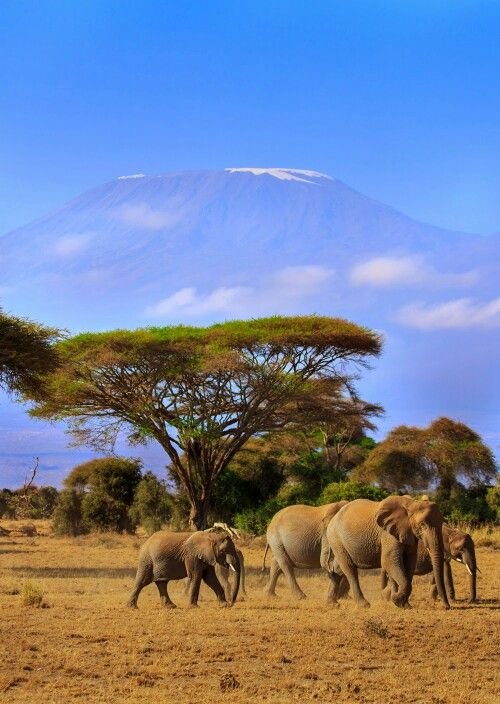
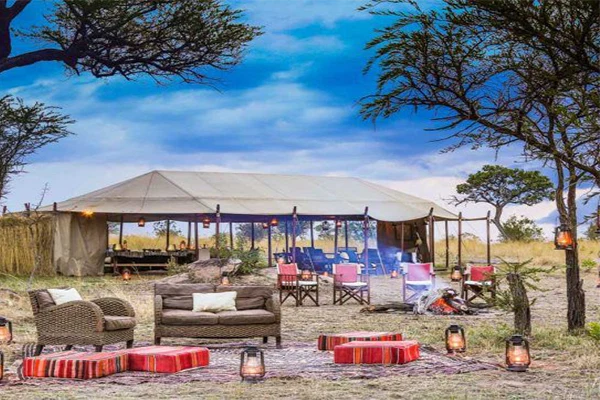
The physical change from mountain to savannah to coast is part of the experience. Each landscape deserves its own pace, preparation and operating logic.
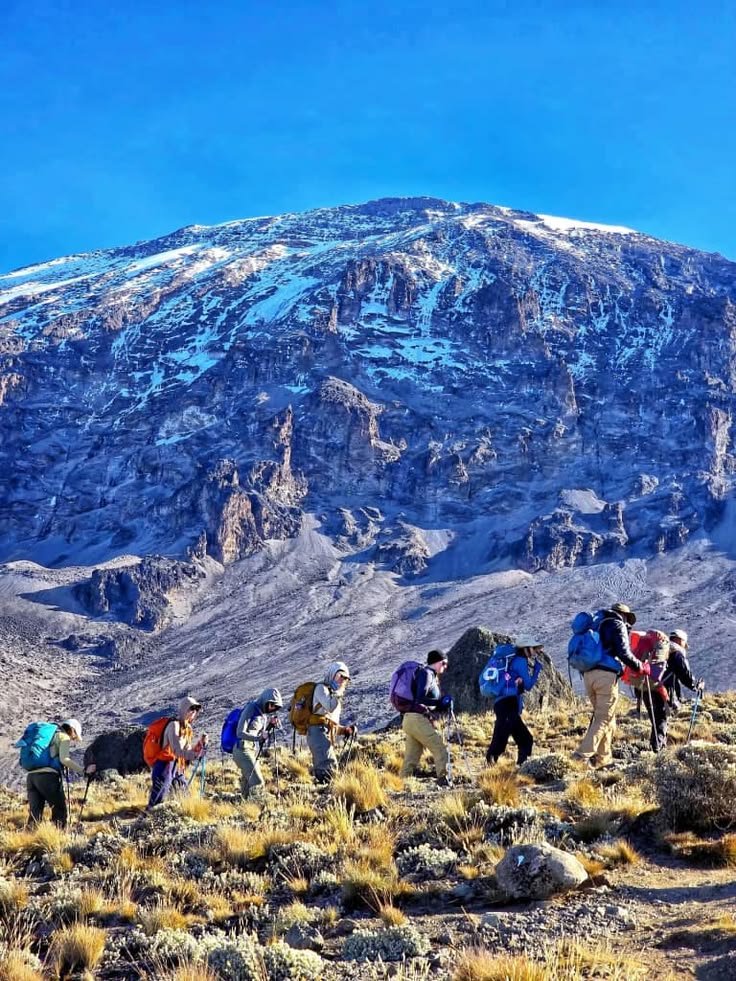
Kilimanjaro
A 5,895-metre objective shaped by route choice, acclimatisation, crew support and the guide’s judgement.
Explore Kilimanjaro →
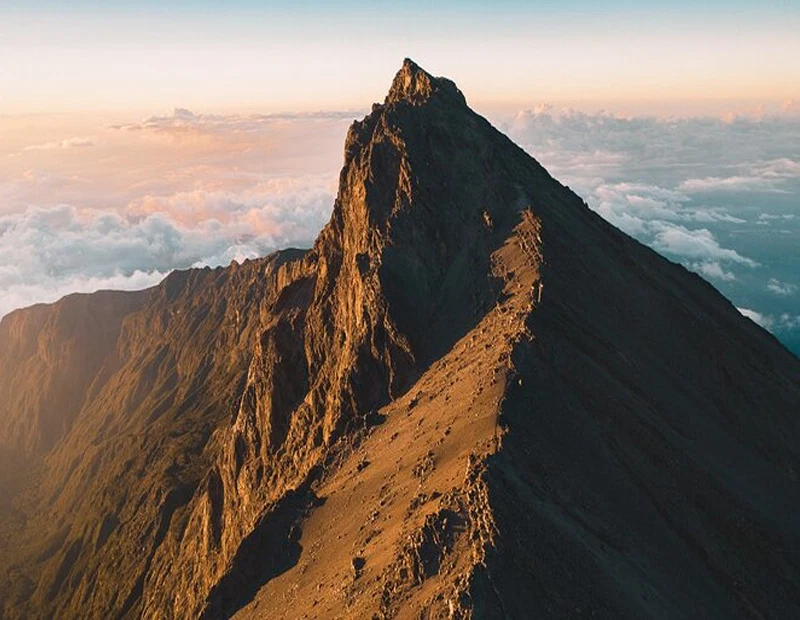
Mount Meru
A quieter mountain inside Arusha National Park, with huts, wildlife on the lower route and a rugged summit ridge.
Explore Mount Meru →
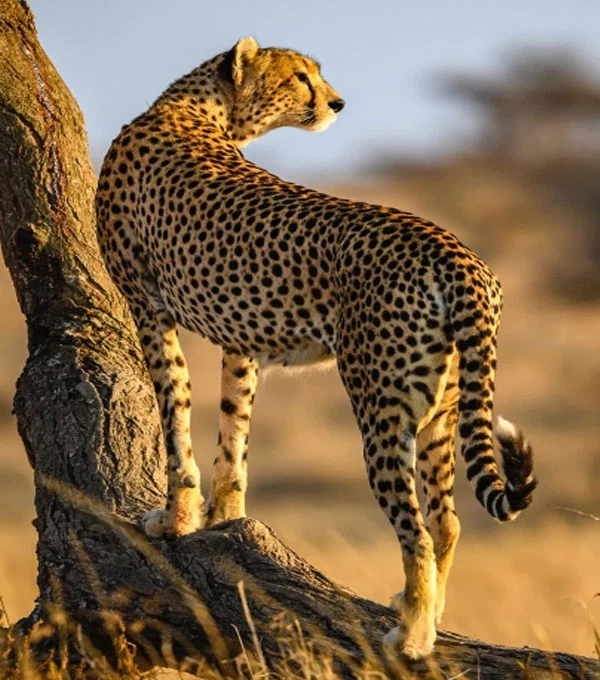
Tanzania Safari
Serengeti, Ngorongoro, Tarangire and other ecosystems experienced through patient guiding and realistic travel time.
Explore Tanzania Safaris →
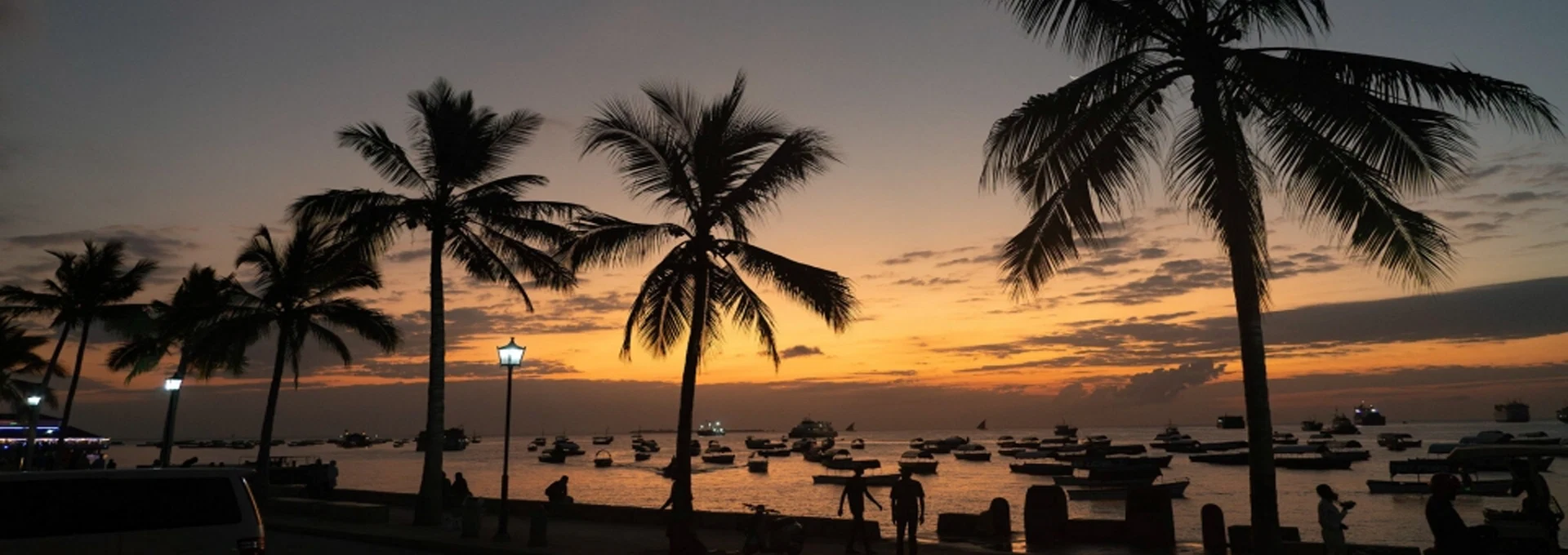
Zanzibar
Stone Town, north-coast swimming, East Coast tides and a completely different rhythm after the mainland.
Explore Zanzibar →Good trips are builtin layers.
We do not need to invent a dramatic company timeline to explain how we work. The important evolution happens every time an enquiry becomes a real operating plan.
Listen before routing
Travel dates, group size, available days, trekking history, comfort expectations and the experiences that matter most come before the route.
Build the skeleton
We decide where the journey should begin, how many nights belong in each area, where recovery is needed and which transfers connect cleanly.
Pressure-test the timing
A beautiful itinerary can still be a bad itinerary if every day is too long. Driving, altitude, park gates, flights and hotel changes all need realistic space.
Confirm the operating details
Accommodation, route, private or shared arrangements, transfers, meals, activity conditions and what is not included must be clear in the final quotation.
Prepare the traveller
Mountain gear, packing, arrival information, health considerations, baggage and the practical questions are dealt with before the trip starts.
Let the field team guide the real day
Once the journey is underway, guides respond to altitude, wildlife, roads, weather, tides and the traveller’s condition instead of blindly protecting a printed schedule.
The itinerary is the visible part.The decisions behind it are the real work.
A traveller may see twelve lines describing twelve days. Behind those lines are dozens of smaller choices that decide whether the trip feels smooth, rushed, safe, exhausting or genuinely well planned.
Arrival logic
International flight time, airport transfer, first night and whether the traveller should rest before the first major activity.
Route sequencing
Which park, mountain or coast belongs first so the journey flows instead of repeatedly backtracking.
Accommodation fit
Location matters as much as style. A beautiful lodge in the wrong place can reduce time in the field.
Mountain crew planning
Route days, camp or hut system, food, water, guide structure and the support needed for the confirmed climb.
Vehicle planning
Private or shared use, passenger space, luggage, road conditions and the number of long movement days.
Flight connections
Domestic flights and transfers need margin. A connection should not be so tight that one delay breaks the whole trip.
Coast choice
Stone Town, north coast and East Coast are chosen around swimming, atmosphere, tides, activities and total nights.
Contingency room
Weather, wildlife, health and transport can change. Strong planning leaves room for the field team to respond.

A trip is carriedby more than one guide.
Travel companies are often described as if one person delivers the entire experience. In reality, a Tanzania journey is a chain of specialist roles. The mountain crew does different work from the safari driver-guide. An operations coordinator solves different problems from a lodge. A Zanzibar activity team works under different conditions from a Kilimanjaro guide.
We think that distinction matters because it makes the work visible. It also makes it easier to set honest expectations: the right person should make the right decision at the right stage of the journey.
Mountains teachpatience before achievement.
Kilimanjaro and Mount Meru are not just products in a catalogue. They teach the operating principles that influence the rest of our company: prepare before pressure arrives, move at the pace the environment allows, listen when conditions change, and remember that reaching the objective is never more important than returning safely.
On Kilimanjaro that means taking altitude seriously even when a climber is fit. On Mount Meru it means respecting wildlife procedures lower on the Momella Route and exposed terrain higher on the ridge. On both mountains it means the lead guide’s decision has to carry more weight than a traveller’s desire to protect a summit plan.
A safari is nota collection of park names.
Serengeti, Ngorongoro, Tarangire and Lake Manyara each bring a different landscape and wildlife rhythm. The mistake is assuming that adding more names automatically improves the safari. When an itinerary becomes too compressed, the traveller can spend more time transferring than watching wildlife.
We prefer to understand what the traveller actually wants: photography, family pace, migration interest, a honeymoon rhythm, a private vehicle, fewer hotel changes or more time in a particular ecosystem. Then the route can be shaped around those priorities rather than forcing every safari to look identical.


Zanzibar should feellike a new chapter.
After cold summit mornings or long safari days, the island changes the pace completely. But Zanzibar is not one generic beach. Stone Town brings architecture, history, markets and street life. Nungwi and Kendwa suit travellers who often prioritise swimming access and sunsets. The East Coast is shaped more visibly by tides and can feel quieter and more spacious.
The right choice depends on what the mainland portion has already asked of the traveller. A climber may want recovery and easy swimming. A honeymoon couple may want privacy and fewer hotel changes. A cultural traveller may want enough time in Stone Town before moving to the coast.
The best trips look simplebecause the work happened earlier.
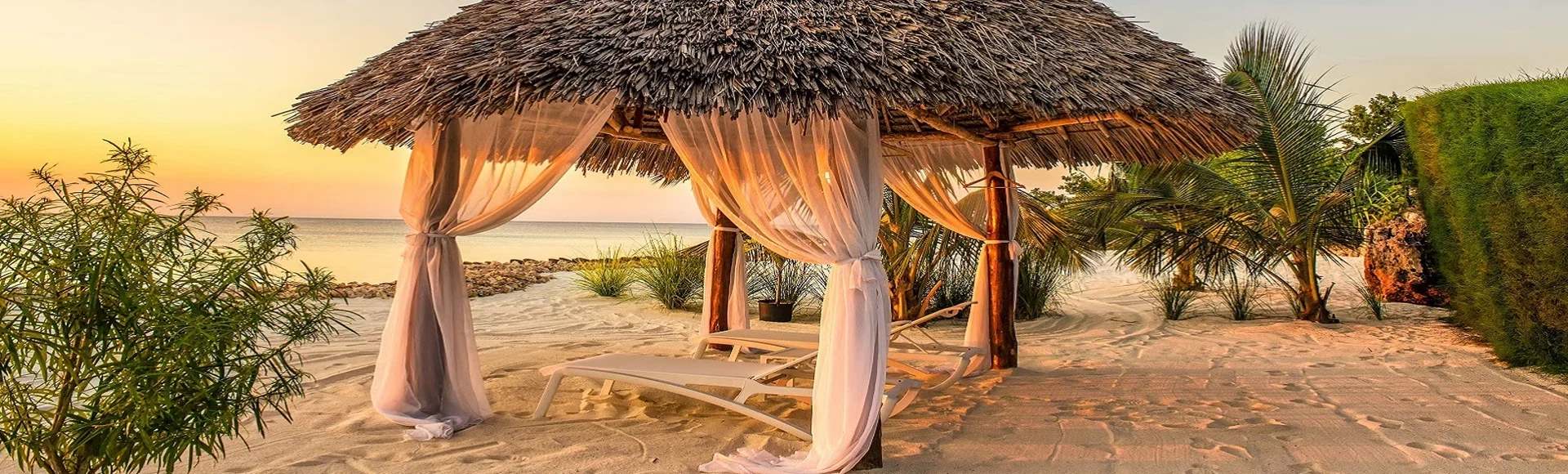
Smooth travel is usually invisible. When the driver is waiting, the room is ready, the mountain briefing makes sense and the next transfer is not rushed, the traveller experiences calm rather than logistics. That calm has to be planned.
We would rather change the planthan defend the plan.
Safety is not a page travellers read once and forget. It is a decision-making habit. On the mountain, that can mean slowing down or descending. On safari, it can mean choosing a different road or giving wildlife more space. On Zanzibar, it can mean moving or cancelling a marine activity because conditions are not suitable.
The field team needs authority to make those decisions. That is why we do not write summit guarantees, guaranteed migration crossings or promises that depend on nature behaving on command.

Responsibility should changehow the trip is operated.
It is easy for a travel company to use words such as sustainable, ethical or responsible. Those words matter only when they change real behaviour. We prefer practical questions: How are mountain crews supported? Does the guide respect wildlife space? Is a community experience handled respectfully? Is the traveller being asked to follow park and local rules?
People
Local employment, fair crew systems, porter welfare and respectful interaction with communities should be practical parts of operations.
Wildlife
A sighting is better when the animal is allowed to behave naturally and the guide does not create pressure for a photograph.
Places
Parks, mountain camps, villages and beaches need to be treated as living environments rather than consumable scenery.
Values are only usefulwhen they describe behaviour.
We would rather define our standards by what the traveller and field team can actually observe than by a row of generic words such as passion, excellence and integrity.
Tell the truth before the sale
If a route is compressed, a transfer is long or a result cannot be guaranteed, the traveller should know before booking.
Build realistic days
A trip should not look impressive on paper and exhausting in reality.
Respect the field guide
The person reading the mountain, road, wildlife or sea conditions must have room to make the decision.
Do not make nature perform
No guaranteed summit, crossing, predator interaction or perfect marine condition.
Treat people as part of the journey
Guides, porters, drivers, cooks, hosts and operations staff are not invisible extras.
Fix problems instead of hiding them
Travel has variables. Good service is shown by how clearly and quickly the team responds when something changes.
Sometimes a company is clearerwhen it says no.
Not every trip is right for every traveller, and not every request should be accepted exactly as first imagined. A company earns trust by being willing to explain the trade-off.
Not just where you went.How the journey felt.
Long after the route names blur together, travellers tend to remember smaller moments: the first proper mountain view, a guide’s patience, a road conversation, the sound of camp before sunrise, an unexpected animal sighting or the moment the trip finally slows beside the ocean.
Our job is to create the conditions for those moments without pretending we can manufacture them. Tanzania provides the landscape. The people and the traveller create the experience together.

The proof belongsin traveller experience.
Rather than inventing testimonial names or turning this About page into a second Reviews page, we keep the focus on the parts of service travellers can actually judge—and link to the dedicated review record for the details.
Communication & organisation
Travellers repeatedly judge a company by whether the trip feels organised before arrival and whether questions receive clear answers while plans are being built.
Read verified traveller reviews →Guide support
On mountains and safari, the guide becomes the human centre of the experience. Good pacing, interpretation, patience and judgement are what travellers remember.
Read verified traveller reviews →How the whole trip fits together
A strong combined journey should feel like one Tanzania experience rather than several unrelated bookings stitched together.
Read verified traveller reviews →The practical questionsbehind the company story.
Who we are matters. What we actually organise, where we operate and how we make decisions matters more.
Where is Everyday Safaris based?
Everyday Safaris operates from Arusha, Tanzania, a practical hub for northern Tanzania safaris, Mount Meru and travel connections toward Kilimanjaro. Exact meeting points, pickups and transfers are confirmed in the final itinerary.
What kinds of trips does Everyday Safaris organise?
The core trip areas are Mount Kilimanjaro climbing, Mount Meru trekking, northern Tanzania wildlife safaris, Zanzibar holidays, day experiences and combined journeys that connect mountain, safari and coast.
Can I combine Kilimanjaro, safari and Zanzibar in one itinerary?
Yes, when the total number of days allows the journey to be sequenced realistically. Recovery, road travel, domestic flights and coast transfers should be built into the itinerary rather than hidden between headline experiences.
Does Everyday Safaris organise Mount Meru climbs?
Yes. Mount Meru climbs use the Momella Route inside Arusha National Park, with hut stages such as Miriakamba and Saddle before the upper ridge and Socialist Peak on appropriate summit itineraries.
Are safaris private?
Many safari itineraries can be arranged privately, giving the confirmed party exclusive use of the vehicle for the stated itinerary. Shared arrangements may also be available where specifically booked, so the final quotation should state the structure clearly.
Who guides the trips?
Professional local mountain guides, safari driver-guides and relevant local activity teams handle different stages of the journey. The exact guiding and crew structure depends on the confirmed trip.
How does Everyday Safaris approach safety?
The company’s approach is to let field conditions and guide judgement take priority over pressure to follow a schedule. Altitude, weather, wildlife, road and marine conditions can all change the plan.
How does Everyday Safaris approach responsible tourism?
The published approach connects local employment, porter welfare, respectful wildlife viewing, cultural consideration and practical environmental care. Dedicated Responsible Tourism and Porter Welfare pages explain these standards in more depth.
Can families, couples and honeymoon travellers book with Everyday Safaris?
Yes. The route can be shaped around family pace, couple travel, honeymoon privacy, private vehicles, beach style and available days. Activity-specific age or participation rules still need to be checked for the exact itinerary.
How do I start planning a trip?
Send your travel dates, number of travellers, available days, the experiences you care about and any important comfort, activity or accommodation preferences. Everyday Safaris can then shape a realistic route and confirm the final inclusions in writing.

Come experience Tanzaniawith a local team.
Tell us when you want to travel, how many days you have and which parts of Tanzania matter most to you. We will shape the mountain, safari, coast and transfers around the trip you actually want to live.
Go from inspirationto the exact trip question.
This final planning library connects the company story to the deeper information travellers use before booking. Choose the part of Tanzania you are researching, then move directly into routes, destinations, preparation, safety and combined itineraries.
Kilimanjaro & High Altitude
Plan a Kilimanjaro climb from route selection through summit night, acclimatisation, packing and safety. These links are organised to help travellers move from broad research into specific route, destination, preparation and booking questions without having to search the site blindly.
Kilimanjaro climbing in Tanzania
Compare route style, number of days, acclimatisation and summit approach before choosing an itinerary.
Explore this guide →Choose a Kilimanjaro route
Lemosho, Machame, Marangu, Northern Circuit, Rongai and Umbwe do not create the same trekking rhythm.
Explore this guide →Lemosho Route
A western approach with forest, Shira Plateau and a southern-circuit summit build-up.
Explore this guide →Machame Route
A classic camping route with strong landscape variety and the Barranco section.
Explore this guide →Marangu Route
The hut route, with Kibo Hut and a summit approach toward Gilman’s Point.
Explore this guide →Northern Circuit
A longer traverse around the quieter northern side with a School Hut summit approach.
Explore this guide →Kilimanjaro preparation
Training, equipment testing, travel planning and realistic expectations before the mountain.
Explore this guide →Altitude & acclimatisation
Understand why fitness does not prevent altitude illness and why route duration matters.
Explore this guide →Kilimanjaro packing list
Layering, boots, summit clothing, sleeping systems and essential mountain equipment.
Explore this guide →Mount Meru & Arusha
Explore Mount Meru climbing, the Momella Route and the Arusha region that connects mountain and safari travel. These links are organised to help travellers move from broad research into specific route, destination, preparation and booking questions without having to search the site blindly.
Mount Meru climbing
A multi-day volcanic mountain trek inside Arusha National Park, normally using huts on the Momella Route.
Explore this guide →Momella Route
The standard Mount Meru route through lower wildlife habitat, Miriakamba, Saddle and the upper ridge.
Explore this guide →Mount Meru difficulty
Understand altitude, summit exposure, walking days and why the mountain is lower than Kilimanjaro but still serious.
Explore this guide →Prepare for Mount Meru
Fitness, footwear, clothing, weather and practical hut-trek preparation.
Explore this guide →Mount Meru packing list
What to carry for huts, cold summit hours, rain, wildlife-zone walking and the upper ridge.
Explore this guide →Miriakamba Hut
The first major overnight stage as the route rises from lower Arusha National Park habitat.
Explore this guide →Saddle Hut
The main high camp before Little Meru and the pre-dawn Socialist Peak attempt.
Explore this guide →Little Meru
A useful side objective and acclimatisation outing from the Saddle Hut area.
Explore this guide →Mount Meru vs Kilimanjaro
Compare elevation, accommodation, wildlife, route character and how the mountains can fit together.
Explore this guide →Northern Tanzania Safaris
Go deeper than a park checklist with routes built around wildlife conditions, realistic driving time and the traveller’s priorities. These links are organised to help travellers move from broad research into specific route, destination, preparation and booking questions without having to search the site blindly.
Tanzania safaris
Start with the full northern Tanzania safari collection and compare trip styles.
Explore this guide →Private Tanzania safaris
Exclusive vehicle use can create more flexibility for families, couples and photographers.
Explore this guide →Luxury Tanzania safaris
Build a premium safari around strong locations and route logic rather than hotel labels alone.
Explore this guide →Family safaris
Plan shorter game-drive rhythms, practical room arrangements and realistic road time for children.
Explore this guide →Tanzania honeymoon safaris
Combine private guiding, fewer hotel changes and a route that leaves time to enjoy the lodges.
Explore this guide →Great Migration safaris
Use seasonal movement as a planning framework without guaranteeing crossings or exact herd location.
Explore this guide →Serengeti National Park
Give a vast ecosystem enough time rather than treating it as a single game-drive stop.
Explore this guide →Ngorongoro Crater
A compact caldera experience that combines naturally with Serengeti and other northern parks.
Explore this guide →Tarangire National Park
Baobab country, elephants and a different safari landscape within the northern circuit.
Explore this guide →Zanzibar & Indian Ocean
Choose the island by coast, swimming, tides, culture and how the beach stage fits after safari or mountain travel. These links are organised to help travellers move from broad research into specific route, destination, preparation and booking questions without having to search the site blindly.
Zanzibar holidays
Start with the island-wide planning hub for beach, culture and post-safari extensions.
Explore this guide →Zanzibar honeymoons
Plan privacy, beach choice, Stone Town and safari combinations around a slower couple-focused itinerary.
Explore this guide →Zanzibar beach extensions
Add the island after safari or climbing without compressing the mainland journey.
Explore this guide →Stone Town
Architecture, history, markets, waterfront evenings and a cultural contrast to the beach.
Explore this guide →Nungwi & Kendwa
North-coast atmosphere, sunsets and generally easier swimming access than strongly tidal east-coast beaches.
Explore this guide →Zanzibar East Coast
Tides, reef flats, quiet space and a coastal rhythm travellers should understand before booking.
Explore this guide →Complete Tanzania Journeys
Connect mountain, safari and coast into a single itinerary with realistic recovery, transfer and travel time. These links are organised to help travellers move from broad research into specific route, destination, preparation and booking questions without having to search the site blindly.
Kilimanjaro + Safari
Move from a high-altitude climb into a wildlife journey with enough recovery between stages.
Explore this guide →Safari + Zanzibar
Combine northern Tanzania wildlife with an Indian Ocean finish without turning transfer days into hidden itinerary pressure.
Explore this guide →Kilimanjaro + Zanzibar
Pair the mountain with beach recovery and choose the coast according to how the traveller wants to finish.
Explore this guide →Mount Meru + Kilimanjaro
Use Mount Meru as a separate mountain experience or a preparation stage before Kilimanjaro when recovery time allows.
Explore this guide →Safari before or after climbing
Sequence the physically demanding stage and road-based safari according to fitness, arrival timing and the total holiday.
Explore this guide →Tanzania day experiences
Add a lighter Arusha-area day before or after a major trip without creating another long transfer.
Explore this guide →Planning, Safety & Trust
Use the company and planning resources that explain how Everyday Safaris approaches guides, safety, responsibility and traveller support. These links are organised to help travellers move from broad research into specific route, destination, preparation and booking questions without having to search the site blindly.
Why travel with us
See the practical reasons travellers choose Everyday Safaris for connected Tanzania journeys.
Explore this guide →Guides & team
Understand the roles behind mountain, safari and on-trip support.
Explore this guide →Safety & Standards
Read the company’s approach to altitude, guide authority, wildlife viewing and condition-based decisions.
Explore this guide →Responsible Tourism
Explore the practical approach to local people, wildlife, communities and environmental care.
Explore this guide →Porter Welfare
See how mountain crew welfare fits into the company’s climbing standards.
Explore this guide →Traveller Reviews
Read the dedicated traveller review record instead of relying on invented testimonials.
Explore this guide →Travel Guide & Blog
Go deeper into Kilimanjaro, Mount Meru, safari, Zanzibar and practical Tanzania planning topics.
Explore this guide →Contact Everyday Safaris
Start with your dates, travellers, available days and the experiences that matter most.
Explore this guide →