Kilimanjaro Success Rate & Acclimatization Philosophy

Home Travel Tips Kilimanjaro Success Rate & Acclimatization Philosophy

How Everyday Safaris Maximizes Summit Success on Mount Kilimanjaro

Reaching the summit of Mount Kilimanjaro is not about speed or strength alone.
It is primarily about proper acclimatization, pacing, route choice, and professional mountain management.

At Everyday Safaris, we do not advertise unrealistic success percentages. Instead, we focus on the factors that genuinely increase a climber’s chance of reaching Uhuru Peak safely and enjoyably.

This page explains our approach clearly and honestly.

Understanding Kilimanjaro Summit Success

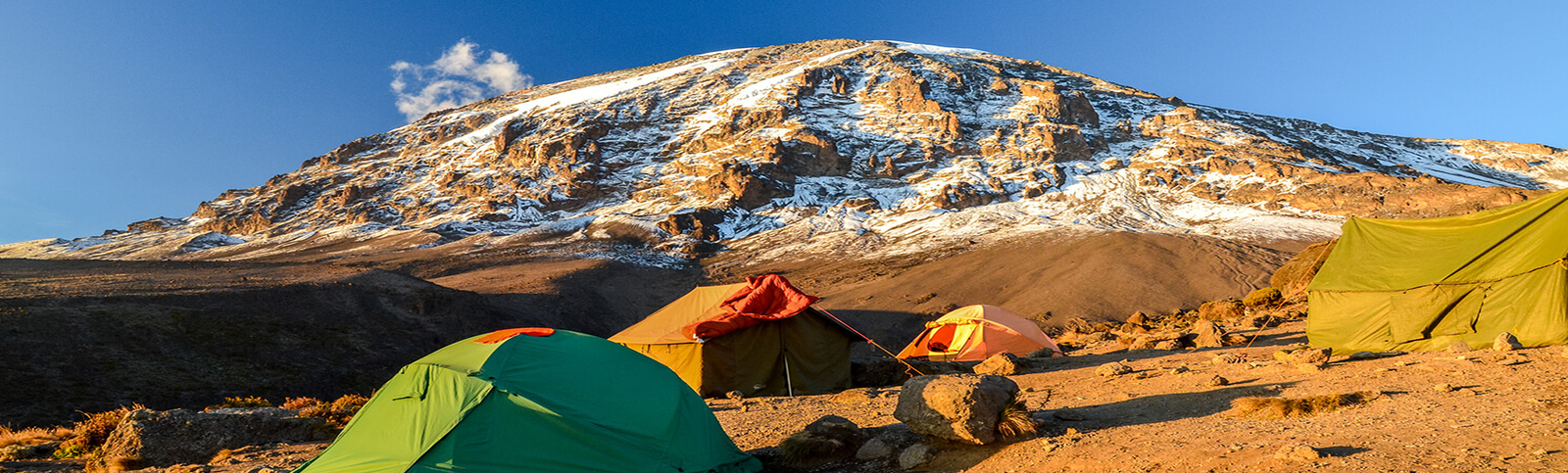
Mount Kilimanjaro stands at 5,895 meters (19,341 feet).
The main challenge is altitude, not technical climbing difficulty.

Summit success depends on:

  • Time spent acclimatizing
  • Daily ascent profile
  • Rest and hydration
  • Professional guide monitoring
  • Individual response to altitude

Even very fit hikers can struggle if acclimatization is rushed.

Why We Avoid “Guaranteed” Success Claims

Many companies advertise very high or “guaranteed” success rates.
In reality, altitude affects everyone differently, and no responsible operator can promise a summit for every climber.

Everyday Safaris believes that:

  • Honest expectations build trust
  • Safety always comes before the summit
  • A well-managed descent is as important as the ascent

Our role is to maximize your chances, not pressure you to continue unsafely.

Our Acclimatization Philosophy

“Climb High, Sleep Low”

This is the cornerstone of successful acclimatization on Kilimanjaro.

Everyday Safaris designs itineraries that:

  • Gradually increase sleeping altitude
  • Include acclimatization hikes
  • Allow the body time to adapt to lower oxygen levels

Routes and itineraries that respect this principle consistently produce higher success and safer climbs.

Choosing the Right Route

Not all Kilimanjaro routes are equal in terms of acclimatization.

At Everyday Safaris, we strongly recommend:

  • Lemosho Route (7–8 days)
  • Machame Route (7 days)
  • Northern Circuit Route (8–9 days)

These routes offer:

  • Longer acclimatization profiles
  • Gradual altitude gain
  • Higher summit success compared to shorter routes

Shorter itineraries may reduce cost or time, but they significantly increase altitude risk.

Route Length Matters

A critical factor in summit success is number of days on the mountain.

General principle:

  • More days = better acclimatization = higher success
  • Fewer days = increased altitude stress

This is why Everyday Safaris prioritizes properly paced itineraries, even when clients ask for shorter options.

Daily Monitoring & Guide Support

Professional Mountain Guides

Every climb with Everyday Safaris is led by experienced Kilimanjaro mountain guides trained to:

  • Monitor altitude symptoms
  • Assess physical and mental condition
  • Adjust pace as needed
  • Make responsible summit and turnaround decisions

Health Checks on the Mountain

Guides regularly check:

  • Breathing patterns
  • Energy levels
  • Appetite
  • Sleep quality
  • Signs of altitude sickness

Clients are encouraged to communicate openly — early reporting leads to better outcomes.

Pacing, Rest & Hydration

Slow, Steady Progress

We emphasize:

  • Slow walking pace (“pole pole”)
  • Frequent short breaks
  • Adequate rest at camp

Rushing increases altitude stress and reduces success.

Hydration & Nutrition

Proper hydration and regular meals are essential:

  • Drinking water is encouraged throughout the day
  • Meals are planned to support energy and recovery
  • Guides monitor hydration levels closely

Summit Day Philosophy

Summit night is physically and mentally demanding.

Our approach:

  • Conservative departure timing
  • Careful pacing during the ascent
  • Close monitoring during the summit push
  • Responsible decisions if conditions or health decline

Reaching Uhuru Peak is a powerful achievement — but returning safely is the true success.

Who Benefits Most from This Approach

Everyday Safaris’ acclimatization philosophy is especially important for:

  • First-time high-altitude climbers
  • Clients over 40
  • Schools and charity groups
  • Travelers combining Kilimanjaro with safari
  • Climbers prioritizing safety and experience over speed

Success Means More Than the Summit

At Everyday Safaris, success is defined as:

  • A safe and well-managed climb
  • Positive mountain experience
  • Informed decision-making
  • Ethical treatment of staff
  • Safe return for every climber

Many of our clients tell us:

“Even before summit night, we felt well supported and confident in the process.”

Ethical & Responsible Climbing

Our approach aligns with responsible mountain practices:

  • Fair treatment and payment of guides and porters
  • Partnership with KPAP (Kilimanjaro Porters Assistance Project)
  • Realistic itineraries that respect human limits

Ethical operations contribute directly to better-managed and safer climbs.

Everyday Safaris’ Commitment

We commit to:

  • Honest route recommendations
  • Proper acclimatization planning
  • Safety-first decision making
  • Transparent communication
  • Respect for the mountain and everyone on it

Summiting Kilimanjaro is a journey — we are here to guide it responsibly.

Plan Your Kilimanjaro Climb with Confidence

Whether you are climbing as an individual, family, school, charity group, or through an international agent, Everyday Safaris will help you choose the right route, right pace, and right preparation for your climb.


24/7 Support

Go forth and explore your inner connection with the wonders of wildlife.

Enquire

Request a program

Fill out the form below and we will get in touch with you