Safari Safety & Responsible Travel

Home Travel Tips Safari Safety & Responsible Travel

How Everyday Safaris Delivers Safe, Ethical & Meaningful Safaris in Tanzania

At Everyday Safaris, safari safety and responsible travel are not checklists or marketing claims — they are core values that guide how we plan, operate, and deliver every safari in Tanzania.

From the way our vehicles are driven, to how wildlife encounters are handled, to how we engage with local communities, our approach is designed to protect guests, wildlife, ecosystems, and people, while creating authentic and rewarding safari experiences.

This page explains how Everyday Safaris ensures safe, ethical, and responsible safari operations across Tanzania’s national parks and conservation areas.

1. Guest Safety on Safari

Thoughtful Planning & Clear Briefings

Before every safari, guests receive a practical and easy-to-understand briefing covering:

  • What to expect on safari
  • Basic wildlife awareness and behavior
  • Safety during game drives
  • Lodge and camp guidelines

For families, schools, charity groups, and institutions, briefings are adapted to suit the age, experience level, and group structure, ensuring everyone feels informed and comfortable.

Safety During Game Drives

Our safari guides strictly follow Tanzania National Parks and conservation regulations, ensuring:

  • Appropriate driving speeds inside parks
  • Safe and respectful distance from wildlife
  • No chasing, blocking, or disturbing animals
  • Calm, controlled positioning at sightings
  • Orderly behavior at all times

Guests are reminded to:

  • Remain inside the vehicle unless instructed otherwise
  • Follow guide instructions at all times
  • Avoid sudden movements or loud noises near wildlife

These practices protect both guest safety and animal welfare.

Safari Vehicle Safety Standards

Everyday Safaris operates purpose-built 4×4 safari vehicles that:

  • Are regularly serviced and mechanically inspected
  • Carry first-aid kits and recovery equipment
  • Use radio and mobile communication for coordination
  • Are suitable for long distances and rough terrain

Vehicles are selected based on group size, road conditions, and itinerary length, ensuring comfort and safety throughout the safari.

3. Ethical Wildlife Viewing

Respect for Wildlife

Responsible wildlife viewing is essential for conservation and safety. Our guides ensure that:

  • Animals are not stressed, crowded, or blocked
  • Viewing time is respectful and appropriate
  • No feeding or interaction with wildlife occurs
  • Off-road driving is avoided in restricted areas

We believe the best wildlife encounters feel natural and unforced, allowing animals to behave normally.

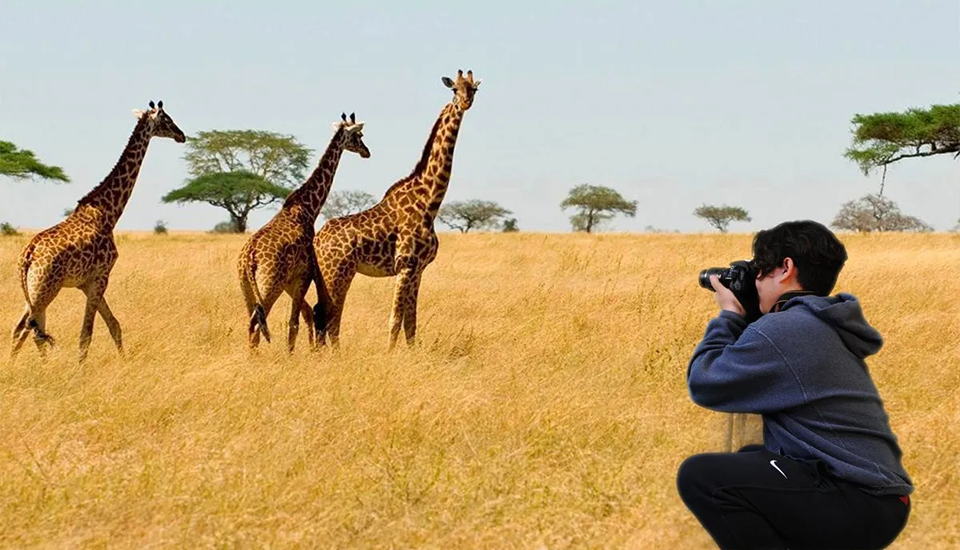
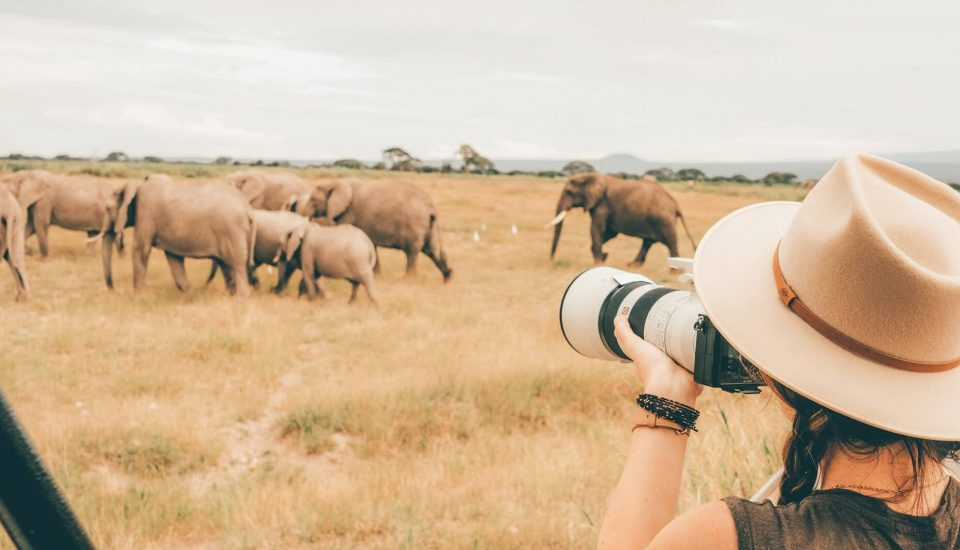
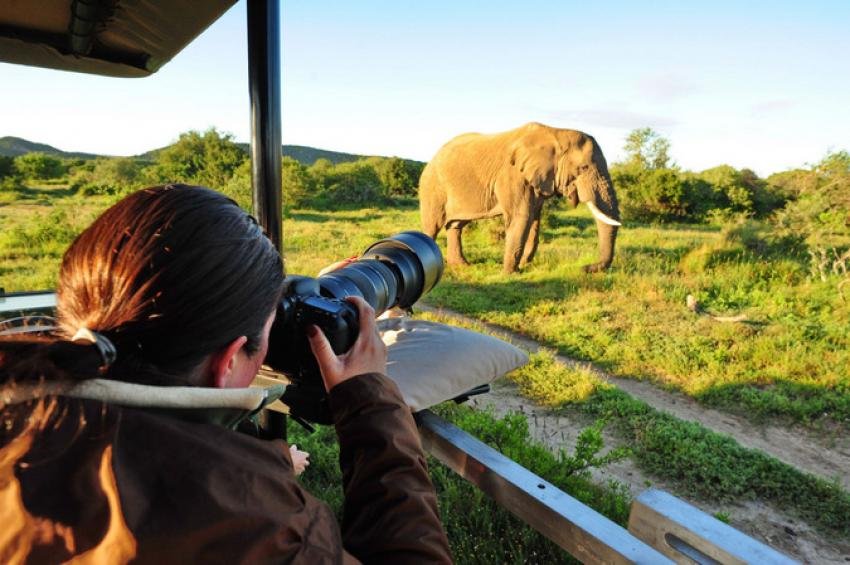
Responsible Photography

Photography is encouraged, but always handled responsibly:

  • No flash photography near animals
  • No crowding or blocking wildlife movement
  • Quiet observation during sensitive moments such as resting, hunting, or mating

For photography-focused safaris, guides prioritize ethical positioning and patience, not pressure.

3. Safaris for Families, Schools & Charities

Everyday Safaris regularly operates safaris for:

  • Families with children
  • Schools and universities
  • Charity and NGO groups

Additional safety considerations include:

  • Child-appropriate explanations and supervision
  • Conservative driving and viewing practices
  • Structured daily schedules
  • Extra attention to hydration, rest, and comfort
  • Clear group management and communication protocols

These safaris are planned with risk awareness, realistic pacing, and strong supervision.

4. Health & Wellbeing on Safari

Comfort, Hydration & Monitoring
  • Drinking water is provided during game drives
  • Regular stops are planned during longer drives
  • Guides monitor guest comfort and wellbeing throughout the day
Medical Preparedness
  • First-aid kits are carried in safari vehicles
  • Guides are trained in basic emergency response
  • Itineraries consider proximity to medical facilities where possible

Guests are advised to:

  • Carry personal medication
  • Inform us of any relevant medical conditions in advance
  • Travel with appropriate travel insurance

5. Responsible Environmental Practices

Minimizing Environmental Impact

Everyday Safaris operates with respect for Tanzania’s ecosystems by:

  • Following designated roads and tracks
  • Avoiding unnecessary vehicle movement
  • Supporting eco-conscious lodges and camps
  • Reducing single-use plastics where possible
Waste & Cleanliness

Guests are encouraged to:

  • Avoid littering
  • Use reusable bottles where possible
  • Respect lodge waste-management systems

Our guides ensure all waste generated during safaris is handled responsibly.

6. Respect for Local Communities & Culture

Responsible travel goes beyond wildlife.

Everyday Safaris promotes:

  • Respectful behavior in villages and cultural areas
  • Permission before photographing people
  • Fair and respectful interaction with local communities
  • Meaningful cultural exchange without exploitation

For school and charity groups, cultural visits are structured, educational, and mutually respectful.

7. Conservation & Ethical Tourism

Tourism plays a critical role in conservation when managed responsibly.

Our safaris contribute to:

  • National park conservation fees
  • Local employment and professional guiding
  • Community-based tourism initiatives
  • Ethical wildlife and labor practices

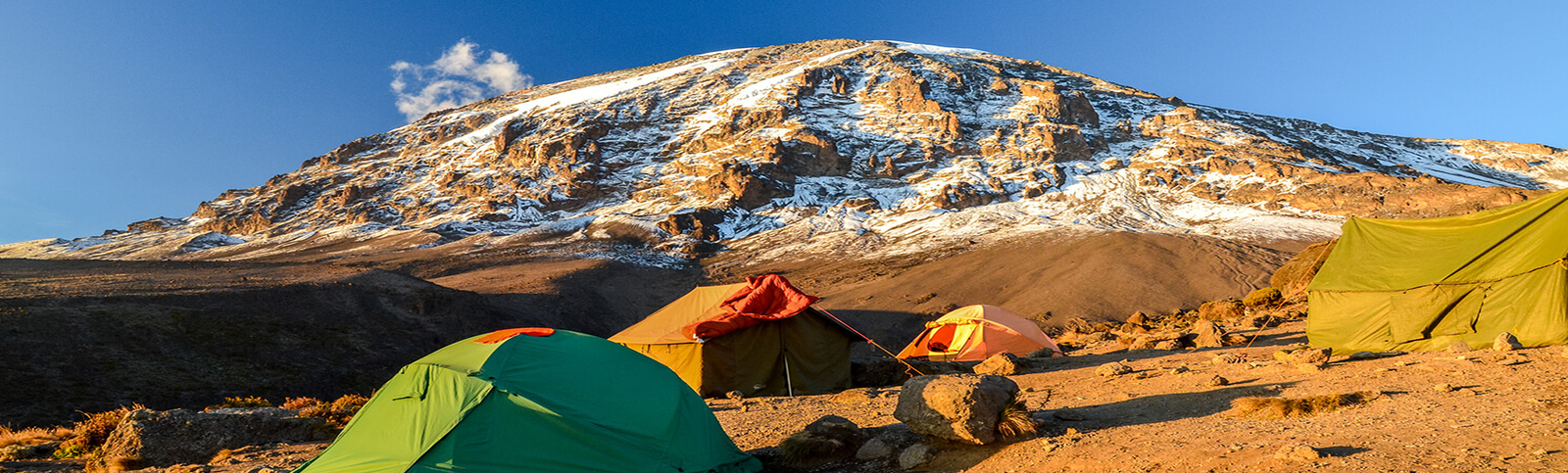
For Kilimanjaro operations, Everyday Safaris is a proud KPAP Partner Company (Kilimanjaro Porters Assistance Project), reflecting our wider commitment to ethical tourism standards.

8. Why Safari Safety & Responsibility Matter

For individual travelers, this means:

  • Peace of mind
  • Safer, more relaxed wildlife experiences
  • Travel that respects nature and people

For international agents, schools, NGOs, and charities, this means:

  • Reliable safety and operational standards
  • Reduced operational and reputational risk
  • Alignment with responsible travel policies
  • A trusted, legally compliant Tanzanian ground operator

Our Commitment

We believe the best safaris are those that:

  • Protect wildlife
  • Respect local communities
  • Prioritize guest safety
  • Leave a positive, lasting impact

At Everyday Safaris, safari safety and responsible travel are not policies on paper —
they are values that guide how we operate every day, across Tanzania.

Why choose Everyday Safaris for a responsible safari?

Because we are a Tanzania-based, fully licensed tour operator committed to safety, ethical operations, and meaningful travel — not a reseller or booking platform.


24/7 Support

Go forth and explore your inner connection with the wonders of wildlife.

Frequently Asked Questions (FAQ)

Is a safari in Tanzania safe?

Yes. When properly planned and professionally guided, safaris in Tanzania are very safe. Everyday Safaris follows national park regulations, conservative driving practices, and clear safety protocols to ensure guest wellbeing.

How close do safari vehicles get to wildlife?

Our guides maintain a safe and respectful distance at all times. Animals are never chased, blocked, or disturbed, and positioning is managed carefully for safety and ethical viewing.

Are safaris suitable for children and school groups?

Yes. We regularly organize safaris for families, schools, and educational groups, with adapted briefings, structured schedules, and conservative pacing.

What happens in case of a medical issue on safari?

Safari vehicles carry first-aid kits, guides are trained in basic emergency response, and itineraries consider access to medical facilities. Guests should also have appropriate travel insurance.

How does responsible tourism benefit Tanzania?

Responsible tourism supports conservation, local employment, community initiatives, and long-term protection of wildlife and natural areas.
Enquire

Request a program

Fill out the form below and we will get in touch with you