01
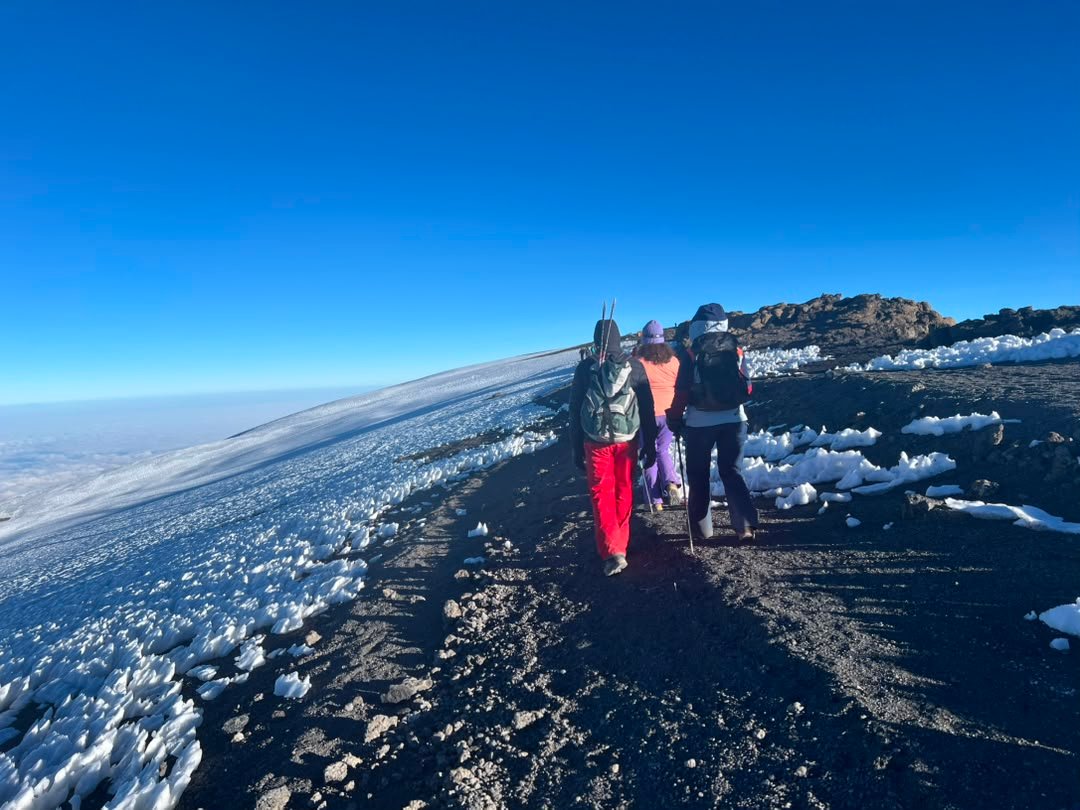
Lemosho Route
A premium western approach with broad landscapes, a gradual expedition rhythm and excellent route variety before joining the southern circuit.
View full Lemosho Route →
Explore Lemosho, Machame, Marangu, Northern Circuit, Rongai and Umbwe by days, scenery, accommodation, trail character and acclimatisation profile. Choose a route because it fits the way you want to climb—not simply because it is the most famous.
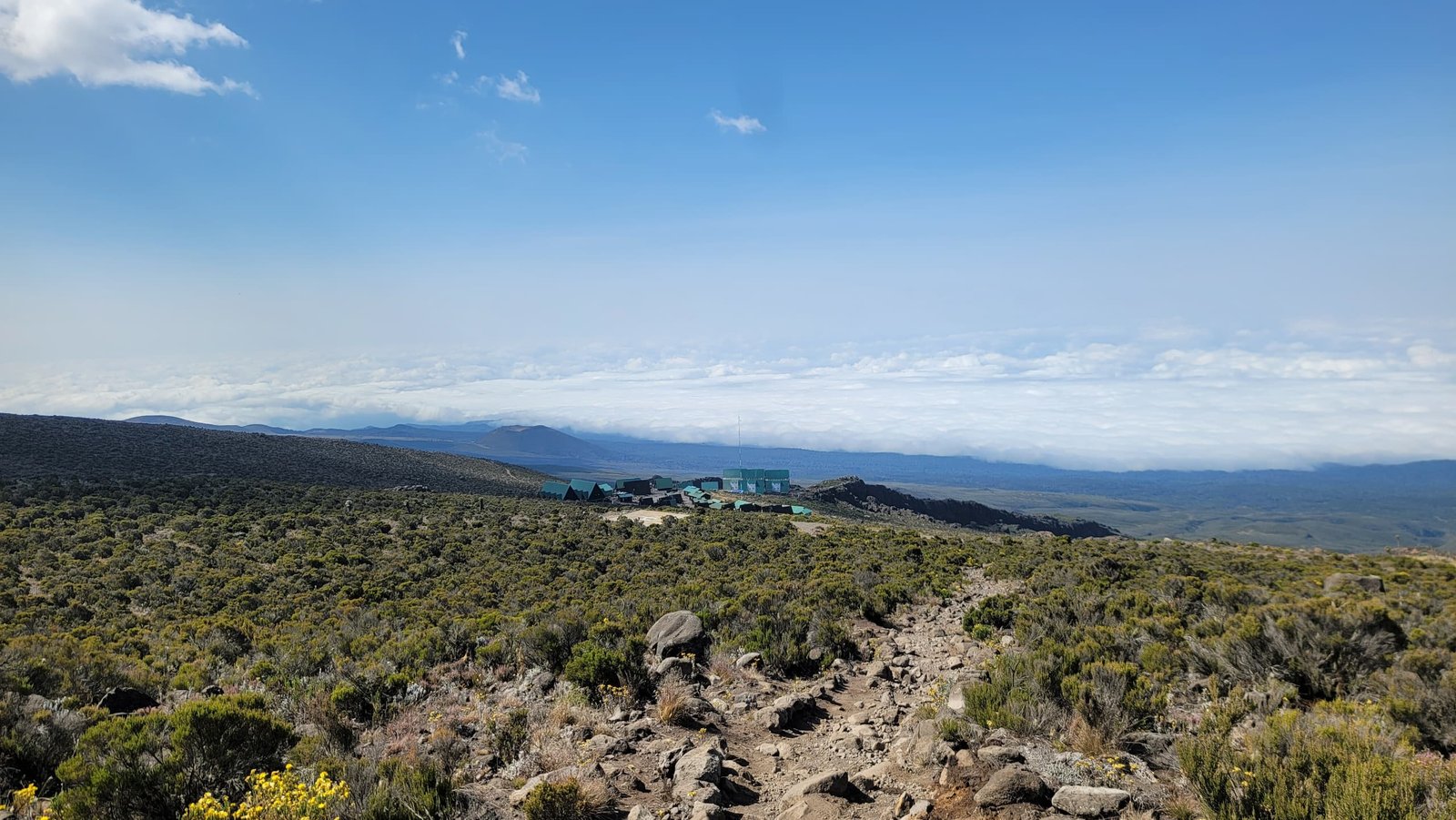
Your route decides where the climb begins, how quickly altitude increases, what landscapes you cross, where you sleep and how much time your body has to adapt before summit night.
The right decision is therefore not “Which route is famous?” but “Which route and number of days fit my fitness, experience, comfort preferences and altitude strategy?” That is why this page compares the full climbing experience rather than selling one route as perfect for everyone.
Each route card uses a different Kilimanjaro scene from the newer image library so the page feels like a journey, not a repeated template.
A premium western approach with broad landscapes, a gradual expedition rhythm and excellent route variety before joining the southern circuit.
View full Lemosho Route →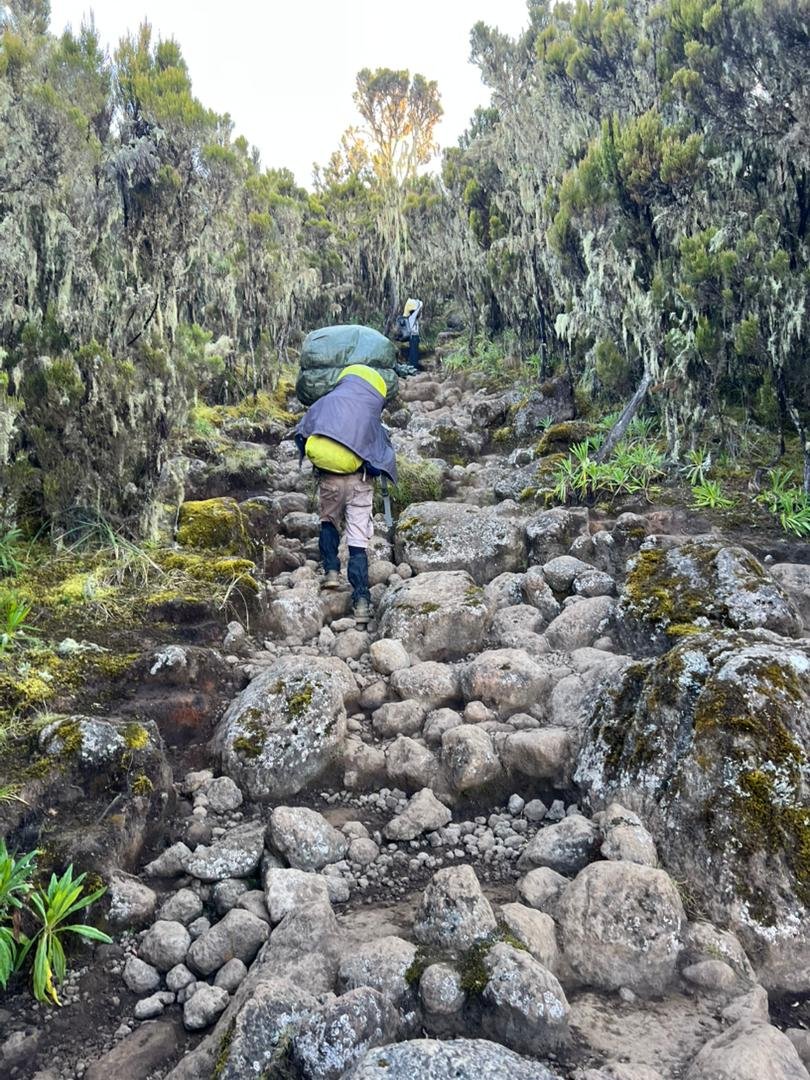
The classic southern route, combining dramatic terrain, high-altitude landmarks and one of Kilimanjaro’s most recognisable trekking journeys.
View full Machame Route →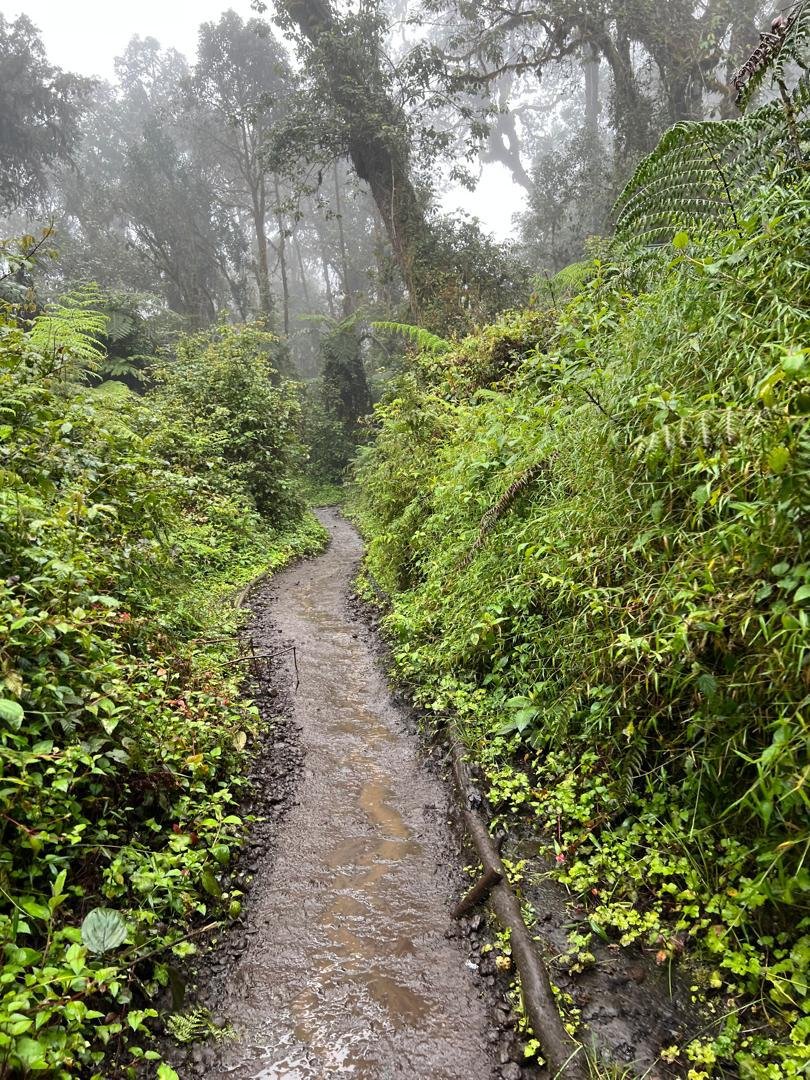
Kilimanjaro’s historic hut route, offering permanent mountain accommodation and a more direct ascent profile than the long traversing routes.
View full Marangu Route →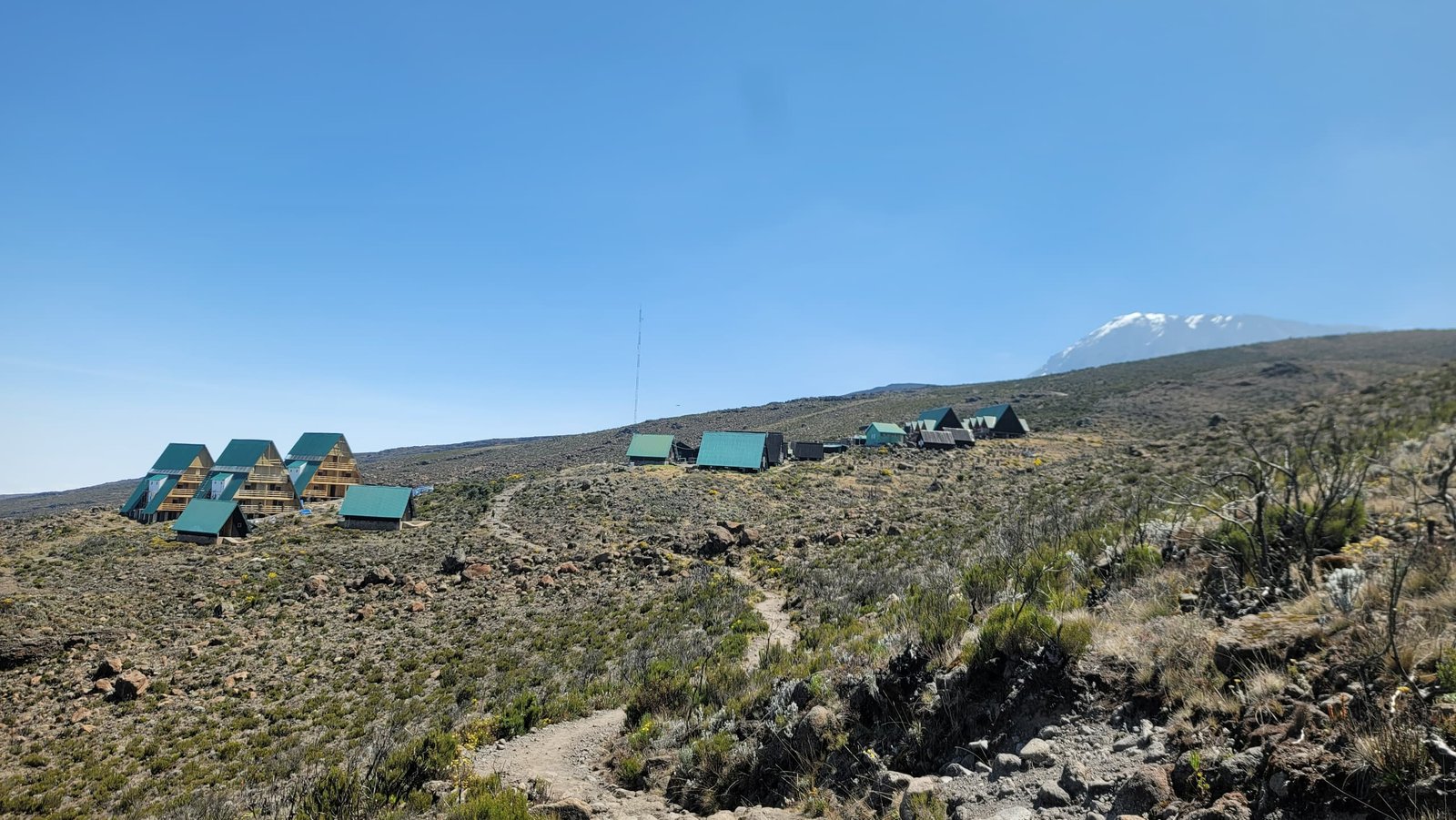
The longest mainstream route, travelling around Kilimanjaro’s quieter northern side and giving climbers more time on the mountain.
View full Northern Circuit →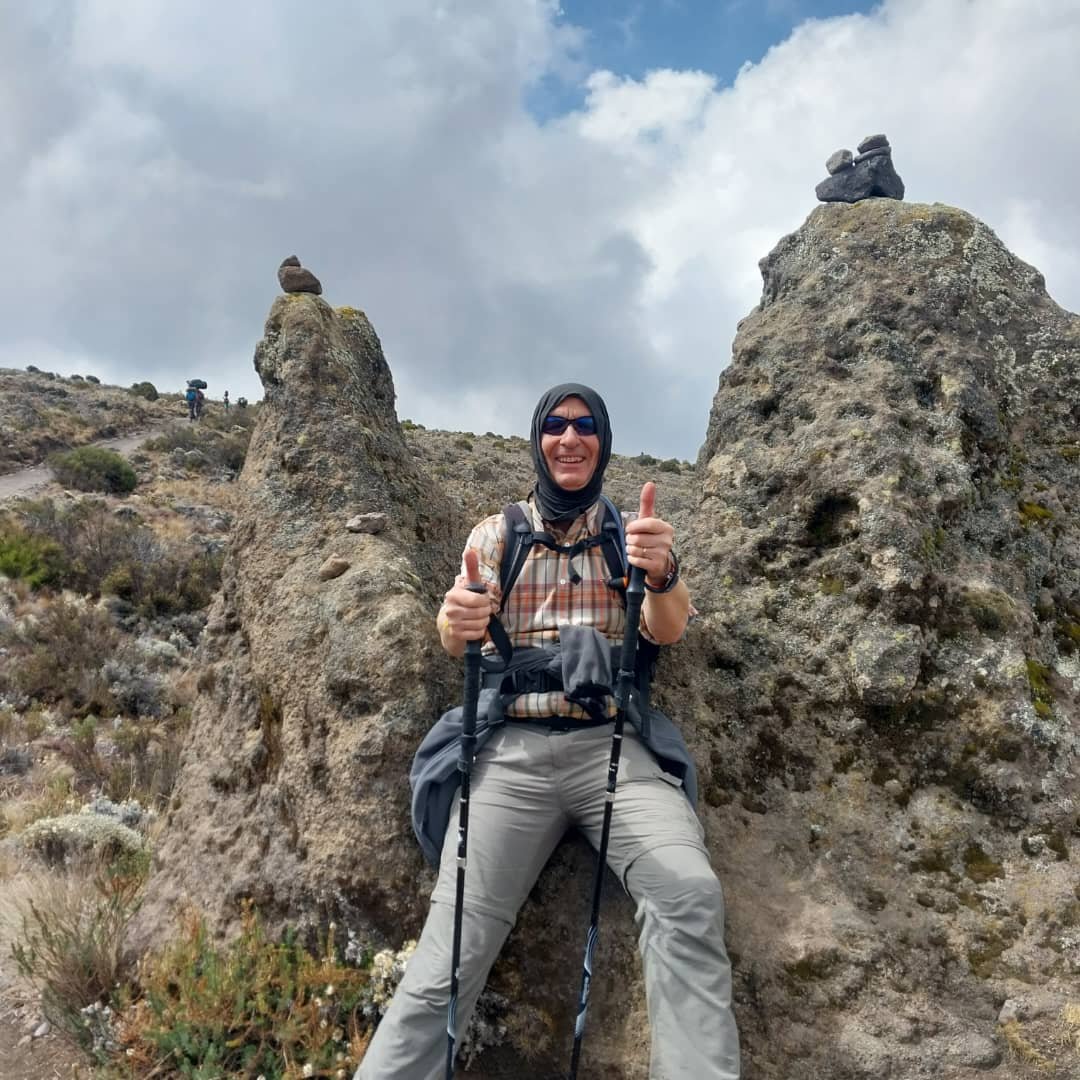
The principal northern approach, with quieter early stages, open landscapes and a different mountain perspective before descending via Marangu.
View full Rongai Route →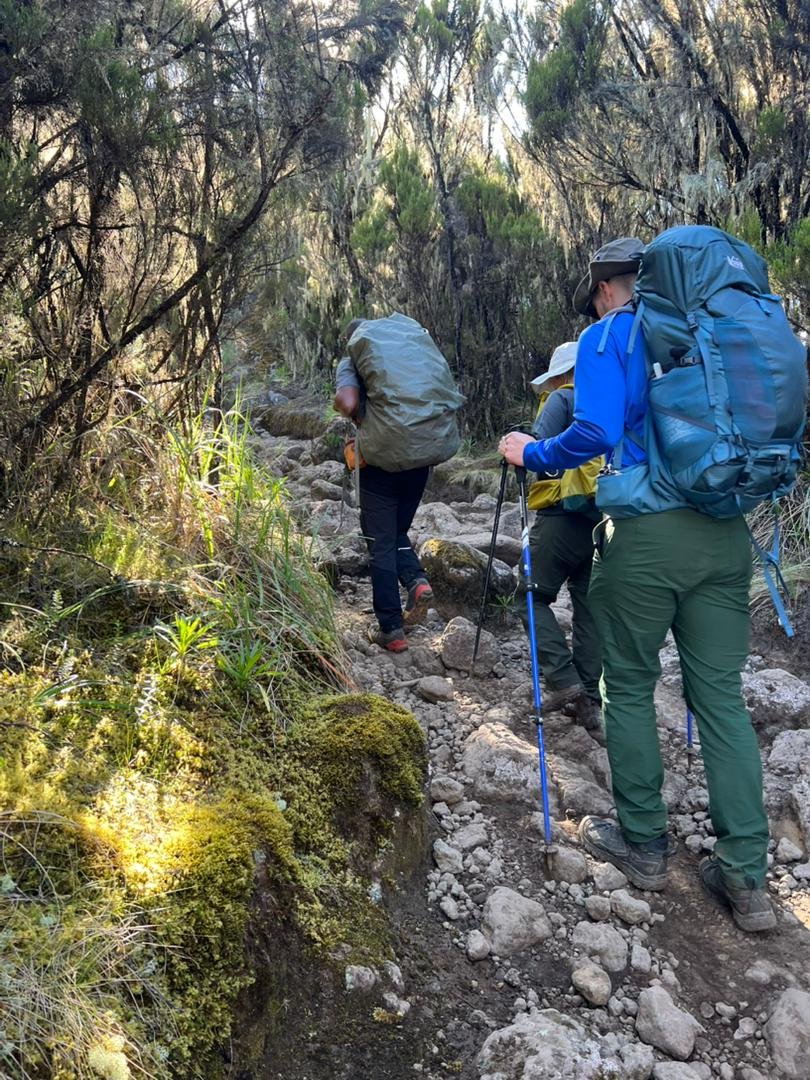
A steep, fast-gaining approach for experienced trekkers who understand that fitness and altitude adaptation are separate challenges.
View full Umbwe Route →Use the table to shortlist two or three routes. Then compare the detailed itinerary, because route duration and daily altitude gain matter more than simple labels such as “easy” or “popular.”
| Route | Typical Days | Approach | Sleep | Character | Acclimatisation | Often Suits |
|---|---|---|---|---|---|---|
| Lemosho | 7–8 | West | Camping | Scenic, varied | Strong on longer itinerary | First-timers, scenery |
| Machame | 6–7 | South | Camping | Classic, dramatic | Better on 7 days | Active trekkers |
| Marangu | 5–6 | Southeast | Huts | Historic, direct | More compressed | Hut preference |
| Northern Circuit | 8–9 | West → North | Camping | Long, quiet traverse | Longest standard time | Time-rich climbers |
| Rongai | 6–7 | North | Camping | Quieter early trail | Better on 7 days | Northern approach |
| Umbwe | 6–7 | South | Camping | Steep, direct | Fast early gain | Experienced trekkers |
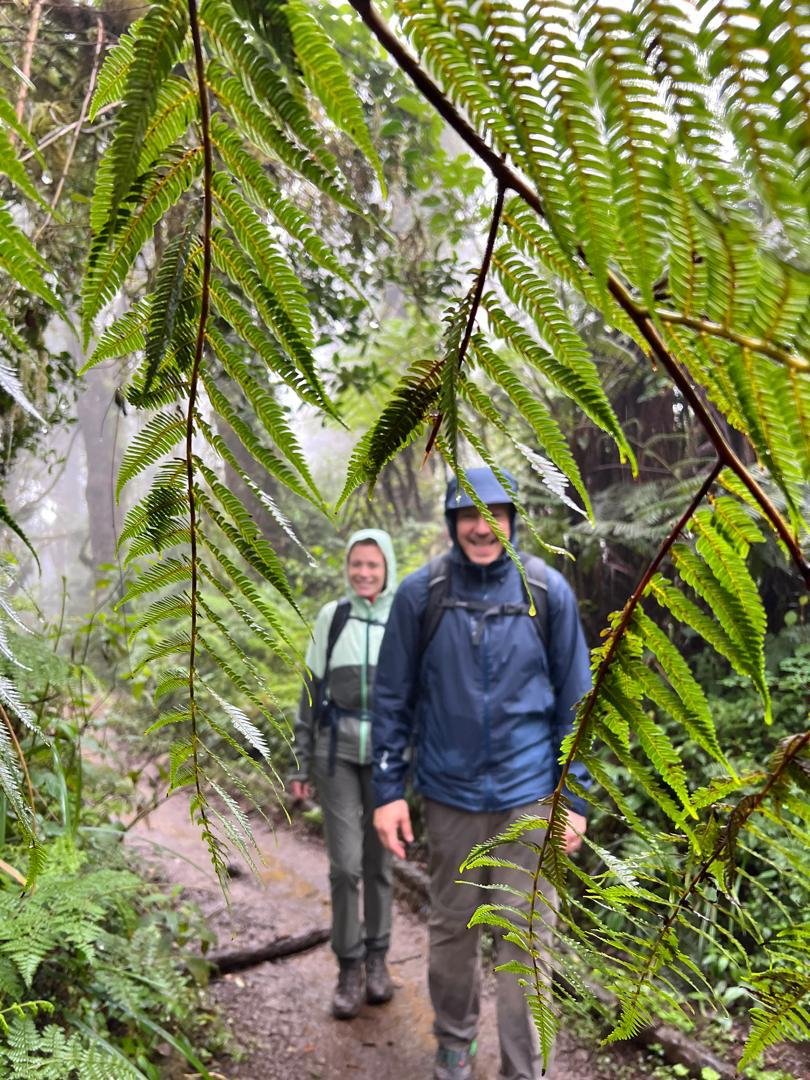
Instead of asking for the “number one” route, match the trail to your priorities. These six shortcuts help narrow the decision without pretending one route fits everyone.
Compare longer itineraries before choosing the shortest route.
Strong landscape variation and famous southern-circuit landmarks.
Both spend meaningful time away from the busiest southern trails.
The principal route for climbers who do not want tented camps.
Longer itineraries create a less compressed expedition rhythm.
A specialist route for experienced, well-prepared trekkers.
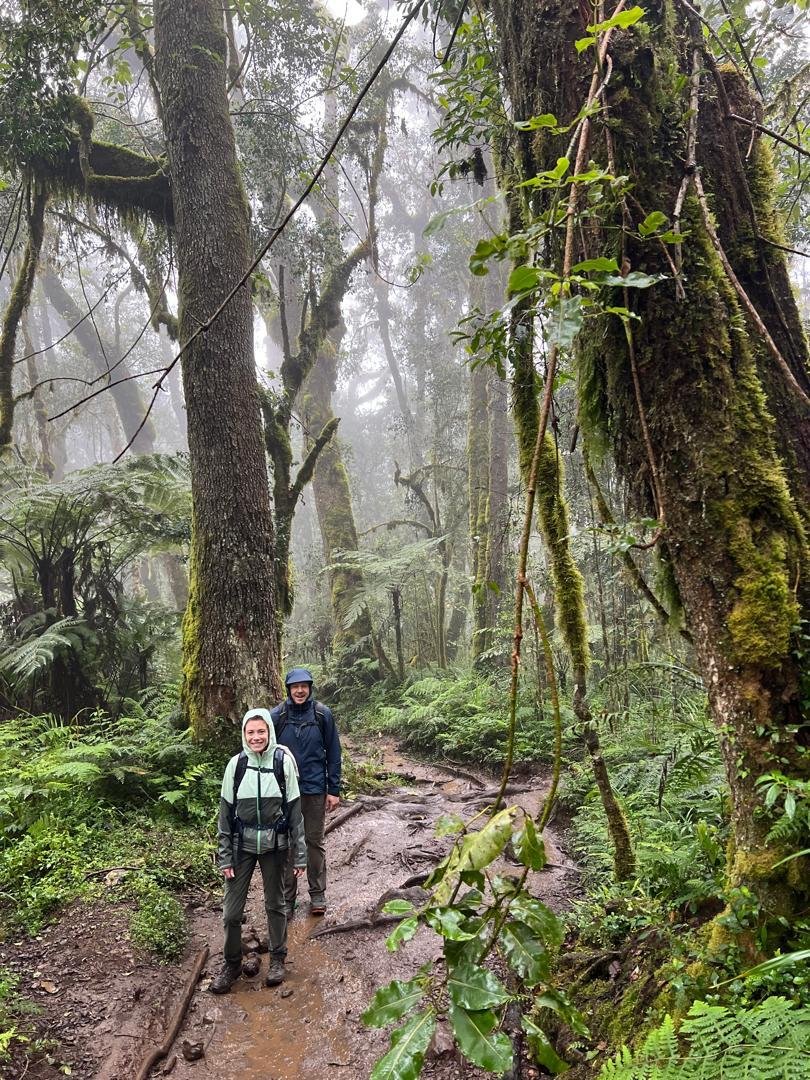
Lemosho enters Kilimanjaro from the west and gives the mountain time to unfold. The early days move through rainforest and open onto the Shira Plateau before the route bends toward the southern side of Kibo. It feels like a journey across Kilimanjaro rather than a direct push upward.
Seven- and eight-day Lemosho itineraries are popular because they combine varied scenery with a less compressed altitude profile. Climbers normally continue through Shira, Lava Tower, Barranco, Karanga and Barafu, creating natural changes in landscape, elevation and camp atmosphere before summit night.
Choose Lemosho when you want scenery, time and a complete mountain experience. It is especially strong for travellers who prefer a measured itinerary and are willing to invest an extra day or two instead of choosing the shortest possible climb.
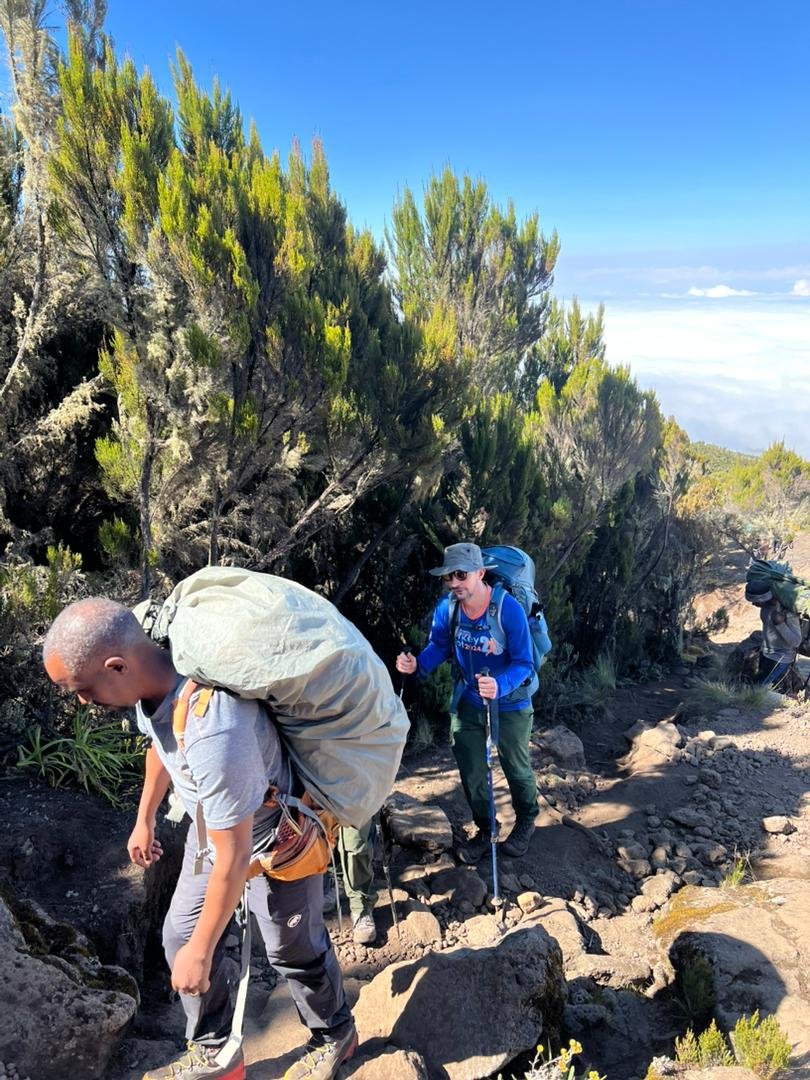
Machame begins on Kilimanjaro’s southern side and quickly develops a strong sense of progression. Forest gives way to moorland, volcanic terrain and the exposed high mountain as the trail moves through Shira, Lava Tower, Barranco, Karanga and Barafu.
Six-day programs exist, but the seven-day Machame itinerary is the better comparison point for many climbers because it adds valuable time to the route. The trail includes natural altitude variation, but the benefits depend on pacing, health, weather and the way the itinerary is managed.
Choose Machame when you want a famous route for the right reasons: varied terrain, memorable landmarks and a true expedition feel. It remains demanding, and its popularity should never be confused with being easy.
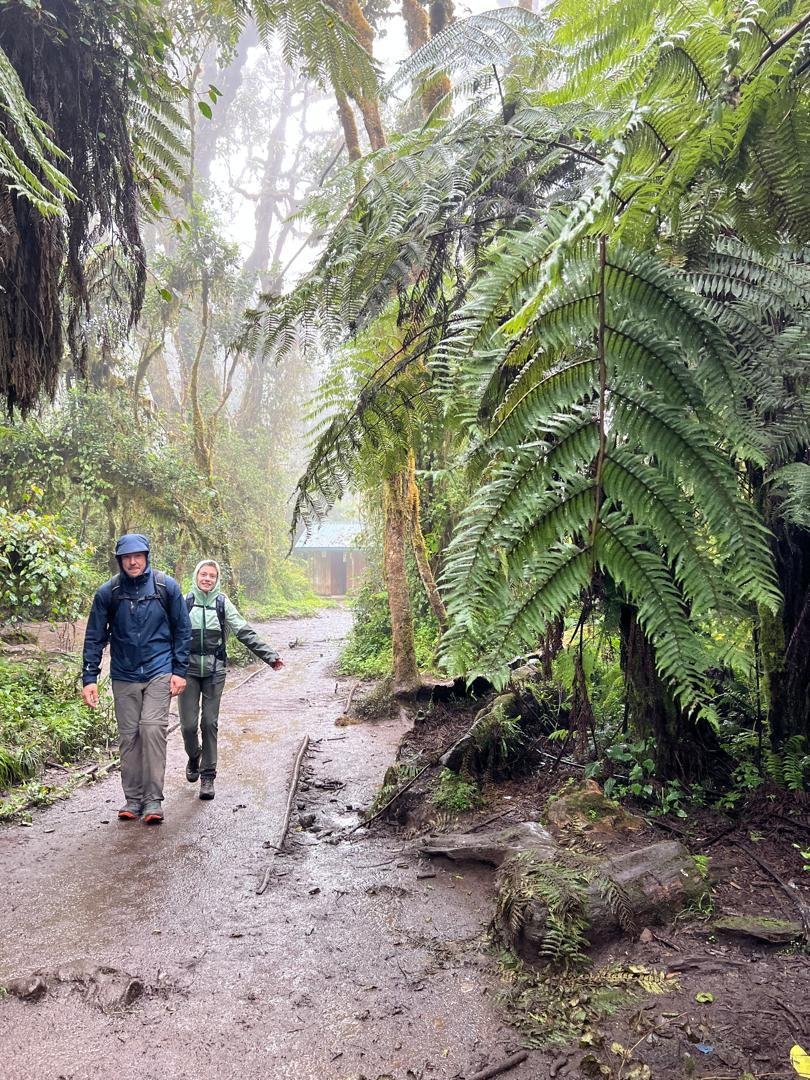
Marangu is different from the other five routes because climbers normally sleep in permanent mountain huts. The route rises through Mandara and Horombo toward Kibo before the summit attempt, then descends on the same side of the mountain.
The five-day version is highly compressed. Where time allows, a six-day Marangu itinerary creates a more sensible rhythm and additional acclimatisation opportunity. Hut accommodation changes the overnight experience, but it does not remove the effects of high altitude.
Choose Marangu because the hut-based format genuinely suits you—not because it is sometimes described as easy. The same 5,895-metre summit remains the objective, and pacing, preparation and altitude response remain central to the climb.
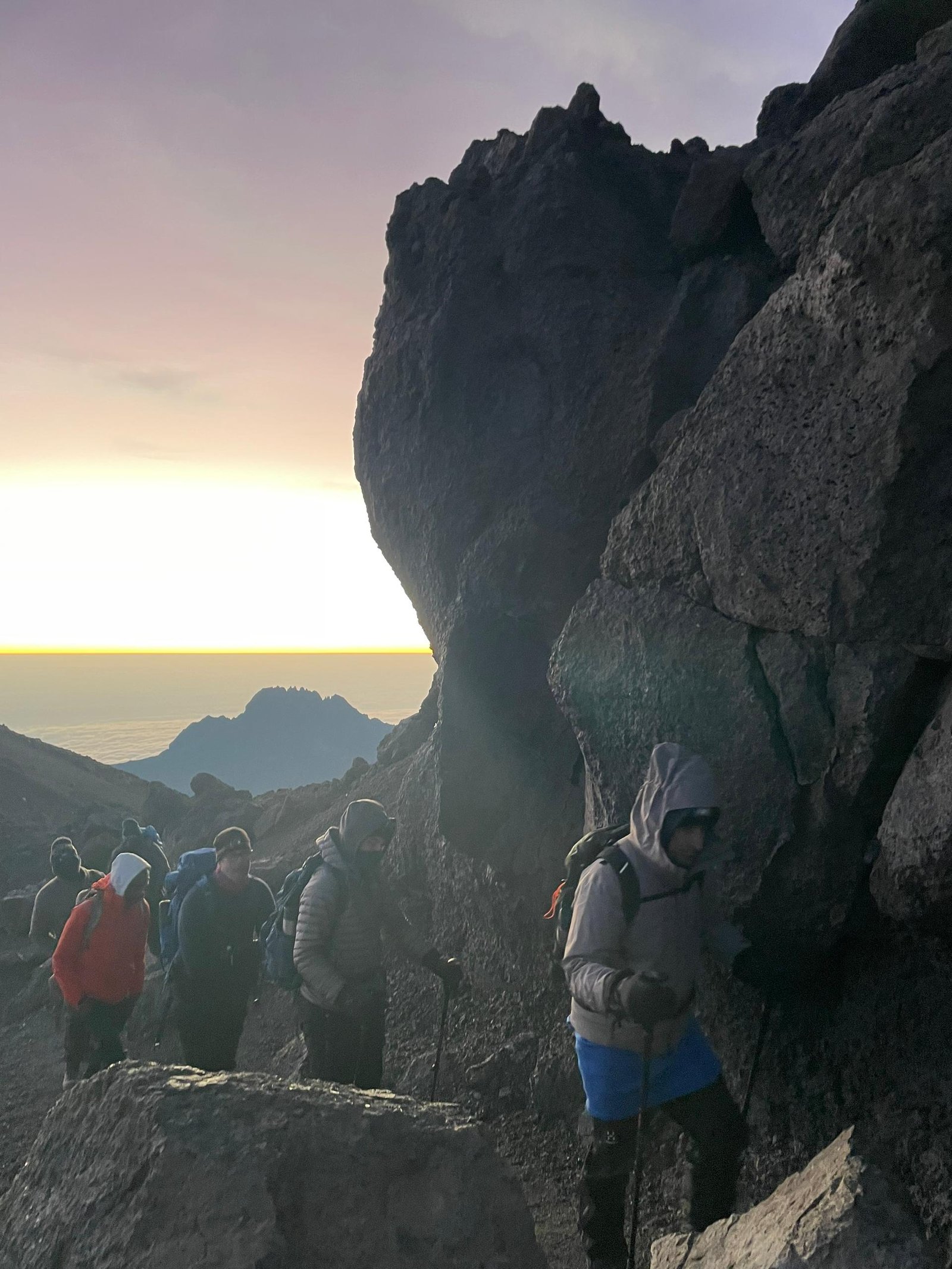
The Northern Circuit starts from the western side and then separates from the busy southern trail network, travelling around Kilimanjaro’s remote northern slopes. The longer traverse reveals broad views and gives the mountain a more spacious, expedition-like character.
Eight- and nine-day itineraries provide one of the longest standard time allowances available on Kilimanjaro. Extra days do not guarantee the summit, but they reduce unnecessary compression and give guides more opportunity to observe how each climber responds to altitude.
Choose Northern Circuit when time is an advantage rather than a limitation. It works particularly well for private groups, photographers and travellers who want the climb itself to be the centrepiece of their Tanzania journey.
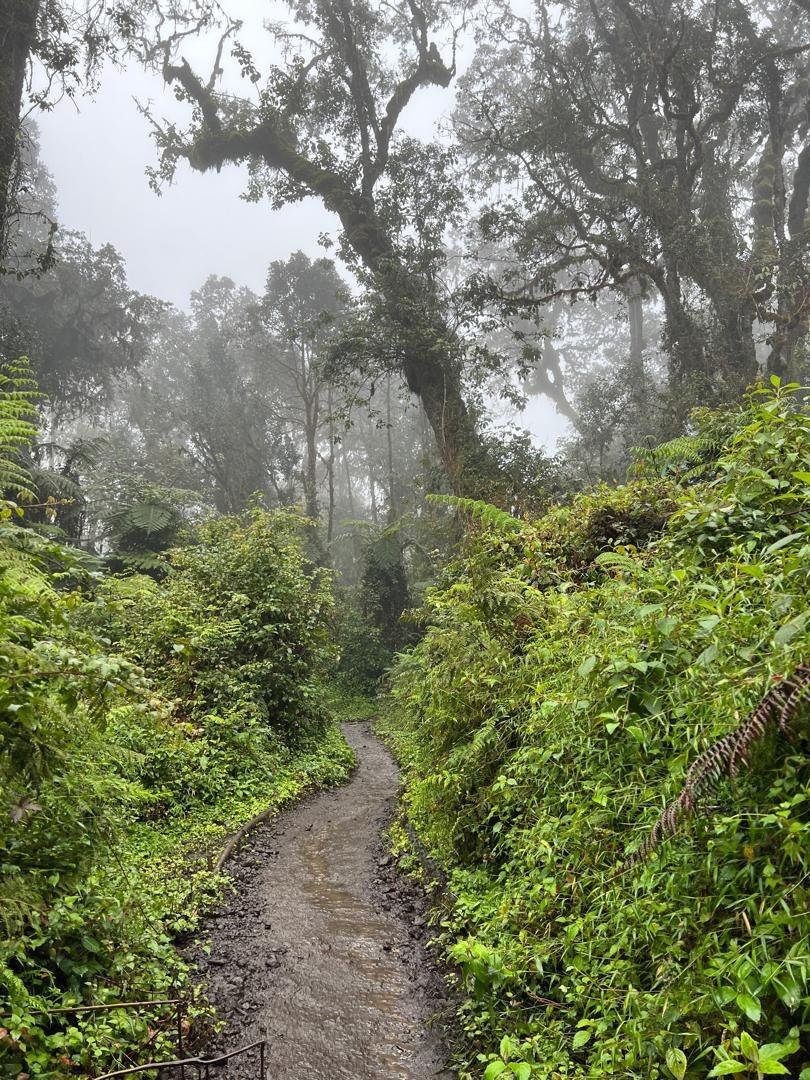
Rongai approaches Kilimanjaro from the north, where the early trail often feels quieter and more open than the classic southern routes. The route develops steadily across the mountain before meeting the upper summit approach and normally descending through Marangu.
Six- and seven-day programs are common. For many climbers, the seven-day itinerary is the stronger planning choice because the additional time reduces the pressure of a more compressed schedule and gives the expedition a more comfortable rhythm.
Choose Rongai if the northern approach appeals to you, if you value a quieter beginning or if you want an alternative to the better-known southern routes without committing to the long Northern Circuit.
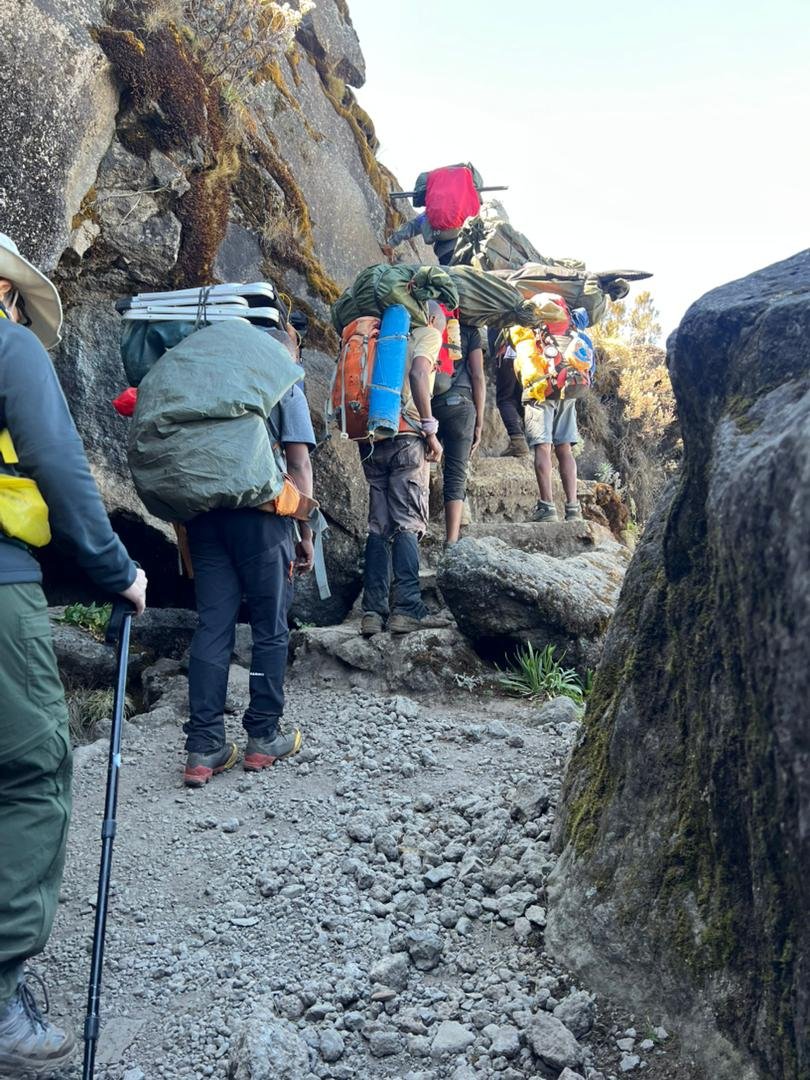
Umbwe gains elevation quickly from the southern side and feels serious from the first trekking days. The trail is steeper and more direct than the gradual routes, eventually connecting with the southern circuit higher on the mountain.
Good fitness is valuable, but fitness does not make anyone immune to altitude. That distinction matters on Umbwe because the route’s early profile gives the body less time to adjust than longer, more gradual approaches.
Choose Umbwe only after an honest discussion about your trekking background, preparation and altitude experience. For most first-time Kilimanjaro climbers, longer alternatives deserve comparison before Umbwe is selected.
The route name gets attention, but itinerary length changes the climb just as much. More time does not guarantee the summit, yet it can reduce unnecessary compression and give the body more time to respond to altitude.
Very compressed and most associated with short Marangu schedules. It leaves little room for a relaxed altitude progression.
Available on several routes. More workable than five days, but still more compressed than longer itineraries.
A popular balance for Lemosho, Machame and Rongai and a strong starting point for many climbers.
Common on Lemosho and Northern Circuit when travellers deliberately want more time and a calmer rhythm.
Most strongly associated with Northern Circuit and travellers who prioritise a long mountain journey.
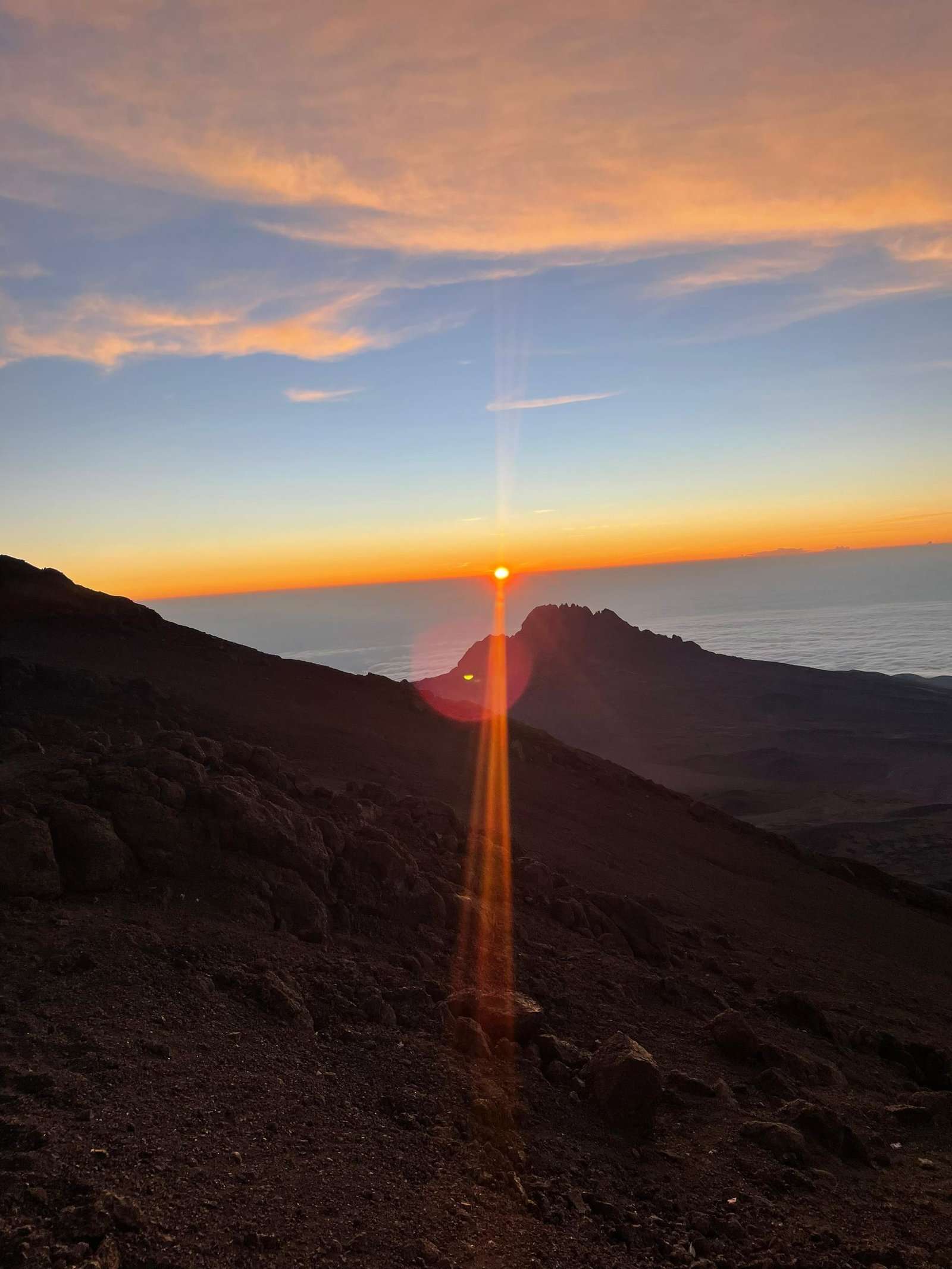
Even a well-designed itinerary must adapt to the climbers actually on the mountain. Guides monitor pace, symptoms, weather, camp timing and how each person is responding as altitude increases.
Any route decision can be paired with the climbing style that suits your party, preferred dates and social experience.
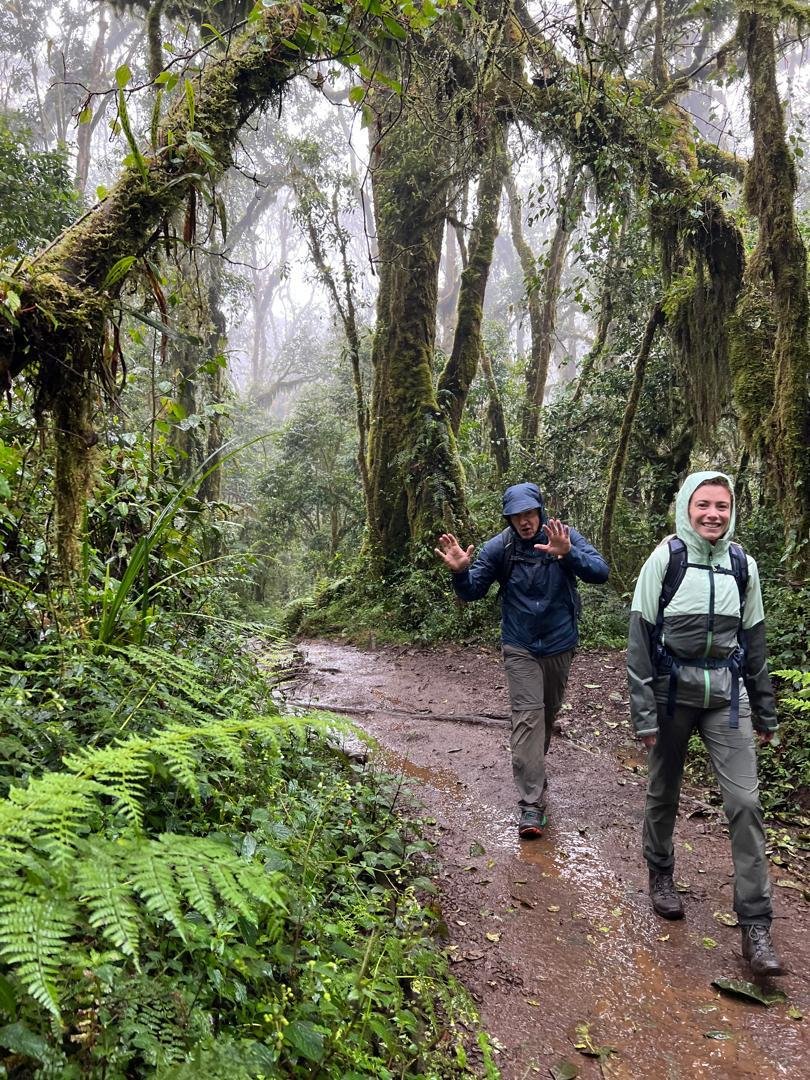
More control over dates, group setup and the way the itinerary is planned around your travelling party.
Explore Private Climbs
Join a scheduled departure and experience the route with other trekkers following the same mountain program.
Explore Group ClimbsThese answers are deliberately deeper than one-line FAQ filler and target the real decisions climbers make before booking Kilimanjaro.
For a first Kilimanjaro climb, compare longer itineraries before choosing the shortest route. Seven- or eight-day Lemosho, seven-day Machame and the Northern Circuit are popular starting points because they give more time for pacing, recovery and gradual altitude exposure.
Acclimatisation depends on the exact itinerary, not only the route name. Eight- or nine-day Northern Circuit and seven- or eight-day Lemosho provide generous mountain time, while longer Machame and Rongai programs generally give climbers more breathing room than compressed alternatives.
No Kilimanjaro route is truly easy at 5,895 metres. Marangu has huts and some straightforward trail sections, but its shorter schedules can be demanding. A longer route may involve more walking while giving your body more time to adjust to increasing altitude before summit night.
Lemosho and Machame are commonly compared for scenery because they cross rainforest, moorland, volcanic terrain and the southern circuit. Northern Circuit adds remote northern views, while Rongai gives a different perspective from the drier side of Kilimanjaro. Weather also shapes what you see.
Northern Circuit normally offers the longest quieter sections because it spends substantial time around Kilimanjaro’s northern slopes. Rongai can also feel less busy during its early days. Trail traffic changes by season, departure date and where routes merge, so no route can be guaranteed empty.
Neither route is automatically better. Lemosho usually gives you a longer western approach and is often planned over seven or eight days. Machame begins on the south and is commonly six or seven days. Compare time, scenery, trail style and your altitude strategy before choosing.
Seven days is a strong planning point for several routes, while eight days can create an even less compressed mountain rhythm on Lemosho or Northern Circuit. The better choice depends on your route, trekking background, travel schedule, recovery needs and how much time you want to spend on Kilimanjaro.
Hut accommodation changes comfort and logistics, but it does not make altitude easier. Marangu still reaches the same 5,895-metre summit and follows a relatively direct profile. If you prefer huts, consider the six-day itinerary rather than choosing Marangu simply because it is sometimes called the easy route.
Age alone does not determine route suitability. Older climbers who are medically cleared and well prepared often prefer longer itineraries that reduce unnecessary rushing. Fitness, recovery, altitude history, current health and guide advice are more useful decision factors than a simple age category.
Solo travellers can join a scheduled group climb or book a private departure. Lemosho and Machame often provide attractive group options, while a private climb gives more control over dates and itinerary. Choose the route first from altitude, days and scenery, then decide the group format.
The standard Kilimanjaro routes are trekking routes and normally do not require ropes, ice climbing or advanced mountaineering techniques. You still need good cardiovascular fitness, suitable equipment, mental preparation and respect for altitude, cold, long trekking days and summit-night fatigue.
Yes. Lemosho, Machame, Marangu, Northern Circuit, Rongai and Umbwe can all be combined with a post-climb Tanzania safari. Many travellers rest after the mountain before visiting Tarangire, Ngorongoro, Serengeti or other parks, and some extend the journey to Zanzibar.
Explore route choices, head-to-head comparisons, climbing days, difficulty and traveller-specific questions in four compact tabs. Each topic links to a relevant Kilimanjaro guide without turning the bottom of the page into a wall of text.
Compare all six approaches by duration, scenery, sleeping style and altitude profile.
Read related guide →Choose from the experience and itinerary that fit you rather than from popularity alone.
Read related guide →Balance days, acclimatisation, scenery, comfort and your previous trekking experience.
Read related guide →Longer Lemosho, Machame and Northern Circuit options are useful starting comparisons.
Read related guide →Lemosho and Machame are strong scenery choices, while Northern adds remote terrain.
Read related guide →Northern Circuit and Rongai generally provide quieter trail sections.
Read related guide →Marangu is the principal Kilimanjaro route using permanent mountain huts.
Read related guide →Lemosho, Machame, Northern Circuit, Rongai and Umbwe normally use tented camps.
Read related guide →Work directly with a Tanzania-based mountain team for route planning and climb logistics.
Read related guide →Compare routes around available days, altitude strategy and the style of climb you want.
Read related guide →Western approach and longer pacing versus the classic southern circuit.
Read related guide →Both begin west, but Northern continues around quieter northern slopes.
Read related guide →Camping and varied southern terrain versus huts and a more direct profile.
Read related guide →Northern camping approach versus southeast hut-based climbing.
Read related guide →Long northern traverse versus a shorter direct northern approach.
Read related guide →Scenic western traverse versus a quieter northern start.
Read related guide →Classic southern progression versus steeper early altitude gain.
Read related guide →Hut accommodation and a direct ascent versus longer camping and broader scenery.
Read related guide →Compare longer scenic camping with a traditional hut-based ascent.
Read related guide →A classic one-week route versus a longer, quieter expedition around the mountain.
Read related guide →The most compressed standard schedules deserve careful altitude consideration.
Read related guide →Available on several routes but still more compressed than longer options.
Read related guide →A popular duration for Lemosho, Machame and Rongai itineraries.
Read related guide →Common on Lemosho and Northern Circuit when more mountain time is preferred.
Read related guide →Most strongly associated with the long Northern Circuit expedition.
Read related guide →No route is easy at 5,895 metres; duration and altitude profile matter more than labels.
Read related guide →Umbwe is generally considered the steepest mainstream approach.
Read related guide →Longer Northern Circuit and Lemosho itineraries provide more time for adaptation.
Read related guide →Compare steepness, total days, summit night and altitude gain rather than distance alone.
Read related guide →Avoid guarantees; pacing, health, weather, duration and individual altitude response all matter.
Read related guide →Prioritise health, recovery, preparation and an itinerary that avoids unnecessary rushing.
Read related guide →Choose the route first, then decide between a scheduled group or private departure.
Read related guide →Private Lemosho or Machame climbs can provide a flexible shared expedition.
Read related guide →Match the route to the group’s fitness, experience and available mountain days.
Read related guide →All six main routes can be arranged privately around your own travel party.
Read related guide →Popular routes can be joined on scheduled departures with other trekkers.
Read related guide →Longer scenic itineraries provide more varied landscapes and time on the mountain.
Read related guide →Compare Umbwe, Machame and longer expeditions according to altitude experience and goals.
Read related guide →A Tanzania-based team can support route planning, mountain logistics and local operations.
Read related guide →Season influences trail conditions, visibility, temperatures and the overall mountain atmosphere.
Read related guide →