
6 Days6-Day Zanzibar Stone Town and East Coast Beach Holiday
Historic Stone Town followed by a slower East Coast beach stay around areas such as Paje, Jambiani, Bwejuu or Michamvi.
View Trip Package →

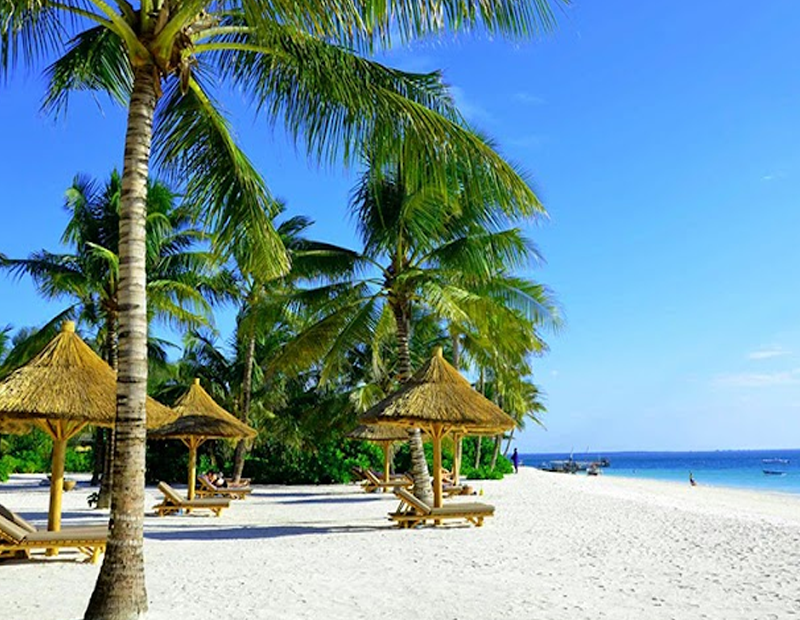
Choose the East Coast for long beaches, a slower island pace and a shoreline that visibly changes with the tide—then select the village and hotel that match how quiet or active you want the stay to feel.
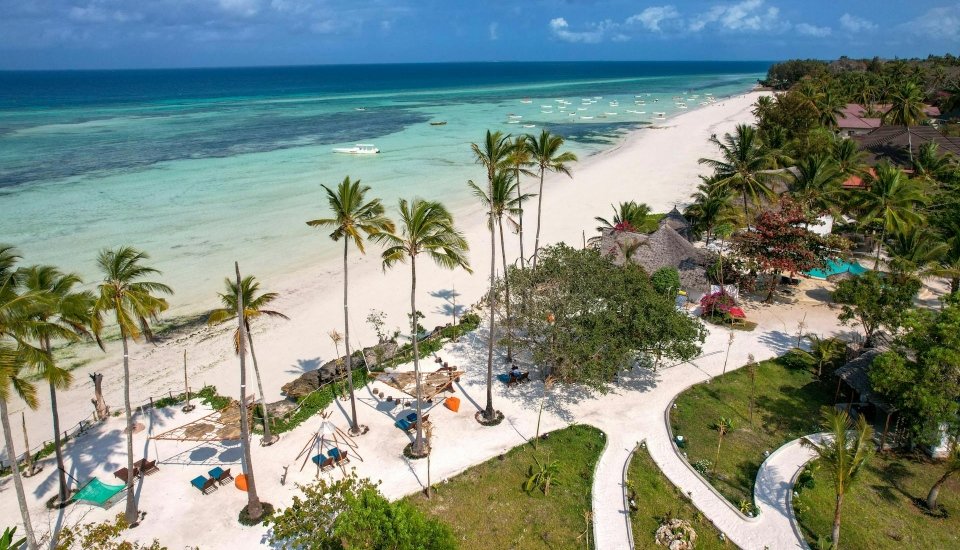
On parts of Zanzibar’s East Coast, low tide can pull the water far away from the shore and reveal broad reef-flat landscapes. Later, the sea returns and the whole beach looks different. That change is not a problem to hide—it is one of the defining features of the coast.
Travellers who enjoy space, long beach walks and a slower resort rhythm often love this part of Zanzibar. Travellers whose main priority is deep-water swimming directly in front of the hotel at every hour should discuss exact beach conditions before booking.
Area names also matter. Paje, Jambiani, Bwejuu and Michamvi share an East Coast identity, but hotel style, village activity and the feeling of isolation can differ considerably.
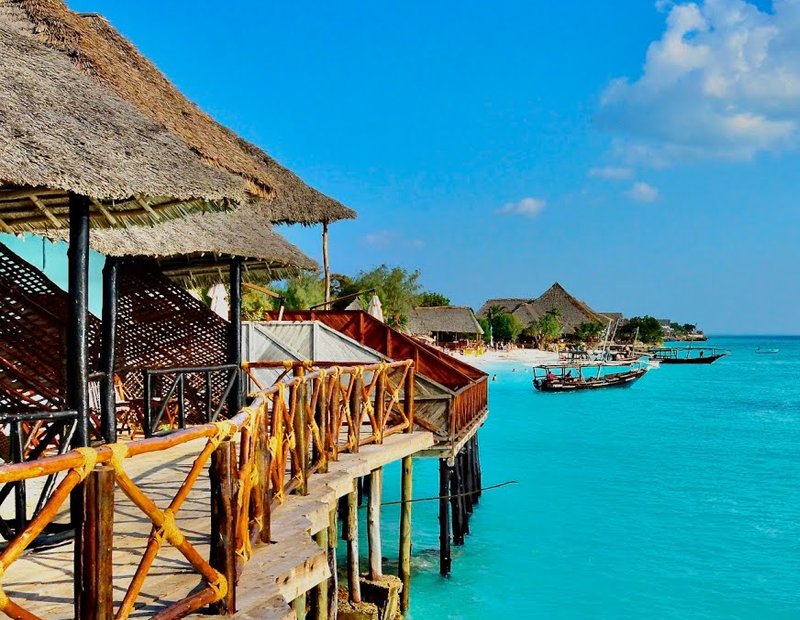
Every destination below has an image and a distinct role in the page. The goal is to help travellers choose the part of the East Coast that fits their pace before they compare packages.
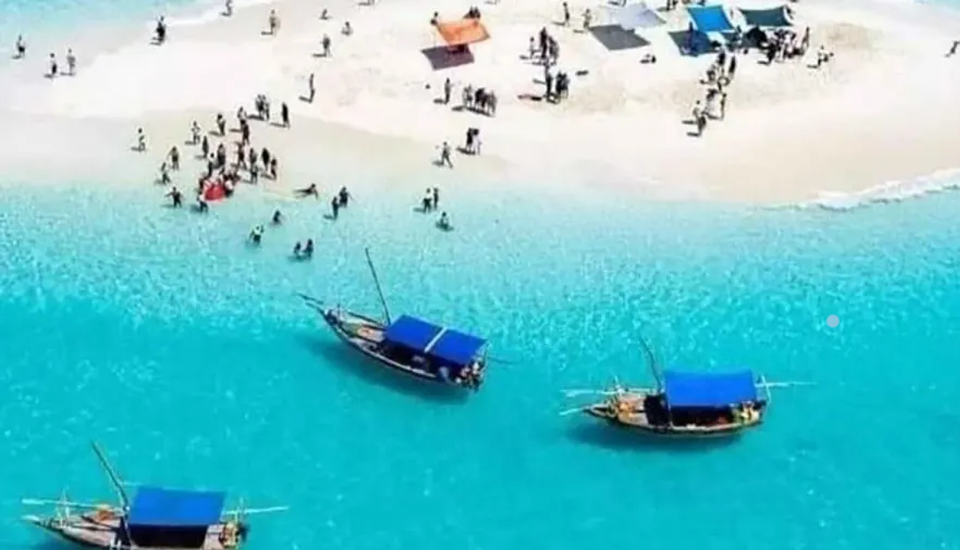
A more active East Coast base with visible water-sports energy, cafés and an easy link to the wider southeast coast.
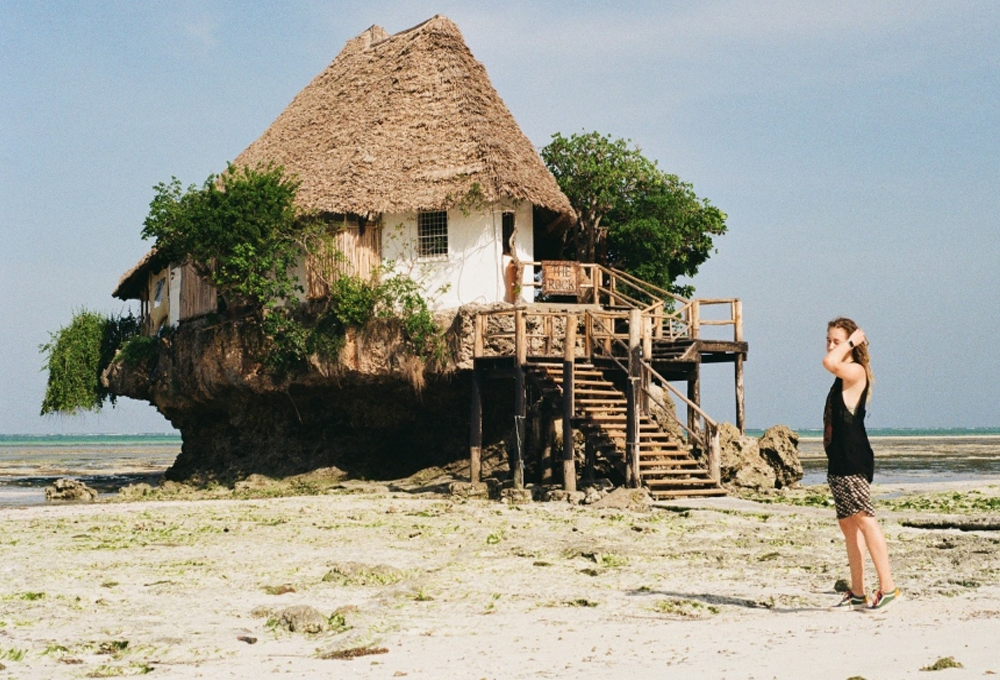
Long village-backed coastline and a slower feel for travellers who want more beach rhythm than resort bustle.

A quieter option near the wider southeast coast, useful when the hotel itself is a major part of the holiday.
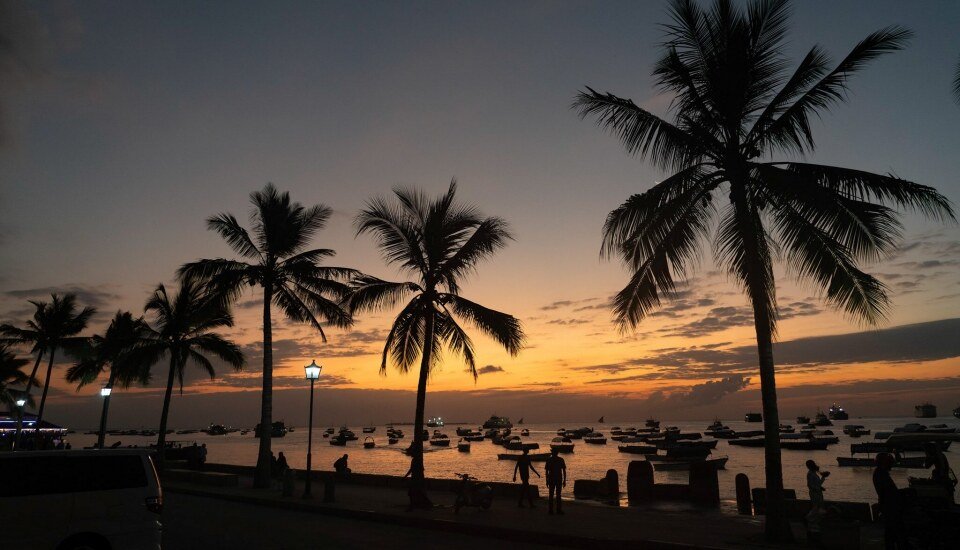
A more removed feel for travellers who want a coastal base with fewer reasons to leave the property every day.
The first options include the East Coast directly; the others are useful Zanzibar stays to compare when you are deciding how much beach time, culture, romance or luxury belongs in the trip.
6 DaysHistoric Stone Town followed by a slower East Coast beach stay around areas such as Paje, Jambiani, Bwejuu or Michamvi.
View Trip Package →
8 DaysSeven nights based around an East Coast stay with selected cultural or nature experiences and full beach days.
View Trip Package →
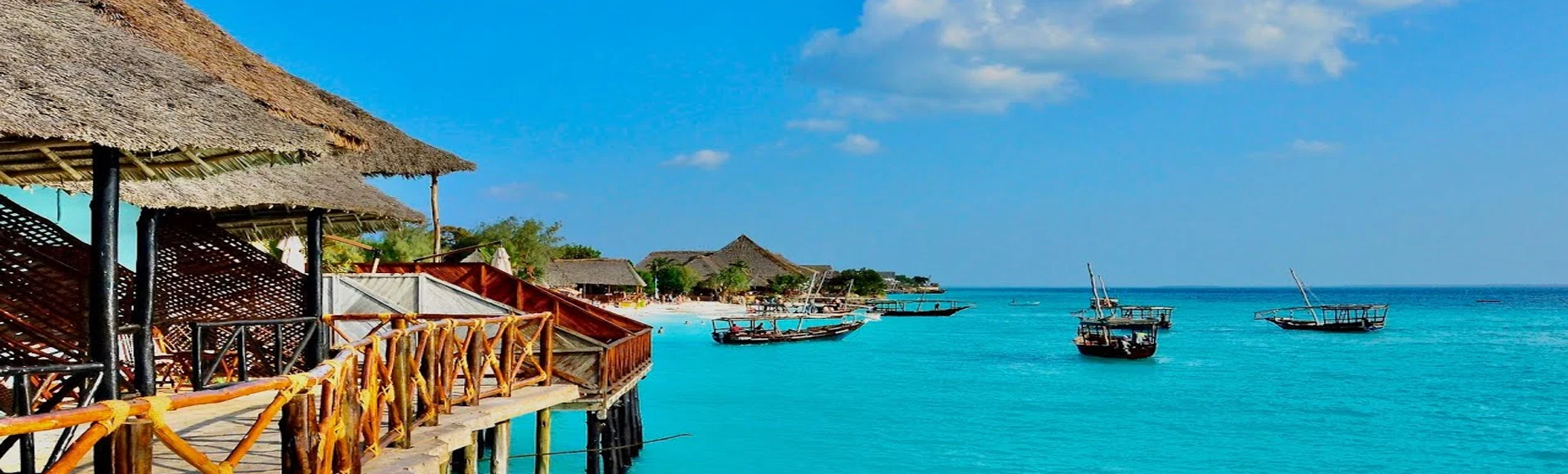
10 DaysA fuller multi-area itinerary combining Stone Town, selected beach areas, culture and deliberately unhurried island time.
View Trip Package →
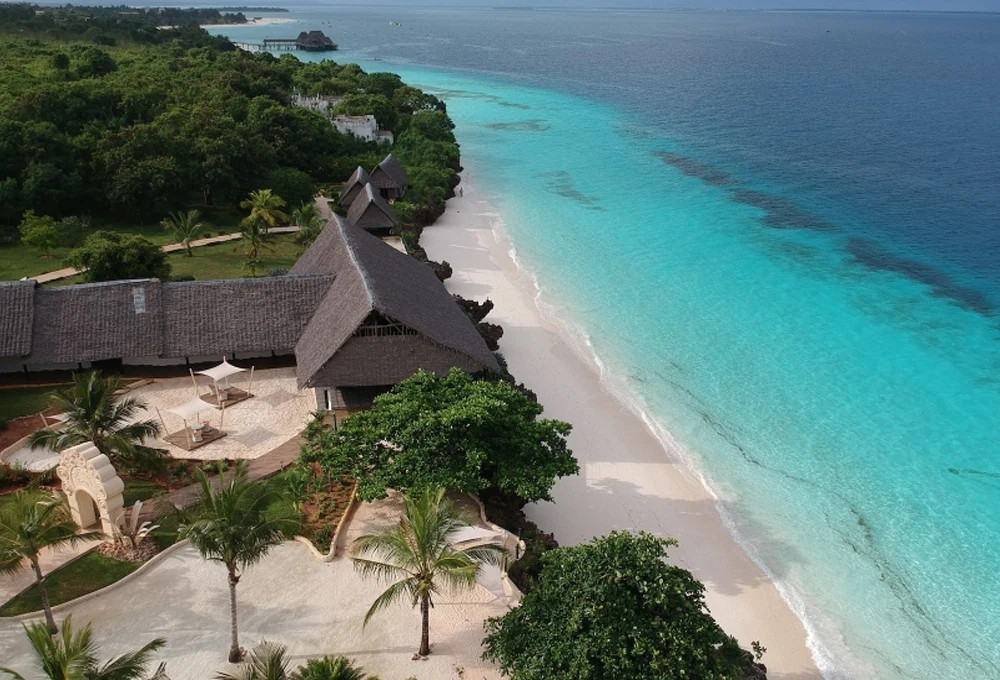
7 DaysA longer resort-led Zanzibar stay for travellers who want more time to enjoy the beach and hotel.
View Trip Package →
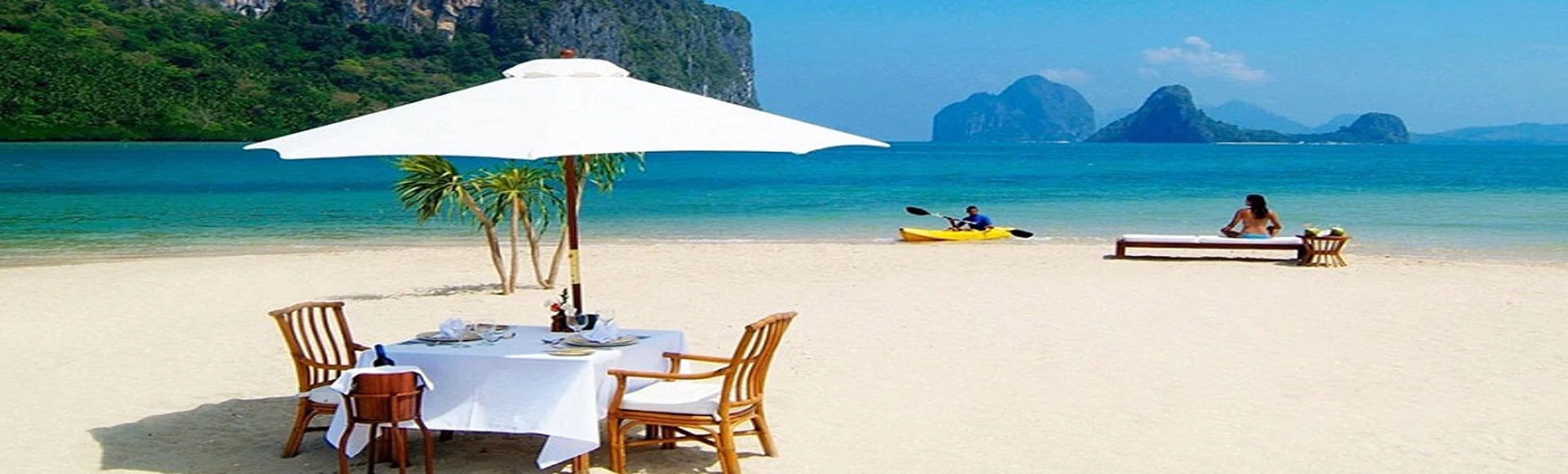
4 DaysA compact beach-first holiday for travellers who want a simple Zanzibar stay without overloading the schedule.
View Trip Package →
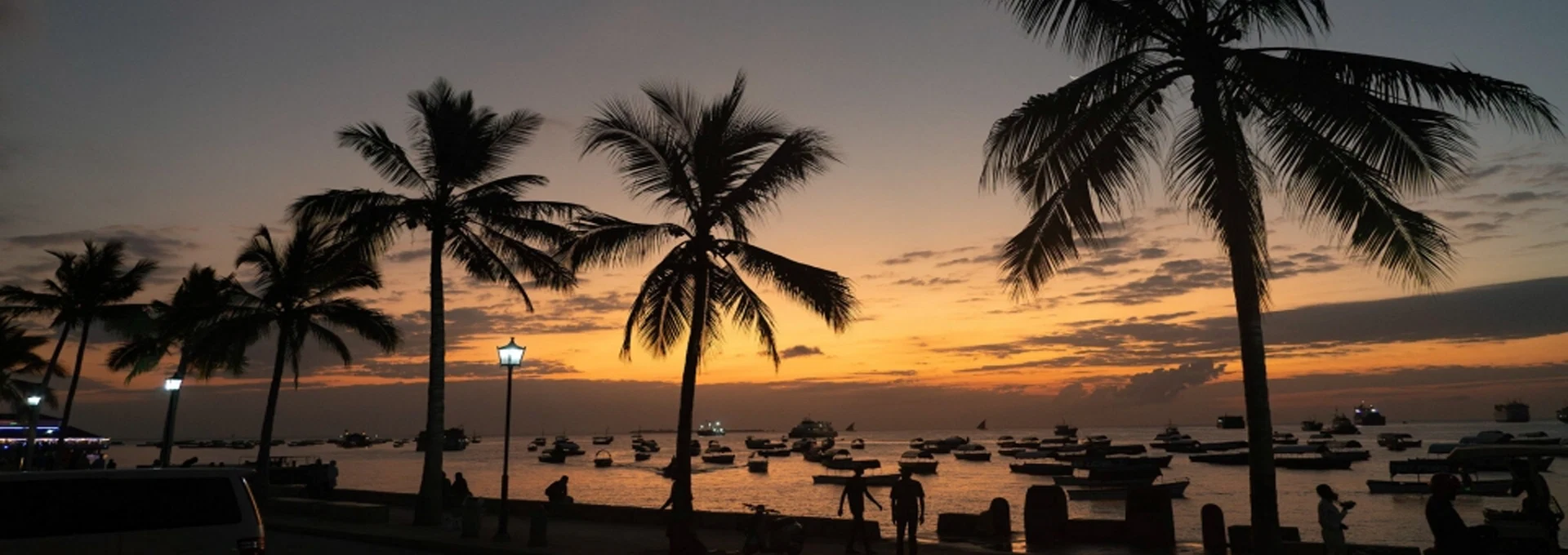
6 DaysA longer romantic retreat with several free resort days and optional special experiences.
View Trip Package →
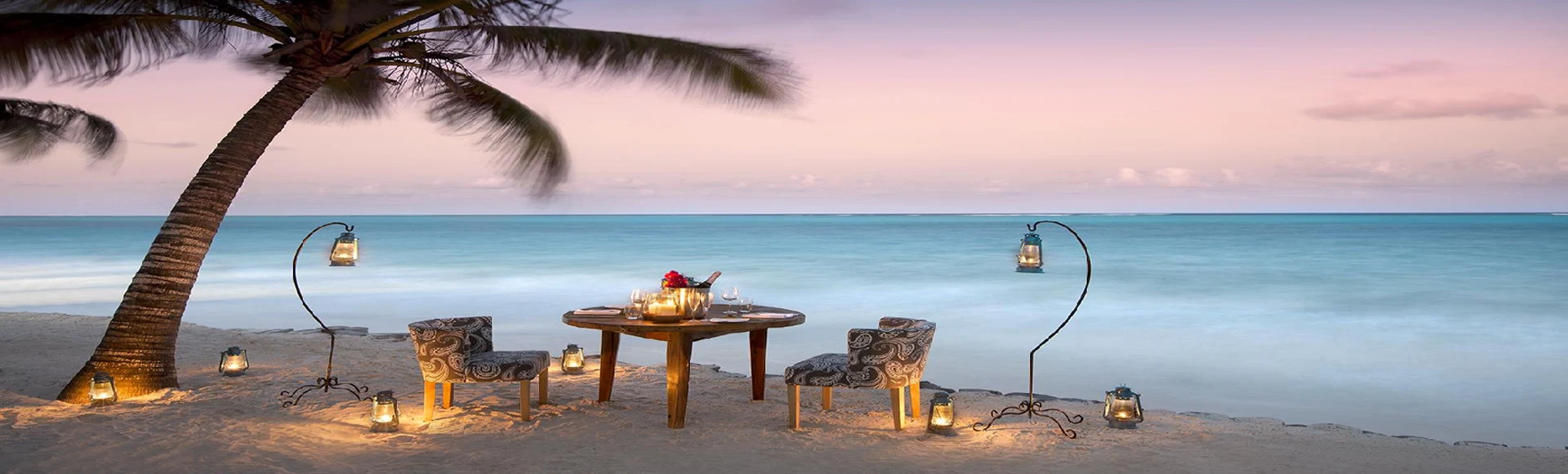
5 DaysA romantic island stay with plenty of couple time and optional private experiences.
View Trip Package →
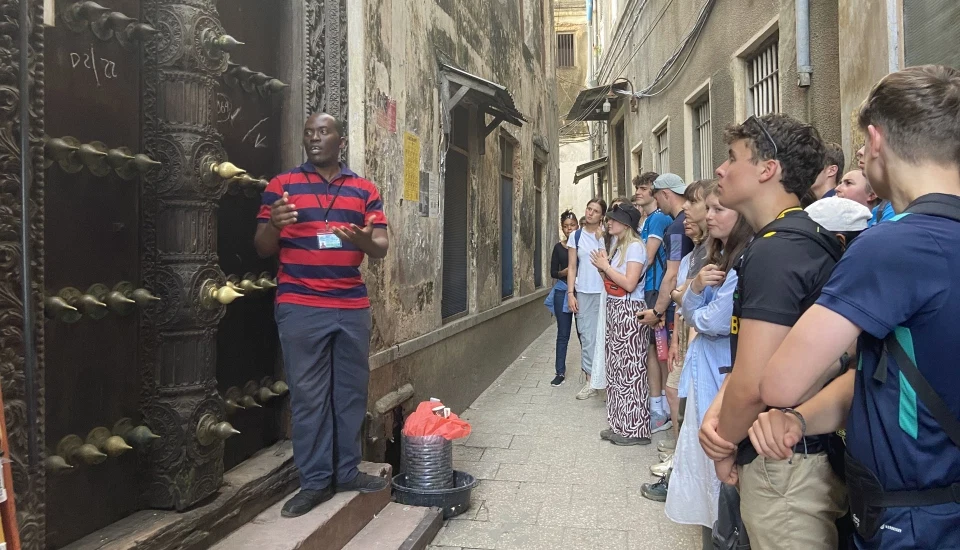
3 DaysA short island escape combining a guided Stone Town experience with relaxed beach time.
View Trip Package →The East Coast is most rewarding when you understand that the beach is dynamic. Low tide, incoming water, higher tide and falling water each create different conditions.
The sea may retreat significantly in some areas, exposing a broad reef flat and changing direct swimming access.
The beach begins to change again as water returns, which can improve swimming access depending on the exact shore and sea state.
The coast feels fuller and closer to the classic tropical beach image, but waves and local conditions still matter.
The landscape opens again. Beach walks and the visual character of the coast can become as important as swimming.
Better when you like some energy around you, want access to cafés and are interested in wind-dependent water sports or a more social East Coast base.
Better when you like a long lived-in coastline, beach walks and a slower atmosphere that still has local businesses and activity.
Better when the resort is central to the stay and you want a quieter position within the wider southeast-coast area.
Better when you want a more removed setting and are comfortable letting the hotel, ocean and surrounding landscape carry most of the day.
Useful only when you have enough nights. Moving hotels every two days can destroy the slow pace that makes the East Coast attractive.
Often the best choice for short holidays. Choose the right property once, then spend the saved transfer time actually enjoying the coast.
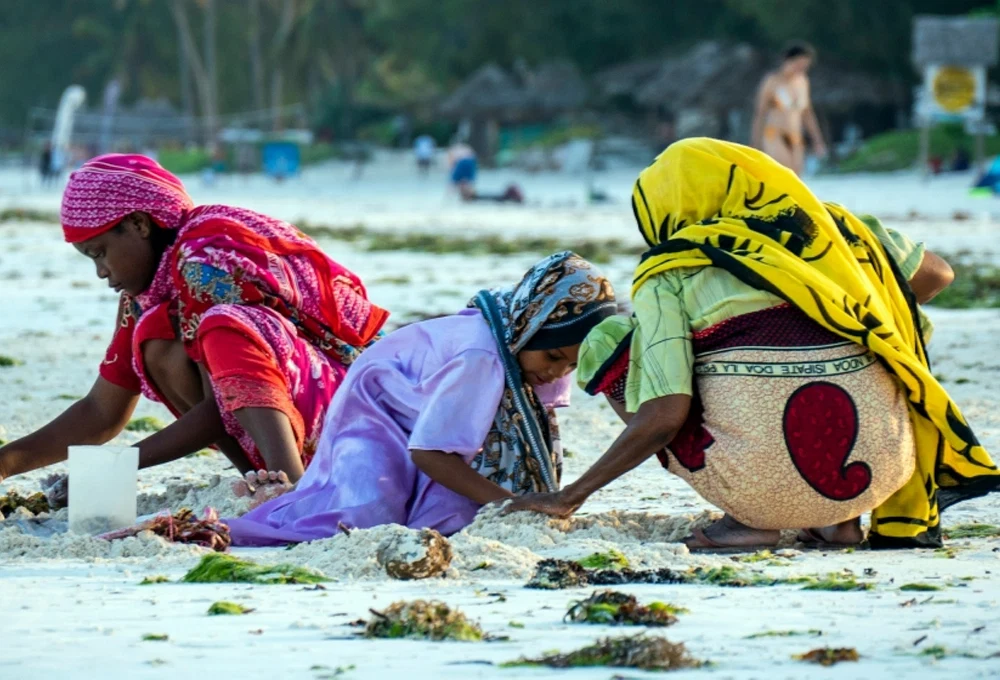
Everyday Safaris’ 8-Day East Coast Beach and Culture Holiday can include selected village, seaweed or nature experiences, depending on the final itinerary and local availability.
These experiences are most meaningful when they remain real community interactions rather than staged performances. Ask permission before photographing people, listen to the host or guide and avoid treating working coastal livelihoods as background scenery.
Keep the visit proportionate. One thoughtful local experience can add far more value than filling every beach day with activities simply to make the itinerary look busy.
Use local advice and understand the tide at the exact hotel. Swimming quality can change substantially through the day.
Some East Coast areas are known for wind-dependent activities, but availability and suitability change with conditions and operator decisions.
Marine trips should remain optional and are subject to weather, sea state, tides and safety advice.
No dolphin, reef or other marine wildlife encounter can be guaranteed. Responsible operators avoid chasing animals for a promised sighting.
Leave at least one completely open day. The East Coast is one of the places where doing less is part of the destination.
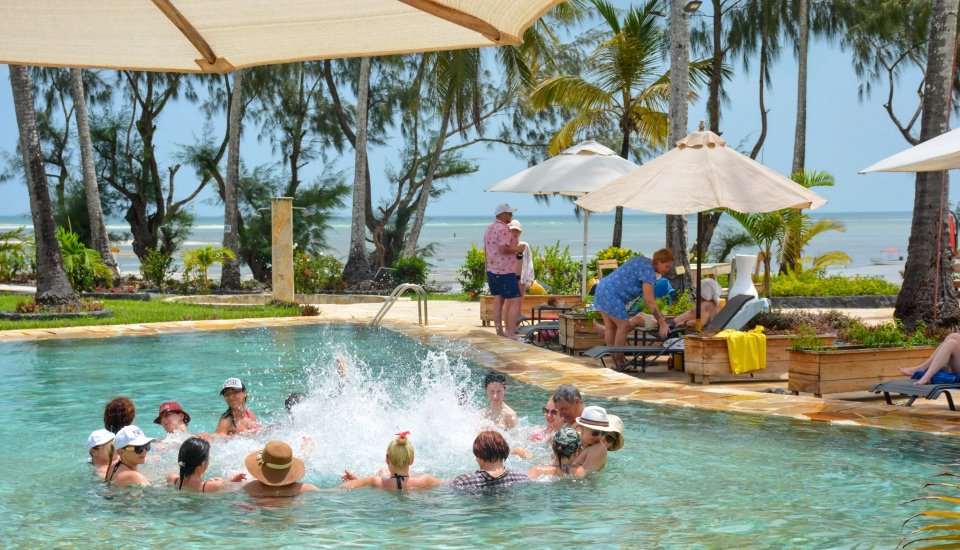
Pool, shade, restaurants and comfortable communal spaces become more valuable when lower tide changes how you use the immediate beach.

The 6-Day Stone Town and East Coast Beach Holiday combines the old city with several slower coastal days, while the 8-Day East Coast Beach and Culture Holiday can bring Stone Town into a longer beach-led itinerary.
Use Stone Town first when you want culture and history before the beach. Use it later when you prefer to recover on the coast first and finish closer to the airport or ferry terminal.
The transfer can also be an opportunity for a confirmed spice, Jozani-area or local stop, but those additions should only appear when they fit the route and are included in the quotation.
On the East Coast, a beautiful room is only one part of the decision. Think about pool access, shade, dining, room position, village access and whether the property still feels enjoyable when the sea is far from the shore.
Ask about the exact character of the beach rather than assuming every East Coast property has the same reef, swimming access or tidal effect.
These become useful parts of the day when the tide is low or the afternoon is hot.
Some travellers want to walk to cafés and local businesses; others prefer a more self-contained resort.
Ask how the property works at both high and low tide. A hotel can be excellent even when the water retreats a long way, provided the pool, shade, restaurant, room design and surrounding beach still make the middle of the day enjoyable. That is a better question than asking whether the tide is simply “good” or “bad.”
Travellers interested in walking to cafés, local businesses or water-sports centres should also check the hotel’s real position within Paje, Jambiani, Bwejuu or Michamvi. Two properties carrying the same village name can create very different holidays.
Keep one base, protect at least two full beach days and avoid overloading the stay with distant excursions.
Enough time for Stone Town plus a beach stay or one cultural/nature experience without losing the sense of rest.
Better for travellers who want multiple free beach days and time for culture without making every day structured.
Allows Stone Town and more than one coast, provided hotel changes remain intentional rather than constant.
Long beach views and quieter properties can work beautifully for romantic stays that do not need a lively evening scene every night.
Several slow days create a clear contrast after early game drives, road travel and the focus required on safari.
The slower pace and open visual landscape can suit travellers who want physical recovery after the mountain.
The East Coast becomes more rewarding when you have enough time to let tides, weather and local routines shape the days naturally.
Village, seaweed and nature experiences can add context when they are arranged respectfully and kept proportionate to the beach stay.
If a quieter horizon matters more than constant nightlife, the East Coast is often a stronger match than the north.
At low tide, reef flats and shallow coastal habitats become more visible and accessible. That does not make them playgrounds. Avoid touching coral, disturbing marine life or removing shells and living material.
Village etiquette matters too: dress appropriately away from resort beaches, ask before photographing people, follow local hosts during community experiences and use marine or water-sports operators that take safety and environmental responsibility seriously.
Everyday Safaris uses East Coast planning around areas such as Paje, Jambiani, Bwejuu and Michamvi. These places share a broad coastal character—long beaches, visible tidal change and a slower island rhythm—but each area still feels different. Hotel position matters as much as the village name.
Tides are central to the East Coast experience. At lower tide the water can retreat far from the shore in some areas, revealing reef-flat landscapes and changing swimming conditions. At higher tide the sea returns closer to the beach. Travellers should choose the East Coast because they appreciate this changing landscape, not because they expect the shoreline to look the same all day.
Not in every location and at every tide. Swimming conditions depend on the exact beach, tide, sea state and local advice. Hotels and local operators can help guests understand the best times and places to swim. If constant deep-water swimming directly in front of the hotel is your highest priority, discuss that before choosing the property.
Paje is generally associated with more visible activity and water-sports energy, while Jambiani often appeals to travellers who prefer a longer village-backed coast and a slower feel. Exact atmosphere changes by hotel location, so choose the property rather than relying only on the village name.
Bwejuu is often chosen for a quieter resort feel near the wider Paje/Jambiani coast, while Michamvi can appeal to travellers looking for a more removed setting and a different coastal orientation. The best choice depends on transfer time, resort style and how isolated you want the stay to feel.
Four to six beach nights works well for many travellers. Everyday Safaris has a 6-Day Stone Town and East Coast Holiday and an 8-Day East Coast Beach and Culture Holiday. Longer stays are useful when you want full unscheduled beach days rather than packing culture, nature and marine experiences into a short visit.
Yes. The 6-Day Zanzibar Stone Town and East Coast Beach Holiday is built around exactly that combination. Stone Town adds history and architecture, while the East Coast changes the pace with beach time and a visible tidal rhythm.
Depending on the exact area and confirmed itinerary, options can include village walks, seaweed-farming visits, Jozani-area nature experiences, water sports or locally operated marine trips. Activities should be confirmed rather than assumed, and ocean activities depend on wind, tides, sea state and local safety decisions.
Yes, especially for couples who prefer long beaches, more space and a quieter visual field. Resort selection is important because the experience can range from boutique and intimate to larger beach properties. Couples who want a livelier evening scene may prefer the north coast.
Yes. Its slower pace can work especially well after an intensive mainland itinerary. After Kilimanjaro, the visible tidal landscape and quieter rhythm can feel restorative; after safari, several open beach days provide a clear break from early game drives and road travel.
Share your dates, number of nights, hotel style and how important swimming, culture, privacy or water sports are to you. Everyday Safaris can match the East Coast stay to the way you actually travel.
Compare Paje, Jambiani, Bwejuu, Michamvi, tides, trip length and travel style through direct links to relevant Everyday Safaris pages.
Paje, Jambiani, Bwejuu and Michamvi share East Coast character but offer different levels of activity, village access and resort isolation.
Choose the property and area together rather than deciding from the village name alone.
The East Coast should be chosen with its tidal rhythm understood from the beginning.
Swimming access can change by time and location, while lower tide reveals a completely different coastal landscape.
Seaweed, village and nature experiences add context when they are confirmed, respectful and not used to overfill the itinerary.
A single meaningful experience can complement several full beach days better than a daily excursion schedule.
The East Coast becomes more rewarding when you have enough nights to let beach days stay open.
Short trips need one base; longer trips can add Stone Town or a second coast without destroying the slow rhythm.
The East Coast suits couples, slower beach travellers, culture-curious visitors and people recovering after an active mainland itinerary.
The best version depends on whether you want a boutique hotel, a larger resort, village access, water sports or near-total quiet.