Understand guide leadership, porter roles, welfare, tipping and what organised groups should ask of a Tanzania ground team.
01What does the lead guide actually do?+
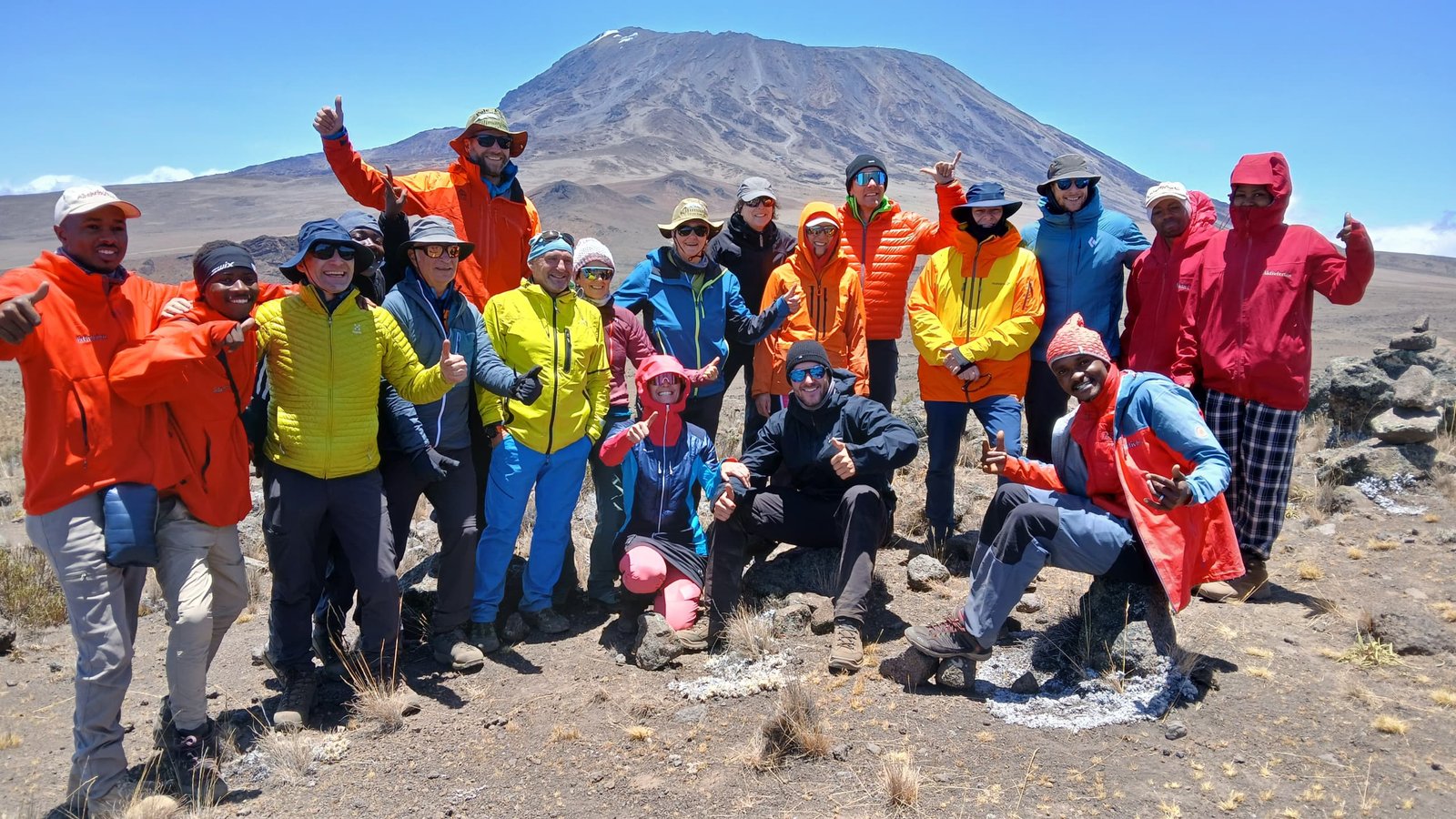
The lead guide manages far more than navigation. They coordinate pace, monitor climbers, interpret symptoms, organise the crew, make weather and route decisions, brief the group and decide when the itinerary needs to change for safety.Guide quality becomes most visible when conditions or health change. Ask how the lead guide communicates decisions, separates a struggling climber and coordinates assistant guides during a descent.
02Why are porters necessary on Kilimanjaro?+
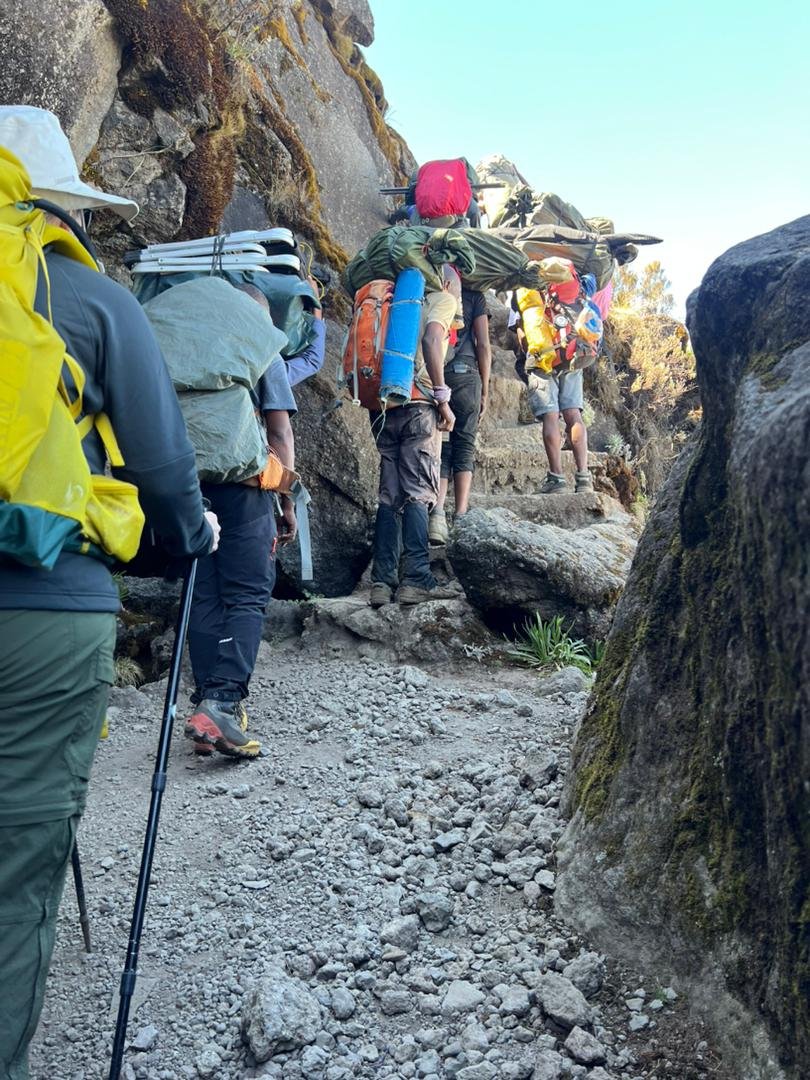
Multi-day expeditions need tents, food, cooking equipment, guest duffels and camp infrastructure moved between camps. Porters make that logistics system possible while climbers carry the items they need during the walking day.Porter support makes the expedition possible, but load limits and welfare systems matter. Responsible operations should be able to explain how loads are checked rather than simply saying porters are “well treated.”
03How many crew members will my climb have?+
Crew size depends on the route, group size, itinerary and camping requirements. Rather than comparing one fixed number, ask the operator to explain the planned guides, cooks and porters for your particular departure.Crew size depends on route, group size and service level. Focus on whether staffing is sufficient and loads are controlled rather than assuming that a small-looking crew is automatically more ethical.
04What should I ask about porter welfare?+
Ask how loads are controlled, how crew shelter and meals are handled, what happens if a porter becomes sick or injured, and how wages and tips are communicated. Practical answers are more meaningful than a vague claim of being “responsible.”Welfare includes pay, food, shelter, equipment and medical support. These standards should apply to ordinary departures, not only when a client or agent is visibly inspecting the operation.
05Should tips replace proper wages?+
No. Gratuities should be separate from the operator’s responsibility to pay and support the crew appropriately. The tipping process should be explained before the expedition so climbers understand how it is handled without turning the end of the climb into an uncomfortable negotiation.Tipping is clearest when guests understand the process before the climb. Transparent distribution reduces pressure and helps keep gratuities separate from the operator’s wage responsibilities.
06Do guides carry my daypack?+
You should plan to carry your own daily essentials unless a specific assistance arrangement has been agreed. The porter-carried duffel normally moves separately, so water, rain gear, warm layers, snacks and medication need to stay with you during the walking day.Camp logistics explain why porters may pass the trekking group during the day. They must reach the next site with enough time to move equipment and prepare shelter and meals.
07How can international agents evaluate a ground team?+
Ask about crew structure, safety decision-making, porter welfare, communication, emergency processes, equipment standards and how the operator handles organised groups. A Tanzania ground team represents the agent’s own standards once clients are on the mountain.For clubs and travel partners, crew systems are part of product quality. The local ground team represents your organisation while clients are on the mountain, so operational questions deserve detailed answers before the group arrives.