Everyday Safaris

Plan Your Adventure
Everyday Safaris
Plan Your Adventure
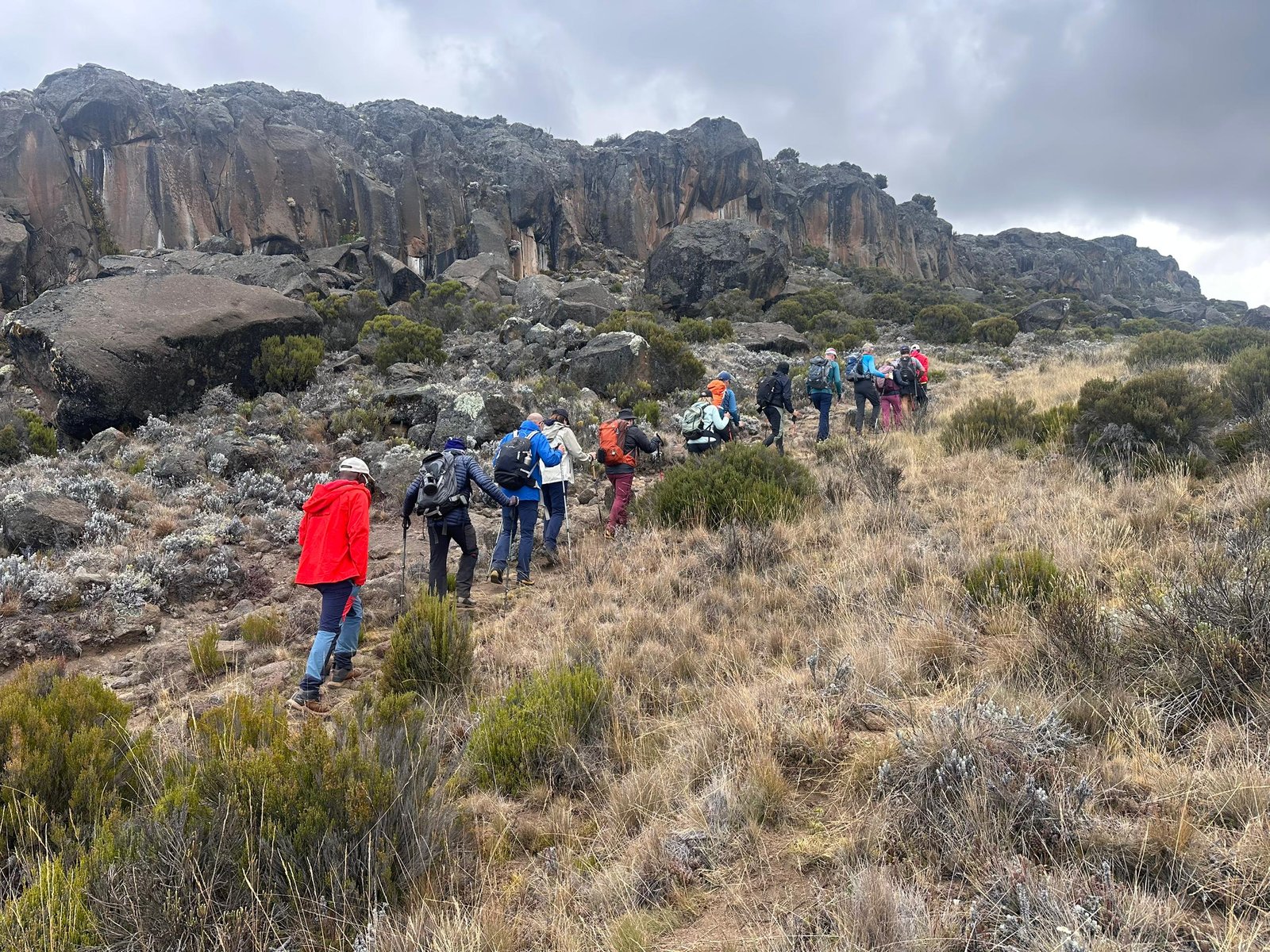
Kilimanjaro hikers crossing a rocky Barranco-style trail
Train for the Mountain You Will Actually Walk

Kilimanjaro Preparation

Prepare for repeated hiking days, long hours on your feet, changing weather, steep terrain and a deliberately slow high-altitude pace. The goal is durable fitness, tested equipment and enough recovery to arrive in Tanzania ready rather than exhausted.

Build Gradually

A Simple 8–12 Week Kilimanjaro Preparation Timeline

Weeks 12–9

Build consistent walking and aerobic fitness. Start using the boots and daypack you expect to take.

Weeks 8–5

Add hills, longer weekend walks and strength work for legs, hips and core.

Weeks 4–2

Practise back-to-back walking days and spend time on uneven ground with your daypack loaded.

Final Week

Reduce hard training, prioritise sleep, confirm gear and arrive rested rather than exhausted.

Walking Fitness

Train for Hours on Your Feet, Not Just Short Hard Workouts

Kilimanjaro is a multi-day trek. The most useful preparation is consistent aerobic activity combined with progressively longer hikes. Hills and stairs help because they teach your legs to work under load while your heart rate stays controlled.

  • Build toward a long weekly walk or hike.
  • Use varied terrain where possible.
  • Carry the daypack weight you expect on the mountain.
  • Include easier recovery sessions rather than making every workout hard.
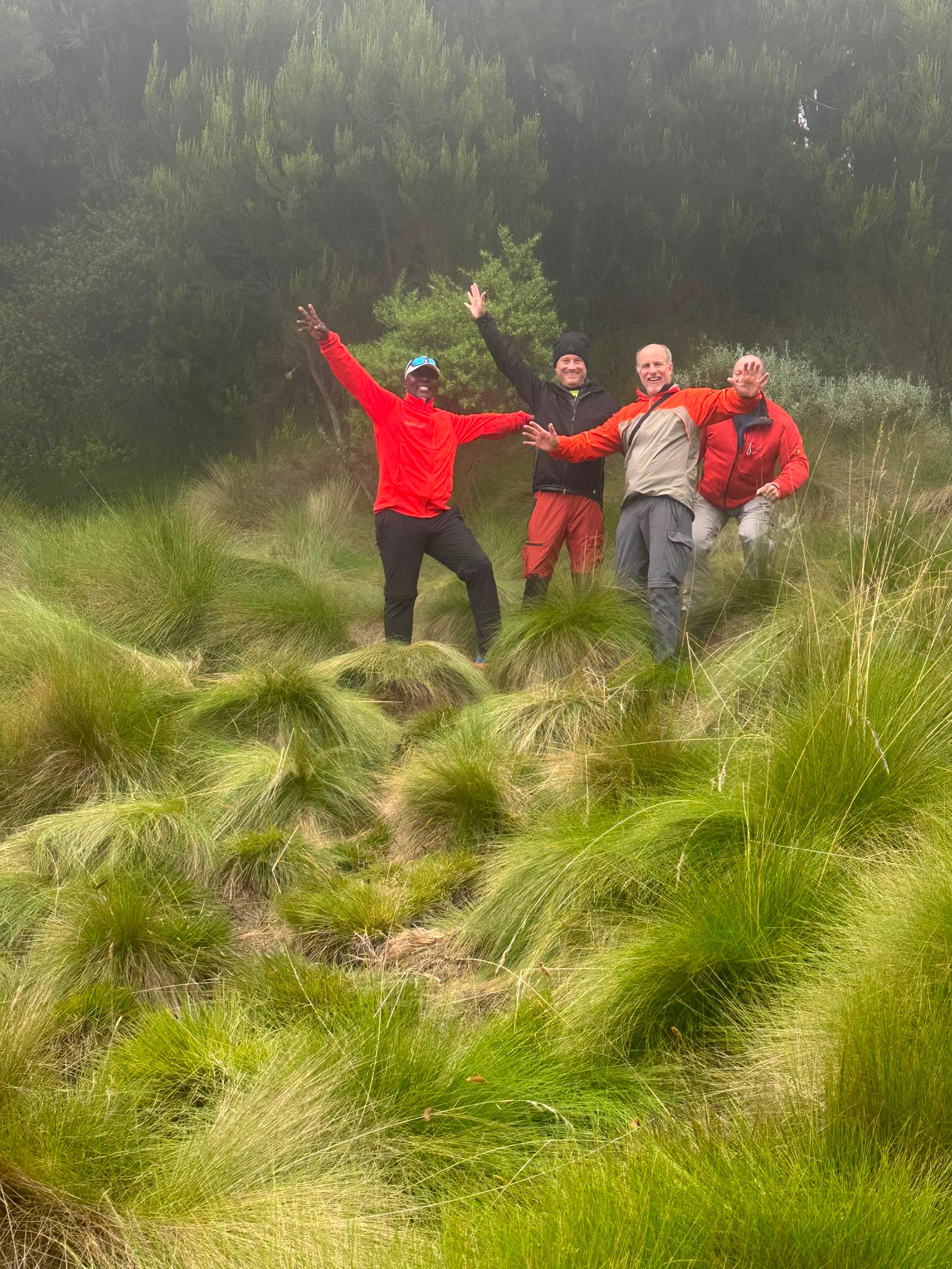
Kilimanjaro trekking terrain used for endurance training preparation
Strength That Transfers

Strong Legs Help on the Way Up. Control Helps on the Way Down.

Leg Strength

Squat, step-up and lunge patterns can support repeated climbing, especially when progressed sensibly.

Hips & Core

Stable hips and trunk control help you maintain posture while carrying a daypack over uneven ground.

Descending

Controlled downhill practice prepares the quadriceps for long descents that can feel harder than expected.

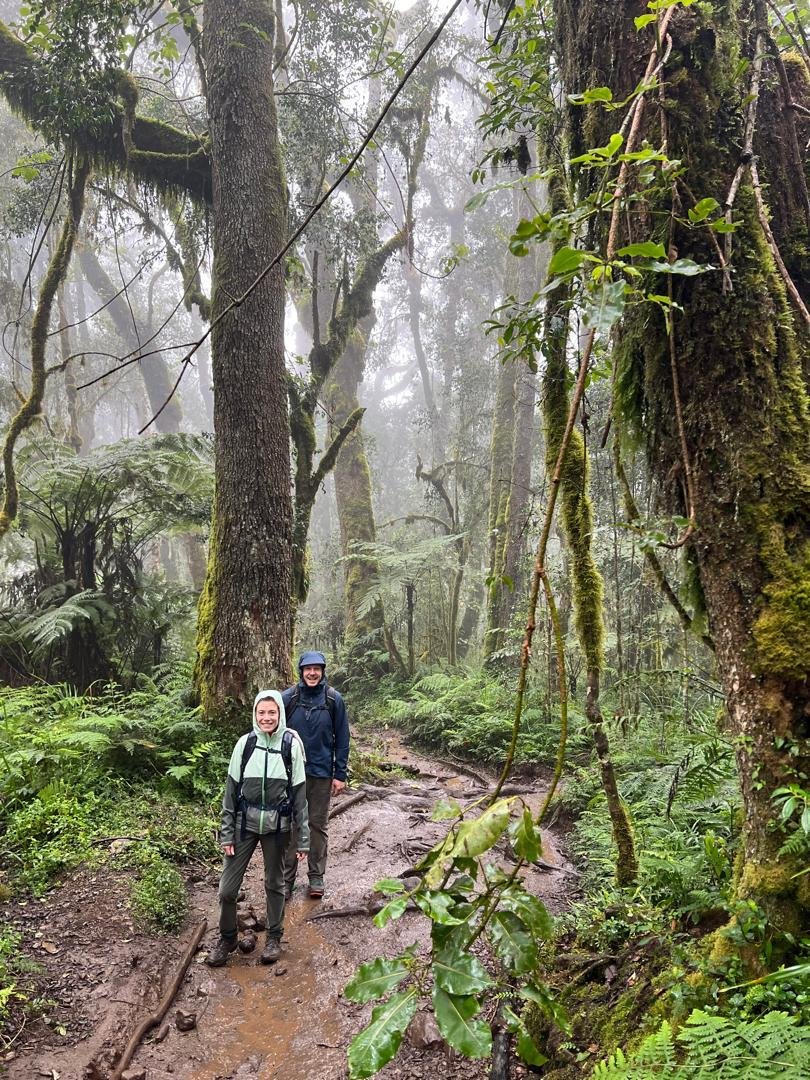
Hikers walking through montane forest during mountain preparation
Multi-Day Readiness

Practise Walking Again Before You Feel Fully Recovered

One long hike proves that you can complete one long hike. Kilimanjaro asks you to wake up and continue. Occasional back-to-back hiking days help you learn pacing, foot care, eating, hydration and how your body feels on the second day.

Do not suddenly double your training volume. Progress gradually and reduce training if pain, illness or persistent fatigue develops.
No Surprises

Your Boots, Layers and Daypack Should Already Feel Familiar

Training walks are the place to discover that a boot rubs, a rain shell restricts movement or your pack does not sit correctly—not the mountain.

  • Walk in your summit-day base layers and outer shell.
  • Use trekking poles before the climb if you plan to take them.
  • Practise eating and drinking during long walks.
  • Test headlamp controls with gloves on.
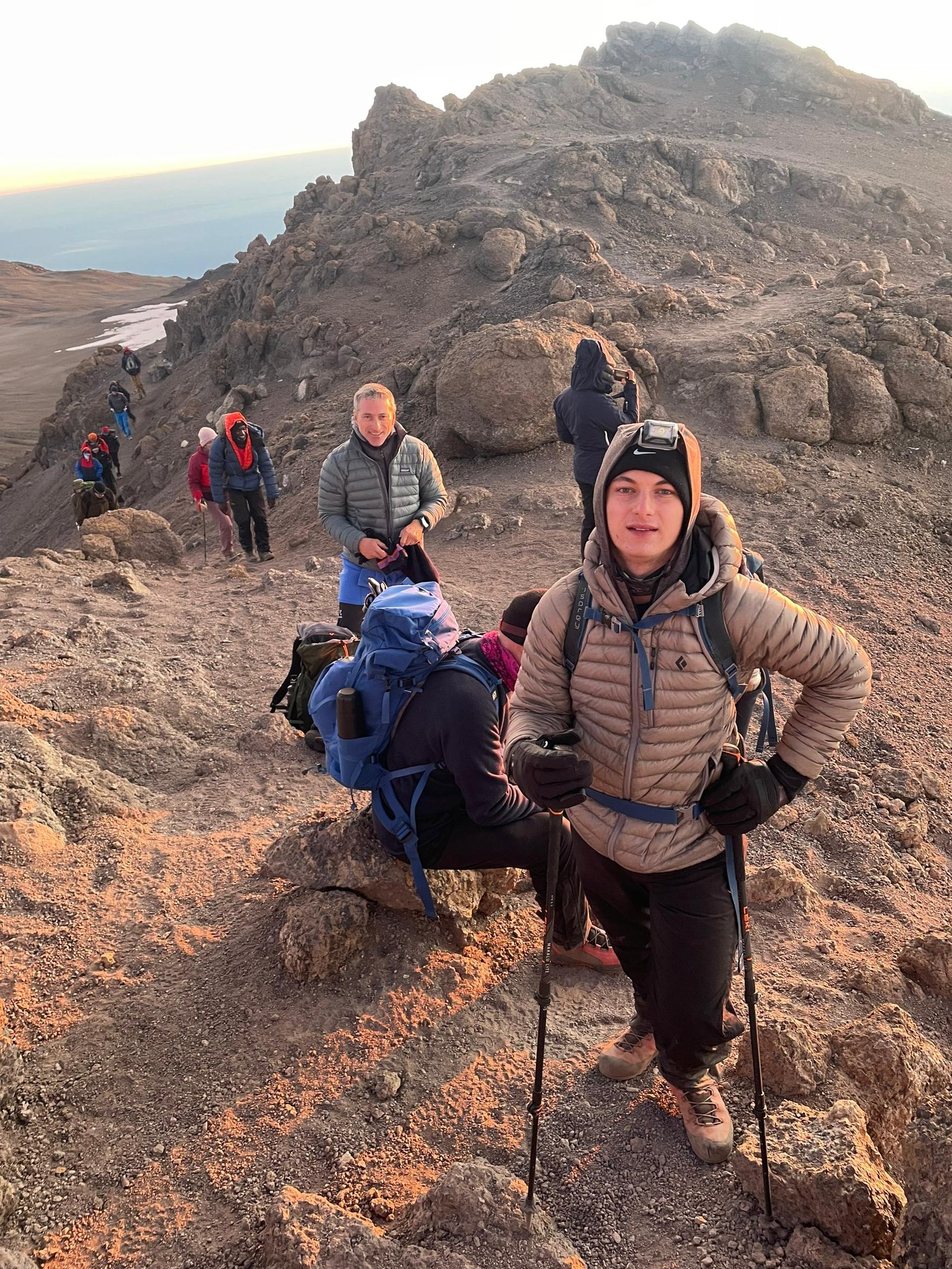
Kilimanjaro high altitude camp and mountain preparation
Before the Gate

Arrive Rested and Give Your Itinerary Time to Work

Fitness cannot prevent altitude illness. Route duration, ascent profile and how your body responds are separate from how strong you feel. Avoid arriving after an exhausting travel schedule if you can, sleep well, hydrate normally and follow your guide’s pacing instructions once the climb begins.

Rest

Build recovery into the final days before the trek instead of squeezing in last-minute training.

Pole Pole

Slow, steady movement conserves energy and supports the acclimatisation process.

Longer Routes

Extra days generally provide more time for altitude adjustment than compressed itineraries.

Preparation by Route

Train for the Route You Actually Booked

Route StylePreparation Emphasis
Lemosho / Northern CircuitLonger expedition rhythm, consecutive days, cold nights and sustained walking.
MachameSteep sections, varied terrain, Barranco Wall and a multi-day southern traverse.
MaranguHut-to-hut rhythm does not remove the need for endurance or altitude preparation.
RongaiSteady northern approach, long trekking days and cold high-altitude stages.
UmbweStrong hill fitness and realistic expectations for a steep, fast-gaining opening.
Training Structure

Build Consistency Before You Build Intensity

You do not need to train like an elite athlete. A more useful goal is to become comfortable walking for several hours, recovering well and repeating that effort on consecutive days.

2–3 Endurance Sessions

Brisk walking, hiking, cycling, running or similar aerobic work builds the base that supports long mountain days. Increase volume gradually rather than adding large jumps from week to week.

1–2 Strength Sessions

Train legs, hips, calves, core and upper-body stability. Step-ups, controlled squats, lunges and loaded carries can be useful when performed with sound technique.

1 Long Hike

Use hills where possible and gradually introduce the footwear, poles and daypack you expect to use in Tanzania. The long session is where comfort and pacing habits become obvious.

Your programme should suit your current fitness, age, injury history and medical situation. If you have health concerns, seek individual medical advice before increasing training.

Training Is More Than Exercise

Adaptation Happens When Training and Recovery Work Together

A climber who trains hard but arrives exhausted has not prepared well. The final weeks should leave you confident and durable, not sore, injured or depleted.

  • Keep at least one easier or rest day in the weekly rhythm.
  • Prioritise sleep, especially after long hikes and strength sessions.
  • Practise eating and drinking during long training days.
  • Reduce training load before departure rather than trying to gain fitness at the last minute.
  • Deal with persistent pain early instead of hoping it disappears on the mountain.
The goal of the taper is to arrive rested while keeping the fitness you have already built. The final days before travel are not the time for a heroic last workout.
The Long Game

Prepare to Walk Slower Than Your Fitness May Tempt You to Walk

Kilimanjaro rewards patience. Strong trekkers sometimes find the deliberate mountain pace surprisingly slow at first, but conserving energy and allowing the body time to adapt becomes increasingly valuable as altitude rises.

Accept Slow Progress

Do not measure a successful mountain day by speed. The purpose is to arrive at camp with enough energy to eat, hydrate, sleep and continue the following morning.

Expect Difficult Moments

Cold, poor sleep, appetite changes and long summit hours can challenge motivation. Knowing that discomfort is possible makes it easier to respond calmly rather than treating every hard moment as failure.

Communicate Early

Tell your guide when something changes. Headache, nausea, unusual fatigue, dizziness or equipment problems are easier to manage when they are discussed early instead of hidden.

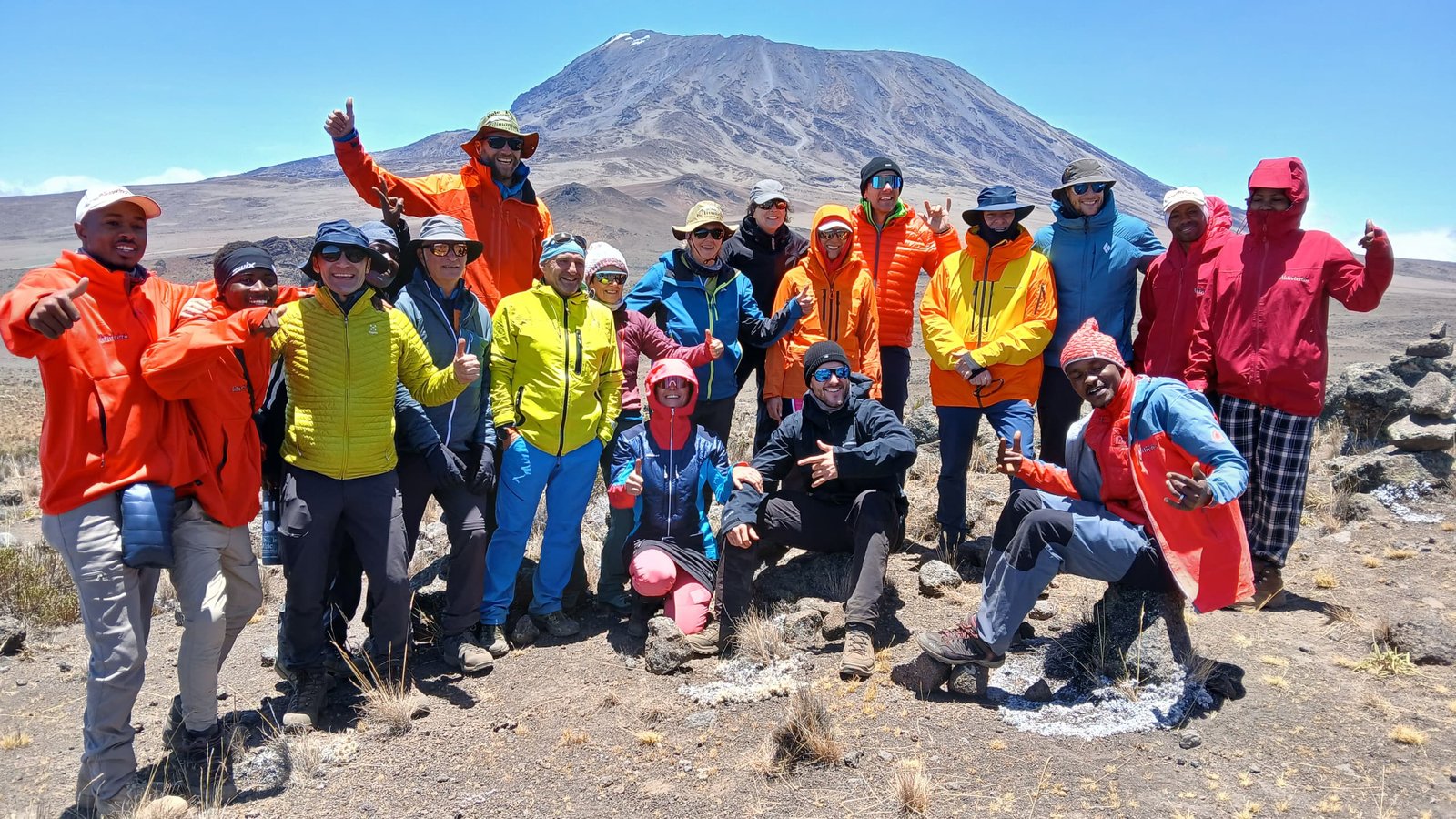
Marangu route Kilimanjaro large group alpine desert Kibo
Training Questions

Kilimanjaro Preparation FAQs

Answers about training time, back-to-back hiking, strength, tapering and preparing mentally for summit night.

01How many weeks should I train for Kilimanjaro?+
Many climbers benefit from a structured 8–12 week build, but the right starting point depends on your current fitness and hiking background. Someone already hiking regularly may focus on consistency and hills, while a less active climber should allow more time for gradual progression.Use consistency as the measure of progress. Several sustainable weeks of walking and strength work are more useful than occasional exhausting sessions that leave you injured or unable to train.
02Do I need to run to prepare for Kilimanjaro?+
Running can improve aerobic fitness, but it is not compulsory. Hiking, brisk walking, cycling and other endurance work can all contribute. The most specific preparation is spending several hours on your feet, ideally on hills, while using the footwear and daypack you expect to take.Back-to-back hiking days teach recovery, foot care and pacing. Increase them gradually so the training itself does not create the injury that compromises the expedition.
03Why are back-to-back hiking days useful?+
Kilimanjaro is not one hard day followed by full recovery. Back-to-back hikes teach you how your feet, legs and energy respond when you walk again before feeling completely fresh. Start conservatively and build this kind of training gradually.Hill work is valuable because it combines aerobic effort and leg endurance. The aim is not maximum speed; it is learning to move steadily for long periods while carrying your daypack.
04Should I train with a heavy backpack?+
You normally carry a daypack rather than your full expedition luggage. Train with a realistic daypack load so your shoulders and back adapt to the weight of water, layers and daily essentials, but avoid turning every session into an unnecessarily heavy carry.Strength should support trekking rather than replace it. Legs, hips and core help with climbing and descending, but you still need time on your feet to prepare for multiple walking days.
05When should I reduce training before departure?+
The final days should help you arrive rested, not prove your fitness. Reduce overall training load before travel while keeping some easy movement. A last-minute heroic workout creates soreness and fatigue without meaningfully improving mountain fitness.Tapering is part of preparation. Reduce hard training before travel so accumulated fatigue can fall while the fitness you built over previous weeks remains available.
06How important is strength training?+
Strength supports climbing, descending and stability on uneven ground. Legs, hips, calves and core deserve attention, but the programme should complement endurance rather than leave you too sore to hike consistently.Mental preparation includes accepting slow pace, imperfect sleep and moments when motivation drops. Knowing those conditions are normal can make it easier to communicate and keep decisions calm.
07How do I prepare mentally for summit night?+
Expect cold, darkness, a slow pace and a long period of sustained effort. Practise patience on training walks, accept that discomfort does not automatically mean failure, and commit to telling your guide early if symptoms or equipment problems change.Test the exact equipment system during training: boots, layers, poles, headlamp and pack. Familiar equipment reduces small problems when the mountain environment becomes cold or tiring.

Keep Planning

Continue Your Kilimanjaro Training & Route Research

Browse specific questions travellers ask while comparing dates, routes, equipment, safety, mountain support and Tanzania extensions.

Everyday Safaris is a Tanzania-based ground team supporting independent travellers, private groups, clubs and international travel partners with Kilimanjaro planning and local operations.