2 Days2-Day Lake Manyara and Ngorongoro Crater Safari
2-day lake manyara and ngorongoro crater safari with Everyday Safaris, private 4x4 game drives, expert local guiding and a tailored Tanzania safari…
View Trip Package →

A compact safari where groundwater forest, lake-edge habitat, birdlife and escarpment scenery change the mood quickly.
Lake Manyara National Park is compact, but it does not feel visually repetitive. The entrance can place you in lush groundwater forest before the route opens into woodland, floodplain and lake-edge environments beneath the Rift Valley escarpment. That rapid change is the real strength of the park and why a day here can feel more ecological than a simple drive from sighting to sighting.
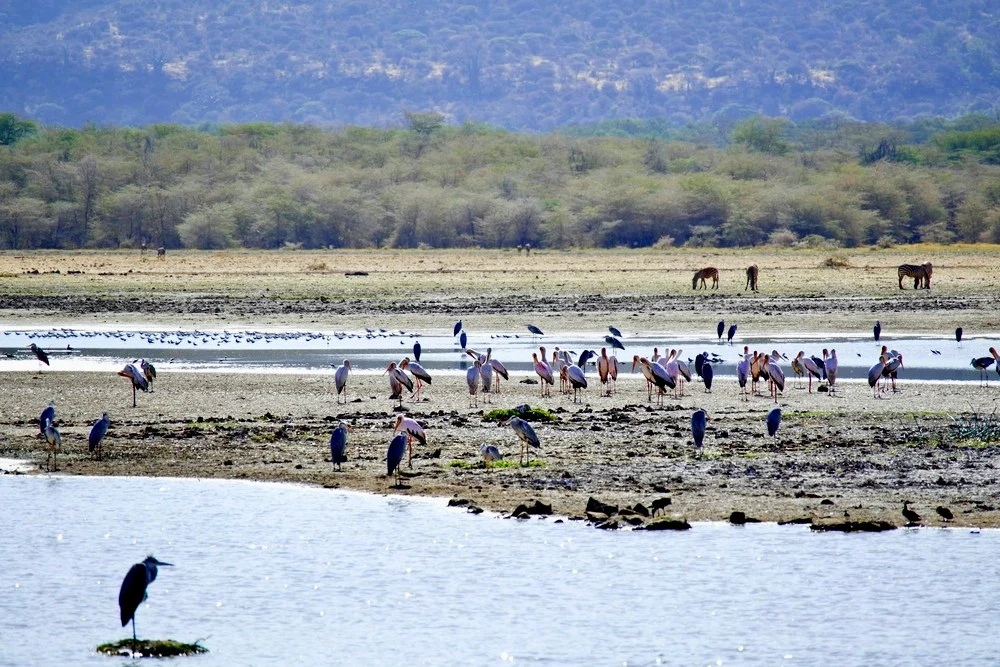
The lake itself changes with rainfall and season, so water levels, bird concentrations and accessible viewpoints are not fixed. A good guide treats this as part of the experience rather than a problem. The aim is to read the habitats available on the day and use the compact layout efficiently, not to sell one famous species as guaranteed.
These Everyday Safaris itineraries connect naturally with this experience. Compare route and duration, then ask us to tailor the combination around your dates and travel style.
2 Days2-day lake manyara and ngorongoro crater safari with Everyday Safaris, private 4x4 game drives, expert local guiding and a tailored Tanzania safari…
View Trip Package →
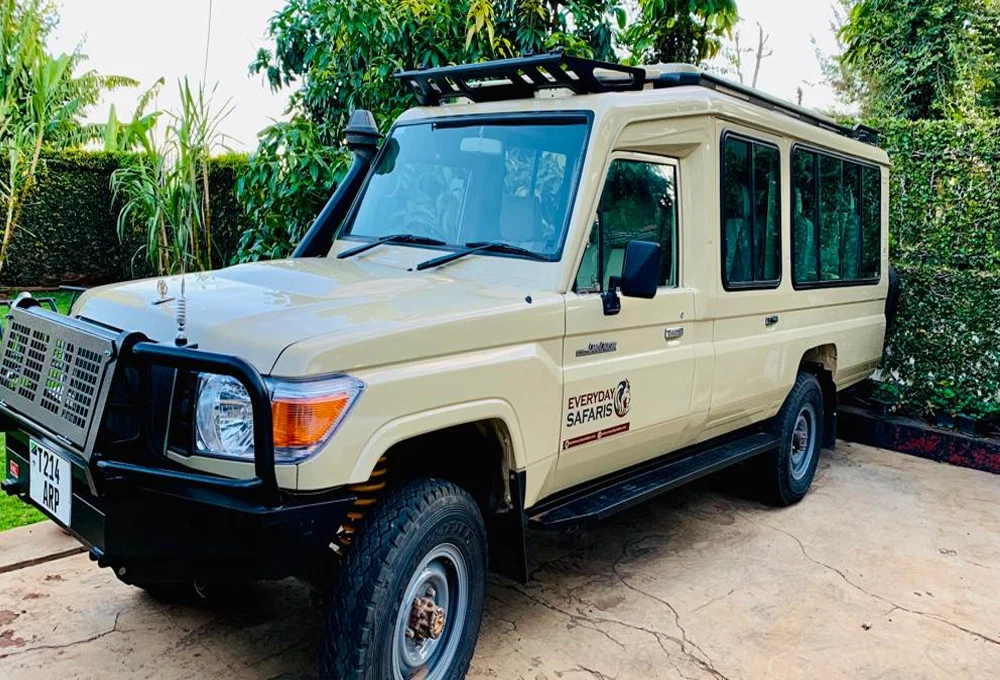
2 Days2-day private tarangire and lake manyara safari with Everyday Safaris, private 4x4 game drives, expert local guiding and a tailored Tanzania safari…
View Trip Package →
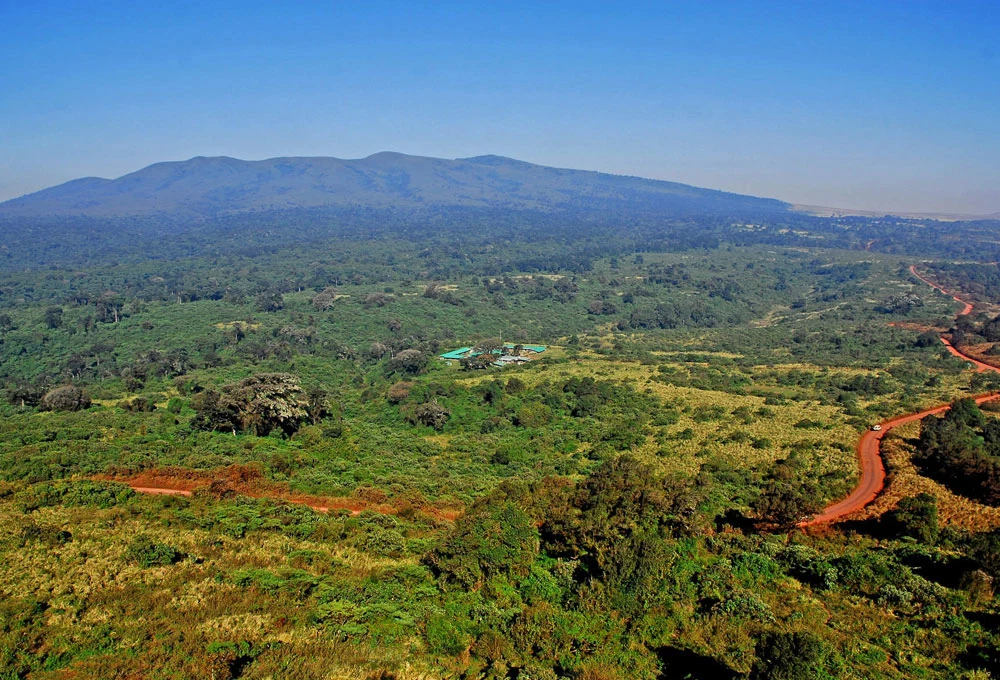
3 Days3-day tarangire ngorongoro and lake manyara safari with Everyday Safaris, private 4x4 game drives, expert local guiding and a tailored Tanzania saf…
View Trip Package →
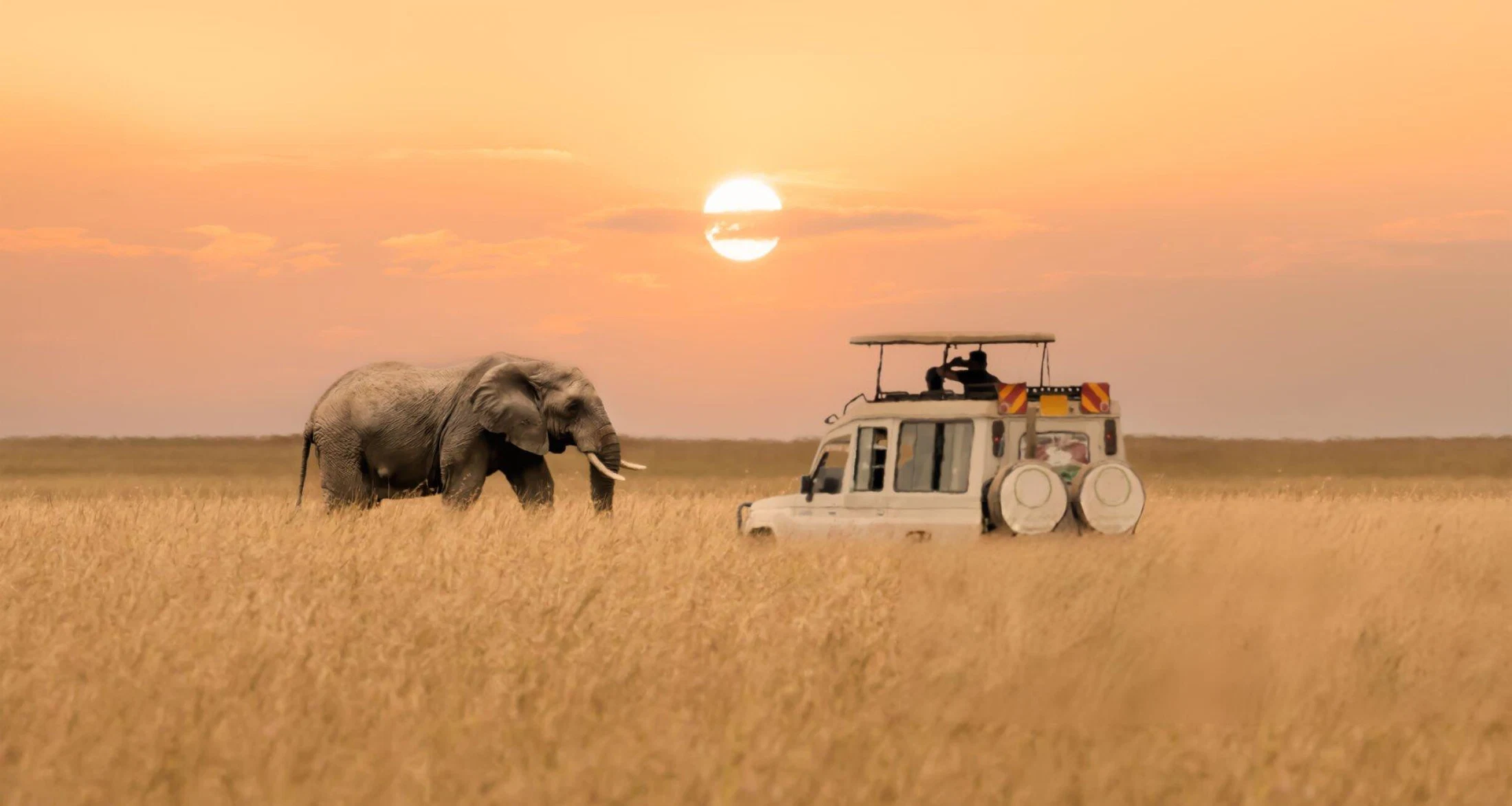
7 Days7-day classic tanzania safari serengeti ngorongoro tarangire and manyara with Everyday Safaris, private 4x4 game drives, expert local guiding and a…
View Trip Package →These are the details that should influence whether this is the right day for your itinerary.
Cooler, shaded habitat where monkeys and forest birdlife can be active.
The escarpment gives the park a strong physical setting and useful landscape photography.
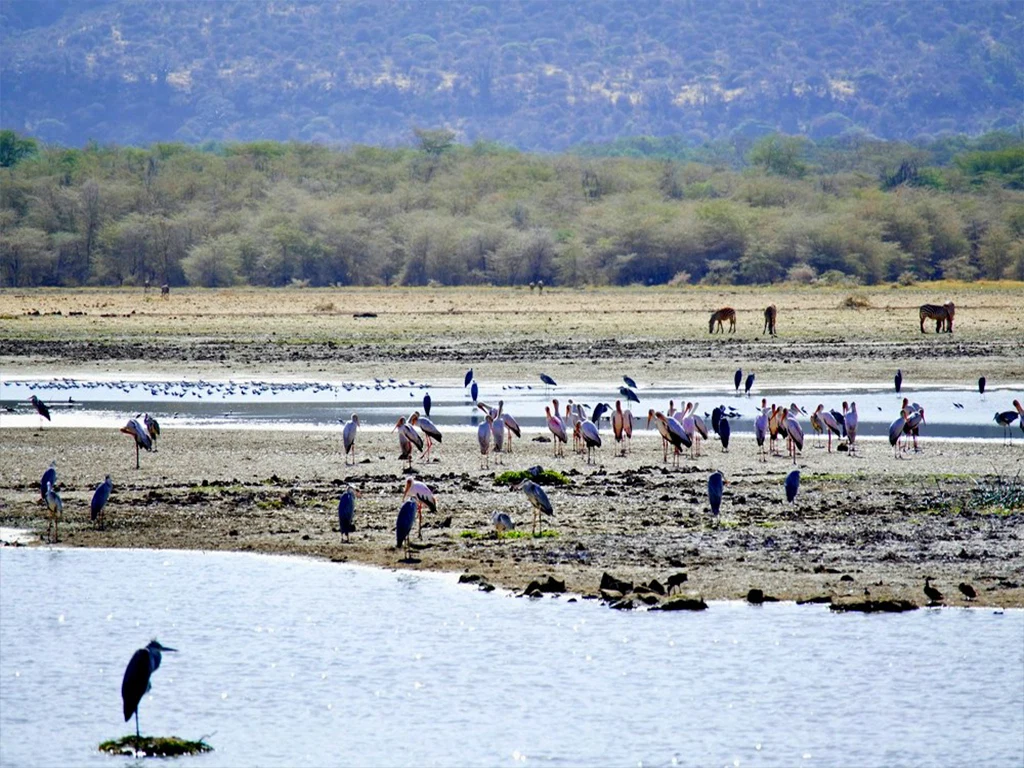
Woodland, forest and lake-edge habitats create multiple birding opportunities.
More habitat changes can fit into a single day without needing huge driving distances inside the park.
The useful facts here are about how this particular experience behaves on the ground, not a generic day-trip template.

The sequence protects the main experience while leaving the guide enough flexibility for real conditions.
Leave Arusha and travel toward the Rift Valley escarpment.
Begin in dense green habitat and watch for primates and forest birds.
Move into more open wildlife country as conditions allow.
Pause at an approved site and continue through contrasting habitat.
Drive back to Arusha or continue with a separately arranged Mto wa Mbu extension.

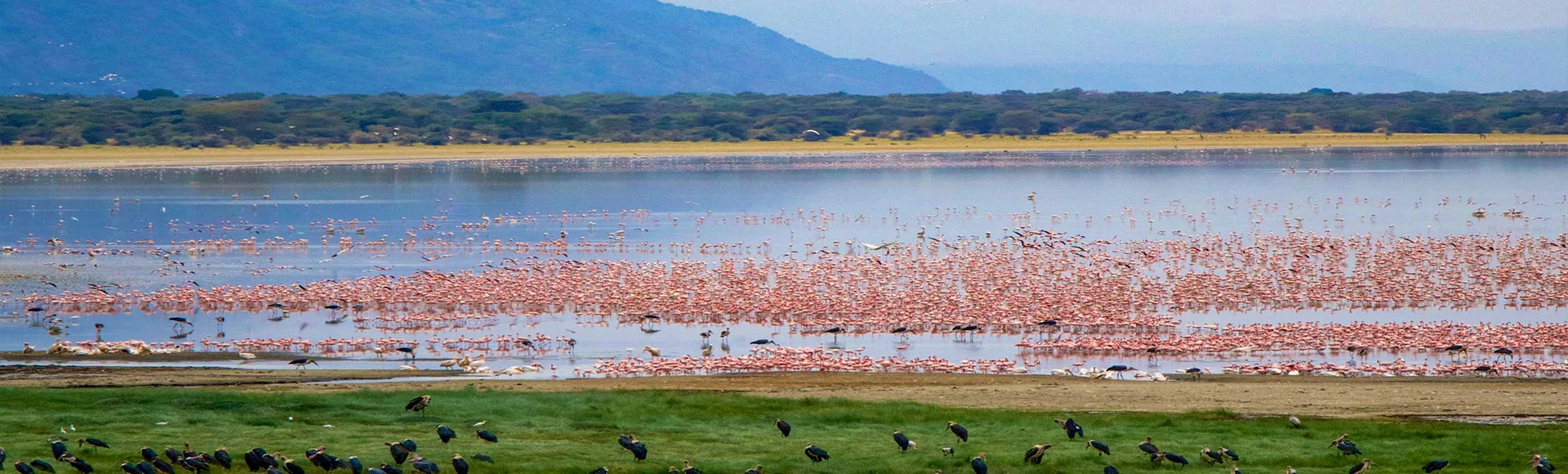
Manyara should not be treated only as a place to search for one famous mammal. The park’s habitat variety is a strong reason to slow down for birds, primates, elephants, grazing animals and changes in vegetation. Waterbird concentrations vary with lake conditions, so the quality of birding is broader than a single flamingo photograph.
The lake is dynamic. Water level, rainfall and food conditions influence where birds concentrate and which viewpoints are productive. A responsible page therefore cannot promise a pink shoreline of flamingos on every date. The better expectation is a guide who reads the park that exists that morning, spends time where current conditions are strongest and lets the contrast between habitats carry the day.
Bring only what improves a full day in the vehicle and at approved stops. Comfort, sun protection and good optics matter more than overpacking.
A high-value item here because the day includes serious birding potential.
Useful at picnic stops and short authorised stops.
The park shifts between shaded forest and exposed areas.
Useful for primates, birds and wider escarpment scenes.
Temperatures can feel different between forest and open ground.
Manyara is strongest when you pay attention to habitat, not only the animal checklist.
Because the park is smaller, guides can often move between habitat zones efficiently, but wildlife remains wild and the lake remains seasonal. A thoughtful day leaves room to spend longer where activity is good instead of trying to “complete” the park. Morning forest activity and afternoon light along more open areas can both be useful, depending on conditions.
Wildlife and road conditions can change the productive order of the day.
Avoid optional stops that reduce the main game-drive window.
Recent sightings, water and weather should influence route choices.
Your final written quotation confirms the exact cost and what applies to your date. The lists below explain the normal structure of this particular day without inventing a public price.
These are logical next places when you want the itinerary to change character rather than simply add more hours.
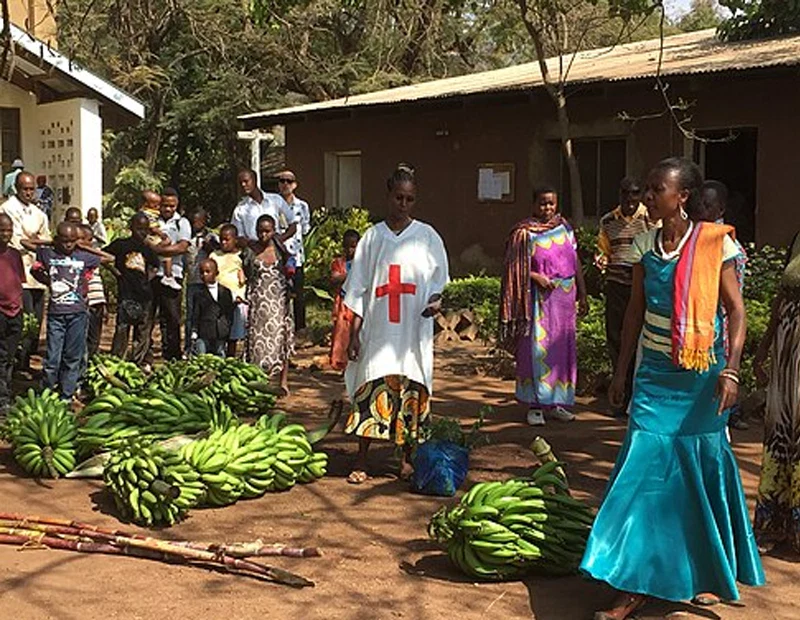
Add food, farms and local context close to the park.
Explore destination →
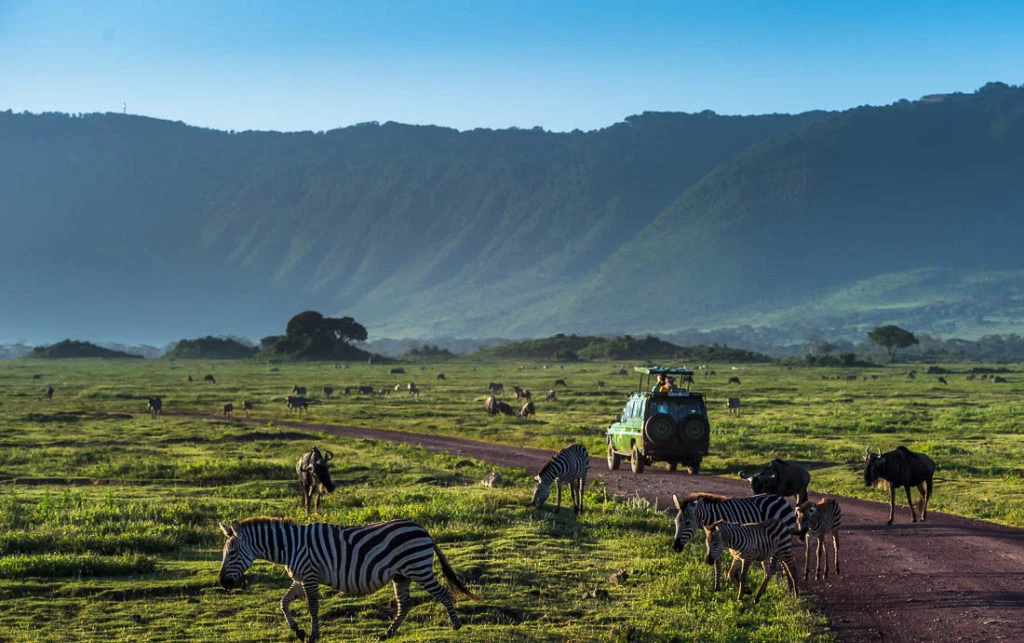
Continue from the Rift Valley toward the highlands and crater.
Explore destination →
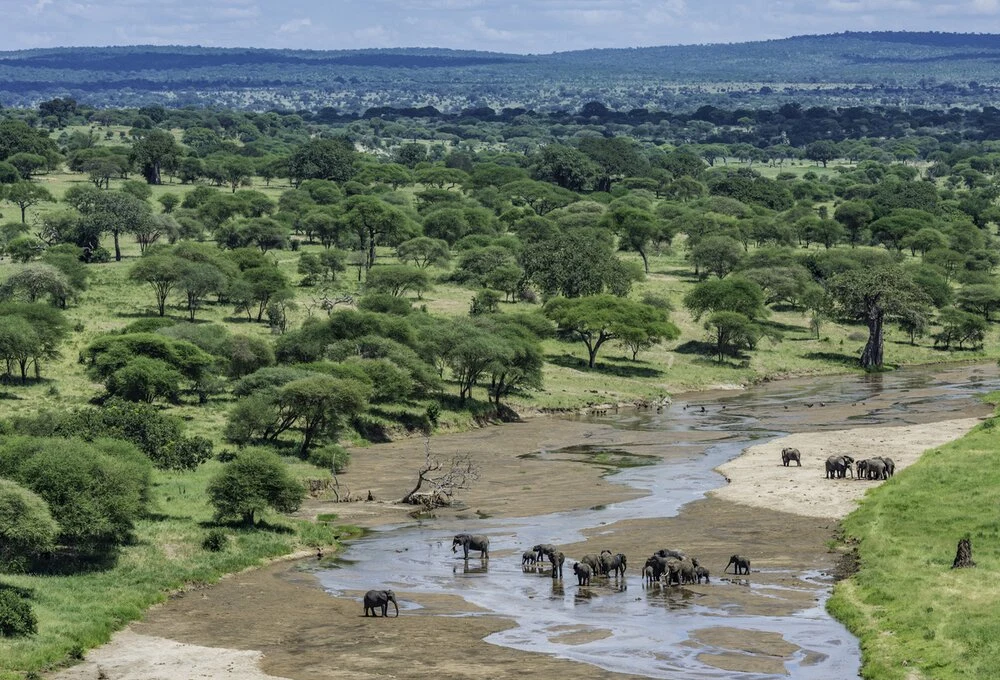
Contrast Manyara’s green habitats with elephants and baobabs.
Explore destination →Keep expectations realistic around famous but unpredictable sightings. Never pressure a guide to chase animals off-road or crowd wildlife for a photograph. Around birds and primates, quieter observation reduces disturbance and often improves the experience.
Clear answers about flamingos, forest wildlife, lake levels, birding and why this compact Rift Valley park is about habitat variety rather than one famous sighting.
No. Flamingo numbers and where they gather depend on water levels, food conditions and season. Visit Lake Manyara for the whole ecosystem—forest, floodplain, lake edge, primates, elephants and birdlife—not for a guaranteed flamingo photograph.
No. Lions are wild animals and a particular behaviour cannot be promised. The park is more rewarding when you enjoy the full range of habitats rather than spending the entire day searching for one famous image.
The forest near the park entrance creates an immediate change from the drier landscapes many travellers expect on safari. It is an important part of the experience for primates, birds, shade and the feeling of moving through several ecosystems in one day.
Birdlife is one of the park’s strengths, but it is not only for specialist birders. Even casual visitors benefit from binoculars because the lake, forest and wetland habitats add far more detail to the safari.
Water levels influence the visible shoreline, bird concentrations and how some areas look from one season to another. That natural variation is part of the park rather than a problem to be hidden.
For most visitors, a well-paced day safari is enough to understand the park’s main habitats. The value comes from slowing down through forest, open areas and lake-edge scenery instead of treating the park as a quick transfer stop.
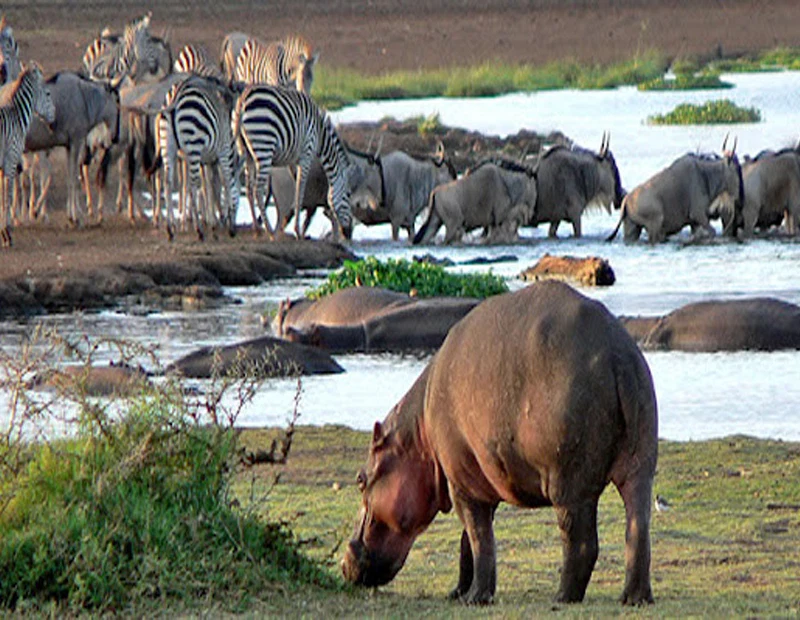
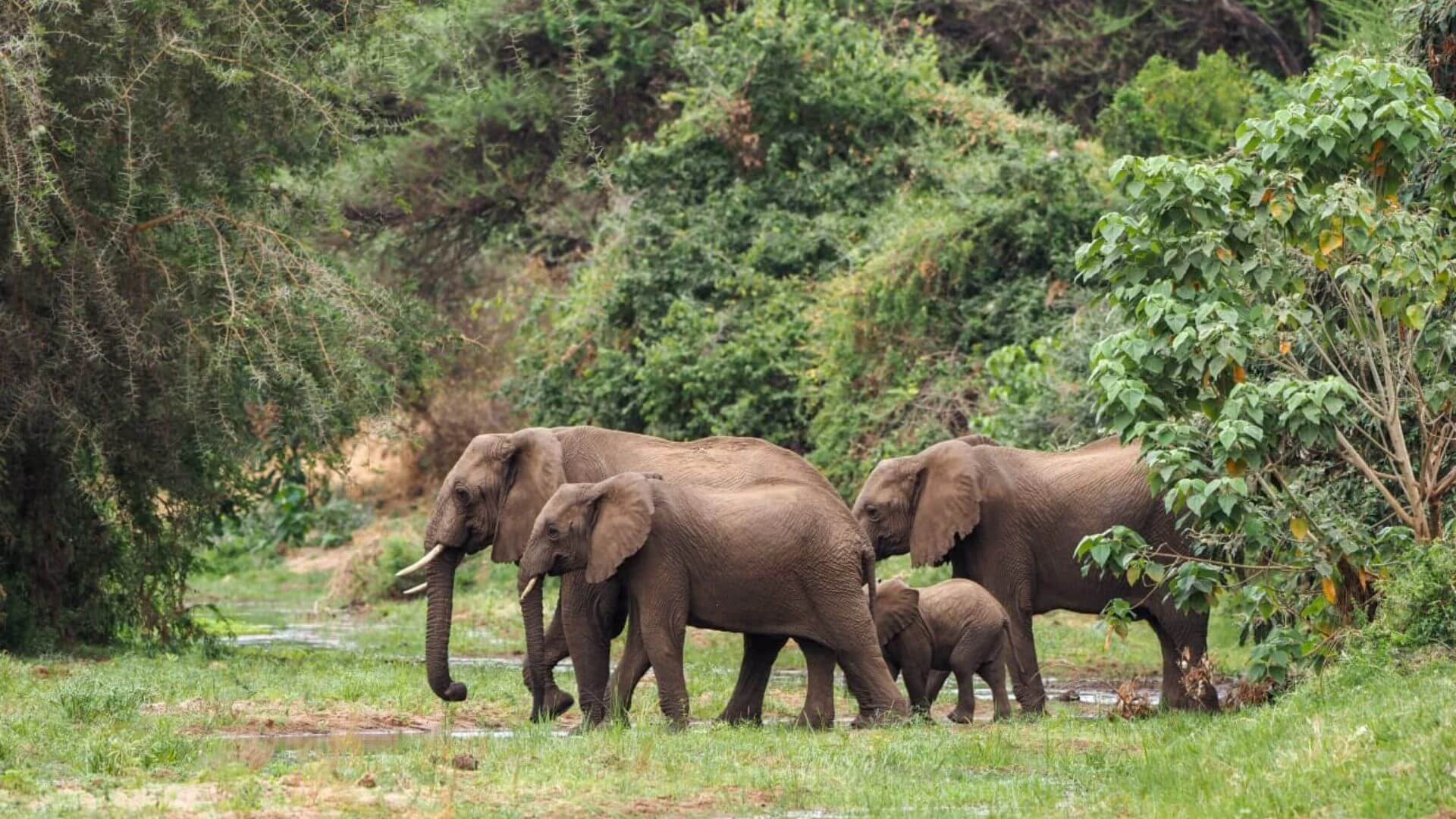
The park can offer elephants, giraffes, buffalo, baboons, blue monkeys and other wildlife depending on conditions. As everywhere on safari, exact sightings remain unpredictable.
Binoculars are especially useful here. Also carry sun protection, a light layer, comfortable clothing, rain protection when appropriate and personal medication.
Yes. The park’s compact scale and fast-changing scenery can work well for families, particularly when children enjoy seeing different habitats rather than sitting through very long open-plains drives.
Ngorongoro and Tarangire are natural partners, and Lake Manyara can also sit inside a longer route toward Serengeti. The combination should add contrast rather than simply add another park name.
Compare timing, experience details, practical logistics and natural ways to connect this day with a longer Tanzania itinerary.
Use this section to compare the practical choices that shape Lake Manyara day safari: where the day starts, how the route is paced and what should be confirmed before travel.
The day is defined by real places and activities rather than a generic checklist. These links help travellers explore the parts of the experience that matter most to them.
Conditions change from one date to another. Good planning means understanding season, weather, access and daily timing without turning any natural or community experience into a guarantee.
Transport, clothing, food, fees and physical effort can change how enjoyable the day feels. These planning routes help visitors arrive prepared.
A day trip can stand alone or become one part of a longer Tanzania journey. These combinations point toward real itineraries rather than invented packages.