Uhuru Peak, the highest point on Mount Kilimanjaro.

Climb Kilimanjaro
Kilimanjaro ClimbingKilimanjaro RoutesGroup ClimbsPrivate Kilimanjaro ClimbsKilimanjaro + SafariKilimanjaro + ZanzibarPopular Routes
Lemosho RouteMachame RouteMarangu RouteNorthern CircuitRongai RouteUmbwe RoutePlan Your Climb
Best Time to Climb KilimanjaroKilimanjaro Packing ListKilimanjaro PreparationAltitude & AcclimatisationKilimanjaro SafetyGuides & PortersKilimanjaro FAQsSafari Styles
Tanzania SafarisPrivate SafarisFamily SafarisHoneymoon SafarisLuxury SafarisBudget SafarisSignature Experiences
Great Migration SafarisSafari + KilimanjaroSafari + ZanzibarTop Destinations
Serengeti National ParkNgorongoro CraterTarangire National ParkLake Manyara National ParkArusha National ParkZanzibar Holidays
Zanzibar HolidaysZanzibar HoneymoonsBeach ExtensionsCombine Your Journey
Safari + ZanzibarKilimanjaro + ZanzibarExplore Zanzibar
Stone TownNungwi & KendwaEast Coast Beaches
Plan Your Adventure
KILIMANJARO CLIMBING • TANZANIA
Climb Kilimanjaro With Tanzania’s Mountain Experts
Stand on the Roof of Africa with an experienced Tanzania-based mountain team. Explore carefully planned Kilimanjaro climbs, compare routes and find the expedition that matches your time, pace and adventure style.
5,895 m
Uhuru Peak
6–9 Days
Typical Climbs
6 Routes
Main Choices
Private & Group
Expeditions
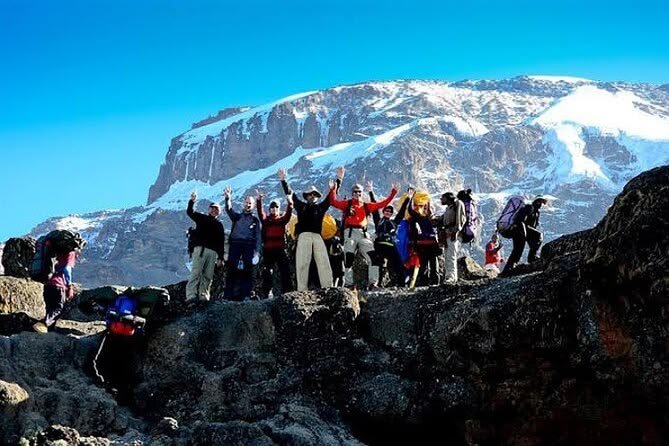
YOUR SUMMIT JOURNEY
Planned Around You
Route selection, acclimatisation, mountain support and summit strategy in one carefully planned expedition.
CHOOSE YOUR KILIMANJARO EXPEDITION
Kilimanjaro Trips & Climbing Packages
Explore our Kilimanjaro climbing packages across Lemosho, Machame, Marangu, Rongai, Umbwe, Shira and the Northern Circuit. Open any expedition to explore its complete route, itinerary and climbing details.
36
Kilimanjaro Trips
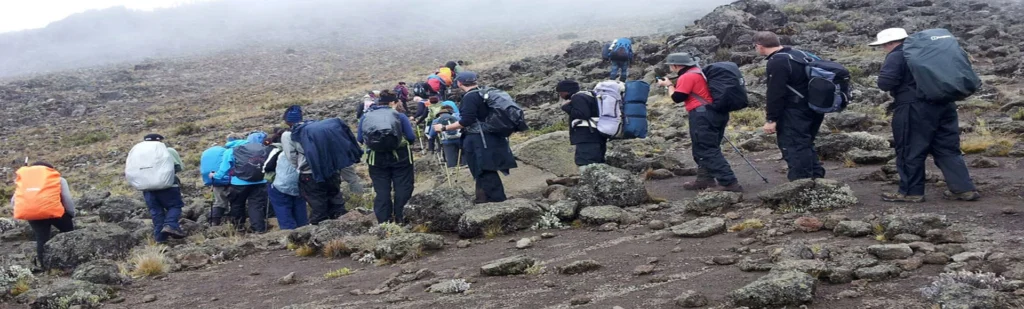
1 Day
1-Day Kilimanjaro Marangu Route Hike to Mandara Hut
1-day Kilimanjaro Marangu Route guided trek with Everyday Safaris, expert local guides, safety-focused pacing and a custom Tanzania quotation.
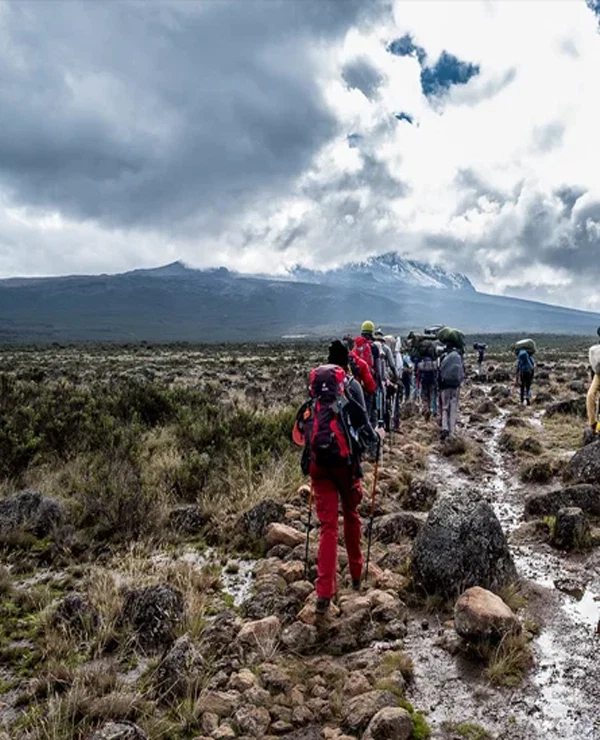
1 Day
1-Day Kilimanjaro Shira Plateau Guided Hiking Adventure
1-day Kilimanjaro Shira Route guided trek with Everyday Safaris, expert local guides, safety-focused pacing and a custom Tanzania quotation.
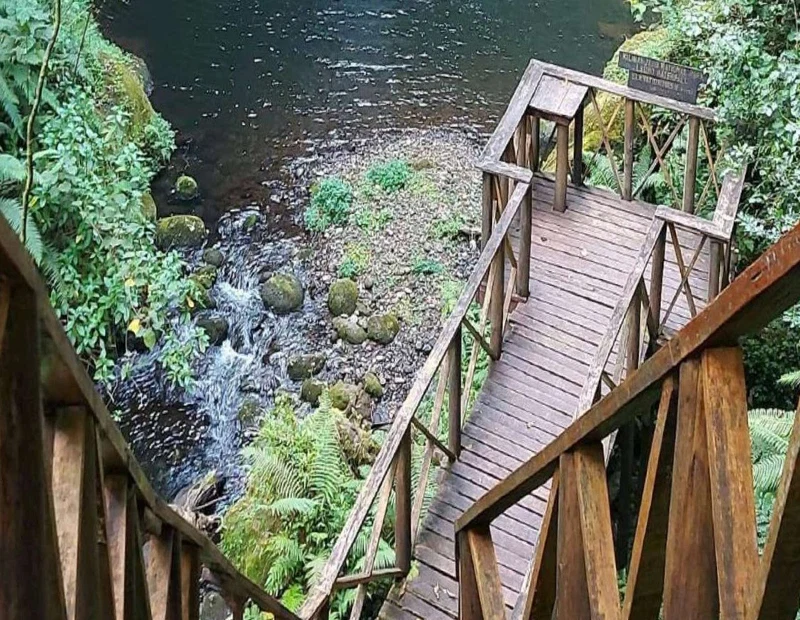
2 Days
2-Day Kilimanjaro Marangu Route Trek to Horombo Area
2-day Kilimanjaro Marangu Route guided trek with Everyday Safaris, expert local guides, safety-focused pacing and a custom Tanzania quotation.
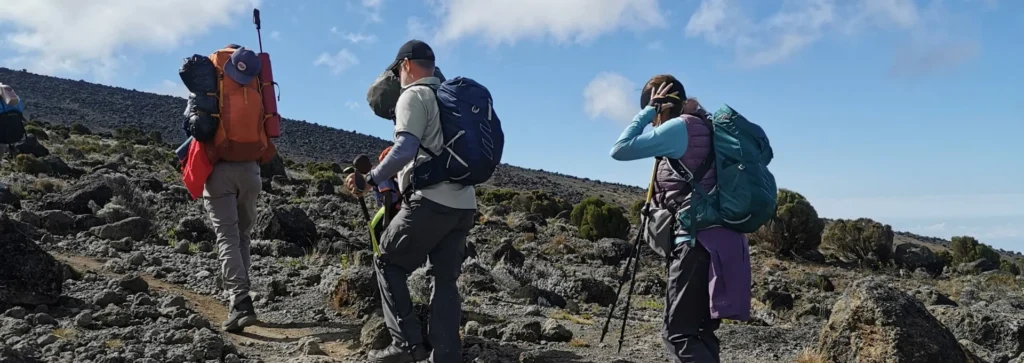
3 Days
3-Day Kilimanjaro Machame Route Scenic Mountain Trek
3-day Kilimanjaro Machame Route guided trek with Everyday Safaris, expert local guides, safety-focused pacing and a custom Tanzania quotation.
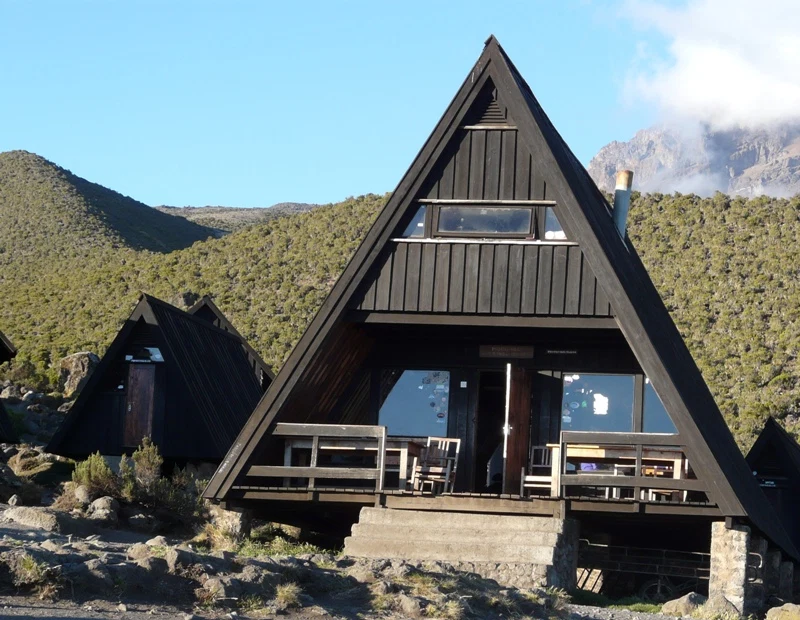
3 Days
3-Day Kilimanjaro Marangu Route Scenic Trek to Horombo Hut
3-day Kilimanjaro Marangu Route guided trek with Everyday Safaris, expert local guides, safety-focused pacing and a custom Tanzania quotation.
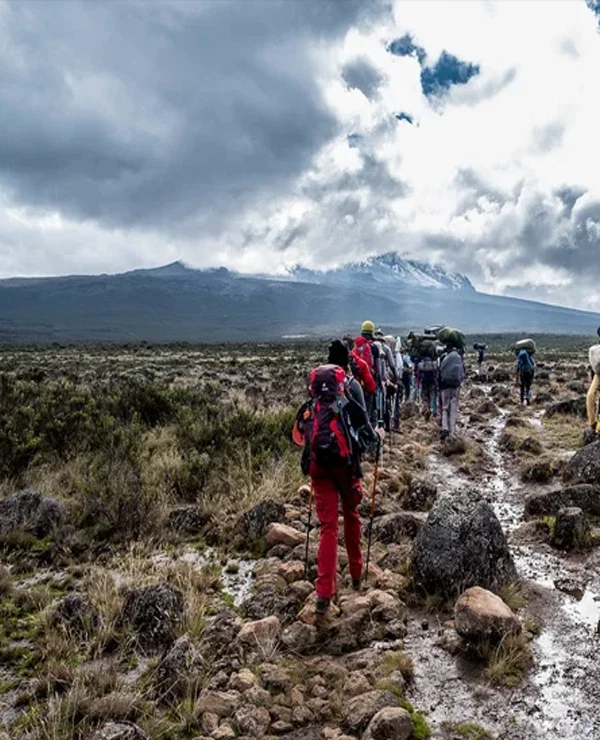
3 Days
3-Day Kilimanjaro Shira Plateau High-Altitude Trek
3-day Kilimanjaro Shira Route guided trek with Everyday Safaris, professional local guides and a tailored Tanzania quotation.
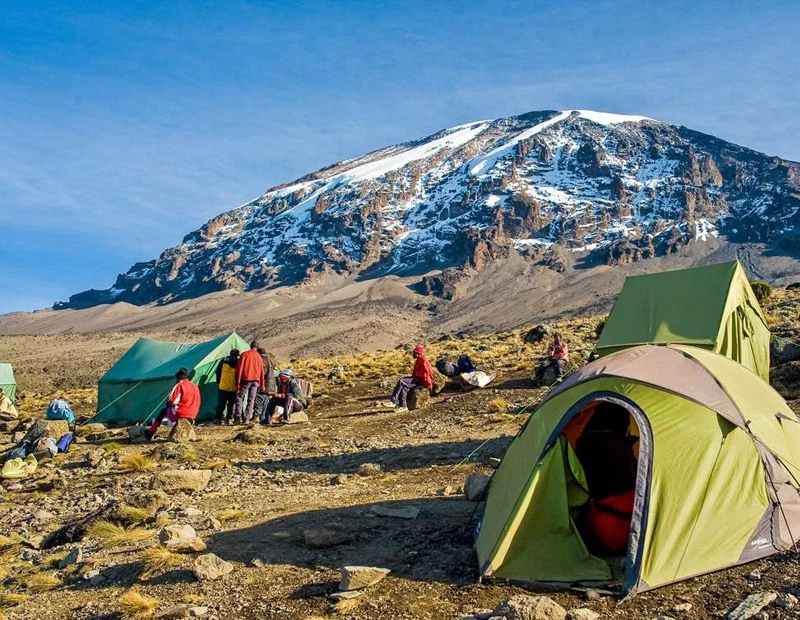
4 Days
4-Day Kilimanjaro Machame Route Scenic Trekking Adventure
4-day Kilimanjaro Machame Route guided trek with Everyday Safaris, professional local guides and a tailored Tanzania quotation.
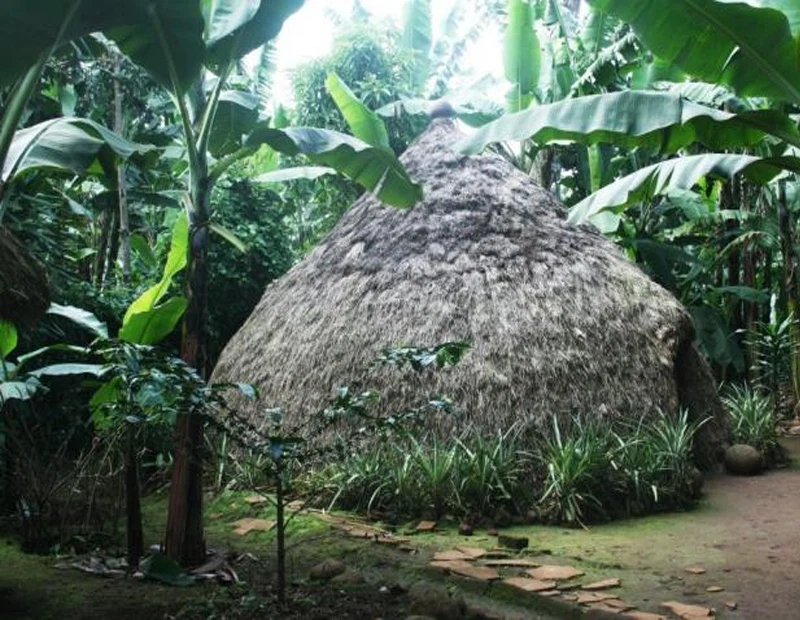
4 Days
4-Day Kilimanjaro Marangu Route High-Altitude Trekking Adventure
4-day Kilimanjaro Marangu Route guided trek with Everyday Safaris, expert local guides, safety-focused pacing and a custom Tanzania quotation.
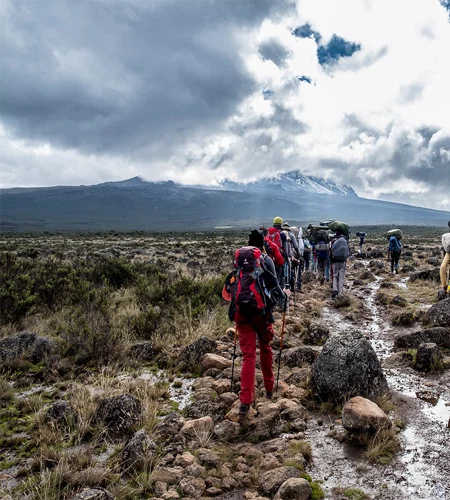
4 Days
4-Day Kilimanjaro Shira Plateau and Lava Tower Trek
4-day Kilimanjaro Shira Route guided trek with Everyday Safaris, professional local guides and a tailored Tanzania quotation.
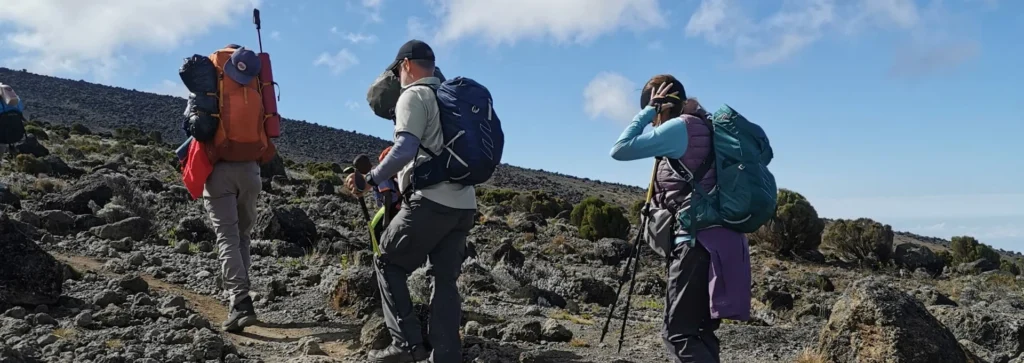
5 Days
5-Day Kilimanjaro Machame Route Summit Climb in Tanzania
5-day Kilimanjaro Machame Route summit climb with Everyday Safaris, professional local guides and a tailored Tanzania quotation.
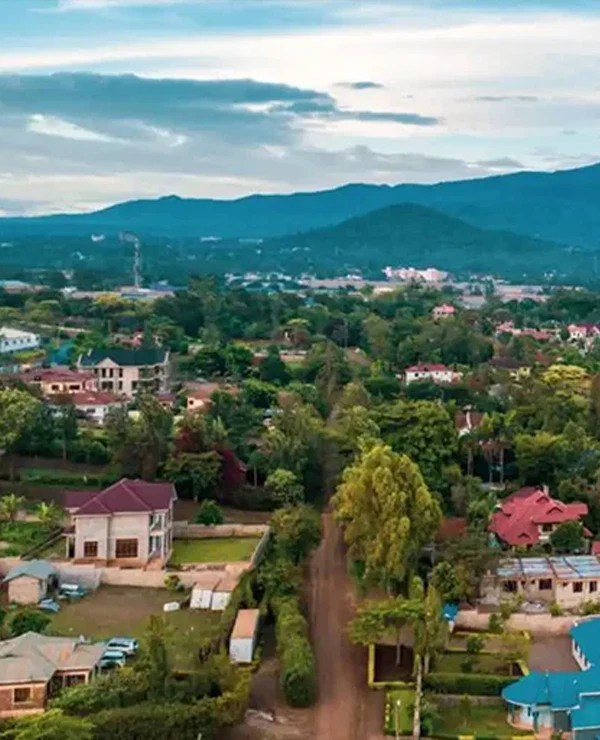
5 Days
5-Day Kilimanjaro Marangu Route Group Summit Climb
5-day Kilimanjaro Marangu Route summit climb with Everyday Safaris, professional local guides and a tailored Tanzania quotation.
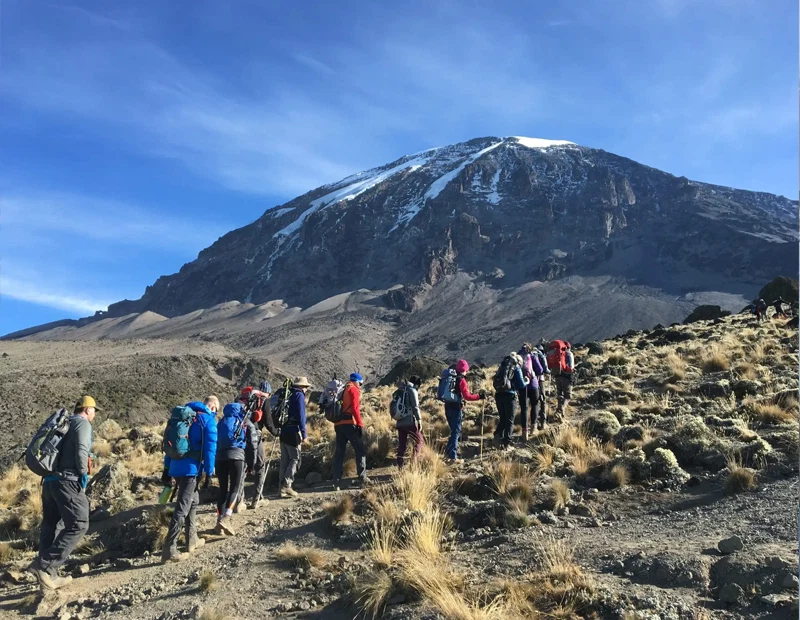
5 Days
5-Day Kilimanjaro Marangu Route Summit Climb in Tanzania
5-day Kilimanjaro Marangu Route summit climb with Everyday Safaris, expert local guides, safety-focused pacing and a custom Tanzania quotation.
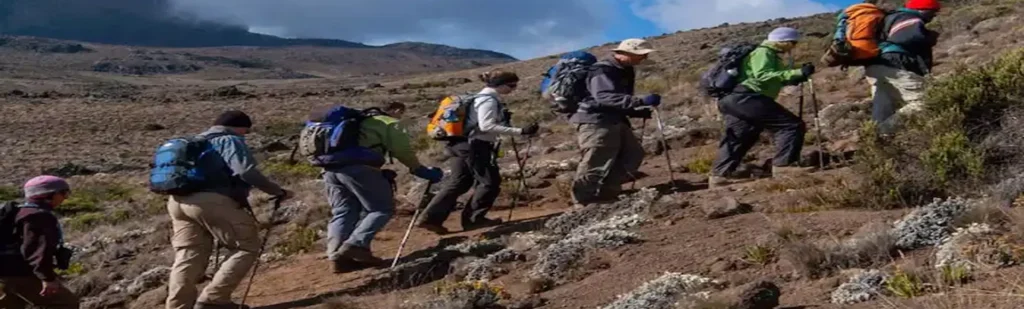
5 Days
5-Day Kilimanjaro Umbwe Route Summit Climb for Experienced Trekkers
5-day Kilimanjaro Umbwe Route summit climb with Everyday Safaris, professional local guides and a tailored Tanzania quotation.
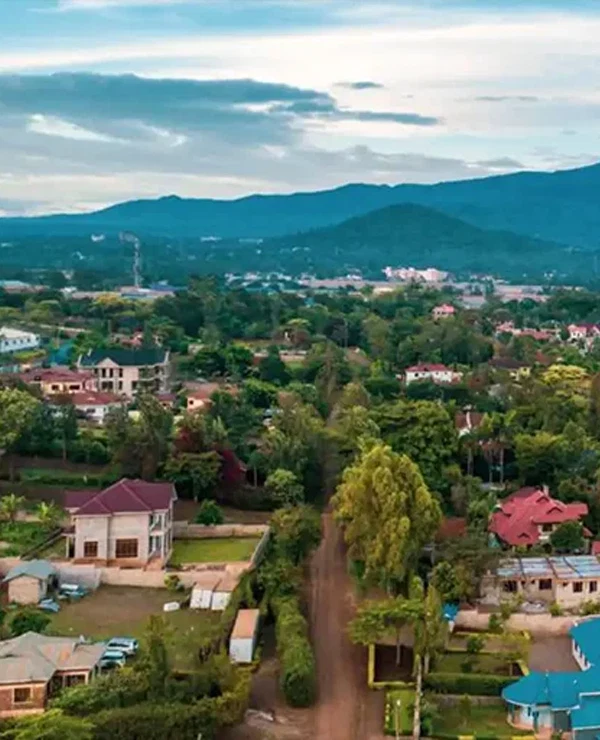
5 Days
5-Day Private Kilimanjaro Marangu Route Summit Expedition
5-day Kilimanjaro Marangu Route summit climb with Everyday Safaris, expert local guides, safety-focused pacing and a custom Tanzania quotation.
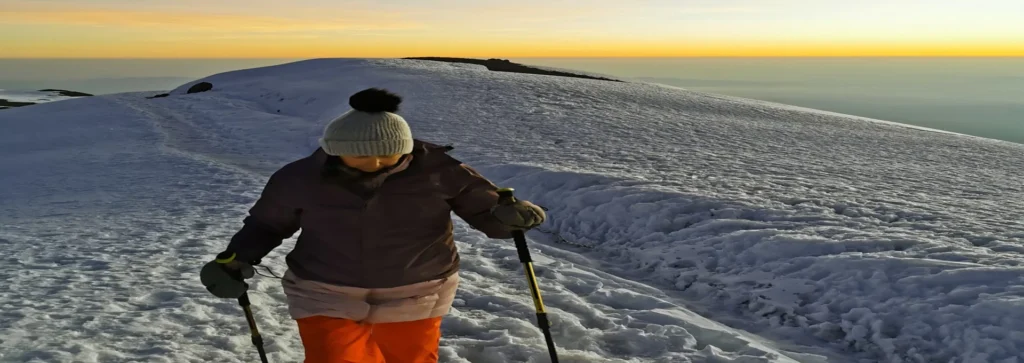
6 Days
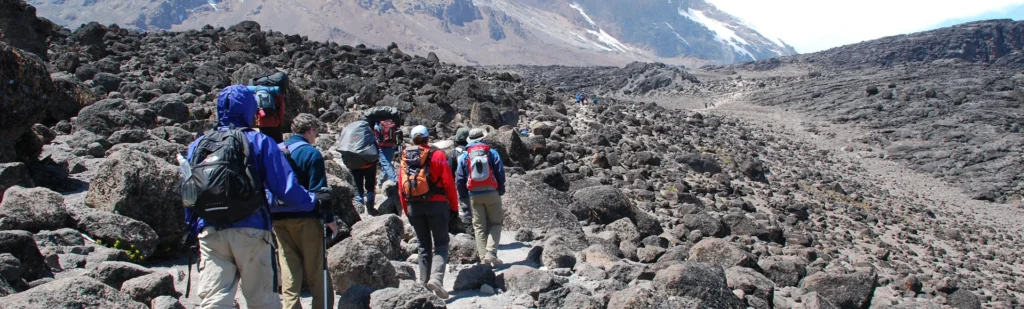
6-Day Kilimanjaro Lemosho Route Summit Climb in Tanzania
6-day Kilimanjaro Lemosho Route summit climb with Everyday Safaris, expert local guides, safety-focused pacing and a custom Tanzania quotation.
6 Days
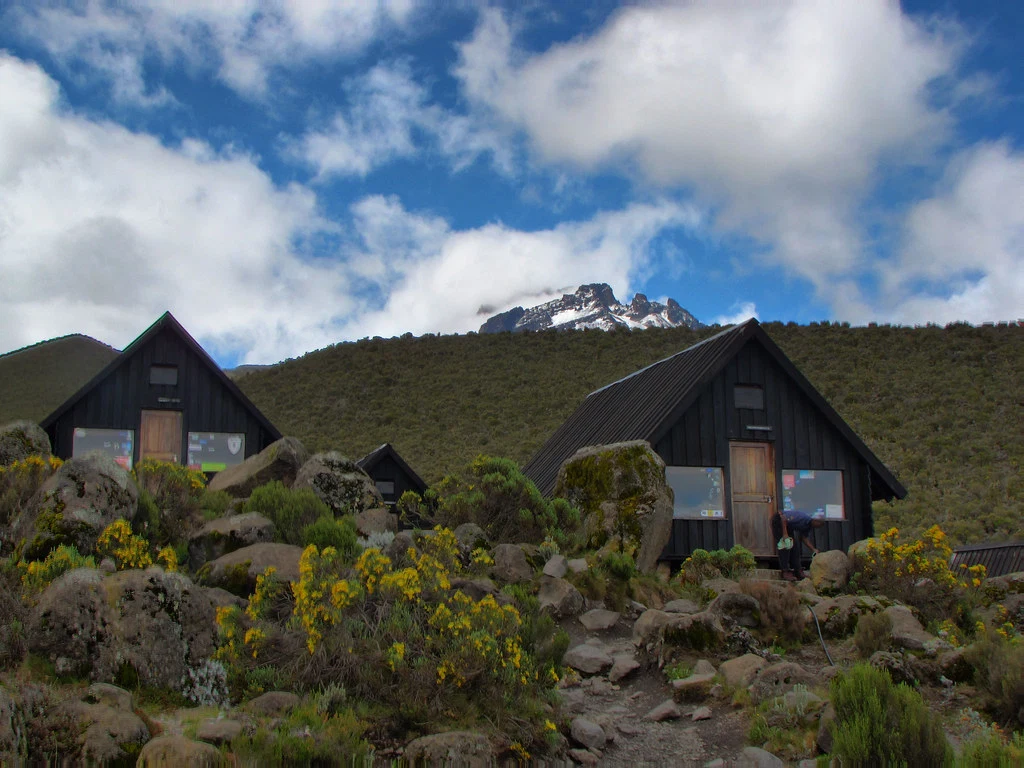
6-Day Kilimanjaro Machame Route Summit Climb in Tanzania
6-day Kilimanjaro Machame Route summit climb with Everyday Safaris, expert local guides, safety-focused pacing and a custom Tanzania quotation.
6 Days
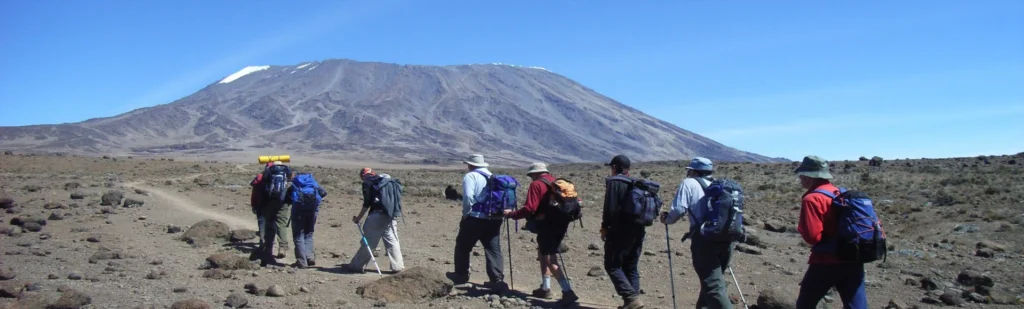
6-Day Kilimanjaro Marangu Route Summit Climb in Tanzania
6-day Kilimanjaro Marangu Route summit climb with Everyday Safaris, expert local guides, safety-focused pacing and a custom Tanzania quotation.
6 Days
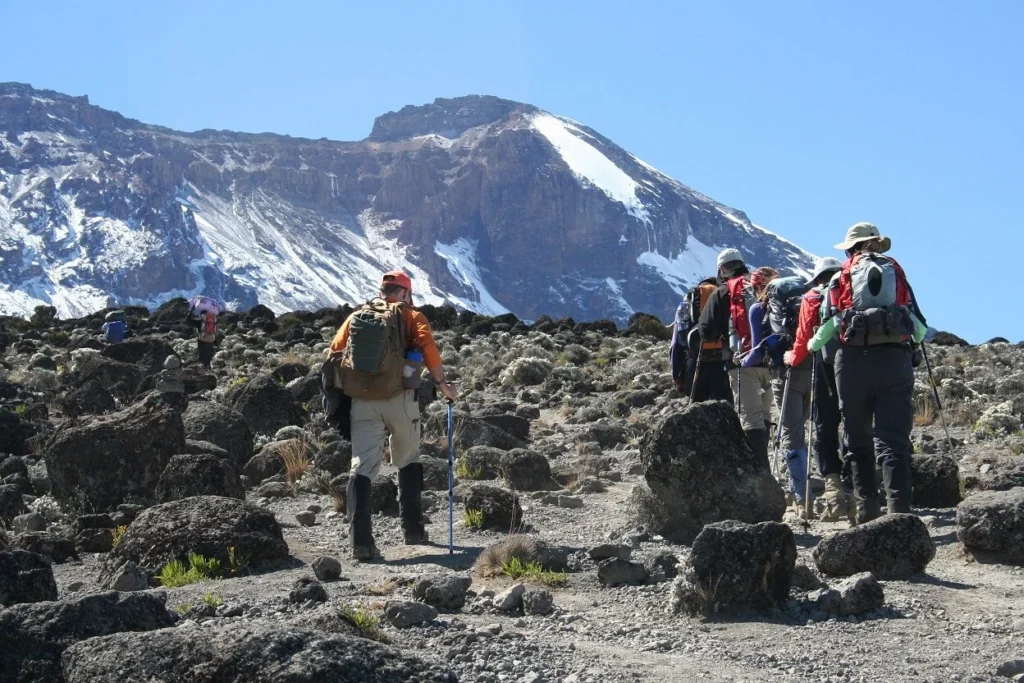
6-Day Kilimanjaro Rongai Route Summit Climb in Tanzania
6-day Kilimanjaro Rongai Route summit climb with Everyday Safaris, expert local guides, safety-focused pacing and a custom Tanzania quotation.
6 Days
6-Day Kilimanjaro Shira Route Summit Climb in Tanzania
6-day Kilimanjaro Shira Route summit climb with Everyday Safaris, expert local guides, safety-focused pacing and a custom Tanzania quotation.
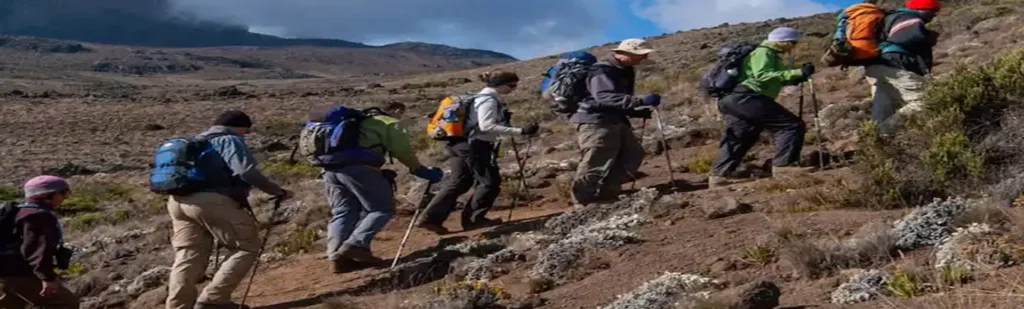
6 Days
6-Day Kilimanjaro Umbwe Route Summit Climb in Tanzania
6-day Kilimanjaro Umbwe Route summit climb with Everyday Safaris, expert local guides, safety-focused pacing and a custom Tanzania quotation.
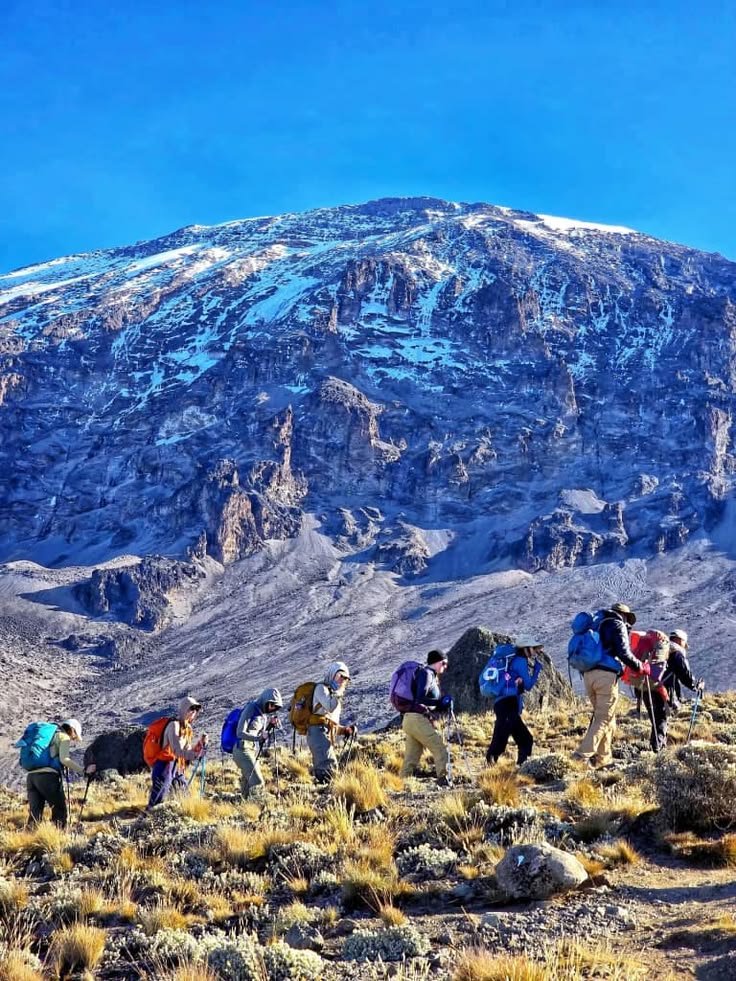
7 Days
7-Day Kilimanjaro Lemosho Route Group Climb in Tanzania
7-day Kilimanjaro Lemosho Route summit climb with Everyday Safaris, expert local guides, safety-focused pacing and a custom Tanzania quotation.
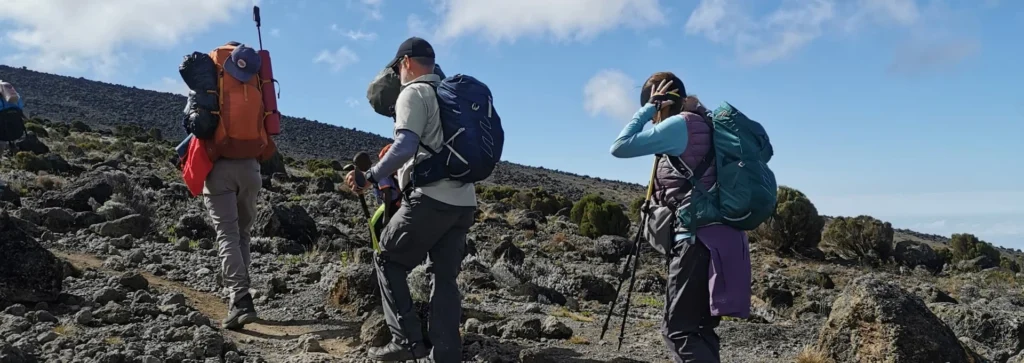
7 Days
7-Day Kilimanjaro Lemosho Route Summit Climb in Tanzania
7-day Kilimanjaro Lemosho Route summit climb with Everyday Safaris, expert local guides, safety-focused pacing and a custom Tanzania quotation.
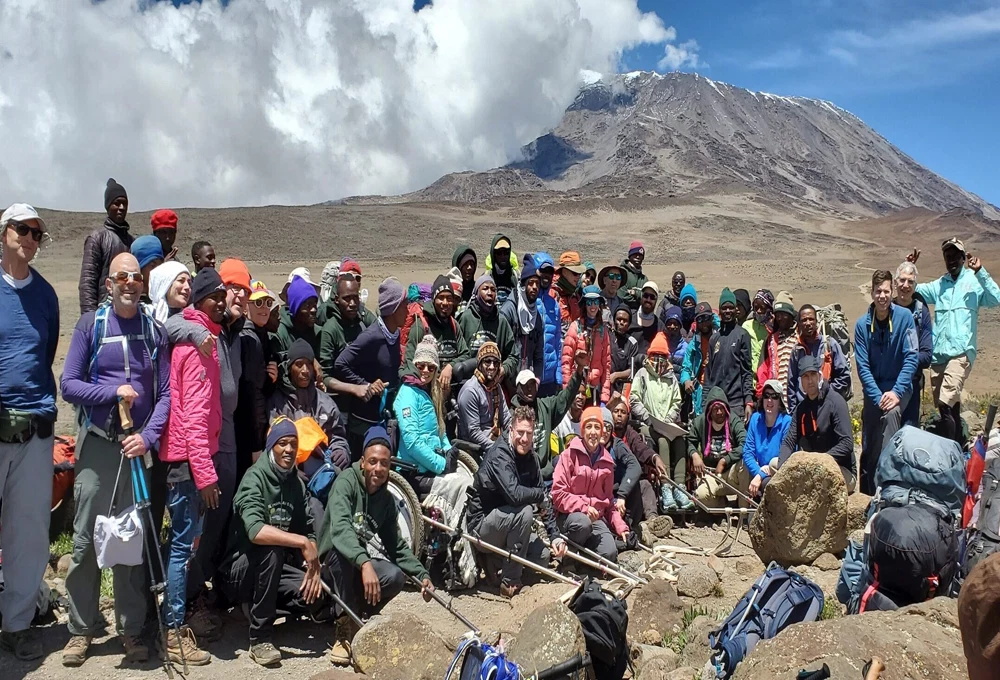
7 Days
7-Day Kilimanjaro Machame Route Summit Climb in Tanzania
7-day Kilimanjaro Machame Route summit climb with Everyday Safaris, expert local guides, safety-focused pacing and a custom Tanzania quotation.
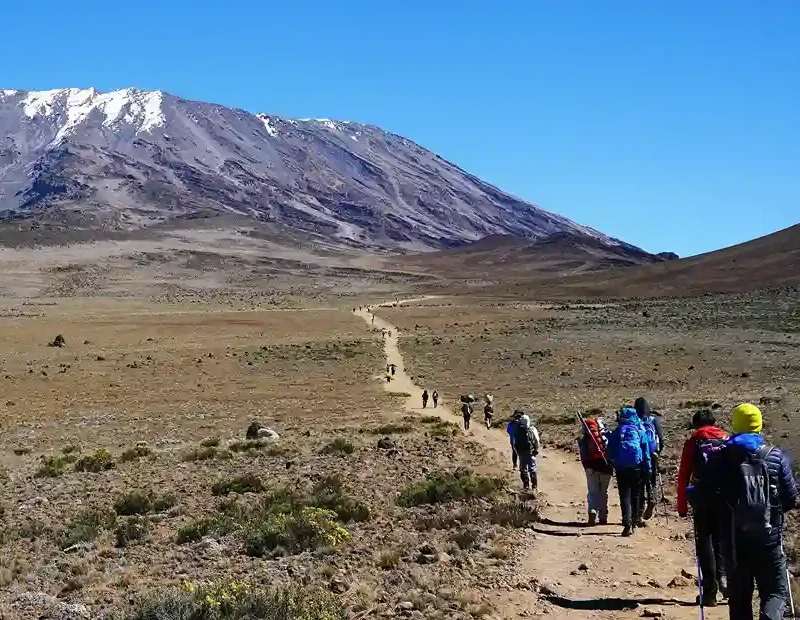
7 Days
7-Day Kilimanjaro Rongai Route Summit Climb in Tanzania
7-day Kilimanjaro Rongai Route summit climb with Everyday Safaris, expert local guides, safety-focused pacing and a custom Tanzania quotation.
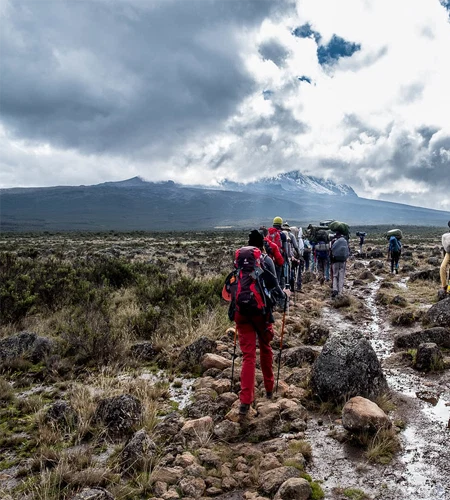
7 Days
7-Day Kilimanjaro Shira Route Summit Climb in Tanzania
7-day Kilimanjaro Shira Route summit climb with Everyday Safaris, expert local guides, safety-focused pacing and a custom Tanzania quotation.
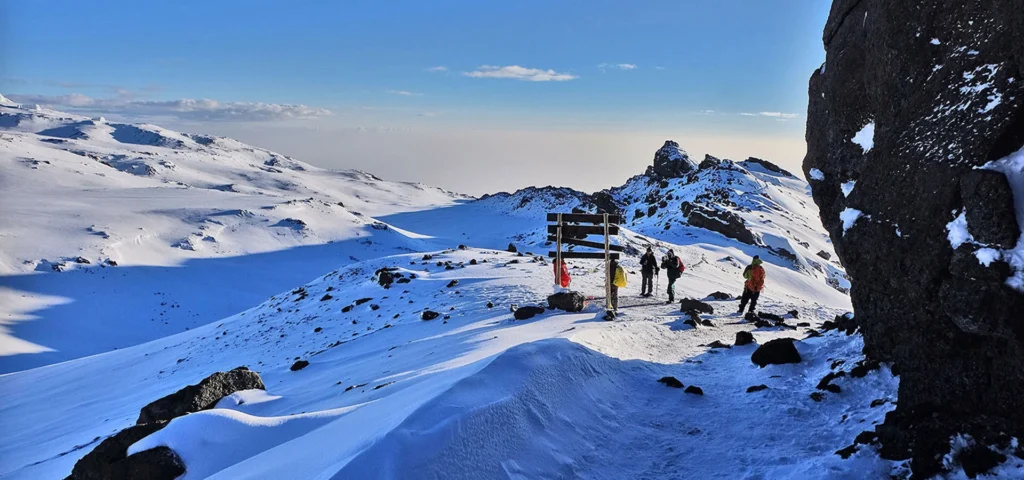
7 Days
7-Day Kilimanjaro Umbwe Route Summit Climb in Tanzania
7-day Kilimanjaro Umbwe Route summit climb with Everyday Safaris, expert local guides, safety-focused pacing and a custom Tanzania quotation.
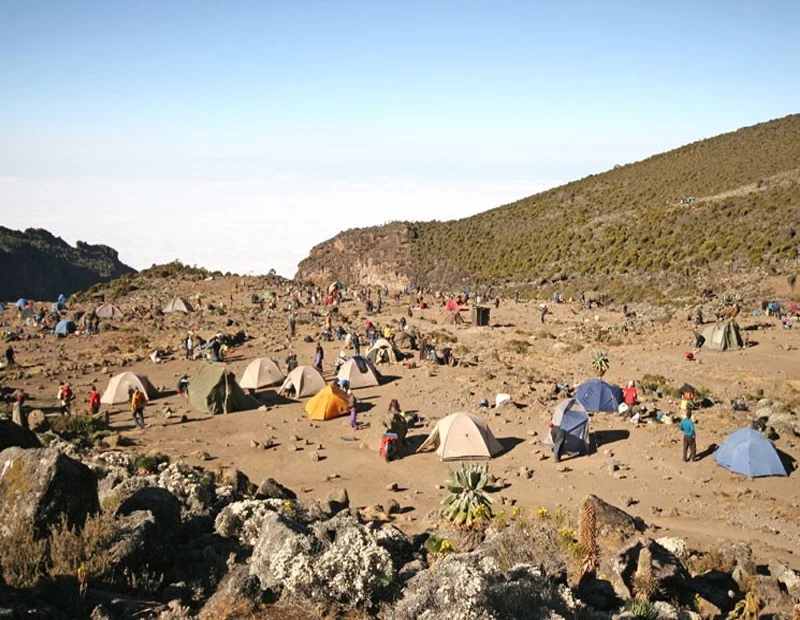
7 Days
7-Day Private Kilimanjaro Machame Route Climb in Tanzania
7-day Kilimanjaro Machame Route summit climb with Everyday Safaris, expert local guides, safety-focused pacing and a custom Tanzania quotation.
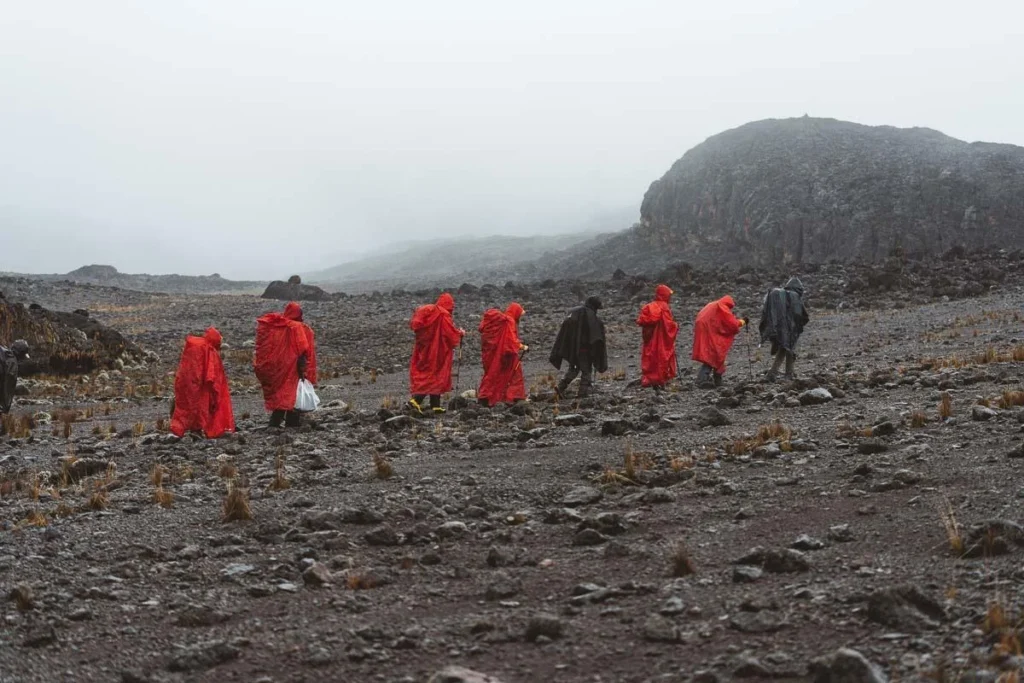
8 Days
8-Day Kilimanjaro Lemosho Route Summit Expedition
8-day Kilimanjaro Lemosho Route summit climb with Everyday Safaris, expert local guides, safety-focused pacing and a custom Tanzania quotation.
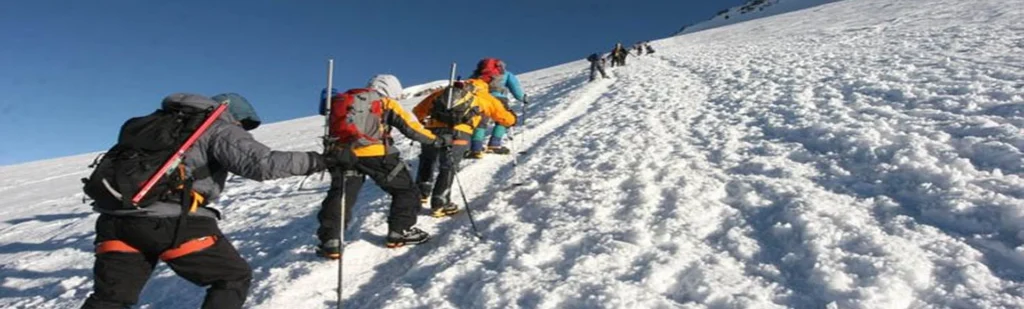
8 Days
8-Day Kilimanjaro Northern Circuit Route Summit Climb
8-day Kilimanjaro Northern Circuit summit climb with Everyday Safaris, expert local guides, safety-focused pacing and a custom Tanzania quotation.
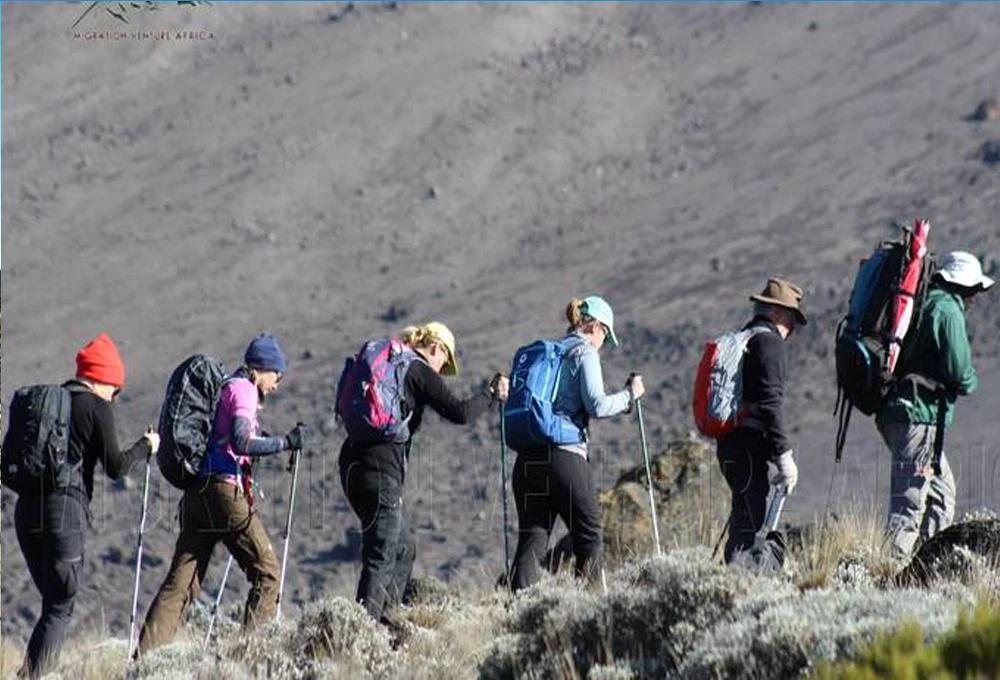
8 Days
8-Day Kilimanjaro Rongai Route Scenic Summit Expedition
8-day Kilimanjaro Rongai Route summit climb with Everyday Safaris, expert local guides, safety-focused pacing and a custom Tanzania quotation.
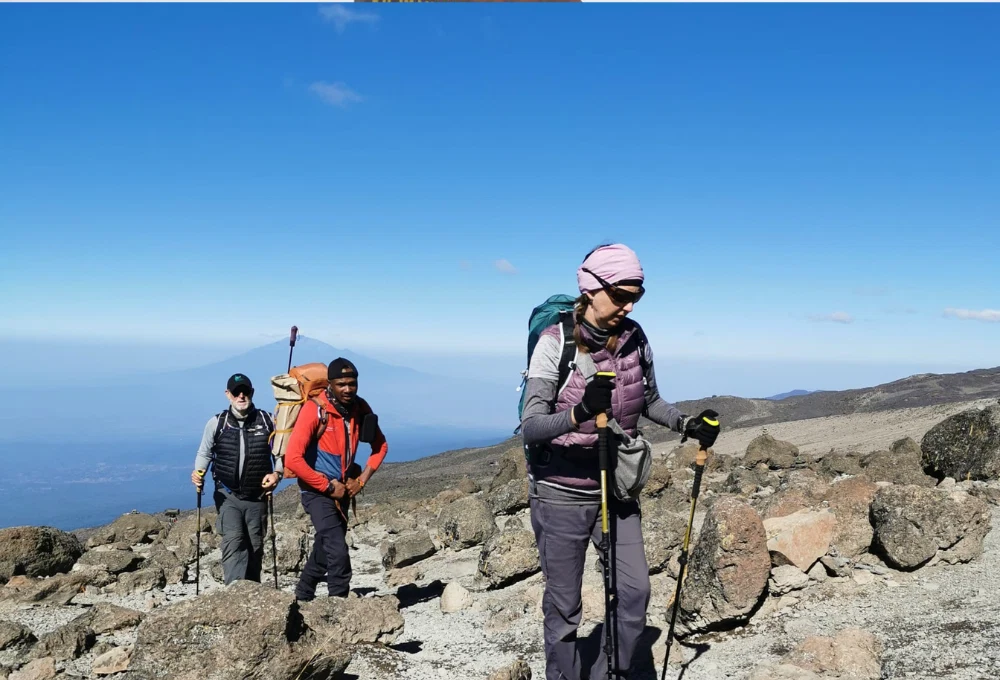
8 Days
8-Day Luxury Kilimanjaro Lemosho Route Climbing Expedition
8-day Kilimanjaro Lemosho Route summit climb with Everyday Safaris, expert local guides, safety-focused pacing and a custom Tanzania quotation.
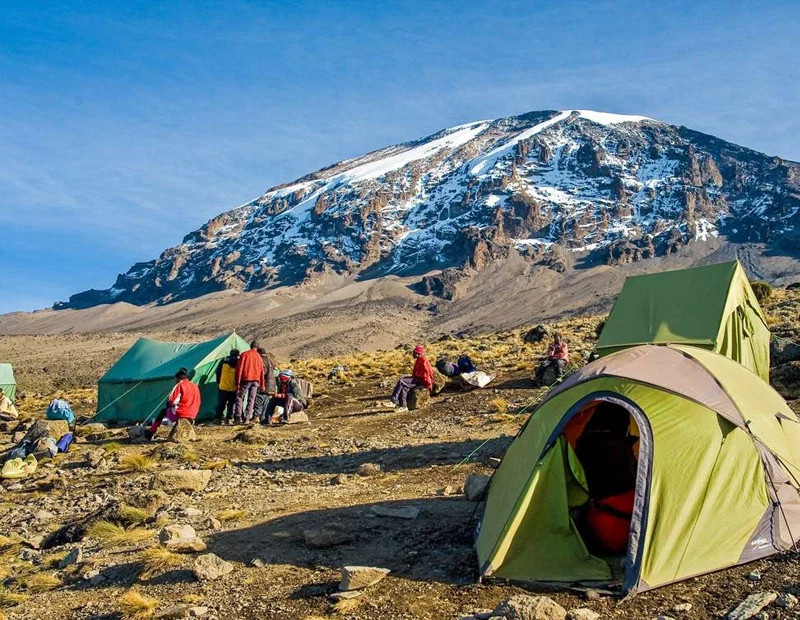
8 Days
8-Day Private Kilimanjaro Machame Route Summit Expedition
8-day Kilimanjaro Machame Route summit climb with Everyday Safaris, expert local guides, safety-focused pacing and a custom Tanzania quotation.
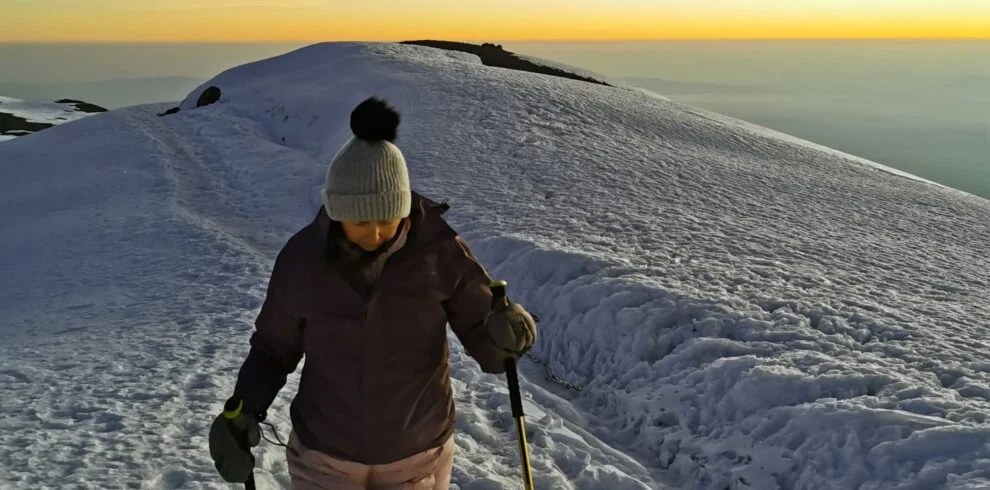
9 Days
9-Day Kilimanjaro Lemosho Route Extended Acclimatization Climb
9-day Kilimanjaro Lemosho Route summit climb with Everyday Safaris, expert local guides, safety-focused pacing and a custom Tanzania quotation.
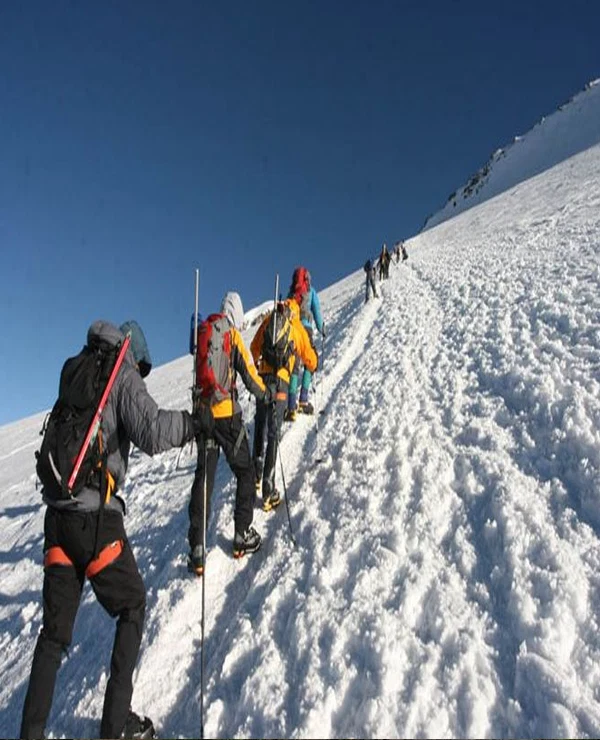
9 Days
9-Day Kilimanjaro Northern Circuit Route Climbing Expedition
9-day Kilimanjaro Northern Circuit summit climb with Everyday Safaris, expert local guides, safety-focused pacing and a custom Tanzania quotation.
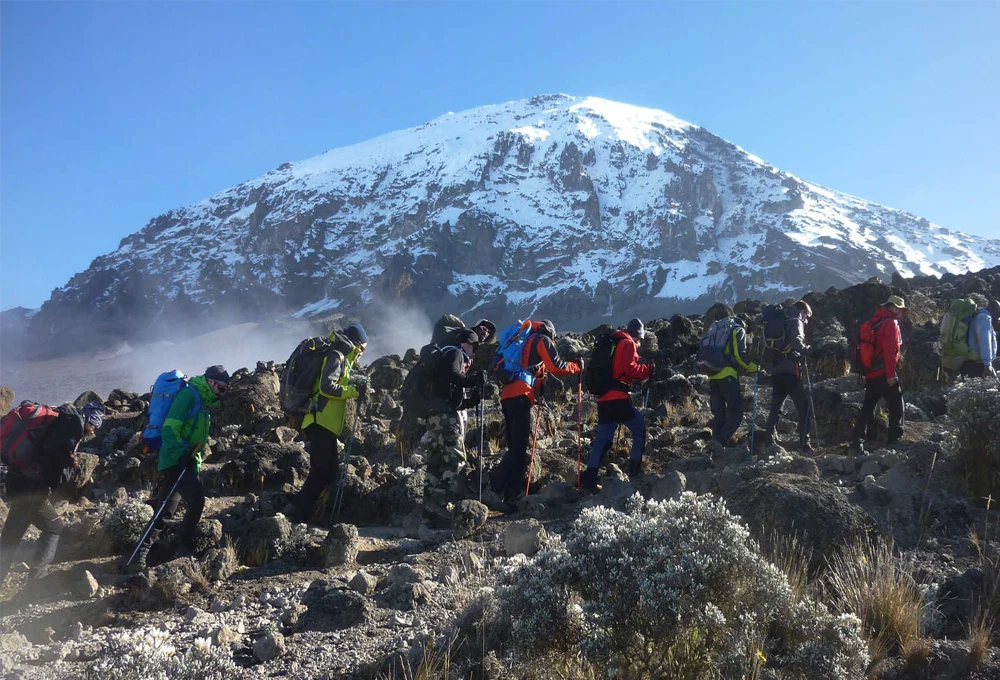
10 Days
10-Day Kilimanjaro Northern Circuit and Crater Camp Expedition
10-day Kilimanjaro Northern Circuit summit climb with Everyday Safaris, expert local guides, safety-focused pacing and a custom Tanzania quotation.
10 Days
10-Day Private Kilimanjaro Northern Circuit Summit Expedition
10-day Kilimanjaro Northern Circuit summit climb with Everyday Safaris, expert local guides, safety-focused pacing and a custom Tanzania quotation.
Not sure which climb is right for you?
Compare Kilimanjaro Routes→
EXPLORE THE ROUTES
Choose Your Kilimanjaro Route
Six routes. Six different ways to experience Kilimanjaro. Explore the major approaches and open any route for complete planning information.
Compare All Routes → 01
01
SCENIC WESTERN APPROACH
Lemosho
Scenic landscapes and a longer approach.
Explore Route → 02
02
CLASSIC MOUNTAIN JOURNEY
Machame
Varied terrain and a classic climbing experience.
Explore Route → 03
03
THE HUT ROUTE
Marangu
Kilimanjaro's traditional hut-based route.
Explore Route →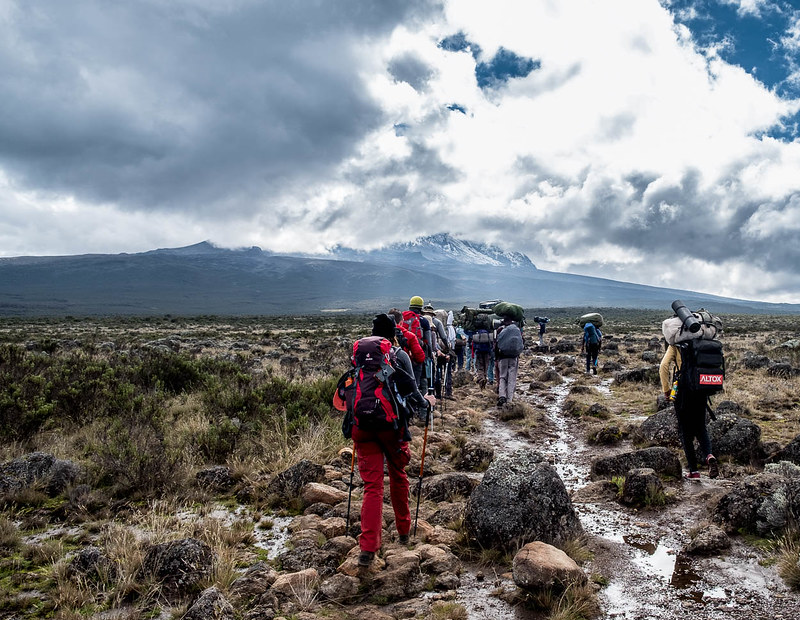 04
04
LONG NORTHERN TRAVERSE
Northern Circuit
More mountain time and gradual progression.
Explore Route → 05
05
NORTHERN APPROACH
Rongai
A quieter approach from Kilimanjaro's north.
Explore Route → 06
06
STEEP & DIRECT
Umbwe
A demanding approach for experienced trekkers.
Explore Route →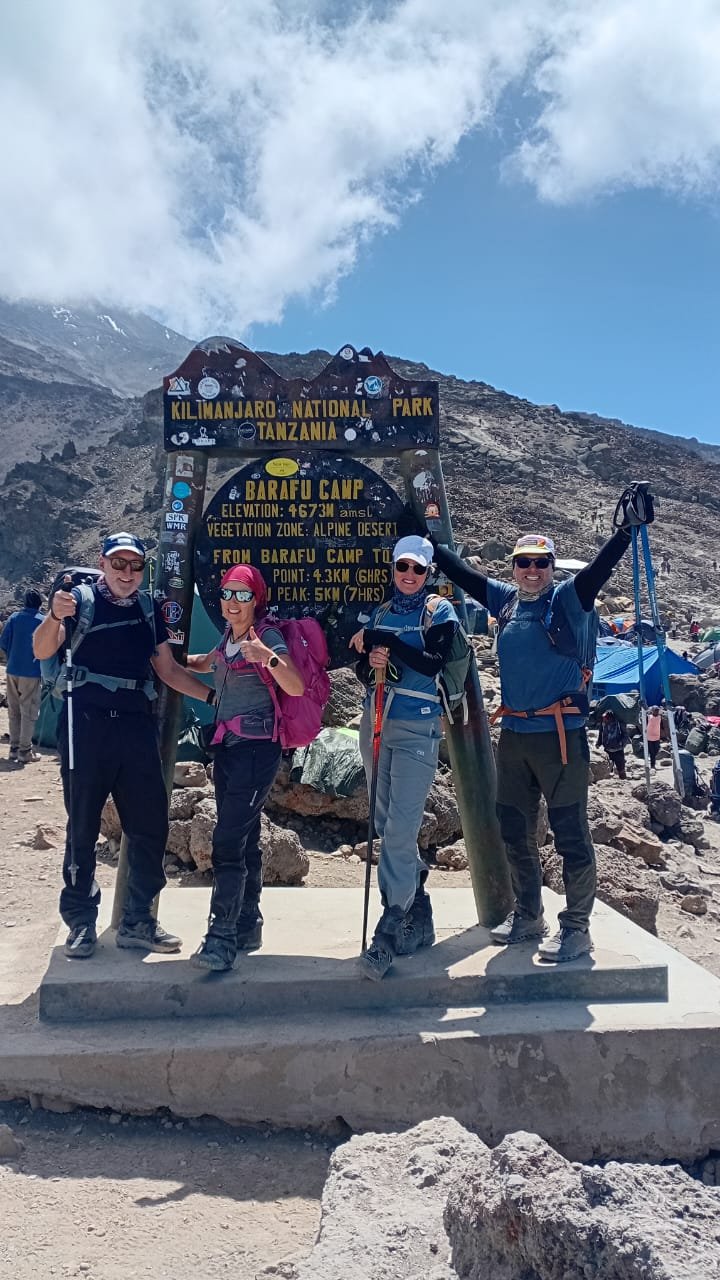
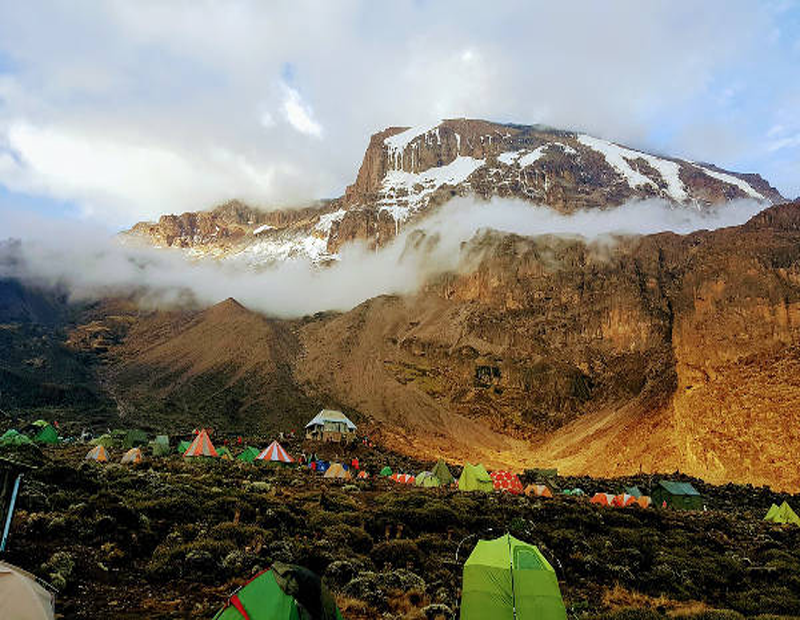
MORE THAN A SUMMIT
Every day on Kilimanjaro brings a new altitude, landscape and stage of the expedition.
THE KILIMANJARO EXPERIENCE
What Is It Really Like to Climb Kilimanjaro?
Climbing Kilimanjaro is not a single-day summit attempt. It is a multi-day mountain journey where your route, pace and acclimatisation plan shape the experience.
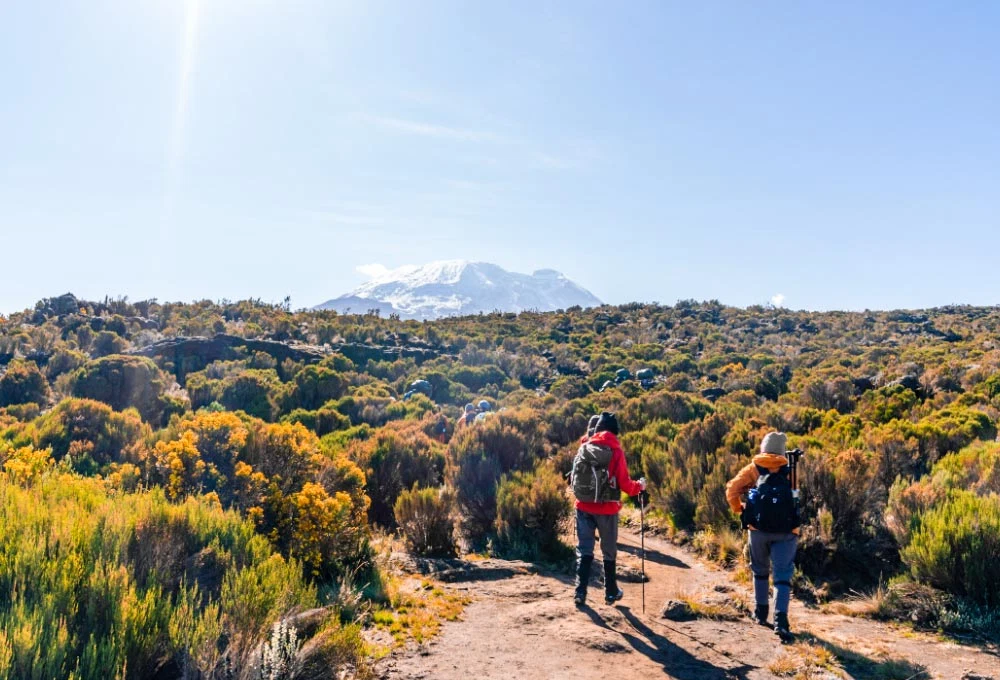
Most climbers begin at a forested trailhead and gradually move through rainforest, heath, moorland and high alpine terrain before reaching the upper slopes of Mount Kilimanjaro.
Standard Kilimanjaro routes do not require technical mountaineering skills, but altitude makes the mountain demanding. Good Kilimanjaro preparation ,sensible pacing and enough time for altitude acclimatisation are important parts of a properly planned climb.
Everyday Safaris offers private Kilimanjaro climbs and group Kilimanjaro climbs across the major routes leading towards Uhuru Peak.
Changing Landscapes
Forest to alpine terrain
Multi-Day Journey
Progress gradually upward
Altitude Matters
Pacing and acclimatisation
SAFETY & ACCLIMATISATION
Climb Higher. Acclimatise Smarter.
Altitude is one of the biggest challenges on Mount Kilimanjaro. A well-planned climb gives your body time to adjust while your mountain team monitors how you are responding throughout the journey.
Kilimanjaro does not require technical climbing on the standard routes, but reaching Uhuru Peak means spending several days at increasing altitude. Choosing an appropriate itinerary, maintaining a steady pace and allowing enough time to acclimatise can make a major difference to the experience.
Our mountain teams place strong emphasis on responsible pacing, daily health awareness and communication throughout the climb. Guides observe how trekkers are responding to altitude and can adjust the pace or advise on the safest course of action when necessary.
Gradual Ascent
Longer itineraries can provide more time for the body to adjust as elevation increases.
Daily Health Awareness
Our guides monitor climbers throughout the expedition and encourage clear communication about how you are feeling.
Pole Pole Pacing
A controlled walking pace helps avoid unnecessary exertion as the mountain becomes higher and more demanding.
Safety Equipment & Support
Mountain operations include first-aid preparedness, emergency oxygen and evacuation planning where required.
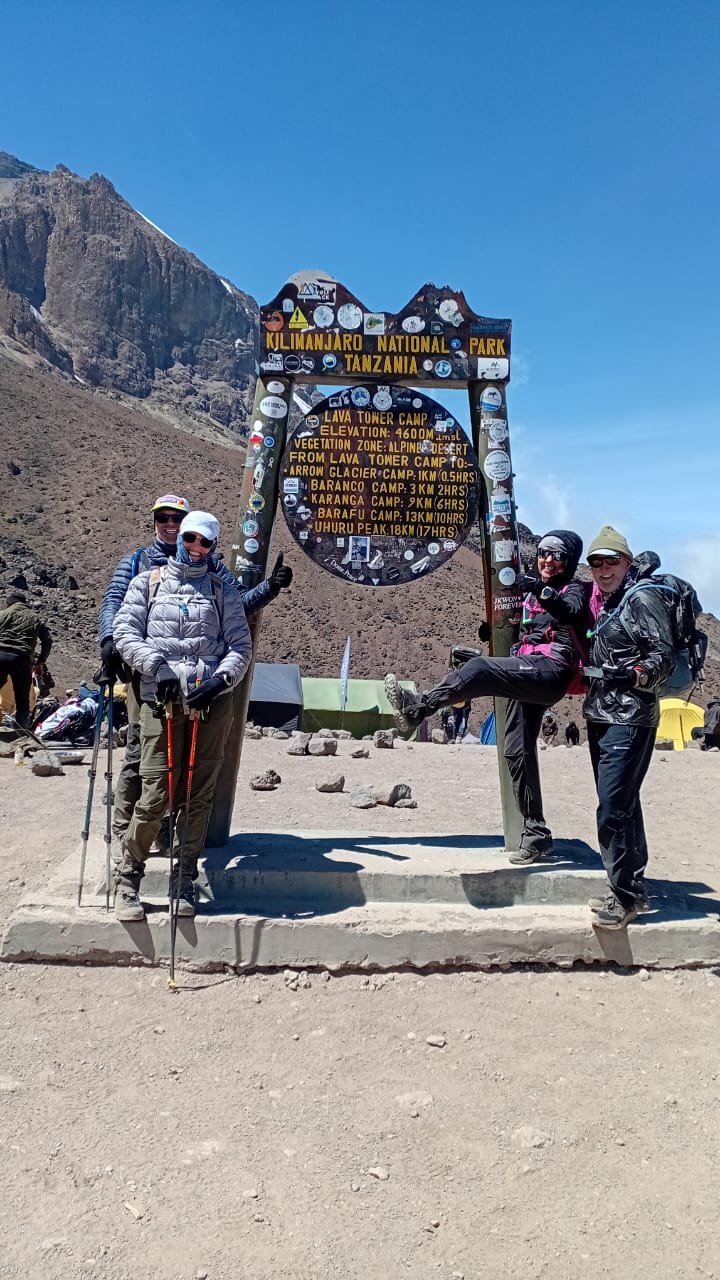
LAVA TOWER
4,600 m
A familiar acclimatisation point on several Kilimanjaro itineraries, where climbers experience significantly higher elevation before continuing their journey.
Learn about acclimatisation →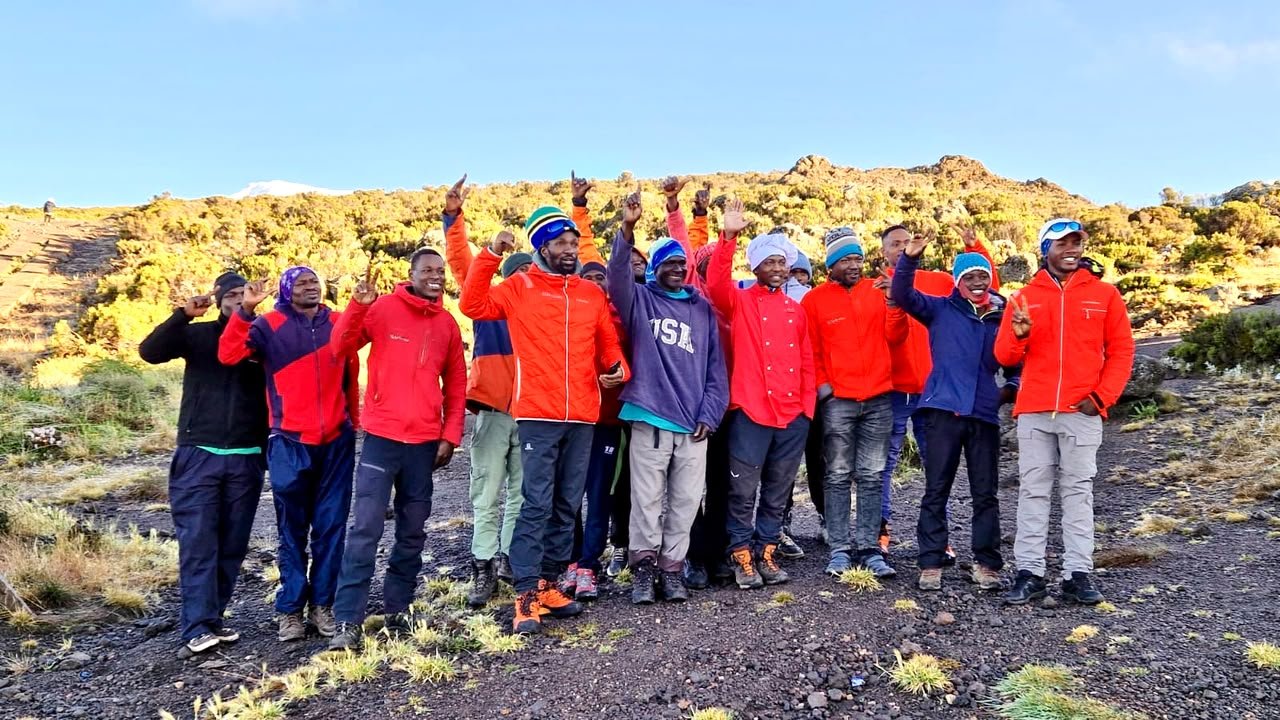
LOCAL MOUNTAIN EXPERIENCE
A Kilimanjaro expedition depends on guides, assistant guides, cooks and porters working together throughout the journey.
GUIDES • PORTERS • SUPPORT CREW
Meet the People Behind Your Kilimanjaro Climb
Reaching Uhuru Peak is never a solo effort. Behind every climber is a mountain team responsible for guiding, camp support, meals, logistics and the day-to-day rhythm of the expedition.
Everyday Safaris works with experienced local Kilimanjaro guides and mountain support crews who understand the routes, changing weather, altitude challenges and practical demands of a multi-day climb.
Your lead guide coordinates the trek and monitors the progress of the group, while assistant guides help support climbers along the trail. Cooks prepare meals at camp, and porters transport essential expedition equipment between camps.
Responsible staffing and porter welfare are important parts of operating a Kilimanjaro expedition. The mountain experience depends on treating the people who make the climb possible with respect.
Lead Guides
Route leadership, pacing, communication and mountain decision-making.
Assistant Guides
Extra trail support and attention throughout the climbing group.
Porters
Transport camp equipment and expedition supplies between mountain camps.
Mountain Cooks
Prepare meals that support climbers during demanding trekking days.
Local Knowledge
Tanzania-based mountain crew
Team Support
From trailhead to summit
Responsible Trekking
Respect for the mountain team
WHEN TO CLIMB KILIMANJARO
Best Time to Climb Kilimanjaro
Mount Kilimanjaro can be climbed throughout the year, but weather conditions, rainfall, temperature and trail traffic change from season to season.
January to March and June to October are commonly chosen for Kilimanjaro climbing because these periods often bring drier mountain conditions. Weather at altitude can still change quickly, so every expedition should be prepared for cold, wind, rain and changing visibility.
Jan – Mar
POPULAR WINDOW
Warmer & Often Drier
Often a good period for Kilimanjaro trekking, with generally warmer conditions and fewer climbers than some peak-season months.
Apr – May
LONG RAINS
Wetter Mountain Conditions
Tanzania's long-rain period can bring wetter trails, cloud cover and more challenging mountain conditions.
Jun – Oct
POPULAR WINDOW
Drier & Cooler
One of the most popular periods for climbing Kilimanjaro, with generally drier weather and cooler high-altitude conditions.
Nov – Dec
TRANSITION
Short Rains & Variable Weather
November can bring shorter rain periods, while December conditions can vary as the mountain moves toward the next drier season.
Mountain weather is never guaranteed.
Conditions can change at any time of year, especially at higher elevations and during summit night.
JAN
FEB
MAR
APR
MAY
JUN
JUL
AUG
SEP
OCT
NOV
DEC
PLANNING TIP
Your route and number of days matter too.
The month you climb matters, but sufficient acclimatisation time remains important throughout the year.
KILIMANJARO PREPARATION
Prepare Well. Climb With Confidence.
Preparing for Mount Kilimanjaro is about more than fitness. Your training, trekking gear, altitude awareness and travel planning all contribute to a safer and more comfortable mountain experience.
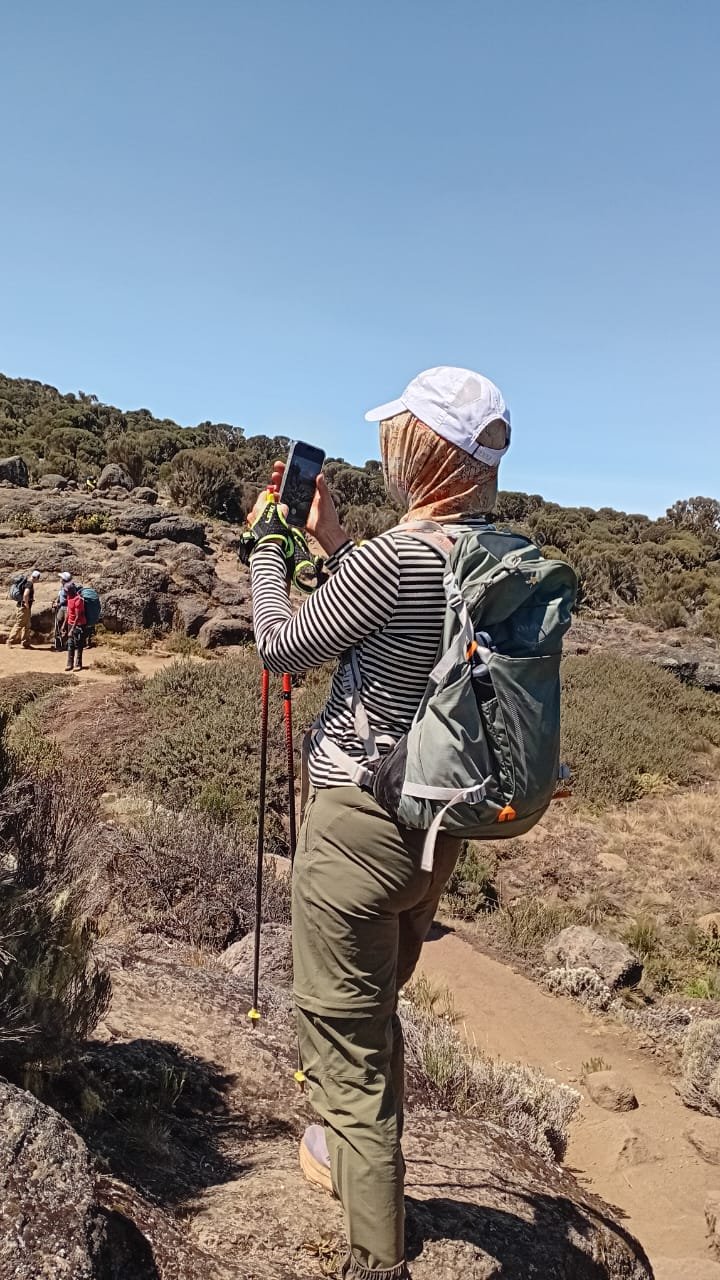
HOW SHOULD YOU PREPARE FOR KILIMANJARO?
Build your walking endurance, train on hills, test your trekking gear before travelling and choose an itinerary that allows sensible acclimatisation.
FITNESS & TRAINING
Train for Multi-Day Trekking
Kilimanjaro training should focus on walking endurance, hills, leg strength and the ability to stay active for several consecutive days. You do not need to be an elite athlete, but arriving with a good fitness base can make the climb considerably more manageable.
GEAR & PACKING
Pack for Several Climate Zones
A Kilimanjaro packing list needs to account for warm lower slopes, rain, cold mountain camps and freezing summit conditions. Layering systems, reliable footwear and weather protection are especially important.
View the Kilimanjaro packing list →
ALTITUDE PREPARATION
Give Your Body Time to Acclimatise
Physical fitness does not prevent altitude sickness. Your route, number of climbing days, hydration, pacing and response to increasing elevation all matter as you move towards Uhuru Peak at 5,895 metres.
Understand Kilimanjaro acclimatisation →
SUMMIT NIGHT
Prepare for the Toughest Stage
Kilimanjaro summit night usually involves cold temperatures, darkness, high altitude and many hours of slow climbing. Mental preparation, warm clothing and disciplined pacing become particularly important during the final ascent.
COMPLETE YOUR PREPARATION
Plan the climb before you reach the trailhead.
Not sure how much training you need for your route or travel dates?
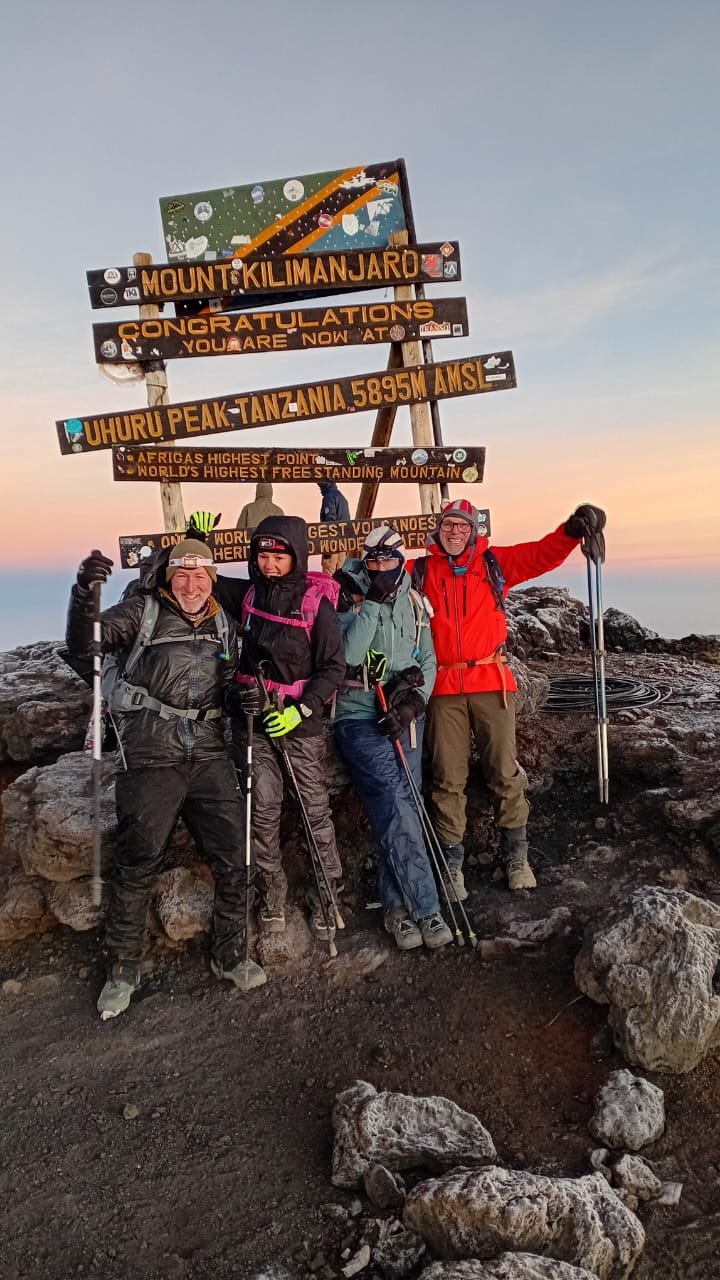
AFTER KILIMANJARO
The Summit Can Be Only the Beginning.
Many travellers combine a Mount Kilimanjaro climb with a Tanzania wildlife safari or a relaxing Zanzibar beach holiday. Planning the experiences together can create one complete Tanzania journey before you fly home.
From Uhuru Peak to Tanzania's Wild Landscapes
Continue your Kilimanjaro adventure with a Tanzania safari through destinations such as the Serengeti, Ngorongoro Crater, Tarangire and Lake Manyara.
Wildlife safari after Kilimanjaro
Private safari itineraries
Northern Tanzania safari circuit
From Summit Night to the Indian Ocean
After several days on the mountain, continue to Zanzibar for beach time, warm Indian Ocean waters and a slower ending to your Tanzania itinerary.
Zanzibar after Kilimanjaro
Beach extensions
Flexible island stays
ONE TANZANIA JOURNEY
Climb. Explore. Unwind.
Tell us how many days you have in Tanzania and we can help connect your Kilimanjaro climb with the rest of your trip.
Plan My Tanzania Trip →WHY EVERYDAY SAFARIS
Why Choose Everyday Safaris for Your Kilimanjaro Climb?
Choosing a Kilimanjaro tour operator is about more than selecting a route. You need a team that understands the mountain, altitude, expedition logistics and the support required from the trailhead to Uhuru Peak.
Everyday Safaris is based in Tanzania and works with experienced local mountain teams to organise guided Kilimanjaro climbs for travellers from around the world. We help with route selection, preparation, climbing logistics and the practical details needed for a well-planned mountain expedition.
Tanzania-Based Team
Local planning and support from a Tanzania-based safari and mountain trekking company.
Experienced Mountain Crew
Guides, assistant guides, cooks and porters support the expedition throughout the climb.
Safety-Led Planning
Route choice, pacing, acclimatisation and mountain awareness remain central to the journey.
Responsible Trekking
Respect for mountain staff, porter welfare and responsible trekking practices matters throughout the expedition.
Private & Group Climbs
Choose private Kilimanjaro climbs or scheduled group departures across the major mountain routes.
More of Tanzania
Extend your Kilimanjaro climb with a Tanzania safari or Zanzibar beach holiday.
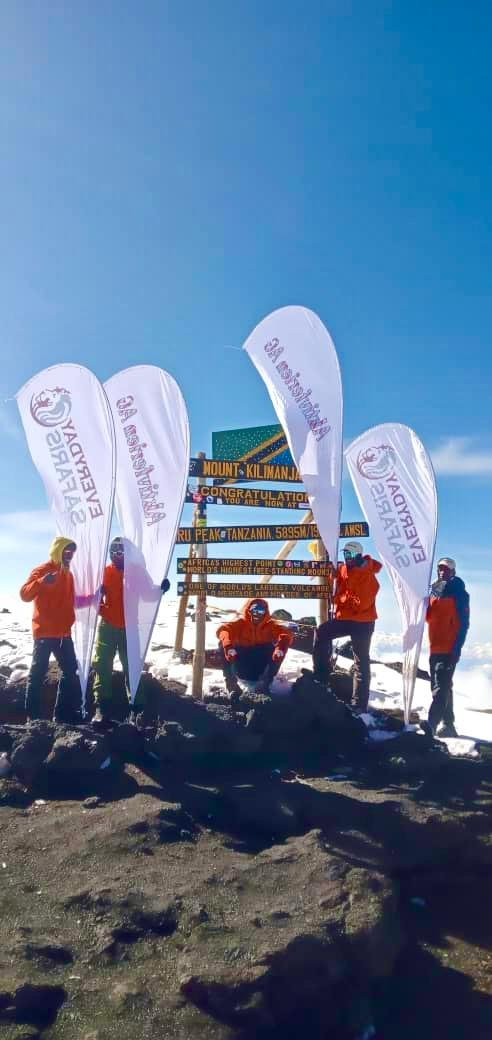
PLAN WITH A LOCAL TEAM
Start building your Kilimanjaro climb.
Tell us your preferred route, travel dates, available climbing days and group size.
Talk to Our Mountain Team →
FIND YOUR KILIMANJARO CLIMB
Explore routes, itineraries and climbing options.