3 Days3-Day Zanzibar Stone Town and Beach Escape
A short island escape combining a guided Stone Town experience with relaxed beach time.
View Trip Package →

Walk narrow lanes, carved-door streets, markets and the waterfront while learning how centuries of Indian Ocean trade shaped one of East Africa’s most distinctive historic towns.
Stone Town is the historic centre of Zanzibar and one of the clearest places to understand the island’s Swahili and Indian Ocean story. UNESCO recognises the town for its remarkably intact urban fabric and the cultural influences visible in its streets and buildings.
That history is easiest to appreciate on foot. The narrow lanes reveal carved doors, mosques, churches, market life, old commercial buildings and glimpses of the sea. The town is compact enough to explore slowly, but dense enough that rushing through it can make every corner look similar.
Stone Town is also lived in. People work, worship, shop, cook and raise families here. The strongest visit combines historical interest with respect for ordinary daily life instead of treating the neighbourhood as a staged attraction.
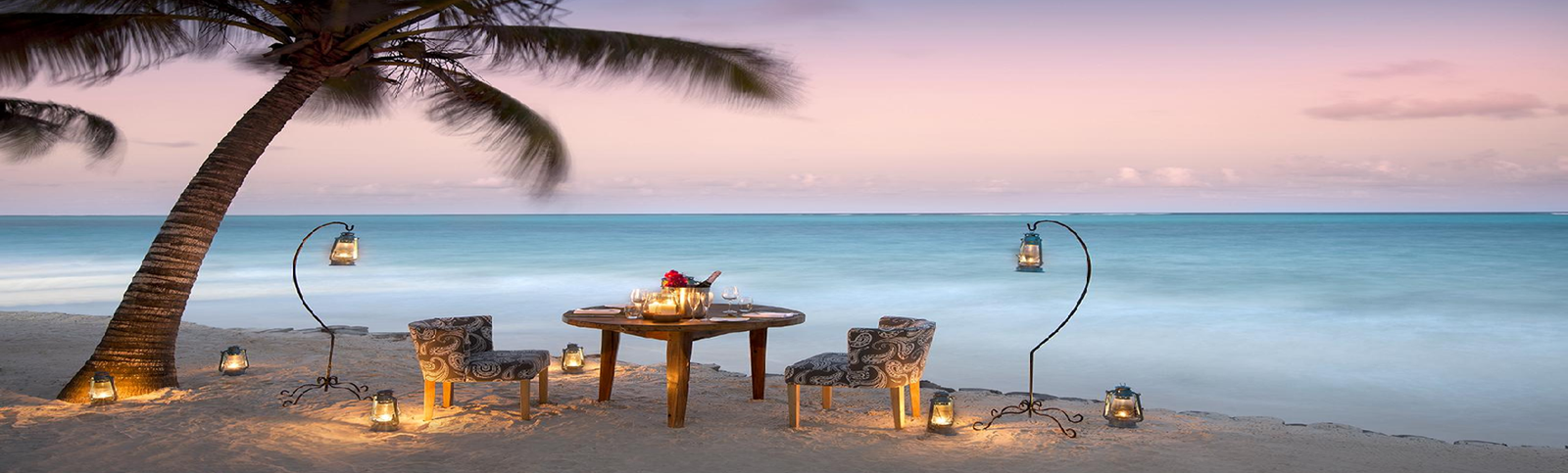
Instead of thinking of Stone Town as one attraction, move between the waterfront, market streets, carved-door neighbourhoods and the historic seafront. Each area feels different, and every card below is image-led as part of the destination experience.
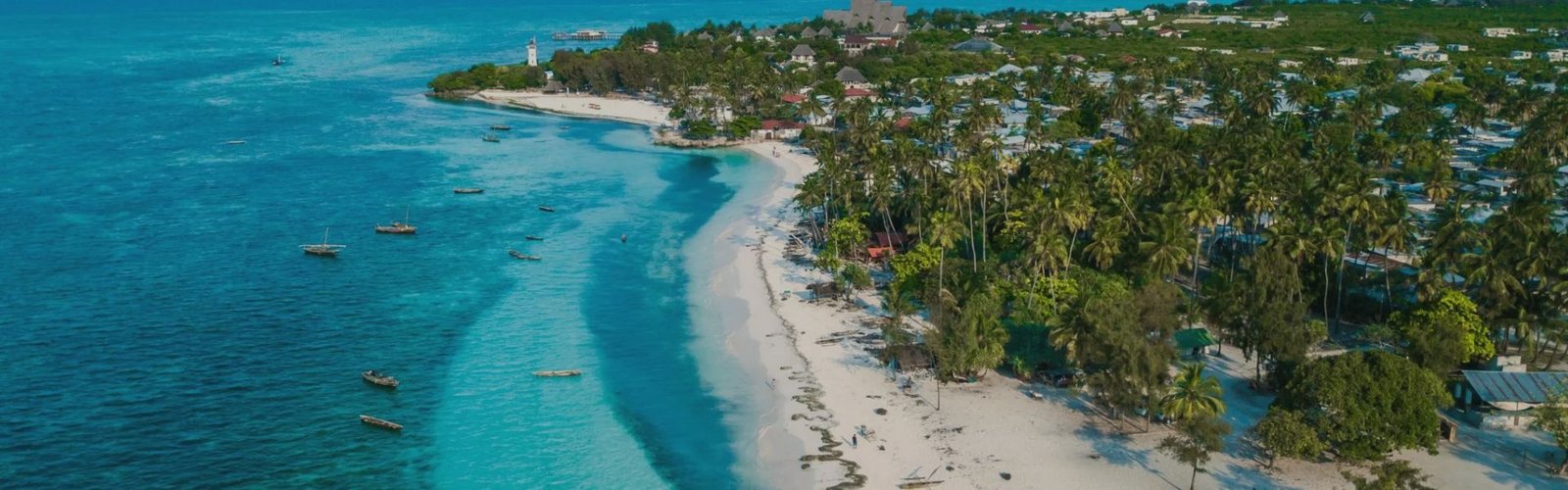
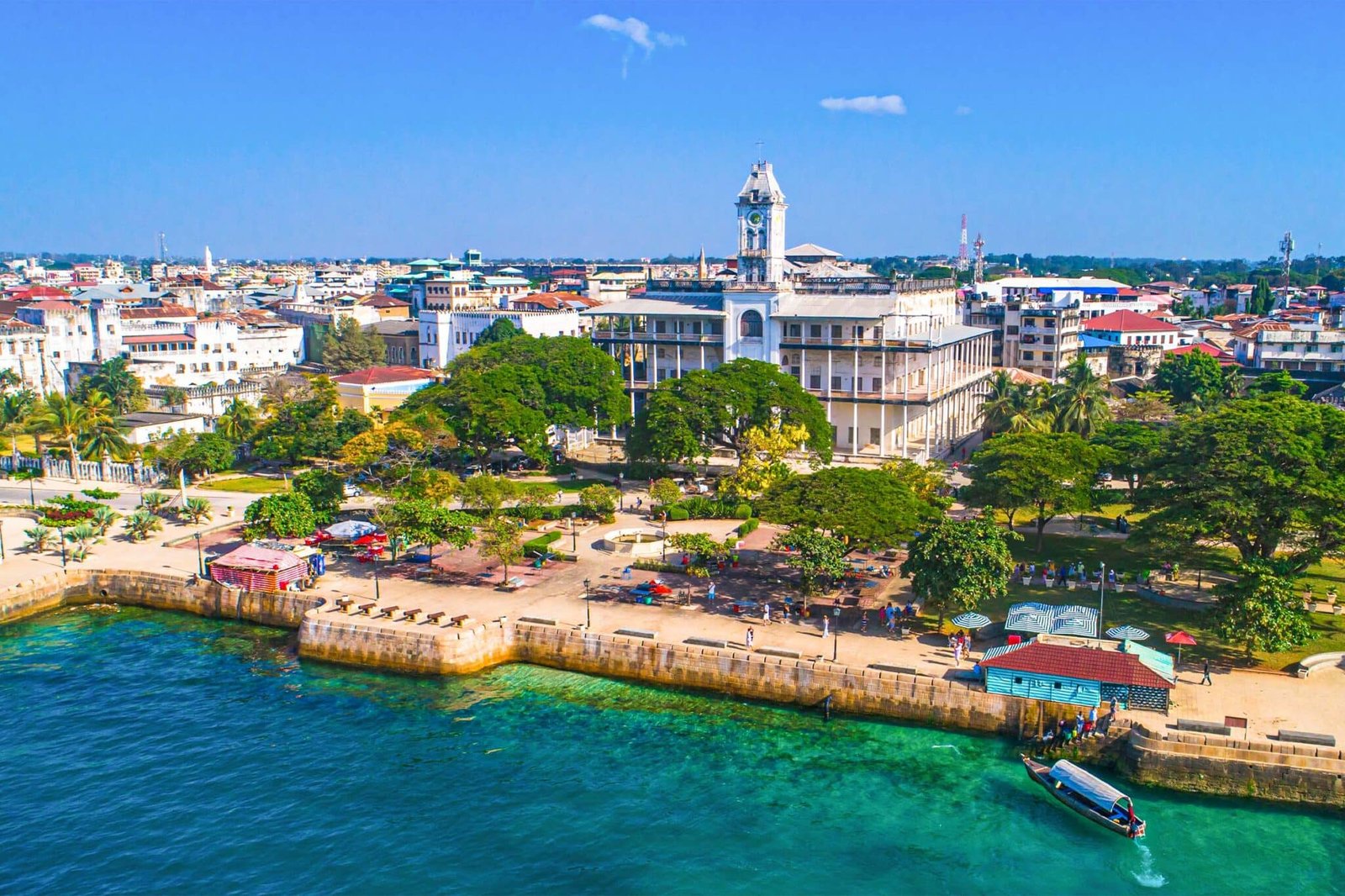
Start or finish near the sea, where Stone Town opens out after the narrow lanes and the evening atmosphere becomes part of the experience.
View Stone Town Escape →
The compact street pattern is central to Stone Town’s character. Walk slowly and let the architecture reveal itself rather than treating the route as a race.
View Stone Town + North Coast →
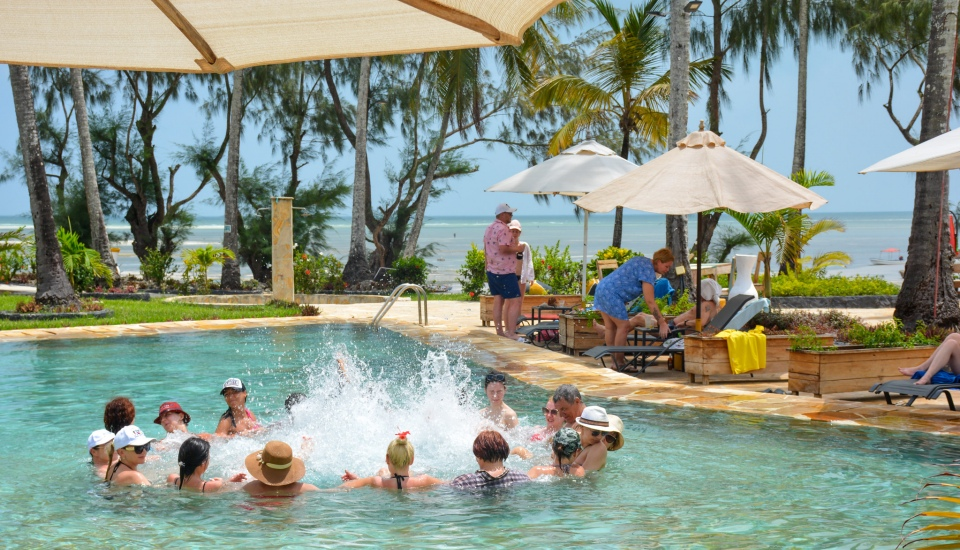
Markets give the visit a lived-in context. Go with curiosity, respect people’s space and ask before taking close photographs.
View Culture & Beach Trip →
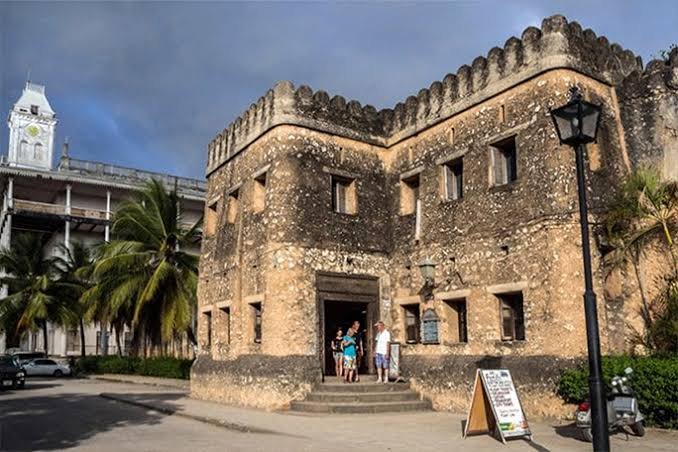
Old civic, religious and commercial buildings show how Zanzibar connected African, Arab, Indian and European influences over centuries.
View Complete Zanzibar Trip →Some of these journeys include Stone Town directly, while others are useful beach-led options to pair with a cultural stay. Compare the total duration and island style before choosing the itinerary that fits your dates.
3 DaysA short island escape combining a guided Stone Town experience with relaxed beach time.
View Trip Package →
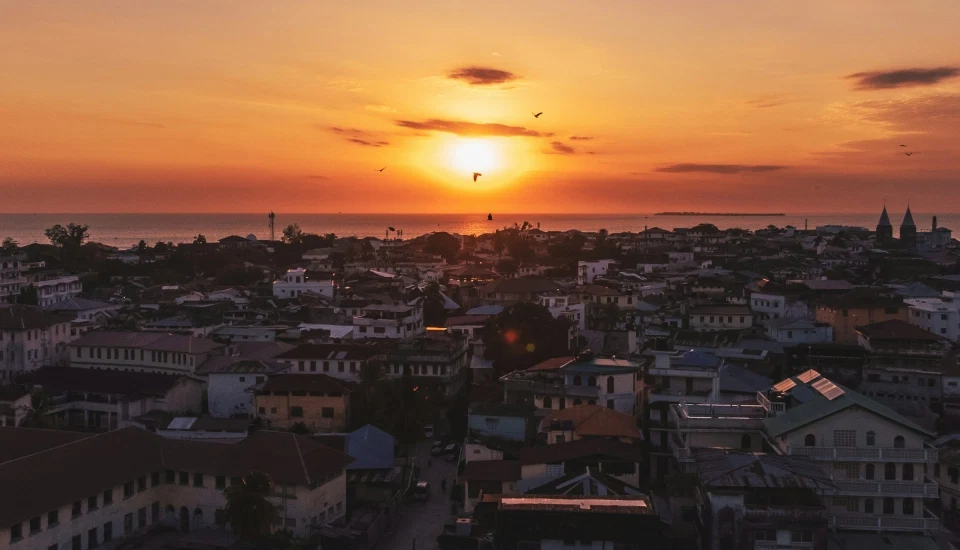
6 DaysHistoric Stone Town followed by a slower East Coast beach stay around areas such as Paje, Jambiani, Bwejuu or Michamvi.
View Trip Package →

7 DaysStone Town history and culture combined with Nungwi or Kendwa beach time and sunsets.
View Trip Package →
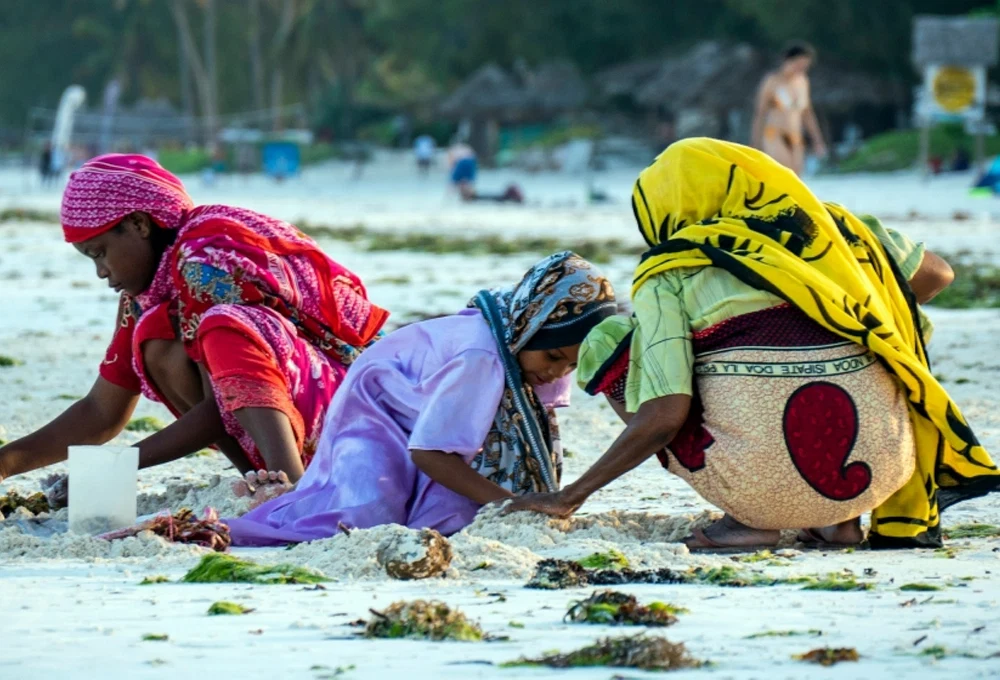
8 DaysSeven nights based around an East Coast stay with selected cultural or nature experiences and full beach days.
View Trip Package →
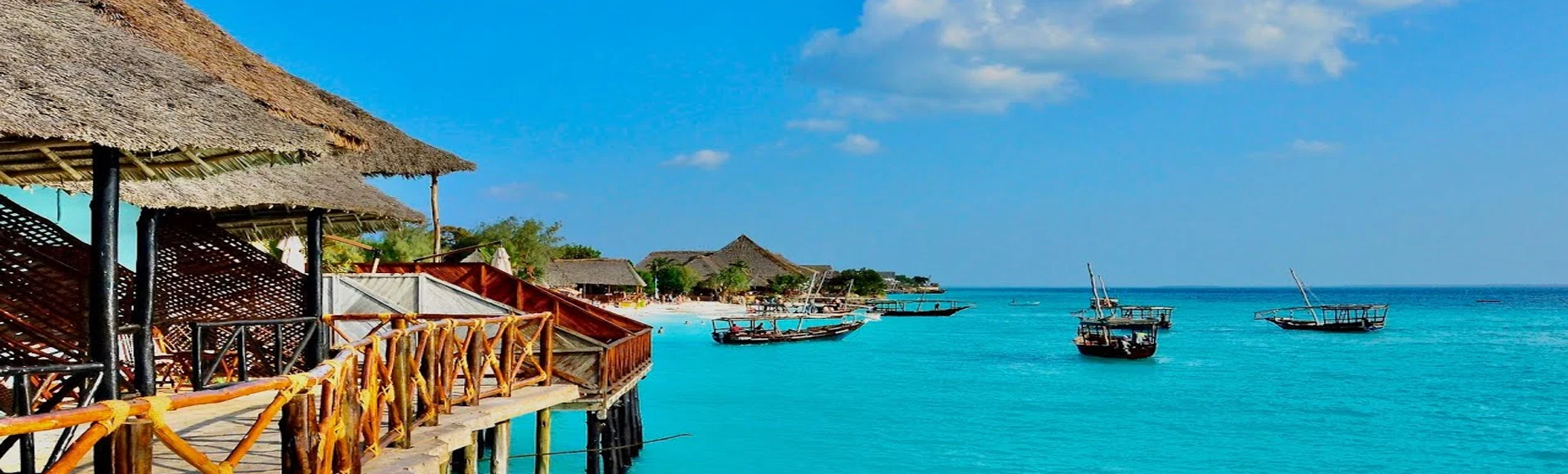
10 DaysA fuller multi-area itinerary combining Stone Town, selected beach areas, culture and deliberately unhurried island time.
View Trip Package →
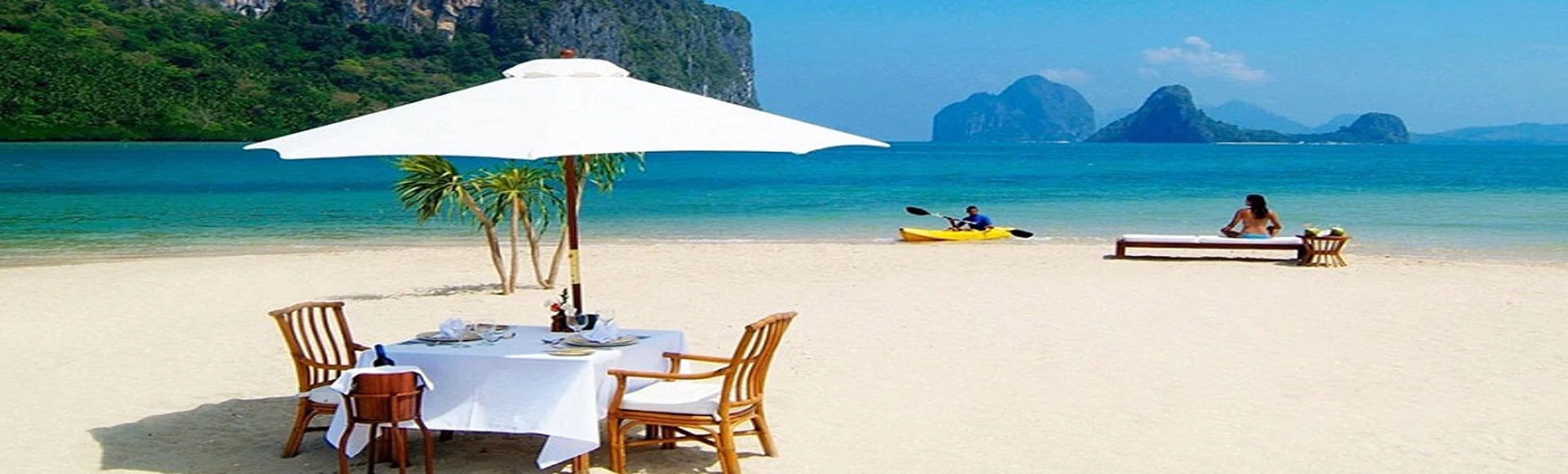
4 DaysA compact beach-first holiday for travellers who want a simple Zanzibar stay without overloading the schedule.
View Trip Package →
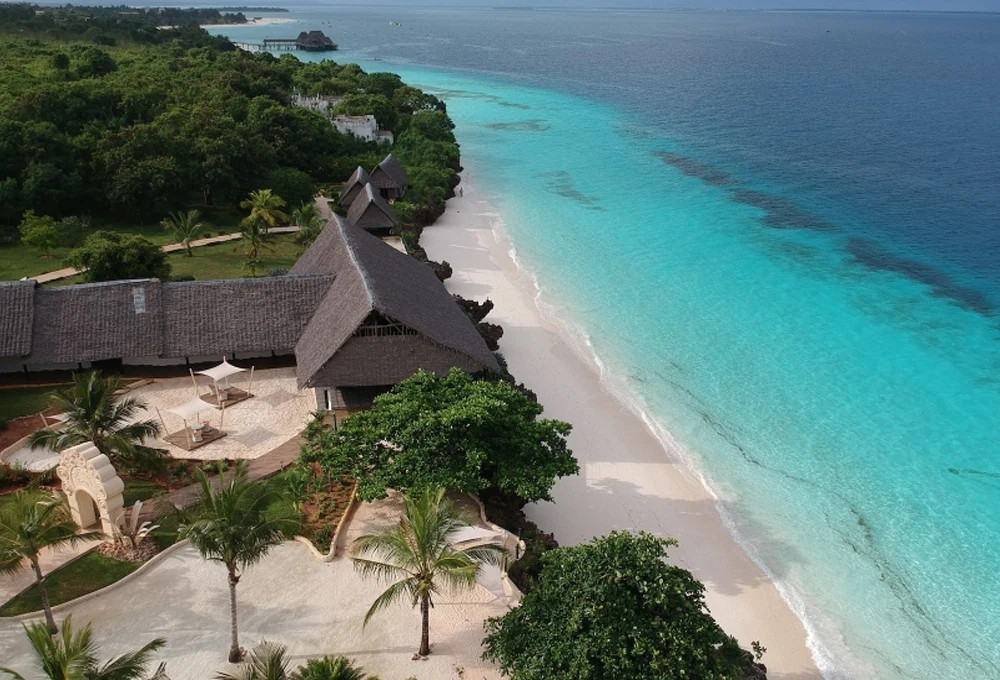
7 DaysA longer resort-led Zanzibar stay for travellers who want more time to enjoy the beach and hotel.
View Trip Package →

5 DaysA north-coast stay focused on Nungwi or Kendwa, full beach days, sunsets and optional marine experiences.
View Trip Package →The town makes more sense when you move through it in layers: orientation first, history next, then enough independent time to notice ordinary details without a guide speaking every minute.
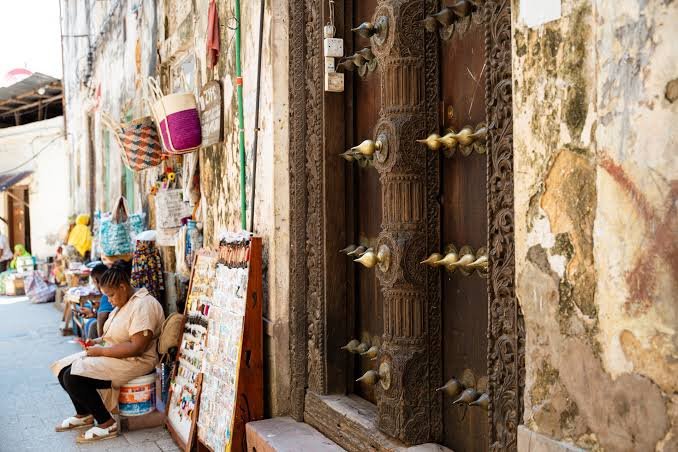
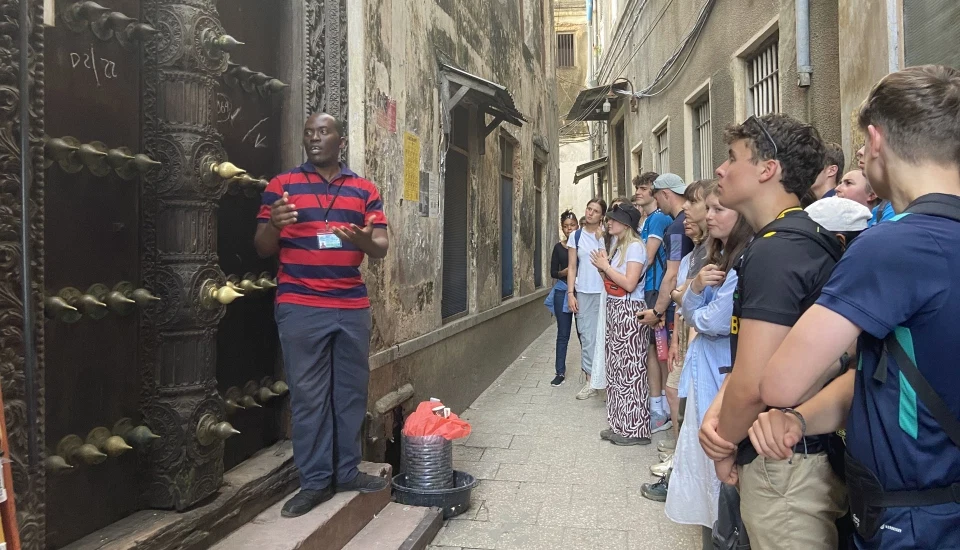
A guided walk is most useful when it explains why the streets look the way they do, how trade shaped the town and how different communities influenced the architecture.
Independent time lets you return to a street, shop or café that interested you. Stone Town rewards repetition because the same lane feels different when you are not following a fixed route.
Walking is more comfortable when the itinerary responds to temperature, shade and opening hours instead of forcing the longest section into the hottest part of the day.
The waterfront gives the day a natural finish. It changes the visual scale after hours in enclosed lanes and creates an easy transition into the evening.


Doorways are one of Stone Town’s best-known visual details. Look at them as part of streets and houses, not only as isolated photo subjects.
Mosques, churches and other religious spaces reflect the town’s layered history. Observe respectfully and follow local guidance on access.
Trade shaped Stone Town for centuries. Shops, markets and old commercial buildings keep that economic character visible today.
Best when Stone Town is an arrival or departure chapter before a longer beach stay. Keep the first evening gentle and use the next morning for the main guided walk.
Better for travellers who enjoy history, architecture, food and independent exploring. You gain a full day without checking in or out around the main cultural experience.
Works when your Zanzibar holiday is short and the beach is the main priority. Travel time from the coast should still be considered so the visit does not become rushed.
Stone Town is not only about buildings. Food, markets, cafés and the rhythm of public spaces are part of what makes a short stay feel complete.
Visit markets to understand daily life, produce, spices and the commercial side of the old town. Keep cameras discreet and do not block working spaces while trying to make photographs.
Meal choices range from simple local options to hotel and rooftop restaurants. A slower dinner is a good counterweight to a full morning of walking.
After the main heat falls, the waterfront and central streets take on a different energy. An overnight stay lets you experience that change instead of leaving immediately after the tour.
Architecture is easy to photograph; people require more care. Ask permission before photographing individuals and remember that many streets are residential.
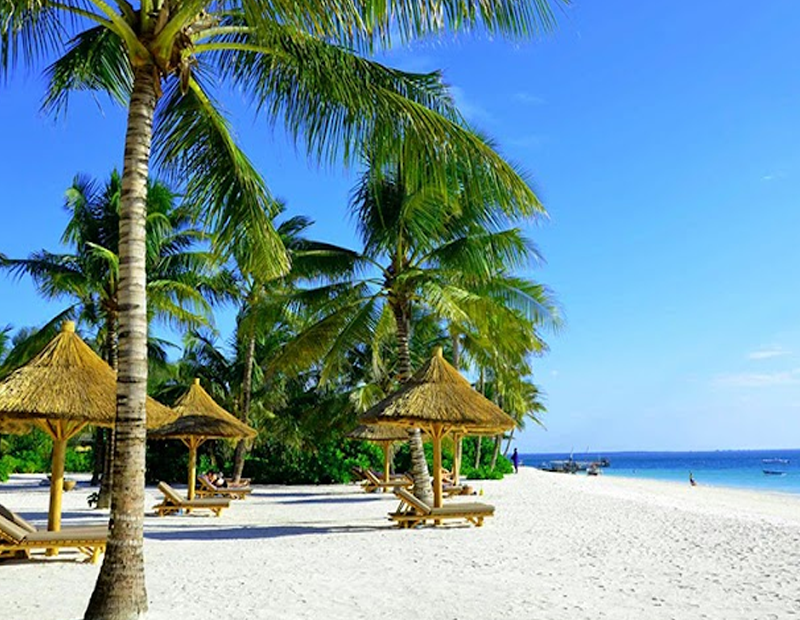
The town is an easy cultural opening to a longer Zanzibar stay. After one or two nights, move north for sunsets and a stronger resort atmosphere or east for long beaches, tidal scenery and a quieter pace.
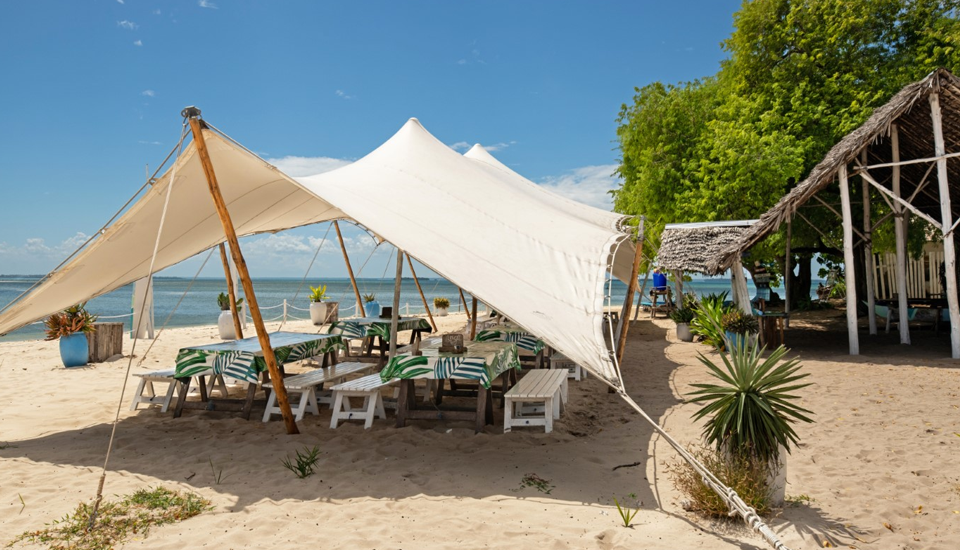
Choose the north when you want sunsets, a strong beach focus and a more active resort setting after Stone Town.
Explore North Coast →
Choose the east when you want wide beaches, more visible tidal change and a slower coastal atmosphere.
Explore East Coast →
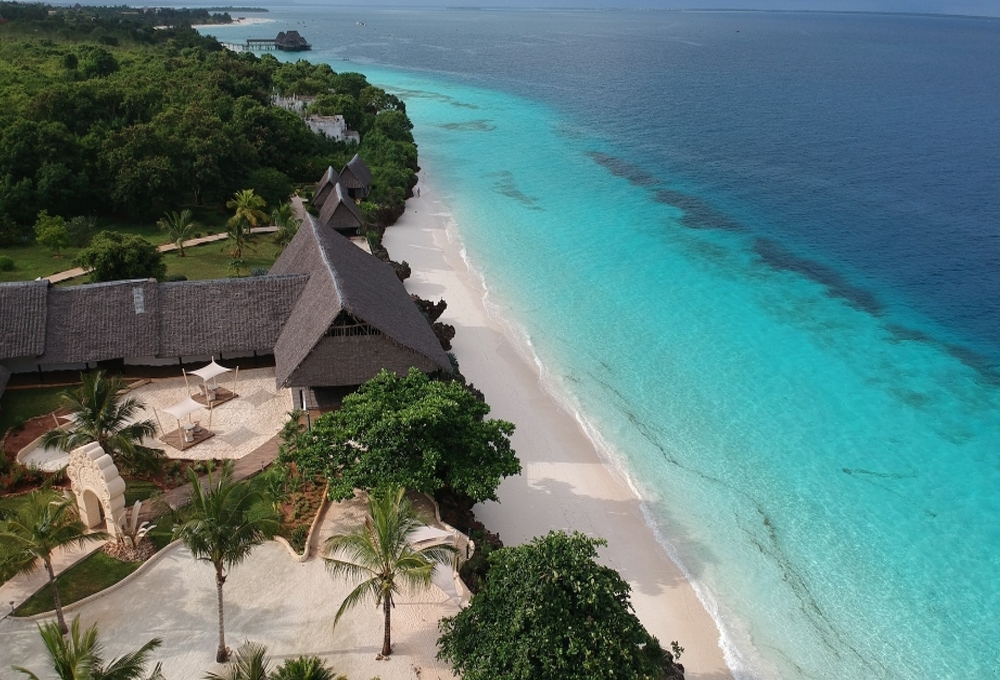
Use Stone Town as a short cultural chapter, then protect enough resort time for privacy and unhurried couple days.
Explore Honeymoons →
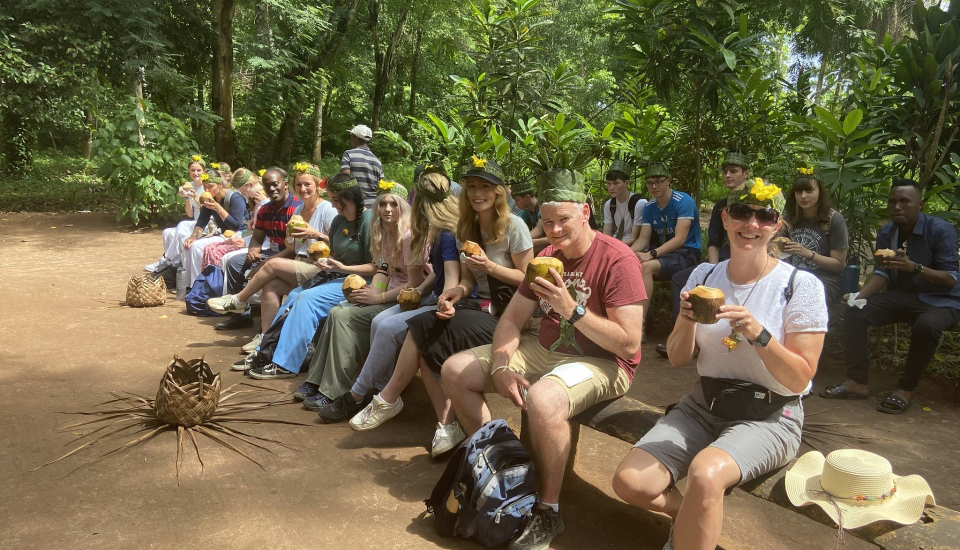
Compare all island styles when you are not yet sure whether Stone Town should be the beginning, middle or end of the trip.
Explore Zanzibar →Stone Town’s location makes it useful at the beginning or end of a Zanzibar itinerary, but the right choice depends on flight or ferry times and which coast you are using.
If you arrive late, a Stone Town night can be easier than adding a long road transfer to the coast after dark. Keep the evening simple and use the next morning for the main cultural walk before moving to the beach.
At the end of the holiday, a Stone Town night can also reduce pressure before an early departure. The important point is to plan around real travel time rather than moving hotels simply because an itinerary template says you should.

The strongest cultural experience comes from understanding context while respecting the fact that residents are going about their ordinary lives around you.
Resort beachwear is not the right default for every Stone Town street. Light, modest clothing is comfortable and more respectful in residential and religious areas.
Do not assume that market workers, children or residents want to become part of a travel photo. A simple request changes the interaction.
A guide should add interpretation and help you move responsibly through the town, not turn every local encounter into a performance.
Independent cafés, restaurants, shops and crafts can make the visit more meaningful when you buy because the product genuinely interests you.
Stone Town explains the island before you move to the beach, especially when this is your first visit to the Zanzibar archipelago.
The dense street pattern, religious buildings, old commercial architecture and carved doors reward people who enjoy urban heritage.
A short stay adds cultural variety after wildlife or the mountain, provided it does not take away the recovery time you want on the coast.
A good Stone Town itinerary is flexible enough to adapt to weather, opening times, religious life and the interests of the traveller. Paid attractions or museum entrances should only be treated as included when they appear in the confirmed quotation.
Useful expectation: the value of Stone Town does not depend on entering every historic building. The lanes, waterfront, markets, carved-door streets and guided historical context can make the stay meaningful even when one site is closed or not part of the booked itinerary.
Yes, especially if you want to experience the historic quarter outside the busiest sightseeing hours. An overnight gives you time for an evening waterfront walk, dinner, an early-morning wander and a guided cultural walk without compressing everything into a day trip. For travellers with only a short Zanzibar stay, one night can be enough; travellers who enjoy architecture, history and food may prefer two.
One or two nights works well for many Zanzibar itineraries. One night suits travellers using Stone Town as an arrival or departure chapter before the beach. Two nights creates more space for a guided historical walk, markets, waterfront time and independent exploring. Longer stays make sense when culture and urban history are a major part of the holiday.
Stone Town is the historic urban heart of Zanzibar and a UNESCO World Heritage Site. Its narrow street pattern, coral-stone buildings, carved doors, markets, seafront architecture and layered Swahili, African, Arab, Indian and European influences make it very different from Zanzibar’s resort beaches. It is also a lived-in town, not an open-air museum.
You can walk independently, but a knowledgeable local guide adds context that is easy to miss when you only see lanes and buildings. A guided walk can explain architecture, trade history, religious and cultural influences, market life and the meaning of different areas. Everyday Safaris trip itineraries use guided walking while keeping later time free for independent wandering.
Stone Town is a lived-in, culturally conservative urban area. Dress respectfully away from resort beaches, especially when walking through residential areas, markets or near religious sites. Lightweight clothing that covers shoulders and knees is a practical choice. Ask permission before photographing people.
Yes. The published 7-Day Zanzibar Nungwi Kendwa and Stone Town Experience is designed specifically around that combination. Stone Town gives the holiday a cultural opening or closing chapter, while the north coast adds beach time and sunsets. The 10-Day Complete Island Holiday can also include Stone Town with selected north and/or east-coast areas.
Yes. The 6-Day Zanzibar Stone Town and East Coast Beach Holiday combines the historic town with an East Coast base such as Paje, Jambiani, Bwejuu or Michamvi. It works well for travellers who want history first and a slower coastal stay afterward.
Yes, but pace matters. After safari, one Stone Town night can add cultural depth before the beach. After Kilimanjaro, some travellers prefer to go directly to the coast for recovery and return to Stone Town later or keep the town visit short. The best choice depends on energy, total island time and arrival schedule.
No. Everyday Safaris states that entrance fees to museums or special attractions are included only when listed in the confirmed quotation. A guided Stone Town walk can still focus on streets, markets, architecture and waterfront context even when a particular paid site is not part of the itinerary.
Arrive, settle in and keep the first evening easy. Do the main guided walk the next morning when you are fresh, then leave part of the afternoon open for coffee, shopping, photography or simply getting lost in the lanes. This creates a better sense of place than trying to tick off every attraction in a few hours.
Everyday Safaris can shape Stone Town as an arrival chapter, a cultural midpoint or a short finish before departure, then connect it to the right beach stay.
Compare stay length, heritage focus, beach pairings and Tanzania combinations through direct links to relevant Everyday Safaris pages.
Use one night for a compact cultural introduction and two nights when you want more time for architecture, markets, food and independent wandering.
Stone Town is easiest to enjoy when the guided walk is not squeezed between airport transfers and a same-day move to the coast.
Use the town for history, architecture, markets and the wider Indian Ocean story rather than rushing from landmark to landmark.
A guided walk adds context; independent time lets you experience the old city at your own pace.
Stone Town becomes more powerful when the beach section feels deliberately different.
Use the north for sunsets and a stronger resort atmosphere, or the east for tidal scenery and a slower visual rhythm.
Stone Town can work as the first or last island night when it reduces transfer pressure or gives the holiday cultural context.
Use real flight, ferry and road-transfer times to decide where the town belongs in the itinerary.
Stone Town can support a short cultural escape, a longer beach holiday, a honeymoon, a safari extension or a complete island itinerary.
Choose the overall travel style first, then decide how much urban culture belongs in it.