Everyday Safaris

Plan Your Adventure
Everyday Safaris
Plan Your Adventure
Clear Answers Before You Climb

Kilimanjaro FAQs

Routes, altitude, weather, packing, safety, mountain crews, arrival logistics, summit night and Tanzania extensions—use this question hub to understand the practical decisions behind a well-planned Kilimanjaro climb.
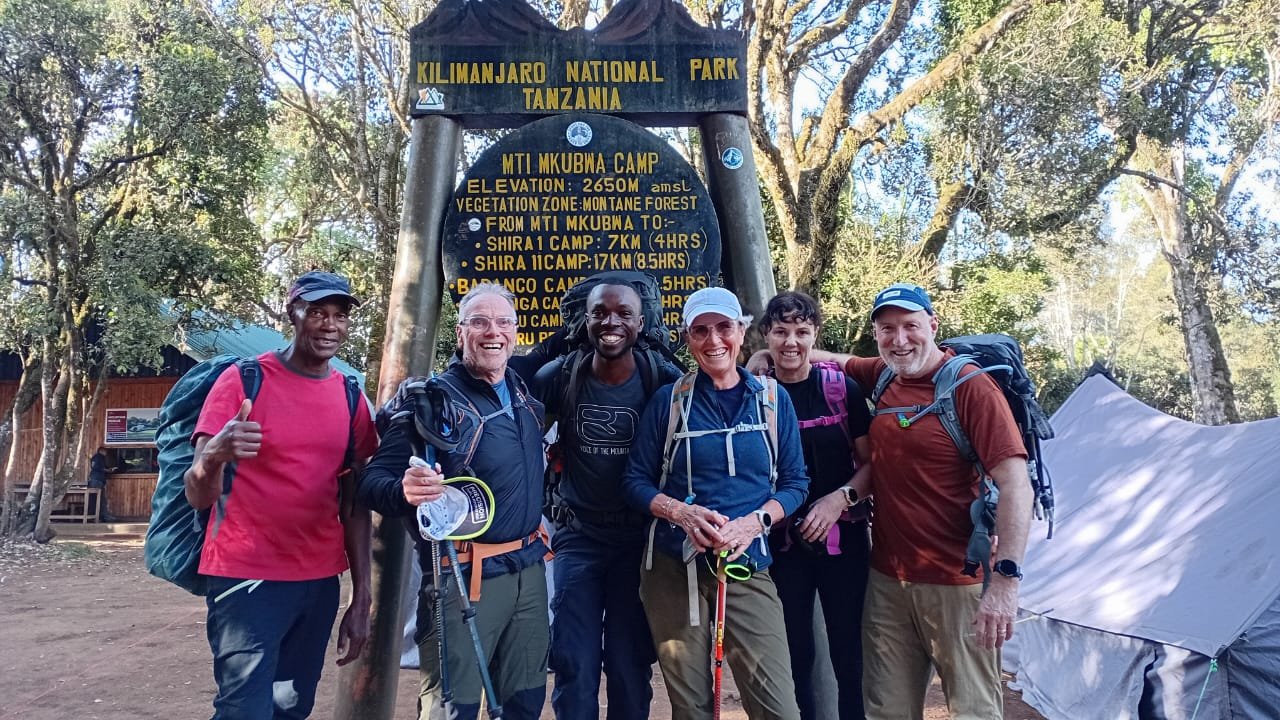
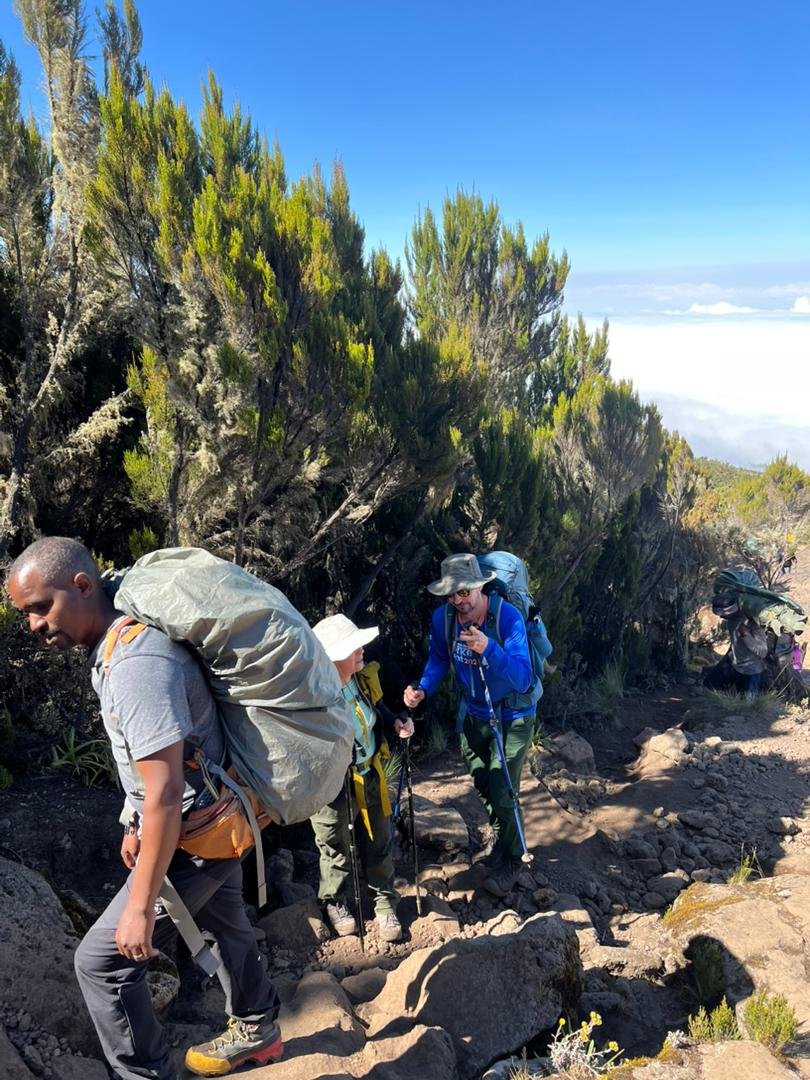
Kilimanjaro climbers and local guide together at a mountain camp sign
Jump to a Topic

80 Kilimanjaro Questions, Organised by What You Need to Know

Choose a category below. Every section contains ten detailed answers, with practical links to the full planning guides when you want to go deeper.

Kilimanjaro routes & duration planning photograph
Routes & Duration

Choosing the Right Way Up Kilimanjaro

Every route balances scenery, duration, sleeping style, trail traffic and acclimatisation differently.

01Which Kilimanjaro route is best for a first-time climber?+
There is no universal best route. Lemosho and Northern Circuit are often attractive when travellers want longer schedules and more time to acclimatise; Machame offers a varied southern circuit; Marangu uses huts; Rongai approaches from the north; and Umbwe is steep and direct. The best choice depends on days available, comfort style, previous trekking experience and how conservative you want the altitude profile to be.For a first climb, compare the daily elevation pattern, sleeping style, total days and how much recovery time the itinerary gives you. A route that fits your pace and available travel window is more useful than choosing only by popularity.
02How many days should I allow for the climb?+
Your total mountain time depends on the route and itinerary. In general, allowing more days gives the schedule more room for gradual elevation gain, recovery and acclimatisation. Do not choose an itinerary simply because it reaches the summit in the fewest days; compare the daily profile and sleeping elevations.Count the mountain days separately from arrival, briefing, recovery and any safari or Zanzibar extension. International travellers should leave enough buffer that a delayed flight or tired post-climb day does not make the entire Tanzania itinerary unnecessarily tight.
03What is the difference between Lemosho and Machame?+
Both eventually use parts of Kilimanjaro’s southern circuit, but Lemosho begins farther west and usually gives more time before joining busier sections. Machame starts through rainforest on the south-western side and is known for a varied landscape and Barranco Wall. Compare actual itinerary lengths rather than route names alone.Lemosho generally approaches from the west before joining the southern circuit, while Machame begins farther south-west and reaches Shira more directly. The better choice depends on duration, preferred trail character and how much time you want before the higher camps.
04Why would someone choose Marangu?+
Marangu is distinctive because it uses mountain huts rather than tented camps. It follows a more direct approach through Mandara, Horombo and Kibo. Some travellers value the hut system, while others prefer the scenery and longer acclimatisation patterns available on camping routes.Marangu is distinctive because climbers sleep in huts instead of tents. That changes the camp experience, but it does not remove altitude, cold or summit-night difficulty; itinerary length and acclimatisation still deserve the same attention.
05Is Northern Circuit worth the extra days?+
For travellers with enough time, Northern Circuit offers a long traverse around quieter northern slopes and can create a gradual expedition rhythm. The extra days are not a guarantee of summit success, but they can provide more acclimatisation time and a less hurried experience.The extra days are valuable when they are used well. Northern Circuit also changes the feel of the expedition by spending more time around the quieter northern side, so travellers should judge it by both acclimatisation profile and the experience they want.
06Is Rongai really quieter?+
Rongai approaches from the northern side and is often chosen by travellers who want a different opening landscape and potentially less traffic during the early stages. Actual trail numbers still vary by season and departure date.Rongai approaches from the north and can feel different from the busier southern approaches. “Quieter” is relative, however, and actual trail traffic changes by date, group departures and where routes begin to converge higher on the mountain.
07Is Umbwe suitable for beginners?+
Umbwe has a steep, direct opening and rapid early altitude gain. It is normally better suited to strong trekkers who understand that fitness does not cancel altitude risk. A first-time climber should discuss the route carefully rather than choosing it simply because the itinerary looks short.Umbwe gains altitude aggressively in its opening stages. Strong fitness does not cancel that rapid elevation gain, which is why beginners should compare it carefully against longer routes that provide more time for the body to adapt.
08Can I change route after booking?+
A route change may affect permits, park logistics, crew planning, accommodation and price. Ask as early as possible if your circumstances change. Once the mountain operation is confirmed, last-minute changes become much harder to manage.If a route change is possible, the practical consequences should be confirmed in writing: revised dates, park arrangements, accommodation, crew planning and any price difference. It is far easier to make that decision before the operating team has been fully scheduled.
09Should I choose a private or scheduled group climb?+
Private departures offer control over dates and group composition, while scheduled groups can appeal to solo travellers or people who enjoy meeting others. The more important questions are route, duration, guide standards and how the operator manages pacing and safety.Private climbs offer control over group composition and dates; scheduled groups offer a shared social experience and may suit solo travellers. In either format, ask how pace, health decisions and separation of a struggling climber are handled.
10Is a shorter itinerary always cheaper and easier?+
It can reduce the number of mountain days, but “shorter” does not automatically mean easier. Faster elevation gain can make the altitude profile more demanding. Compare value across the whole operation—route days, crew, safety systems, equipment and support—not just the advertised number of nights.A short itinerary can reduce the number of mountain days, but it may create a more compressed altitude profile. Compare value using the complete operation—route, crew, accommodation, acclimatisation time and inclusions—rather than the headline number of days alone.
Weather & Best Time

Seasons, Rain, Cold & Visibility

Kilimanjaro is climbable year-round, but each season brings a different mix of trail conditions and mountain atmosphere.

01What is the best month to climb Kilimanjaro?+
January to early March and June through October are commonly selected because conditions are often comparatively drier. No month guarantees clear skies or a dry trail. The better approach is to choose a broad seasonal window that suits your travel plans, then select a sensible route and itinerary.The practical choice is usually a window rather than one “perfect” month. Once you know your available dates, compare likely trail conditions with route length, crowd levels and any safari or Zanzibar plans so the whole Tanzania journey works together.
02Can I climb during the long rains?+
Yes, but expect more rain, mud, cloud and moisture management. The rainforest can become very wet while higher zones may feel completely different. Travellers choosing this period should be comfortable with variable conditions and strong waterproofing.Wet-season climbs require stronger rain management and realistic expectations about mud, cloud and drying gear. Travellers who value quieter trails may accept that trade-off, but waterproof organisation and warm camp layers become especially important.
03What are the November short rains like?+
November often brings shorter, more intermittent rain than the long-rain period, but patterns vary. One week can feel relatively settled while another is much wetter. Treat the month as a shoulder period rather than expecting the consistency of a traditional dry window.The short rains can be intermittent and variable rather than identical every year. Build the itinerary assuming rain is possible, keep critical insulation dry inside the duffel and avoid choosing November only because an old forecast or social post looked favourable.
04Which months are coldest on the mountain?+
High elevations are cold throughout the year, and summit night can be freezing in any season. Seasonal changes matter, but the upper mountain’s wind, darkness and exposure mean you should pack for severe cold regardless of what the daytime temperature feels like in Moshi or Arusha.Temperature falls with elevation and summit night can be severe in any month. Seasonal differences matter, but the clothing system should always be capable of handling wind, cold and long periods of slow movement at very high altitude.
05Will I see snow on Kilimanjaro?+
Snow and ice conditions change, and fresh snowfall can happen at high elevation. A climb should never be planned around a guarantee of snow. The glacier and summit landscape remain high-alpine environments even when recent snowfall is limited.Snowfall and ice can change quickly and should be treated as mountain conditions rather than a guaranteed attraction. A clear dry-season photograph does not predict what your own summit week will look like.
06Is a full-moon climb better?+
A bright moon can create a beautiful atmosphere and may illuminate the trail when skies are clear, but it does not make altitude, cold or fatigue easier. Full-moon dates may also attract more demand. Choose route and season first, then use moon phase as a secondary preference.A bright moon can change the atmosphere and visibility on a clear night, but headlamps, warm equipment and a conservative pace remain essential. Popular moon dates can also concentrate demand, so availability should be checked early.
07When are the trails busiest?+
The main dry-season windows naturally attract more climbers, especially on popular routes. Trail traffic also depends on the route, day of the week and how itineraries overlap. Longer or less-used approaches can feel quieter even during a popular month.Trail traffic is influenced by school holidays, international travel seasons and popular departure days as well as weather. Route choice can sometimes change the feeling of crowding more effectively than moving the trip by only a few days.
08Which season has the clearest mountain views?+
Drier windows often provide better opportunities for clear views, particularly in the morning, but Kilimanjaro generates its own cloud and weather. Visibility can change within hours, so no departure should be sold as guaranteeing uninterrupted views.Clear views often depend on time of day and local cloud development as much as the month. Early mornings can be visually excellent while afternoon cloud builds, so avoid treating one seasonal label as a visibility guarantee.
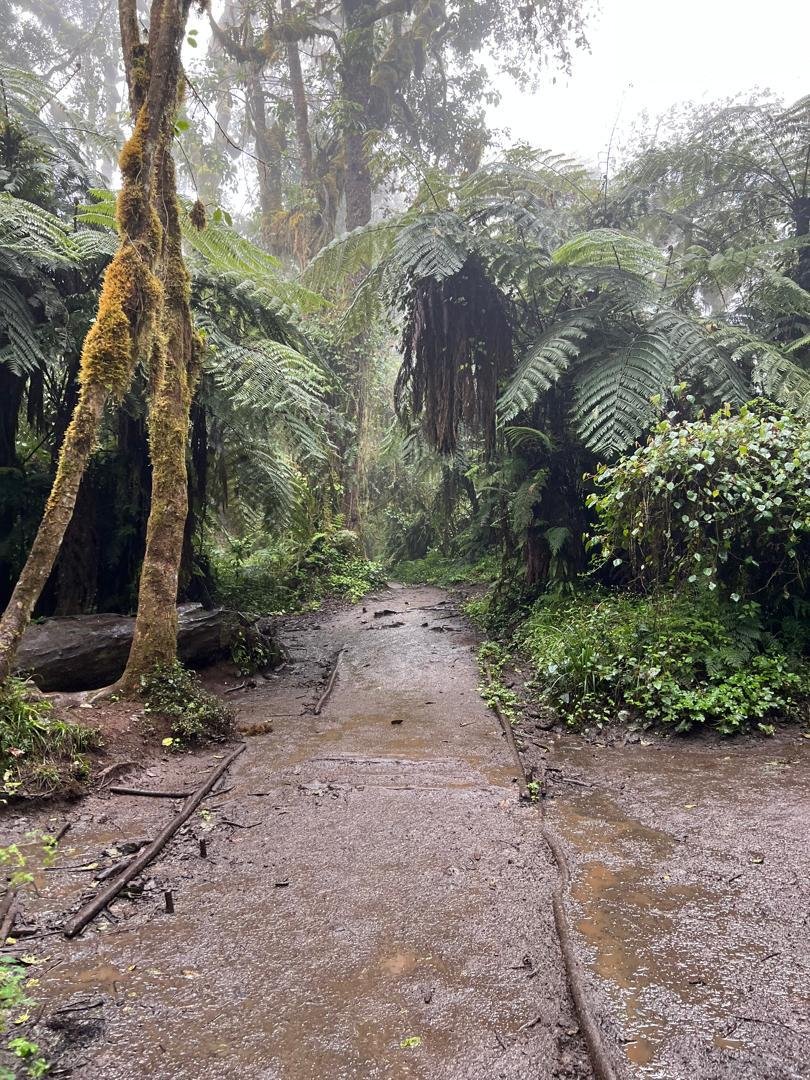
09Why can the forest be wet when the summit is dry?+
Kilimanjaro passes through distinct ecological zones. Moist air can create cloud and rain in the montane forest while the alpine desert above remains much drier. Packing needs to handle these transitions rather than assuming one forecast represents the whole mountain.Kilimanjaro crosses dramatically different ecological zones over a short horizontal distance. Moist forest, exposed alpine desert and the frozen upper mountain can therefore behave very differently on the same day.
10How reliable is a weather forecast before the climb?+
Forecasts are useful for broad planning but become less precise on a mountain with large elevation changes and local weather effects. Guides combine forecasts with current conditions on the mountain and adjust pacing, clothing and camp decisions accordingly.Use forecasts to prepare, not to promise. The guide’s observations on the mountain remain important because wind, cloud and precipitation can develop locally and may require clothing, timing or pacing decisions that were not obvious before departure.
Kilimanjaro weather & best time planning photograph
Kilimanjaro altitude & acclimatisation planning photograph
Altitude & Acclimatisation

How the Body Responds as Elevation Rises

Fitness helps with walking. Acclimatisation determines how well the body is coping with altitude.

01Can very fit people get altitude sickness?+
Yes. Cardiovascular fitness helps you walk but does not make the body immune to lower oxygen availability. A strong athlete can still develop acute mountain sickness or more serious altitude problems. This is why itinerary design and symptom monitoring apply equally to fit and less-fit climbers.Cardiovascular fitness helps with the physical work of walking, but susceptibility to altitude illness varies between people. This is why strong athletes still need a gradual itinerary, controlled pace and honest communication about symptoms.
02What are the first signs of altitude problems?+
Headache, nausea, dizziness, reduced appetite, unusual fatigue and poor sleep can occur. The guide looks at severity, progression and how well the climber is functioning. Worsening symptoms, confusion, severe weakness or difficulty walking normally are particularly concerning.Early symptoms are useful warning information, not something to hide. Tell the guide when they begin, note whether they improve with rest and avoid assuming that determination or previous fitness makes worsening symptoms safe to ignore.
03What should I do if I develop a headache?+
Tell your guide early. Do not hide it because you are afraid of losing the summit. A headache has to be interpreted with other symptoms and your recent elevation gain. The safest response may be rest, monitoring, stopping further ascent or descent depending on the overall picture.A headache at altitude can have more than one cause, but it deserves attention when combined with recent elevation gain or other symptoms. Report it, follow the guide’s advice and do not automatically keep ascending simply because the day’s schedule says so.
04Why do guides insist on a slow pace?+
Moving slowly conserves energy and gives the body more time to respond to altitude. Fast walking does not prove you are acclimatising well. The deliberate “pole pole” rhythm becomes increasingly valuable as elevation rises and recovery between days becomes more important.The slow pace reduces unnecessary exertion while the body is coping with lower oxygen availability. It also gives the guide more opportunity to observe how the group is functioning rather than turning every day into a race between camps.
05Does drinking lots of water prevent altitude sickness?+
Adequate hydration supports normal function, but simply forcing large amounts of water does not prevent altitude illness. Drink sensibly, replace fluids lost through exercise and dry air, and focus on the whole acclimatisation strategy rather than one hydration rule.Hydration supports normal function, but excessive water does not prevent altitude illness and can create other problems. Drink sensibly, eat where possible and treat gradual ascent and symptom monitoring as the central acclimatisation strategy.
06What does “climb high, sleep low” mean?+
Some itineraries expose climbers to a higher elevation during the day and then descend to sleep lower. This can provide an acclimatisation stimulus while allowing recovery at a lower sleeping altitude. It is one tool within a broader route profile, not a guarantee.The principle uses daytime exposure to a higher elevation followed by sleeping lower when the route profile allows it. The value comes from the overall pattern of ascent; it is not a licence to climb aggressively or ignore symptoms.
07Does previous altitude experience predict this climb?+
It provides useful context, especially if you have previously slept at similar elevations, but altitude responses can differ from one trip to another. Approach every climb with the same conservative pacing and monitoring even if earlier high-altitude journeys went smoothly.Previous altitude experience can help you understand your own reactions, but conditions, ascent rate, sleep, illness and route profile can differ on the next trip. Treat past success as context, not proof that the same response will repeat.
08Should I take altitude medication?+
Medication decisions should be discussed with an appropriate medical professional who understands your health history and travel plan. Medication does not replace gradual ascent, monitoring or descent when serious symptoms develop.Medication decisions are personal medical decisions and should be discussed with an appropriate clinician before travel. The mountain team still needs to know how you are feeling because medication does not replace route planning or guide judgement.
09When does descent become necessary?+
When symptoms are severe, worsening or suggest the climber is no longer safe to continue upward, descent becomes the priority. The guide’s decision must come before the summit objective. Improvement after losing altitude is an important reason descent is such a powerful response.Descent becomes the priority when symptoms are severe, worsening or suggest serious altitude illness. The exact decision belongs with the guide and medical situation, but the important principle is that the summit objective never outranks a safe descent.
10Why is summit night especially demanding?+
You begin tired, often after limited rest, then spend hours climbing in darkness and cold toward the highest elevation of the trip. The team must balance pace, warmth, hydration, symptoms and turnaround decisions while remembering that a long descent still follows the summit.Summit night combines the highest altitude, cold, darkness, fatigue and a long descent after the top. Conserving energy before the final ascent and reporting changes early are therefore just as important as determination during the last kilometres.
Packing & Gear

Equipment for Forest, Camp & Summit Night

Pack around a layering system, waterproof organisation, tested footwear and what you must carry during the walking day.

01What size daypack do I need?+
Choose a comfortable pack large enough for water, rain protection, warm layers, snacks, sunscreen, medication and personal items. Fit and access matter more than chasing one exact litre number. Test it on long walks with the load you expect to carry.A practical daypack needs enough room for water, rain protection, warm layers, snacks, sun protection, medication and small personal items without becoming unnecessarily heavy. Test the actual pack loaded before Tanzania so straps and access points are familiar.
02What hiking boots are best?+
Supportive, broken-in hiking boots with reliable grip are more important than a particular brand. Wear them on long, uneven walks before Tanzania and test them with your intended socks and insoles. New boots immediately before the climb are an avoidable risk.Boots should fit securely, work with your chosen socks and already be comfortable over long days. The most expensive boot is not automatically the best one; proven fit, appropriate support and confidence on uneven ground matter more than a fashionable model.
03How warm should my sleeping bag be?+
Your sleeping system should be suitable for cold high-altitude camps and your personal cold tolerance. Ask the operator what is provided or available to rent, and test any rented bag before the mountain if possible. Dry sleep clothing also makes a major difference.Temperature ratings vary between brands and users, so confirm what the operator provides or recommends and consider your own cold tolerance. Keep dedicated dry sleep layers protected inside the duffel because a warm bag works best when the clothing inside it is dry.
04Do I really need waterproof clothing?+
Yes. Even during drier months the forest can be wet, and wind-driven precipitation higher on the mountain can quickly chill a climber. A waterproof shell and protected spare layers help prevent a simple weather change from becoming a comfort or safety problem.Waterproof protection is especially valuable in the forest and during sudden mountain weather. A shell should fit over insulation without restricting movement, and spare clothing should still be protected inside dry bags rather than relying on the jacket alone.
05How many layers do I need on summit night?+
Build a system: moisture-managing base layers, insulating mid-layers, a substantial warm jacket and a protective outer shell, plus warm gloves, headwear, socks and face protection. The exact combination depends on your equipment and cold tolerance, so test everything together.Test the complete summit system together: base layers, insulation, outer shell, gloves, head protection, socks and face coverage. The system should trap heat while still allowing you to move, operate poles and adjust zips with cold hands.
06Are trekking poles necessary?+
They are not mandatory for every climber, but many people appreciate them on steep descents, loose volcanic ground and long days. Practise beforehand so pole length, grip and rhythm feel natural rather than adding complexity on the mountain.Poles can reduce load on the legs during long descents and improve balance on loose ground. The benefit is greatest when you have already practised with them and know how to adjust the length for climbing and descending.
07Can I rent mountain gear in Tanzania?+
Selected items may be available, but confirm availability, size and condition before relying on rental. Personal-fit equipment such as boots, base layers and prescription items is usually better brought from home.Renting can reduce baggage, but confirm the exact item, size, condition and collection process before relying on it. Personal-fit equipment and anything medically important should generally travel with you rather than being left to last-minute availability.
08How do I keep batteries working in the cold?+
Cold can reduce battery performance. Carry power banks, protect electronics from moisture and keep small batteries insulated during the coldest periods. Do not assume you will have regular mains charging at mountain camps.Power banks are useful, but they also need protection from cold and moisture. Reduce unnecessary screen use, keep spare batteries insulated and bring the correct cables rather than assuming that camp electricity will solve the problem.
09How much water should I carry during the day?+
Carry enough capacity for the day’s walking and follow the guide’s refill plan. Exact needs vary with weather, effort and the itinerary. Your hydration system should be easy to access and protected from freezing during the coldest stages.Your guide will explain water availability and the day’s carrying plan. Choose bottles or a hydration system that remain easy to use when wearing layers, and have a strategy for preventing drinking tubes from freezing during the coldest stages.
10How should I waterproof my duffel?+
Use internal liners or separate dry bags rather than trusting the outer duffel alone. Keep sleep clothes and critical insulation in their own waterproof bags so one leak does not wet everything you need for the night.Use several internal dry bags or liners so sleep clothing, electronics and insulation have separate protection. This also makes camp organisation faster because you can find critical items without emptying the entire duffel onto a tent floor.
Kilimanjaro packing & gear planning photograph
Kilimanjaro safety & health planning photograph
Safety & Health

Making Conservative Decisions on a High Mountain

Good safety comes from preparation, experienced guide judgement and a willingness to change the plan.

01Is climbing Kilimanjaro dangerous?+
It is a serious high-altitude trek with real risks, but many of those risks can be reduced through route choice, experienced guides, proper equipment, conservative pacing and early response to symptoms. Treat it as an expedition rather than an ordinary holiday walk.The goal is risk management rather than pretending the mountain is risk-free. A suitable route, trained crew, conservative altitude decisions, appropriate gear and a willingness to descend all reduce avoidable exposure while recognising that high-altitude trekking remains demanding.
02What kind of travel insurance should I have?+
Read the policy wording and confirm that trekking to Kilimanjaro’s altitude, emergency evacuation and your wider travel activities are covered. Do not rely on the phrase “adventure travel” without checking altitude limits and exclusions.Ask the insurer specifically about the maximum trekking altitude, emergency evacuation, medical treatment and any activity exclusions. Keep policy details accessible during the trip and understand the claims process before you are in a situation where you need it.
03Should I see a doctor before the climb?+
If you have a significant medical condition, take regular medication or are uncertain how high altitude may affect you, discuss the trip with an appropriate medical professional. Bring enough prescribed medication and tell the mountain team about relevant health issues.A pre-travel consultation is especially useful when there are existing heart, lung or other significant medical conditions, regular medication or uncertainty about altitude. Share relevant information with the operator so the ground team is not discovering it during an emergency.
04How serious is the cold?+
Summit night and high camps can be extremely cold, especially with wind or damp clothing. Protect hands, feet, face and head, keep insulation dry and add layers before you become severely chilled. Cold stress can quietly erode energy and decision-making.Cold can reduce dexterity, energy and judgement before a climber realises how affected they are. Keep gloves and insulation accessible during the day, protect dry clothing and tell the guide early if you cannot warm up normally.
05How do guides monitor health?+
Guides watch symptoms, walking performance, appetite, behaviour and the trend from one day to the next. Some operations may also use measurements as supporting information, but no single number replaces an experienced assessment of how the climber is actually functioning.Health monitoring is continuous rather than one isolated check. Guides compare symptoms, walking coordination, appetite, communication and changes over time, using measurements only as supporting information where those measurements are part of the operation.
06What happens during an emergency descent?+
The exact response depends on location, symptoms and the climber’s ability to move. The team organises descent, support and onward coordination as required. A responsible itinerary must be able to change when safety demands it.An emergency descent may involve walking with support, changing the group plan and coordinating transport or further medical care after leaving the trail. The practical response depends on location and severity, which is why experienced guide judgement matters.
07How is food and drinking water managed?+
The mountain operation plans meals, cooking and water treatment or preparation according to the route. Climbers should report persistent inability to eat or drink because poor intake can quickly compound fatigue and altitude problems.Food and water support energy and recovery, but persistent inability to eat or drink is also information the guide should know. Report stomach illness or repeated vomiting early because dehydration and weakness can complicate an already demanding altitude environment.
08How important are sunglasses and sun protection?+
Very important. UV exposure increases with altitude and reflected light can be intense. Good sunglasses, sunscreen, lip protection and appropriate clothing protect eyes and skin even when the air feels cold.High elevation increases UV exposure and snow can reflect intense light. Sunglasses, sunscreen, lip protection and covered skin remain important even when temperatures are low and the sun does not feel strong.
09What if I get blisters or knee pain?+
Tell the guide early. Small foot problems become much harder to manage after hours of walking, and pain can change your gait and create new issues. Carry your personal blister care and use trekking poles correctly if they help your descent.Blisters, knee pain and small injuries should be addressed before they change the way you walk. Early foot care, sensible pack weight and controlled descending can prevent a manageable discomfort from becoming the problem that ends the climb.
10Should I hide symptoms so I do not slow the group?+
No. Hiding symptoms removes information the guide needs to make safe decisions. The mountain team would rather respond early to a small problem than discover a serious one after the group has climbed higher.Group pressure is a poor reason to stay silent. A well-run team can make safer decisions when guides receive accurate information, and one climber speaking honestly can prevent a minor issue from becoming a larger evacuation problem higher on the mountain.
Guides, Porters & Camp Life

The Team Behind the Expedition

Understand the people, camp systems and welfare standards that make a multi-day climb possible.

01What does a Kilimanjaro guide do besides lead the trail?+
Guides coordinate pace, brief the group, monitor health, organise the crew, interpret weather and trail conditions, manage camp timing and make difficult decisions about whether a climber should continue. Their judgement is one of the most important parts of the operation.A guide is also the link between climbers, assistant guides, porters, cooks, park procedures and the changing mountain plan. Communication and judgement are therefore as important as knowing the physical trail.
02What do porters carry?+
Porters move expedition equipment, food, tents on camping routes, guest duffels and other camp infrastructure within the operator’s load system. Climbers still carry the water, clothing and personal essentials they may need before reaching the next camp.Porters carry the infrastructure that makes a multi-day expedition possible, but climbers still need immediate access to personal water, rain protection, warm layers, medication and snacks. Understanding that division helps you pack the daypack correctly.
03Why can a small climbing group need a large crew?+
Camping logistics are labour intensive. The team has to move shelters, food, cooking equipment and guest luggage while also arriving early enough to prepare the next camp. Crew size therefore depends on route, group size and service level.Crew numbers reflect the amount of camp equipment, food and guest luggage that must move every day. A larger support team is not automatically excessive; the important questions are load control, welfare, staffing and whether the operation is organised responsibly.
04How should porter welfare be handled?+
Responsible operations control loads, provide appropriate shelter, food and equipment, pay the crew properly and have procedures for illness or injury. Ask practical questions about these systems instead of relying only on a website slogan.Look for practical systems: weighed loads, suitable shelter, enough food, proper equipment, timely pay and procedures when a porter becomes ill or injured. Welfare is easier to evaluate when the operator can explain how these systems work on an ordinary departure.
05How does tipping work?+
The operator should explain the recommended process before the climb, including how the crew is structured and how tips are collected or distributed. Gratuities should be separate from wages and handled transparently rather than negotiated under pressure after summit day.Tipping should be explained before the climb so guests understand the crew structure and recommended process. Clear communication reduces last-day pressure and makes it easier for the group to distinguish gratuities from the wages the operator is responsible for paying.
06Who sets up camp?+
On camping routes, the porter and camp team move ahead, transport equipment and prepare camp while climbers are trekking. This is why climbers may arrive to find tents and the cooking system already organised even though the crew left after them.Camp setup often begins before climbers arrive because porters move ahead with tents and equipment. That timing is one reason crew pacing, load distribution and coordination matter even though guests may only see the finished camp at the end of the walking day.
07Are there toilets at the camps?+
Facilities vary by route and camp. Ask what the selected itinerary uses and whether a private portable toilet is included or available. Do not assume every camp has the same infrastructure.Toilet arrangements differ between established camps and itineraries. Confirm whether the route uses public facilities, a private portable toilet or a combination so you know what level of comfort and privacy to expect.
08Can I shower on the mountain?+
Do not plan on normal hot showers. Most climbers use simple washing routines at camp. Pack compact personal hygiene items and clothing systems that allow you to stay reasonably clean without carrying unnecessary weight.Mountain hygiene is simple rather than luxurious. A small wash routine, clean sleep layers, hand hygiene and organised toiletries are more realistic than expecting showers, and they keep unnecessary water and equipment demands lower.
09What kind of food is served?+
Menus vary by operator and itinerary, but the goal is to provide practical mountain meals that support energy and recovery. Tell the operator about genuine dietary requirements in advance so the kitchen team can plan appropriately.Dietary needs should be communicated before the expedition, not after the crew has already purchased supplies and started the route. Appetite can fall at altitude, so practical familiar foods and honest communication about what you can eat become important.
10How much sleep will I get?+
Camp nights are long enough for rest, but altitude, cold and unfamiliar surroundings can affect sleep quality. Summit night is particularly short because the final ascent often starts late at night. Good sleep equipment and a sensible routine help even when sleep is imperfect.Sleep quality may vary even with good equipment because altitude, temperature and unfamiliar camps affect rest. Focus on staying warm, keeping sleep clothing dry and using the evening routine to eat, hydrate and settle early before the next walking day.
Kilimanjaro guides, porters & camp life planning photograph
Kilimanjaro booking, travel & costs planning photograph
Booking, Travel & Costs

Practical Questions Before You Fly

Arrival, insurance, transfers, luggage and booking terms matter long before you reach the park gate.

01How early should I book Kilimanjaro?+
Popular dry-season dates, private groups and combinations with safari or Zanzibar are easier to organise when booked well in advance. Last-minute trips may still be possible, but preferred routes, hotels or extension lodges can become limited.If you are travelling in a popular dry-season window, organising a private group or adding safari lodges, earlier planning gives the ground team more options. Before paying, confirm the route, duration, inclusions, cancellation terms and exactly which services are being reserved.
02Do I need a visa for Tanzania?+
Entry requirements depend on nationality and can change. Check the current official Tanzania immigration guidance for your passport rather than relying on an old blog post or another traveller’s experience.Visa and entry rules can change and may depend on passport nationality, so use official Tanzanian sources close to travel. Also check passport validity, vaccination or health-entry requirements and transit-country rules that may apply to your actual flight itinerary.
03Which airport is most convenient?+
Kilimanjaro International Airport is commonly used for climbs based around Moshi or Arusha, although some travellers connect through other regional airports. Your ground plan should match your actual international flight schedule.Kilimanjaro International Airport is convenient for many Arusha and Moshi itineraries, but the best flight is the one that works with your complete journey. Consider arrival time, transfer distance, baggage connection risk and what happens after the climb.
04Should I arrive a day before the climb?+
Arriving with time to rest, complete the briefing and check equipment is preferable to stepping off a long-haul flight and going directly to the mountain. Extra time also helps if baggage is delayed.An arrival buffer gives time for sleep, equipment inspection, rental adjustments and delayed baggage. It also lets the briefing happen when you are awake enough to absorb route, packing and safety information rather than immediately after a long-haul flight.
05Are airport transfers included?+
That depends on the package. Confirm exactly which transfers, hotel nights and meeting points are included before travel so there is no confusion at arrival.Package inclusions vary, so ask for the transfer schedule in writing: airport pickup, pre-climb hotel, park gate transport, post-climb return and any extension handover. Clear logistics matter more than assuming every vehicle movement is automatically included.
06What money should I bring?+
Your operator should explain which trip costs are prepaid and which personal expenses may be paid locally. Carry money securely and avoid relying on one payment method for the entire journey.Keep a combination of payment options and separate emergency funds securely. Confirm which local costs may require cash, what currency is accepted for those costs and whether cards are practical at the locations included in your itinerary.
07What if my checked luggage does not arrive?+
Contact the local team immediately. Essential medication, documents and selected critical items are best kept in hand luggage where possible. The team can then assess rental or replacement options before mountain departure.Delayed baggage is easier to manage when the team knows immediately. Keep medication, documents and critical personal-fit items in hand luggage where possible, and arrive early enough that rental or replacement gear can be organised before the mountain departure.
08What happens if I need to cancel?+
Cancellation terms depend on the booking conditions and timing. Read them before paying deposits and use travel insurance that matches the financial risk of your flights, mountain booking and any safari or Zanzibar extension.Cancellation can affect park arrangements, hotels, staff commitments and extension bookings differently depending on timing. Read the terms before paying and choose travel insurance based on the actual financial value of your flights and land arrangements.
09Can solo travellers join a group?+
Yes, depending on scheduled departures and availability. A group climb can reduce the logistical burden for a solo traveller and provide a social experience, while private climbs offer more control over dates.Scheduled groups can be a good fit for solo travellers who want company, while private departures offer greater control of dates and group composition. Ask about the expected group size, language, pace management and what happens if members need to separate.
10Can families climb Kilimanjaro?+
Suitability depends on age, health, experience, route and the specific members of the family. High altitude is not a standard family sightseeing activity, so discuss the group honestly with the operator and seek medical advice where appropriate.Family suitability must be judged person by person rather than by the word “family.” Age, health, trekking experience, altitude exposure and maturity all matter, and high-altitude plans should be discussed with both the operator and appropriate medical professionals where relevant.
Summit, Groups & Tanzania Extensions

From Summit Night to Safari or Zanzibar

Plan the final ascent, descent, private groups and what happens after you come off the mountain.

01What time does the summit climb usually start?+
The final ascent commonly begins late at night so climbers can reach the upper mountain around dawn and descend to a lower camp later the same day. Exact timing depends on route, camp, pace and the guide’s plan.Start times are chosen so the team can move through the cold upper mountain, reach the summit zone and still descend safely. Your guide may adjust timing for the group’s pace, weather or health rather than following a rigid clock from another itinerary.
02What is a turnaround time?+
A turnaround time is the point at which the guide decides the team must stop ascending so there is enough time and energy to descend safely. The summit is optional; the descent is not.Turnaround decisions protect the descent. They may be based on health, pace, weather or the amount of safe daylight and energy remaining, which is why reaching a particular point by a particular hour should never become more important than guide judgement.
03Will I see sunrise from the summit?+
Many itineraries aim to be high on the mountain around sunrise, but pace, weather and individual health can change timing. The priority remains safe progress rather than forcing the schedule to match a photograph.Sunrise is a memorable possibility rather than a guaranteed appointment. Cloud, pace and health can shift the timing, so enjoy the changing light without treating a photograph at a particular minute as the measure of a successful expedition.
04How hard is the descent after the summit?+
It can be surprisingly demanding because your legs are tired and the trail may be loose or steep. Trekking poles, controlled steps and enough remaining energy are important. The day is not finished when you reach Uhuru Peak.The descent can load tired quadriceps and knees after many hours at altitude. Trekking poles, controlled steps, food and hydration help, and the group should still listen to the guide because the mountain day remains demanding after the summit photographs are finished.
05Do successful climbers receive a certificate?+
Climbers who reach recognised summit points are commonly issued certificates through the park process. Your guide or operator can explain how this is handled on the selected route.Certificates are a record of the recognised summit point reached, but the real priority remains returning safely. Ask how the park and operator handle certificates so expectations are clear without encouraging anyone to push past a sensible turnaround decision.
06Can I organise a private group for friends or a club?+
Yes. Private groups can be planned around preferred dates, route, group size, briefing needs and wider Tanzania travel. Start early if the group is large or has specialist requirements.Private groups can be organised around club, family or friendship networks, with route, dates and support planned together. Larger groups should allow extra preparation time for rooming, briefings, equipment coordination, crew scale and any safari extension.
07Do you work with international travel agents?+
Everyday Safaris can support international travel planners and agents that need a Tanzania-based ground team for Kilimanjaro operations, local coordination and wider extensions. The practical discussion should cover service standards, group logistics, safety and communication.For agents and organisers, the important discussion is operational: communication, guide standards, group logistics, welfare, emergency procedures and how the Tanzania team represents your clients on the ground. Everyday Safaris can structure that conversation around the group you are actually sending.
08Can I go on safari after Kilimanjaro?+
Yes. A northern Tanzania safari is a natural extension because Arusha and Moshi connect easily with the main safari circuit. The right number of safari days depends on your international flights, recovery time and the parks you want to visit.A safari immediately after the mountain can work well when transfer time and recovery are realistic. Consider whether the first safari day should be gentle, how many parks fit the available days and whether long drives immediately after descent suit the group.
09Can I add Zanzibar after the climb?+
Yes. Many travellers use Zanzibar as a slower beach finish after the mountain. Build enough travel time for airport connections and decide whether you want immediate relaxation or a safari first.Zanzibar can provide a slower finish, but it still involves airport transfers and a domestic flight or connection. Build enough time that the beach extension feels restorative rather than becoming another rushed movement on the day after the mountain.
10Should I schedule a rest day after the mountain?+
A recovery buffer can be valuable, especially before a long safari transfer or flight connection. The best plan depends on your itinerary and energy levels, but avoid creating an unnecessarily tight schedule immediately after summit day.A buffer day can help with laundry, sleep, sore legs and onward connections, especially before a long safari drive or international flight. Whether you need one depends on your total itinerary, but avoid planning the post-climb schedule so tightly that normal fatigue creates stress.
Kilimanjaro summit, groups & tanzania extensions planning photograph
Keep Planning

Keep Exploring Kilimanjaro Planning Topics

Browse specific questions travellers ask while comparing dates, routes, equipment, safety, mountain support and Tanzania extensions.

Everyday Safaris is a Tanzania-based ground team supporting independent travellers, private groups, clubs and international travel partners with Kilimanjaro planning and local operations.