Everyday Safaris

Plan Your Adventure
Everyday Safaris
Plan Your Adventure
FOREST • HUTS • COLD SUMMIT • MOMELLA ROUTE

Mount Meru Packing List

Pack for four environments in one short climb: warm lower trails, damp forest, cool hut evenings and a cold, windy summit departure. A good Mount Meru kit is layered, waterproof and simple enough that you can find what you need in the dark.

Layering systemWaterproof shellWarm summit kitDaypack + main bag
Start With Systems

Pack by Function Instead of Throwing Individual Items Into a Bag

The easiest way to avoid missing something is to build four systems: clothing layers, rain protection, footwear, and personal essentials. Keep summit items together and protect all dry clothing inside waterproof liners even if the outside of your bag is water resistant.

Wear

Base layer + hiking layer + insulation + shell.

Carry

Water, rain layer, sun protection, snacks and personal medication.

Sleep

Warm dry clothing reserved for huts and night.

Protect

Use dry bags or liners for insulation, electronics and documents.

What You Carry

Your Daypack Should Cover the Hours Before You See Your Main Bag Again

Porter or luggage arrangements vary by itinerary, so the daypack must hold everything you may need while walking. Keep the heaviest items close to your back and leave quick-access space for rain gear.

  • 20–35 L daypack with comfortable shoulder and hip support
  • 1.5–3 L water capacity depending on guide instructions
  • Waterproof jacket and rain trousers
  • Warm layer, hat and gloves as elevation increases
  • Sun hat, sunglasses and sunscreen
  • Headlamp on summit day, plus spare power
  • Personal snacks and any prescribed medication
  • Phone/camera in a waterproof pouch
Layering

One Heavy Jacket Is Less Flexible Than Several Useful Layers

Temperatures can change quickly as the trail climbs. Use breathable layers that can be added or removed without stopping for long. Keep one dry insulation layer protected for the upper mountain and hut evenings.

  • Moisture-managing base layers for upper body and legs
  • Hiking shirt or light mid layer
  • Fleece or similar warm mid layer
  • Insulated jacket for cold evenings and summit departure
  • Waterproof/windproof shell jacket
  • Hiking trousers plus thermal leggings for summit night
  • Fresh dry socks reserved for the upper mountain
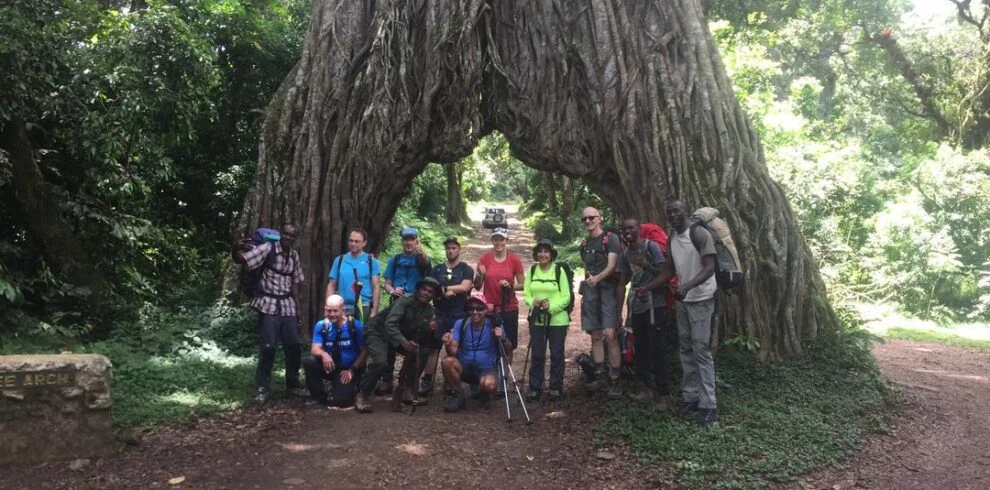
Mount Meru climbers beneath a giant forest tree on a four-day Momella Route trek
Forest Weather

Waterproofing Protects Warmth, Not Just Comfort

A wet lower forest can soak clothing quickly. The most important objective is to keep your insulation, spare socks and electronics dry for later. A pack cover helps, but an internal waterproof liner or individual dry bags provide a second layer of protection.

Shell Jacket

Use a proper waterproof outer layer with a hood.

Rain Trousers

Useful when rain is sustained or vegetation is wet.

Pack Liner

A strong internal waterproof barrier protects the whole load.

Dry Bags

Separate summit clothing, electronics and documents.

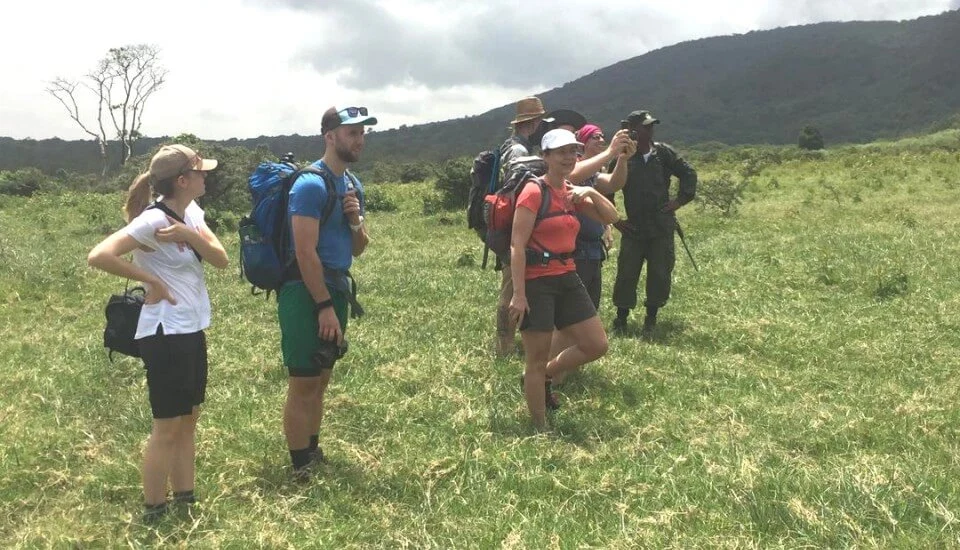
Mount Meru trekkers crossing highland grassland on the Momella Route
Boots & Socks

Comfortable, Broken-In Footwear Matters More Than Brand Names

Choose hiking footwear with reliable tread, heel hold and enough toe room for descent. New boots that have never been worn for several hours are a bigger risk than an older pair that fits well and remains structurally sound.

  • Break in boots before Tanzania; do not debut them at Momella Gate.
  • Bring quality hiking socks and at least one dry spare pair.
  • Consider gaiters for mud, rain or loose upper terrain.
  • Pack blister care and know how to use it early, before a hot spot becomes painful.
Upper Mountain

Prepare a Dedicated Summit-Night Set Before You Go to Sleep

The final ascent starts very early, so organise the complete kit at Saddle Hut before resting. Your guide can help confirm the layers for the actual conditions.

  • Thermal base layer top and bottom
  • Warm mid layer plus insulated jacket
  • Windproof/waterproof outer shell
  • Warm hat or balaclava and neck protection
  • Insulated gloves; liner gloves can help with dexterity
  • Headlamp with fresh batteries or fully charged spare
  • Sunglasses ready for sunrise and descent
  • Water protected from cold where practical
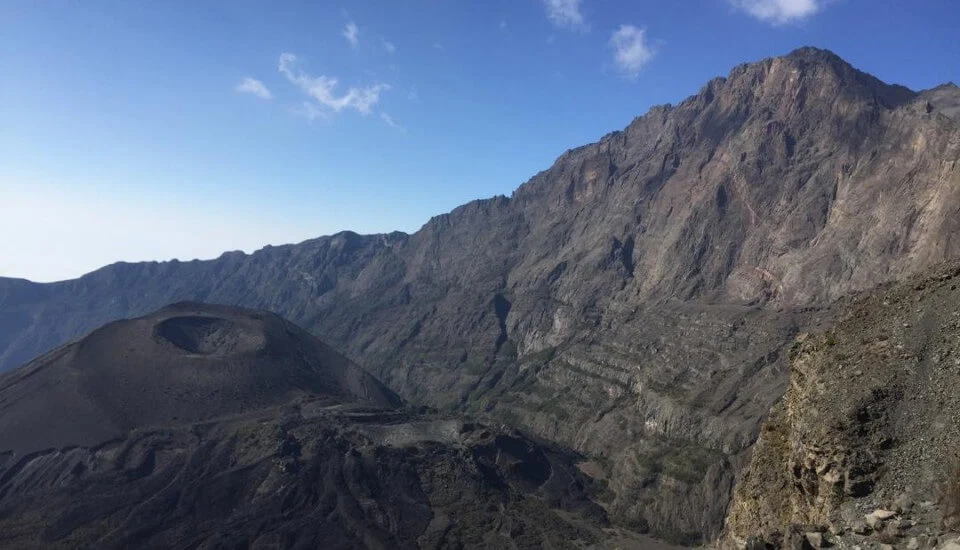
Mount Meru rugged summit ridge and volcanic ash cone near Arusha
Overnight Comfort

Hut Accommodation Reduces Camping Gear but Does Not Remove Personal Sleep Needs

Mount Meru summit itineraries use mountain huts, so you are not packing a personal tent. Confirm exactly what the operator provides. Your own sleeping bag, hygiene items and dry hut clothing remain important unless explicitly included in the package.

Sleeping Bag

Confirm the required temperature rating and whether rental is available.

Dry Hut Clothes

Keep one warm set that is not used for hiking in rain.

Hygiene

Small toiletries, quick-dry towel, tissues and hand sanitiser.

Power

A compact power bank can help because charging availability is limited.

Small but Essential

Keep Critical Personal Items With You, Not Buried in the Main Bag

Your passport, insurance details, emergency contacts and personal medication should be accessible and protected. Travel insurance should cover the trekking altitude and any evacuation requirements relevant to the itinerary.

  • Passport and any required travel documents
  • Travel-insurance policy details stored offline as well as online
  • Personal prescriptions in original or clearly labelled packaging
  • Basic personal first-aid and blister supplies
  • Reusable water bottles or hydration system as advised
  • Small amount of cash for personal expenses and gratuities if appropriate
Final Check

Use This as the Last Review Before You Close the Bag

The exact quantities depend on whether you climb for three or four days. Keep the principle simple: one reliable system for each weather problem, plus dry backups where failure would matter.

CategoryCore itemsNotes
DaypackWater, rainwear, warm layer, snacks, medication, phone/cameraAccessible while walking
Upper bodyBase layers, hiking layer, fleece, insulation, shellLayer rather than relying on one garment
Lower bodyHiking trousers, thermal leggings, rain trousersAvoid cotton for cold/wet use
FeetBroken-in boots, hiking socks, spare socks, optional gaitersFit and dryness are priorities
Summit accessoriesWarm hat, neck protection, gloves, headlamp, sunglassesPack together at Saddle Hut
Sleep & hutSleeping bag, dry hut clothing, toiletriesConfirm rentals/inclusions
PersonalPassport, insurance, prescriptions, first aid, power bankKeep protected and identifiable
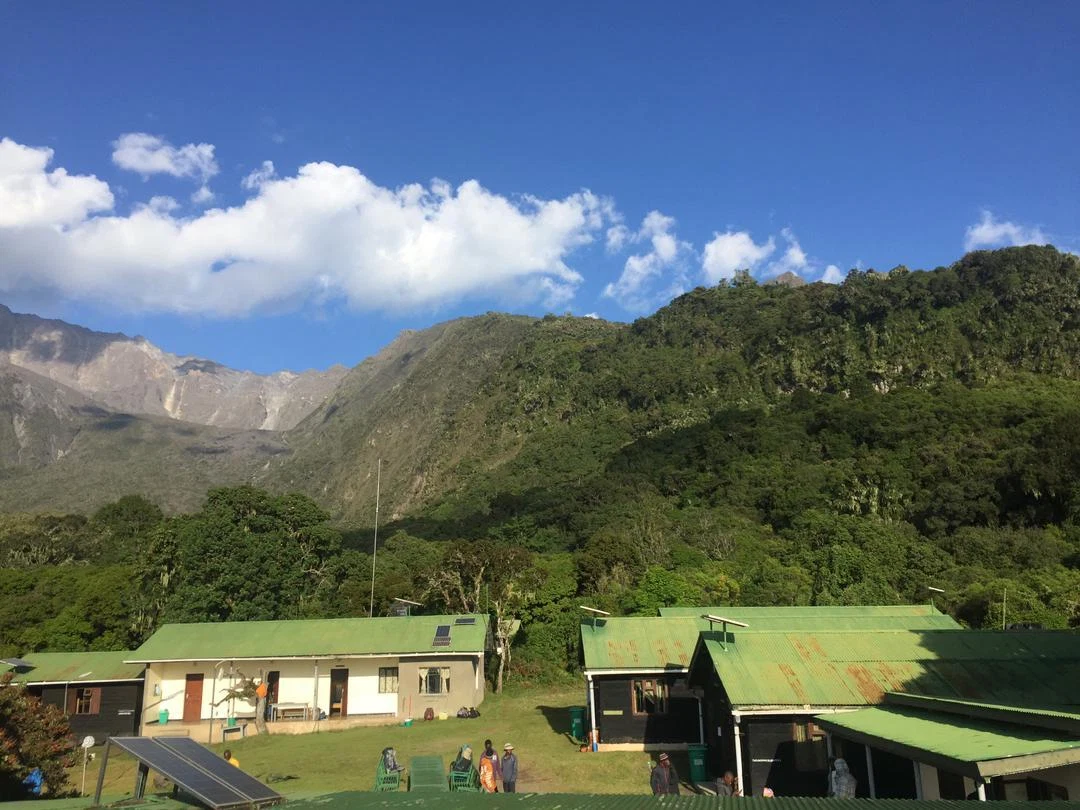
Mount Meru lodge and rugged mountain view in Arusha National Park
Planning Questions

Mount Meru Packing List FAQs

Practical answers about daypacks, layers, boots, huts, summit-night clothing and protecting gear from rain.

01What size daypack do I need for Mount Meru?+
For most climbers, a daypack around 20–35 litres is enough for water, rainwear, warm layers, snacks and personal essentials. Fit and comfort matter more than an exact litre number.
02Do I need a sleeping bag on Mount Meru?+
Usually yes for the hut-based summit climb unless your package specifically includes one. Confirm the temperature rating and whether Everyday Safaris can arrange rental.
03Do I need a tent?+
Standard multi-day Mount Meru summit itineraries use mountain huts rather than visitor tents. Confirm the exact itinerary and included equipment before packing.
04Are trekking poles necessary?+
They are not mandatory for everyone, but many trekkers find them useful for balance, muddy sections and reducing strain during the long descent.
05Can I climb in trainers?+
Sturdy hiking footwear with reliable tread and weather protection is a safer choice for changing terrain. The key is fit, grip and having worn the footwear before the trip.
06How cold is summit night?+
It can feel very cold because of altitude, darkness and wind. Pack a full layering system including thermal base layers, insulation, shell, warm hat and gloves regardless of season.
07Should I bring waterproof trousers?+
Yes. Rain can occur even outside the main wet periods, and wet vegetation can soak normal hiking trousers in the lower forest.
08Can I rent gear in Tanzania?+
Some items may be rentable, depending on availability. Confirm sizes, condition and pricing before arrival rather than assuming every item will be available.
09How do I keep clothes dry?+
Use an internal pack liner and separate dry bags for insulation, socks, sleeping items, documents and electronics. A pack cover alone may not protect against sustained rain.
10What should stay in my daypack?+
Water, rainwear, a warm layer, sun protection, headlamp when required, snacks, personal medication, valuables and anything you may need before the next hut.

Keep Planning

Explore More Mount Meru Planning Topics

Move between timing, difficulty, packing, preparation, route options and Tanzania extensions without losing the context of your climb.

Everyday Safaris is a Tanzania-based ground team supporting private travellers, groups, clubs and international travel partners with Mount Meru, Kilimanjaro and safari planning.