Answers about fitness, altitude, the summit ridge and whether a three- or four-day itinerary changes the challenge.
01How difficult is Mount Meru?+
It is a demanding high-altitude trek. Most of the route is hiking, but the summit push combines altitude, darkness, fatigue and a rugged exposed ridge, which makes it substantially harder than an ordinary day hike.
02Is Mount Meru technically difficult?+
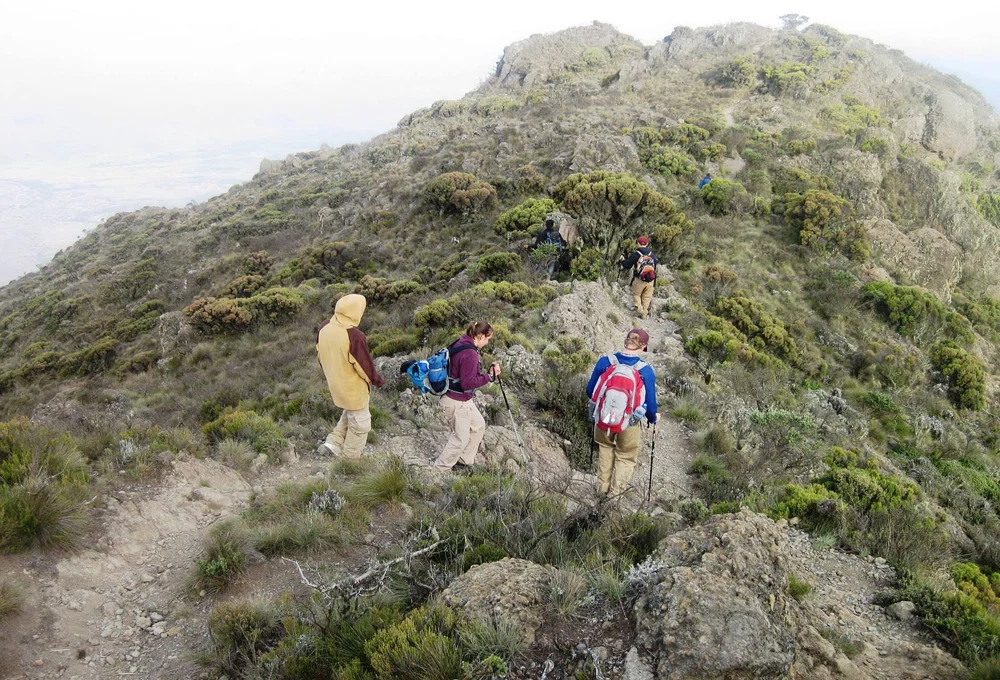
The standard Momella Route is generally trekked without specialist rock-climbing technique in normal conditions. However, steep and exposed sections require confident movement, good balance and close attention to the guide.
03Is Mount Meru easier than Kilimanjaro?+
Meru is lower and usually shorter, but “easier” depends on the person. Its summit ridge can feel more exposed, while Kilimanjaro involves greater altitude and typically more days. Compare the specific challenges rather than relying on one label.
04Can a beginner climb Mount Meru?+
A well-prepared beginner can consider it, especially with a four-day itinerary, but should train for long uphill days, understand altitude risk and be comfortable following guide decisions.
05How fit should I be?+
Aim to comfortably complete several hours of hilly walking on consecutive days. You do not need elite athletic fitness, but durable leg strength, aerobic endurance and recovery capacity help significantly.
06Is the summit ridge scary?+
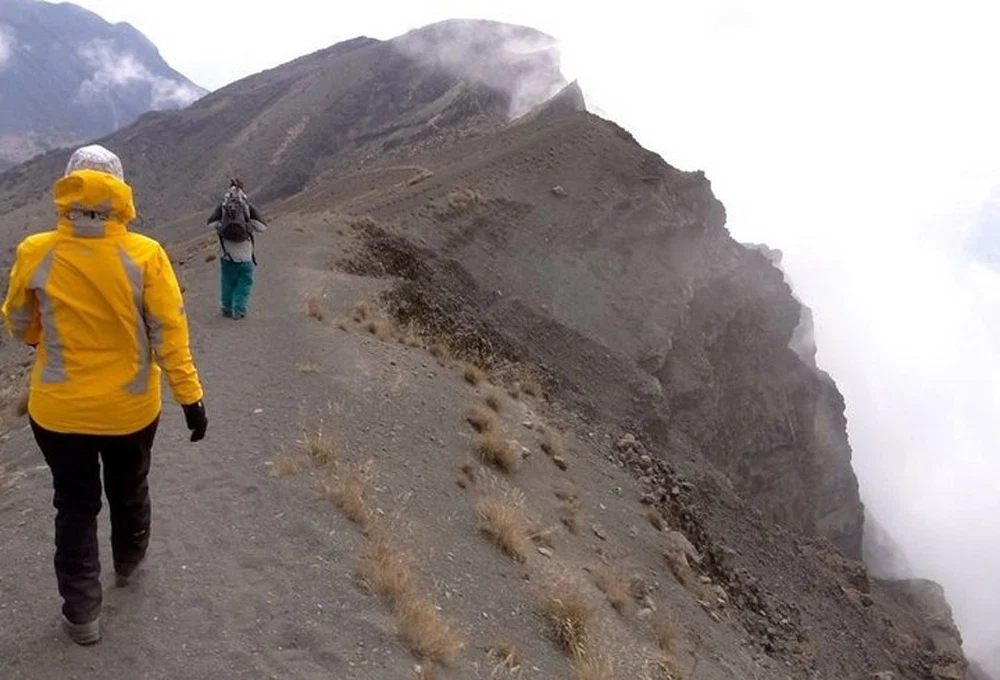
Some people find the exposed volcanic ridge intimidating, especially in darkness or wind. If you have a strong fear of heights, discuss the terrain with the operator before booking.
07Does four days make Meru easier?+
Four days do not change the terrain, but they allow a more gradual itinerary and more acclimatisation time than a compressed three-day schedule.
08What is the hardest part of the climb?+
For many trekkers it is the summit sequence: waking at night, climbing at altitude and staying focused on the rocky ridge before descending on tired legs.
09Can weather increase the difficulty?+
Yes. Rain can make lower trails slippery, while wind, cold and poor visibility can make the upper ridge more demanding. Safety decisions should respond to the actual conditions.
10What happens if I cannot continue?+
Tell the guide early. The team will assess the situation and may slow the pace, stop the ascent or arrange descent. Reaching the summit is never more important than a safe outcome.