What does responsible tourism mean to Everyday Safaris?
For us, responsible tourism is about how the trip is operated rather than simply adding a sustainability label. It includes using experienced Tanzania-based teams, respecting wildlife and park rules, treating mountain crew fairly, approaching communities with dignity and being honest when weather, tides, wildlife movement or safety conditions change the plan. The aim is to reduce avoidable harm while still giving travellers a rewarding Tanzania experience.
How does Everyday Safaris support local employment?
Guides, porters, cooks, drivers, trip planners and operations staff in Tanzania are central to the company’s work. Local employment keeps destination knowledge and many day-to-day operating decisions close to the places being visited. It also means travellers are guided by people who understand the parks, mountain routes, communities and travel logistics from direct experience rather than from a remote sales desk.
What does ethical wildlife viewing involve?
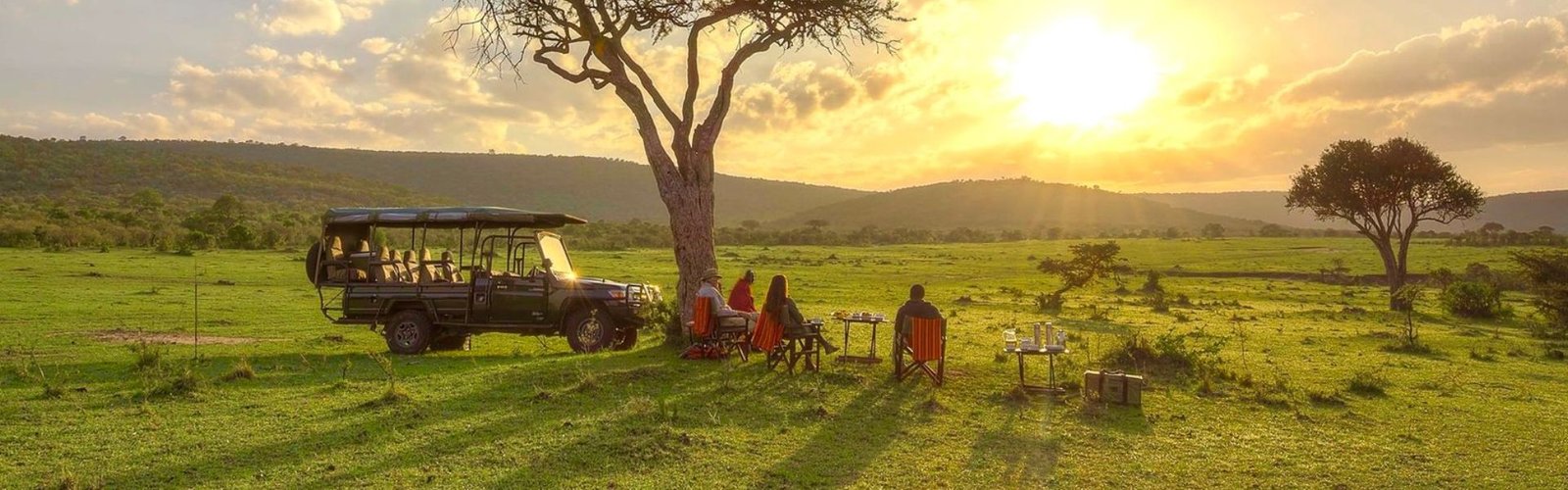
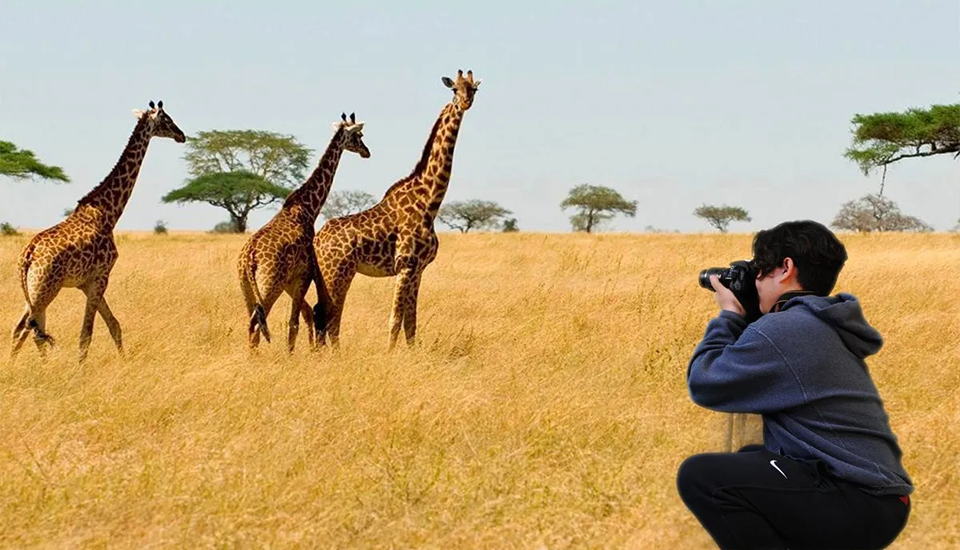
Ethical wildlife viewing means following park regulations, allowing animals room to move and avoiding behaviour that puts a photograph ahead of the animal’s welfare. A driver-guide should not chase wildlife, block an animal’s path or force a vehicle into a crowded position simply to get closer. The exact sighting remains natural, and no responsible operator can guarantee a hunt, predator interaction, river crossing or particular species.
How should travellers behave in local communities?
A village, market or working neighbourhood is first of all a place where people live and work. Dress with local context in mind, ask before photographing people, listen to the local guide and avoid treating everyday life as a staged attraction. When buying products or services, choose things you genuinely value rather than feeling pressured to purchase simply because the itinerary includes a community stop.
How does porter welfare fit into responsible tourism?
Kilimanjaro porter welfare is one of the clearest examples of responsible tourism becoming an operational standard. Loads, meals, sleeping conditions, staffing, payment, tipping and crew health all affect the people who make the expedition possible. Everyday Safaris therefore treats porter welfare as a dedicated subject rather than reducing it to one marketing sentence on a general sustainability page.
How does responsible tourism apply in Zanzibar?
Responsible island travel includes respect for coastal communities, cultural etiquette and the marine environment. Boat, snorkelling and other sea activities should follow local safety decisions, and marine wildlife must never be treated as guaranteed entertainment. Travellers should avoid touching coral, harassing wildlife or photographing people without permission, especially away from resort beaches and in working village areas.
Does responsible tourism mean travel has no environmental impact?
No. Flights, vehicles, accommodation and visitor activity all have an impact, so claiming that a holiday is completely impact-free would be unrealistic. A stronger approach is to reduce unnecessary harm, use sensible routing, follow protected-area rules, avoid wasteful behaviour and work with guides and suppliers who understand the destination. Responsible travel is about better decisions and continuous improvement, not pretending the footprint does not exist.
Are wildlife sightings or migration events guaranteed?
No. Wildlife moves freely and conditions change throughout the year. Guides use seasonal knowledge, recent information, road conditions and animal behaviour to make informed decisions in the field, but a specific species, predator interaction, Great Migration crossing or calving event can never be promised for an exact date. This honesty is part of responsible wildlife tourism.
What can I do as a traveller to support responsible operations?
Follow your guide’s instructions, keep mountain luggage within the confirmed allowance, respect wildlife-viewing distance, ask before taking photographs of people and accept that activities may change when conditions become unsuitable. Before booking, ask practical questions about porter welfare, guide experience, wildlife rules, marine activities and what happens if weather or health changes the itinerary. A responsible operator should be comfortable answering those questions clearly.
Where can I read more about Everyday Safaris' operating standards?
Use the dedicated Porter Welfare page for mountain-crew standards and the Safety & Standards page for altitude, guide decisions, safari vehicles, first aid and activity safety. The safari safety and Kilimanjaro planning pages add trip-specific context. Reading those pages together gives a much clearer picture than relying on a single broad sustainability statement.