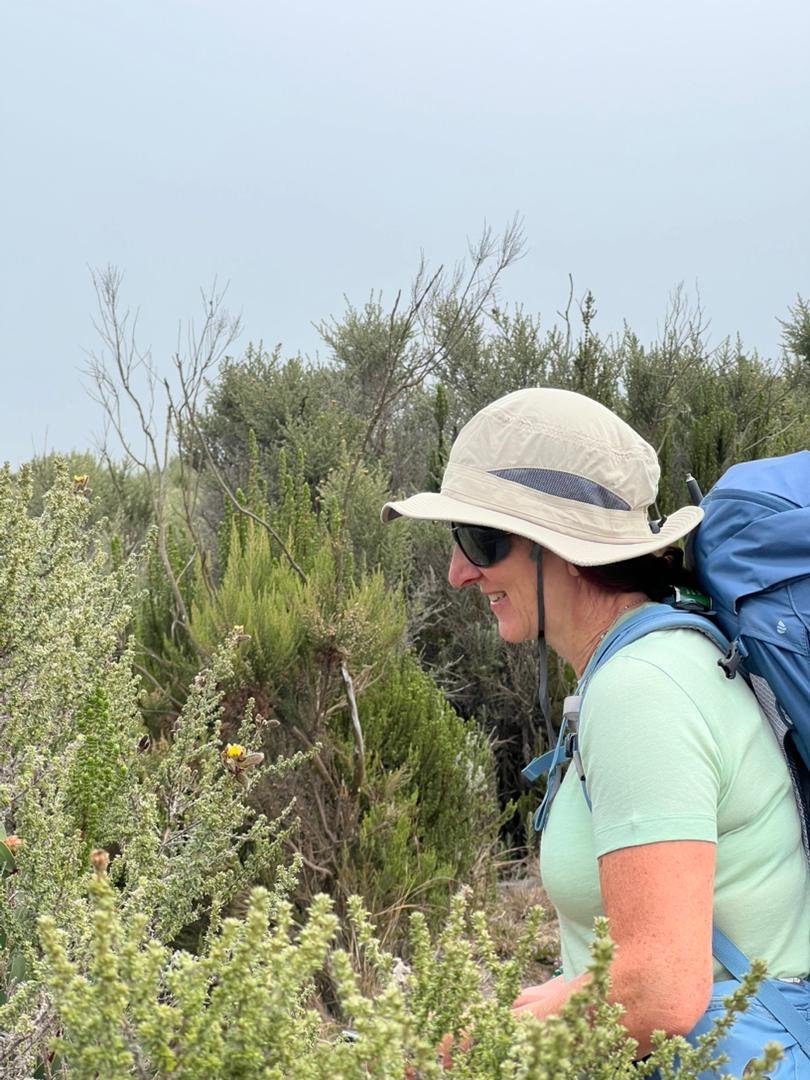
 Group Departure
7-Day Kilimanjaro Lemosho Route Group Climb
A published Everyday Safaris group-climb product using the scenic western Lemosho approach, with rainforest, Shira Plateau, southern-circuit terrain and a shared mountain-team experience.

Share the journey to Uhuru Peak with other climbers while an experienced Tanzania-based mountain team manages route logistics, pacing, camp support and high-altitude safety. Choose a group-friendly route, check the next suitable departure and arrive ready to climb together.
A Kilimanjaro group climb brings solo travellers, couples and small parties onto one carefully organised mountain departure. You share the route, camps and team atmosphere, while Everyday Safaris handles the local operation from Tanzania.
Group climbing is not about turning Kilimanjaro into a race or forcing every person into the same pace. The mountain still demands patient trekking, acclimatisation, guide-led decisions and individual responsibility. The difference is that you experience those days alongside people who arrived with the same objective: to challenge themselves on Africa’s highest mountain.
For international travellers, a shared departure can also simplify planning. You do not need to assemble a full private team before travelling. Choose the route and suitable departure window, prepare properly, meet your fellow climbers in Tanzania and let the mountain team coordinate the daily rhythm.
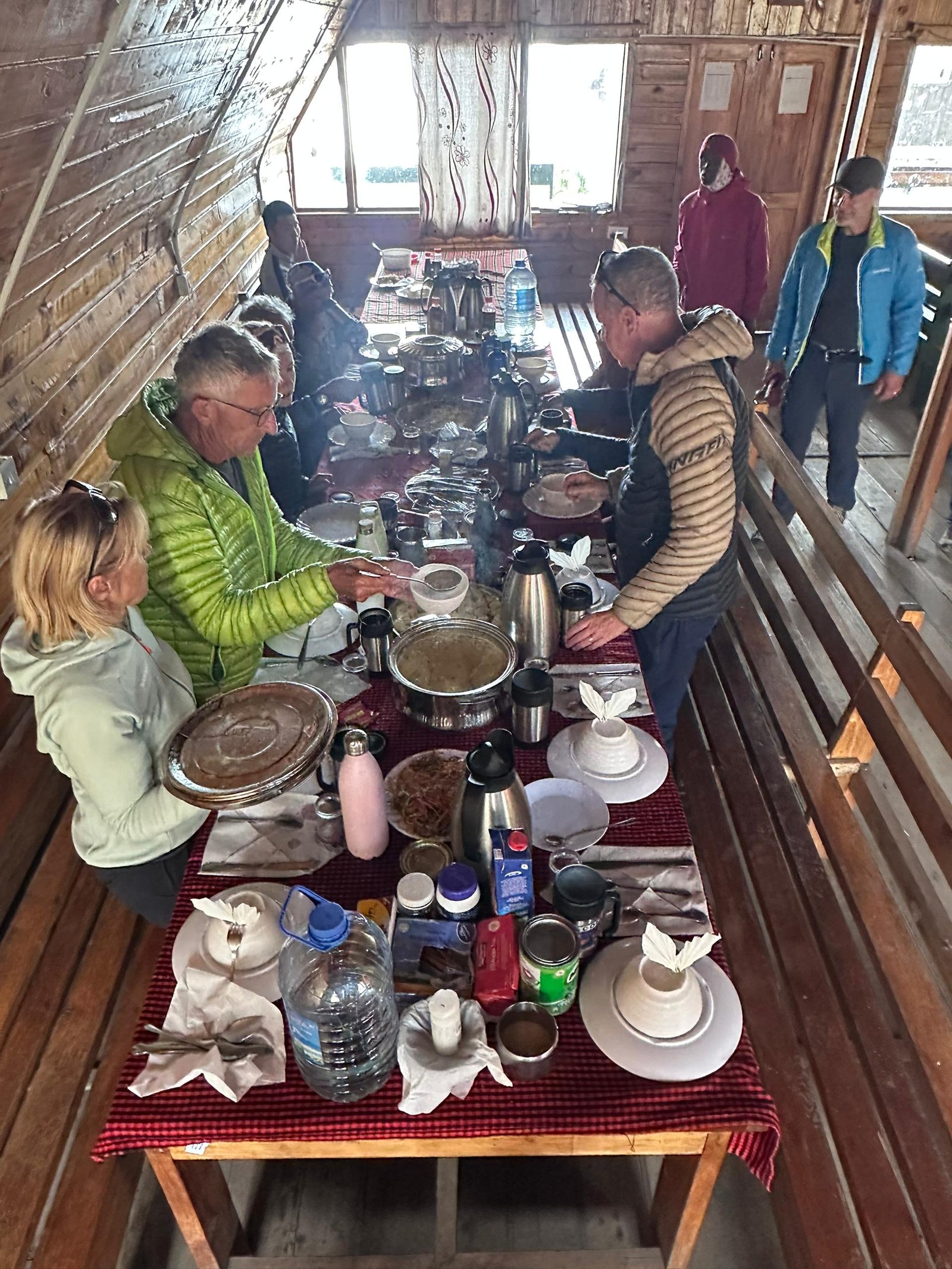
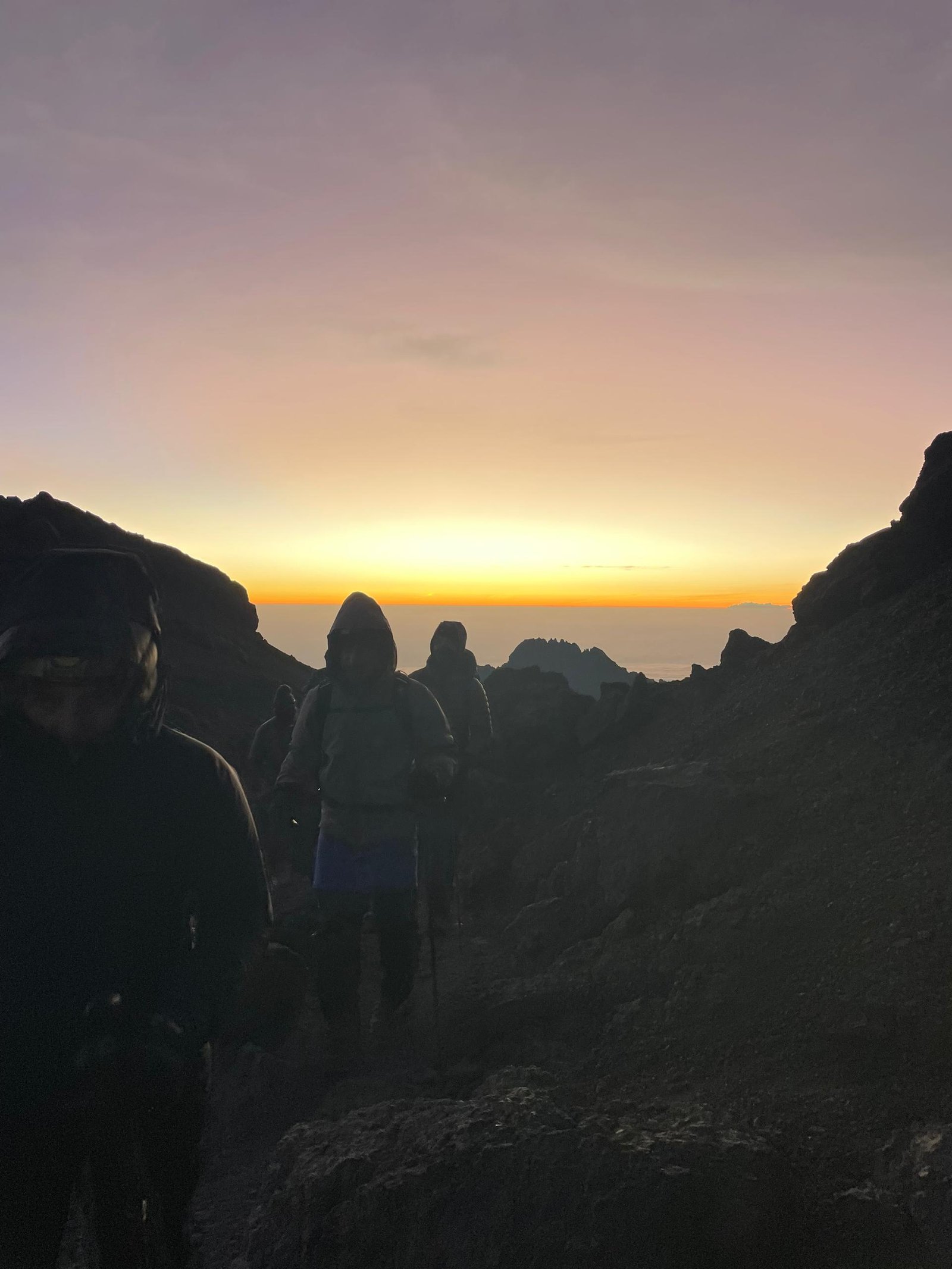
These are real Everyday Safaris Kilimanjaro trip products already published on the website. The Lemosho and 5-day Marangu products are explicitly published as group climbs; the other summit itineraries can be matched with selected group departures when suitable dates and traveller numbers align.
Group DepartureA published Everyday Safaris group-climb product using the scenic western Lemosho approach, with rainforest, Shira Plateau, southern-circuit terrain and a shared mountain-team experience.
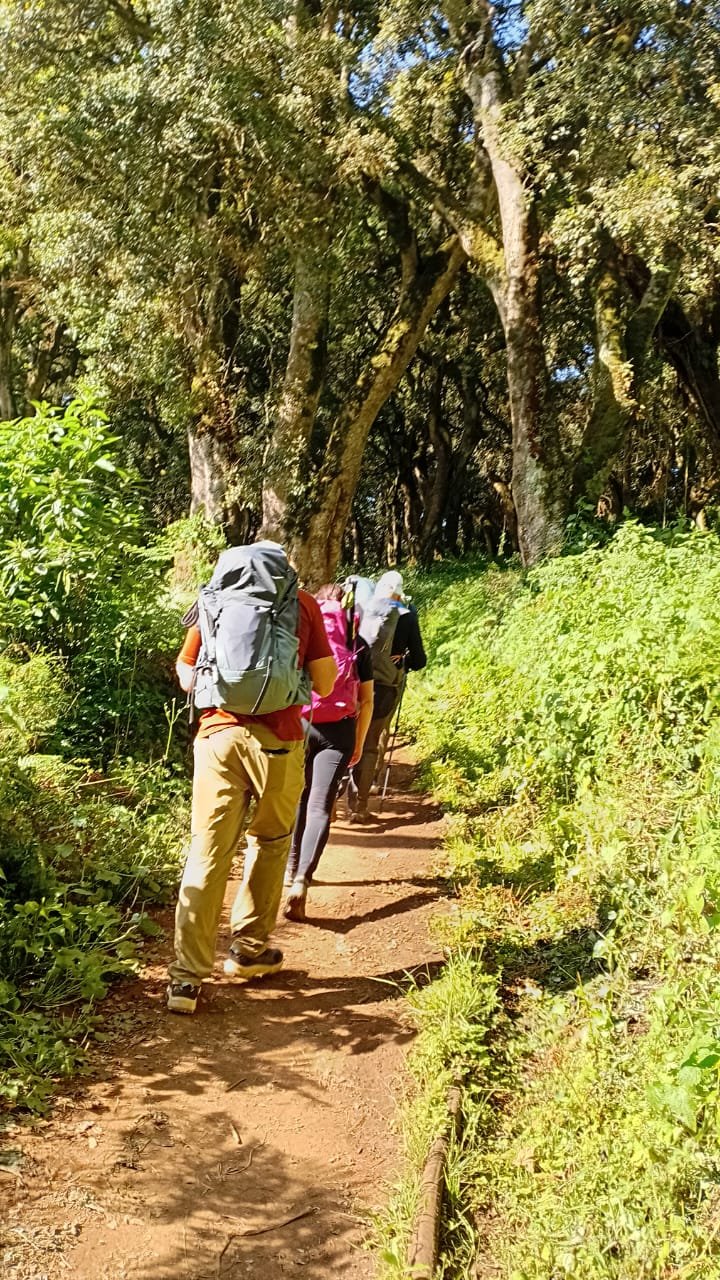 Group Departure
A published group departure on Kilimanjaro’s hut-based Marangu Route. The shorter schedule is designed for fit climbers who understand that compressed itineraries allow less acclimatisation time.
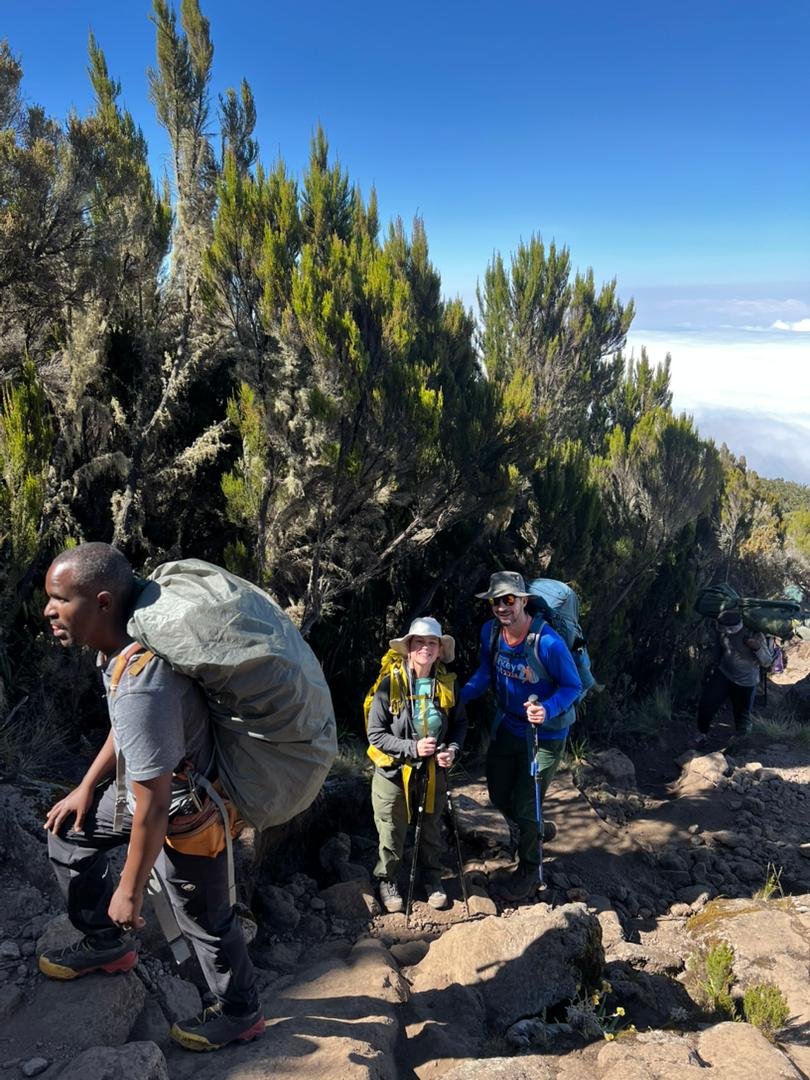 Selected Group Availability
A shorter Machame summit program through rainforest, moorland and the southern circuit. Selected group availability should be confirmed before booking because the five-day format is physically demanding.
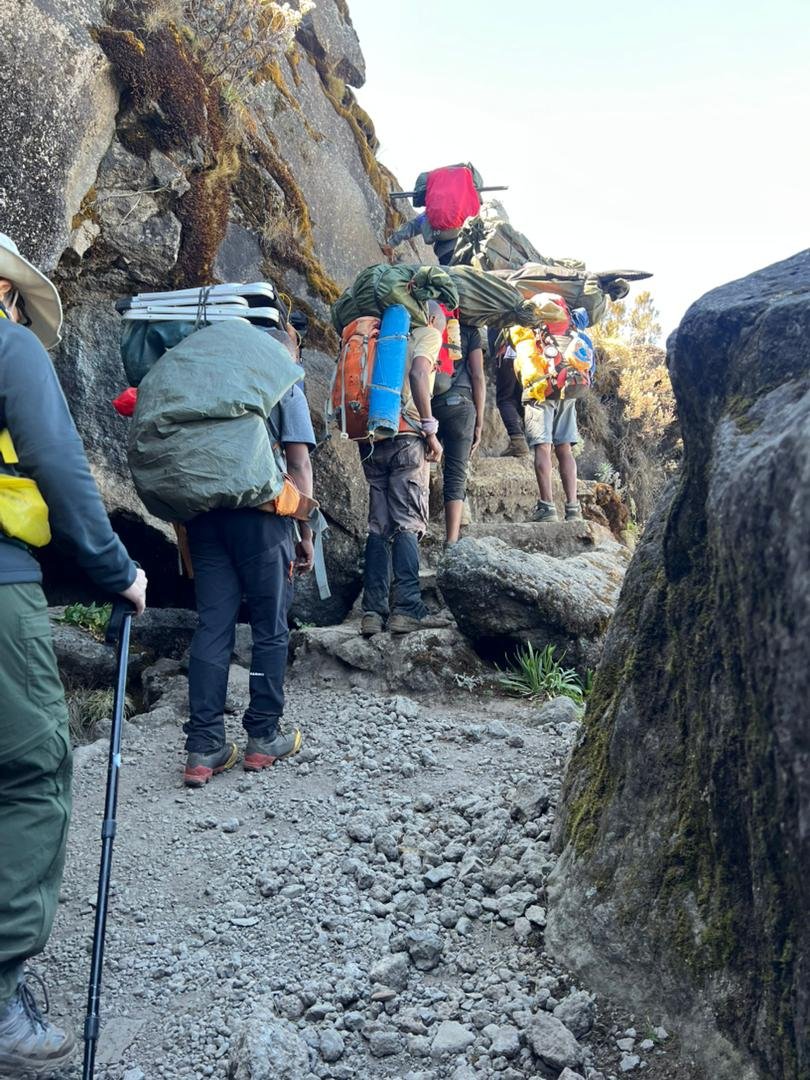 Selected Group Availability
A classic six-day Machame itinerary featuring Shira Plateau, Lava Tower, Barranco Wall and the southern circuit. A strong option when a confirmed shared departure matches your dates.
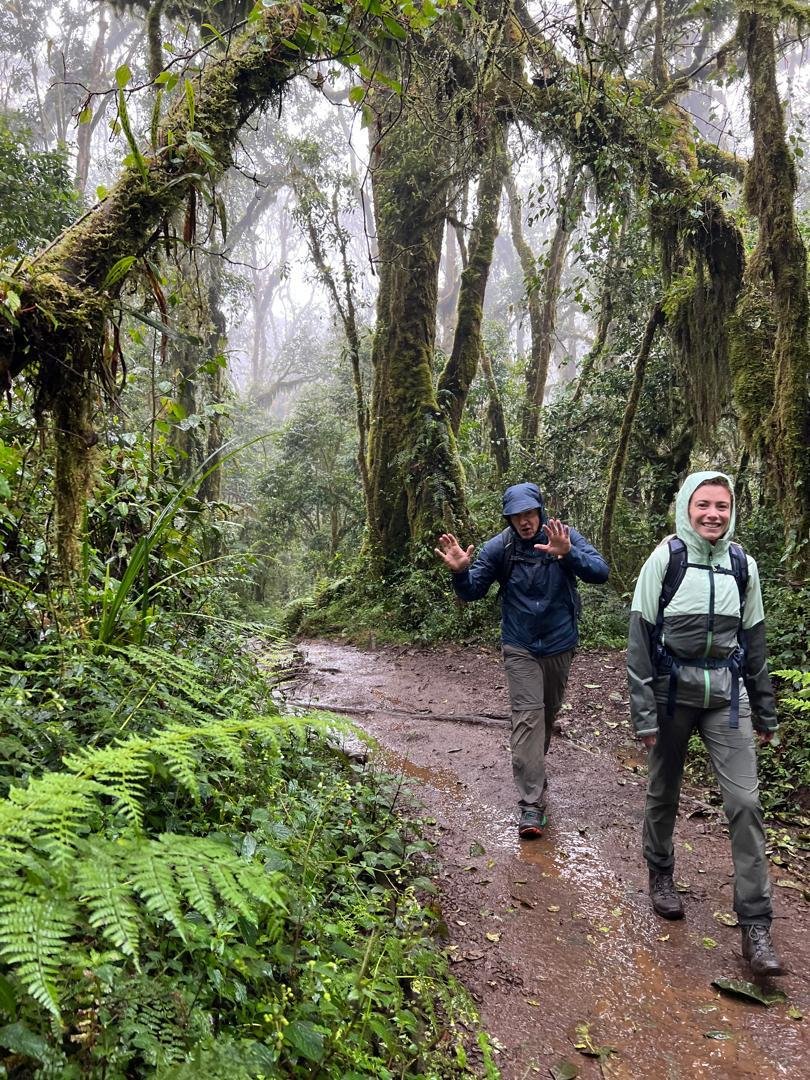 Selected Group Availability
A six-day hut-based Marangu climb with more time than the compressed five-day group product. It suits travellers who prefer mountain huts and want to ask about selected shared-departure availability.
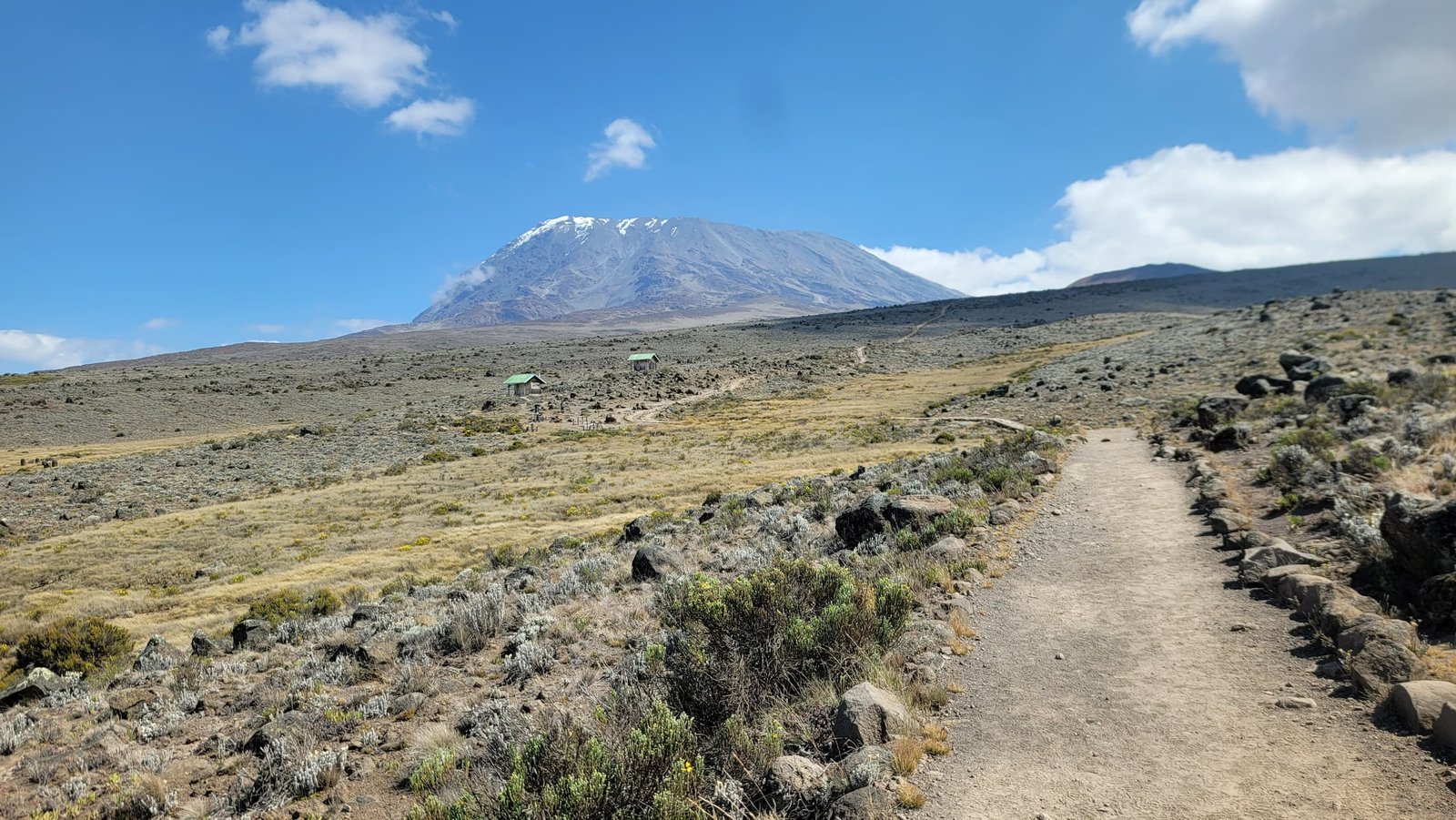 Selected Group Availability
A longer journey around Kilimanjaro’s quieter northern slopes with more gradual acclimatisation and remote scenery. Group availability depends on matching travellers to the same confirmed departure.
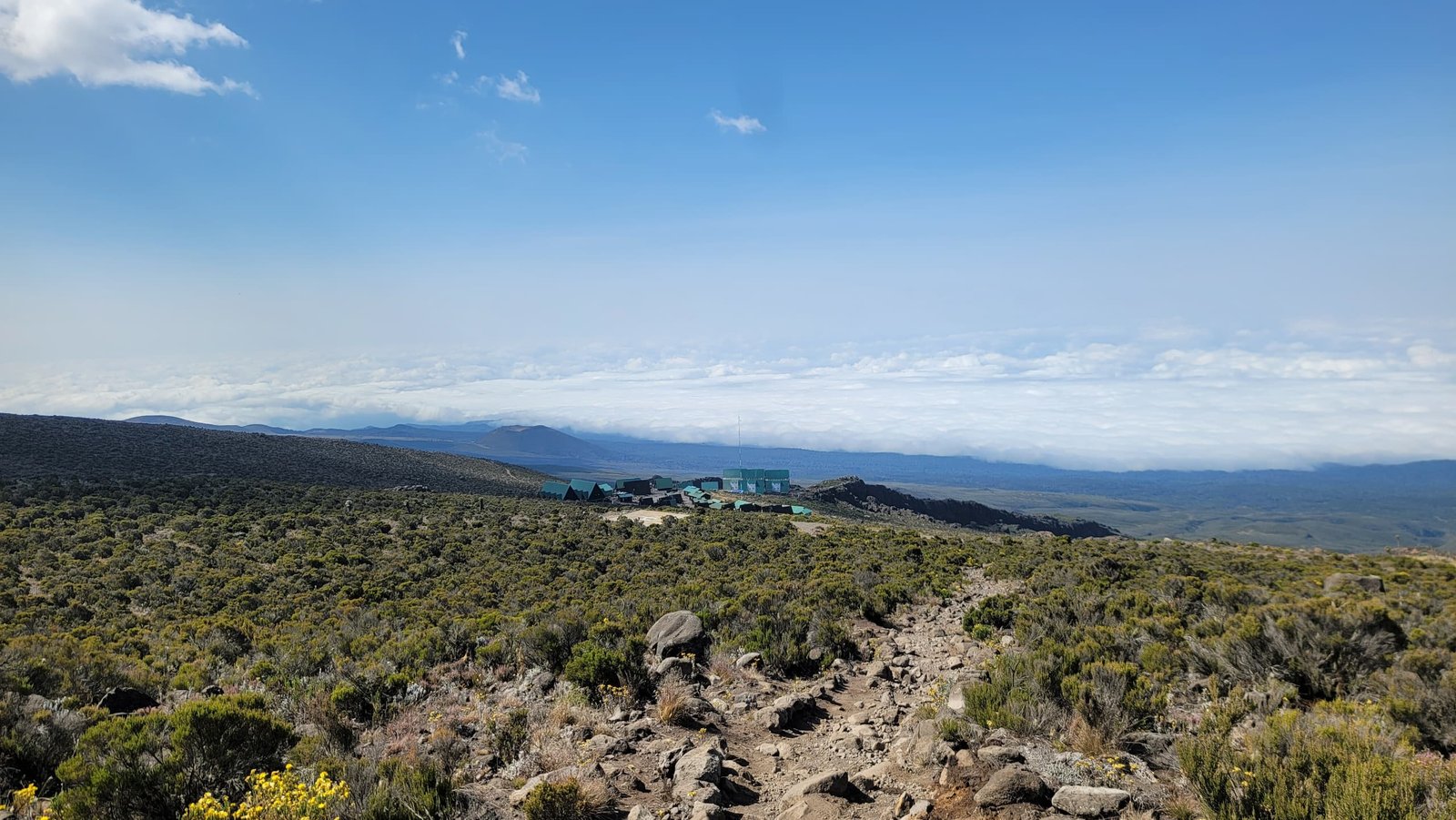 Selected Group Availability
Kilimanjaro’s quieter northern approach near the Kenyan border, passing through drier landscapes and the Mawenzi sector before descending on the Marangu side. Ask about compatible group dates.
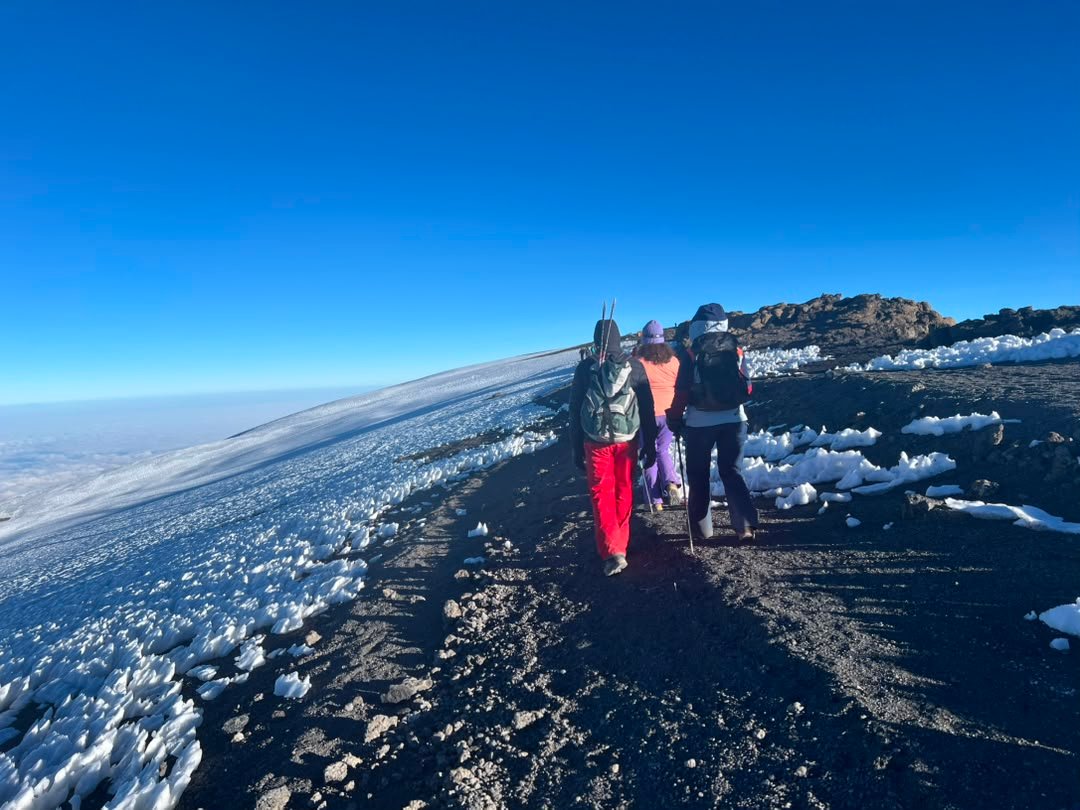 Luxury / Selected Group
An upgraded eight-day Lemosho expedition with additional comfort and service quality around the mountain logistics. Selected group or shared-departure options should be confirmed for your dates.
A public group departure works well when you want professional support and a social mountain atmosphere without creating an entire private expedition around your own party.
Share camp life and summit preparation with travellers who may arrive from different countries but are taking on the same challenge.
The mountain crew, route operation and key logistics are organised around the confirmed group rather than one traveller planning everything alone.
Long trekking days feel different when encouragement, meals, stories and the final summit effort are part of a shared expedition.
Guides manage pace, daily health monitoring, route conditions and safety decisions while the wider crew supports the group on the mountain.
Group climbs attract a wide mix of people. Some arrive alone and want a ready-made mountain team. Others travel as couples or with one or two friends but prefer to share the expedition with additional climbers. The format can also suit organised teams when a scheduled departure matches their plans.
Want complete control over dates, pace and privacy? Compare this format with our Private Kilimanjaro Climbs.
A group climb becomes much easier when each stage is clear before you travel. Everyday Safaris organises the mountain operation while each climber prepares personally for the physical and logistical demands of the expedition.
Compare days, accommodation style, scenery and acclimatisation before selecting the group route that best fits your available time.
Confirm the next suitable shared departure and ask about expected group size, arrival timing and the exact services included.
Train, organise travel insurance, test your footwear and work through the Kilimanjaro packing and preparation guidance.
Arrive in Tanzania, complete the pre-climb briefing and meet the guides and other climbers sharing the expedition.
Move steadily through the route while guides monitor altitude response, trail conditions, hydration and the group's overall rhythm.
Approach summit night with the same objective while accepting that individual pace and safety decisions may differ near the top.
Group departure dates change as seasons, route plans and confirmed bookings develop. Rather than showing an old calendar months after it has expired, this page keeps the options current: choose the route you want and ask the operations team for the next suitable departure.
If you already have fixed dates and the scheduled group does not match them, a private climb may be the better structure.
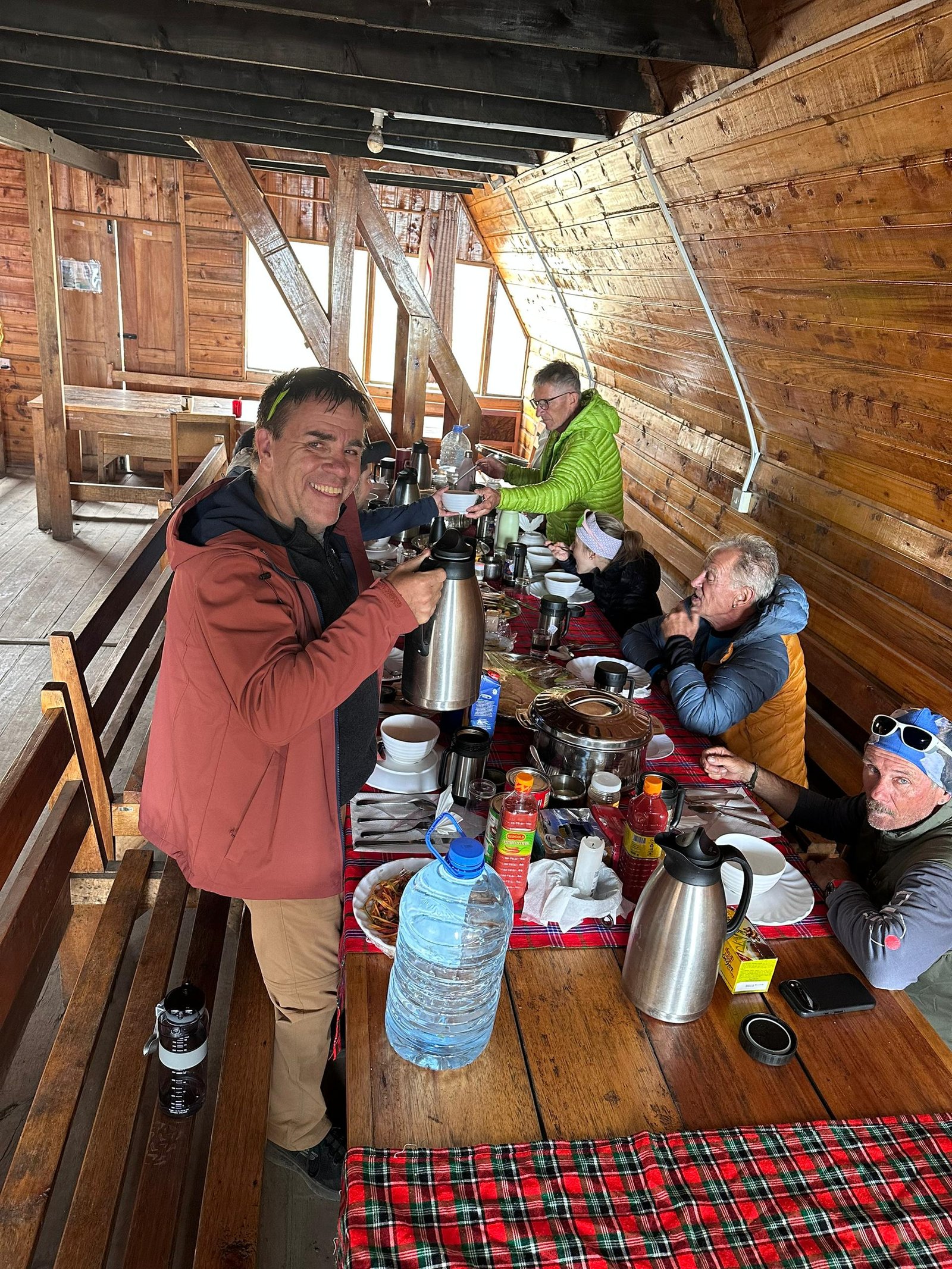
Group life develops in the small moments: breakfast before the trail, checking on someone after a hard climb, laughing over a meal, comparing layers before summit night and celebrating progress that felt impossible a day earlier.
Sharing a departure does not remove the personal challenge. Your body still responds to altitude individually, your training still matters and your summit decision remains subject to your condition and the lead guide's safety judgement.
The purpose of a climbing group is to share the expedition, not to make everybody identical. Guides watch how people are adapting and manage the mountain day around safe progress.
Read more about Kilimanjaro safety and altitude & acclimatisation.
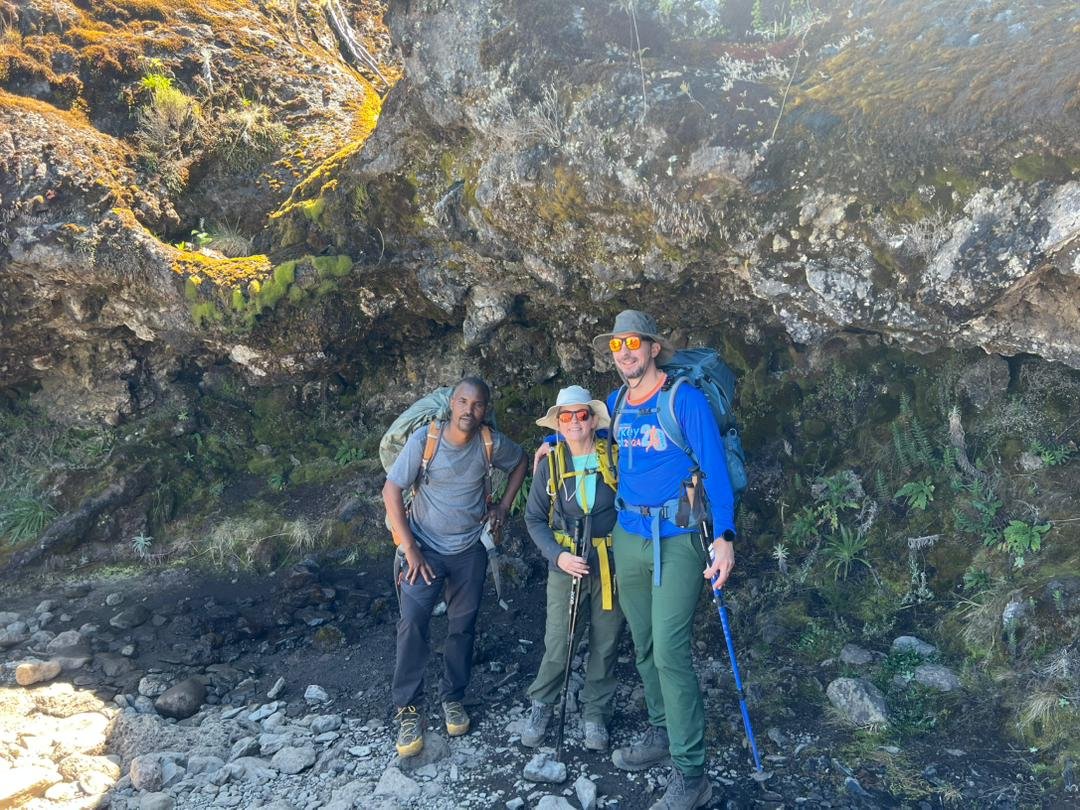
You do not need to find five friends before deciding to climb Kilimanjaro. A scheduled group gives independent travellers a structure to join other climbers while keeping their own flights, travel plans and personal preparation.
This is particularly useful if you enjoy meeting people but do not want the cost and logistics of running a completely private expedition for one person. You still receive professional guide support and you still need to arrive fit, insured and correctly equipped.
Ask About Solo Availability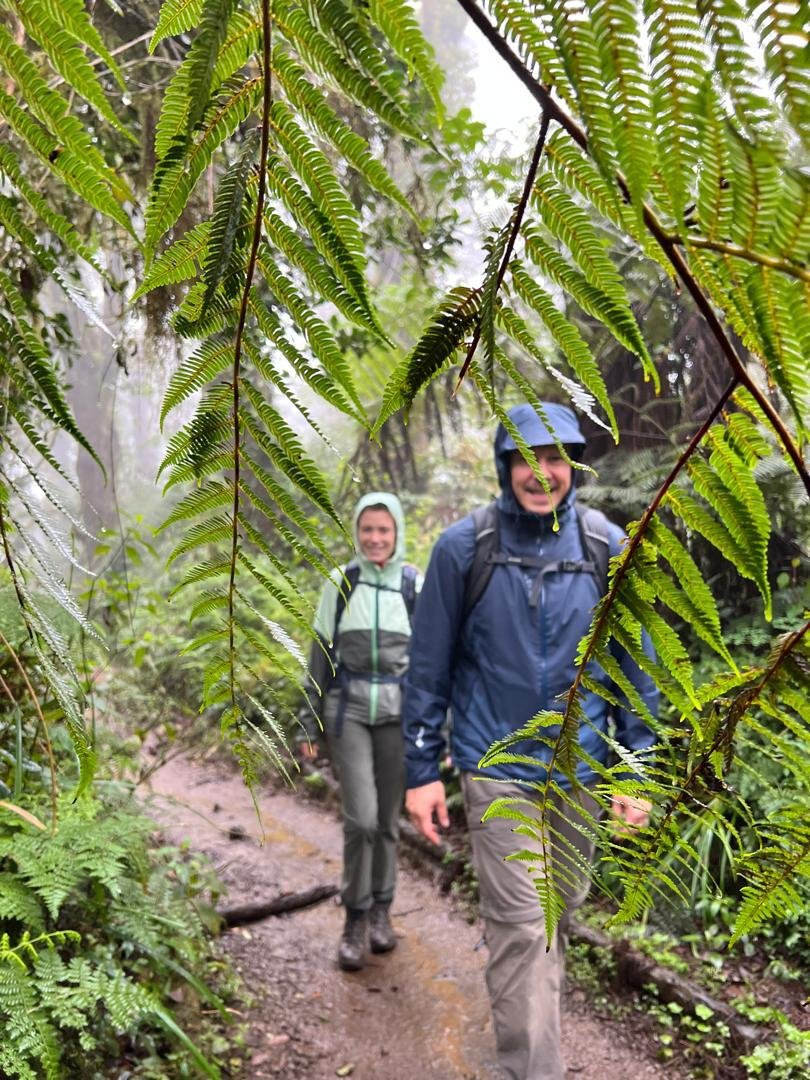
The better format depends on how much flexibility, privacy and social interaction you want. Neither structure removes the need for preparation, acclimatisation or responsible mountain decisions.
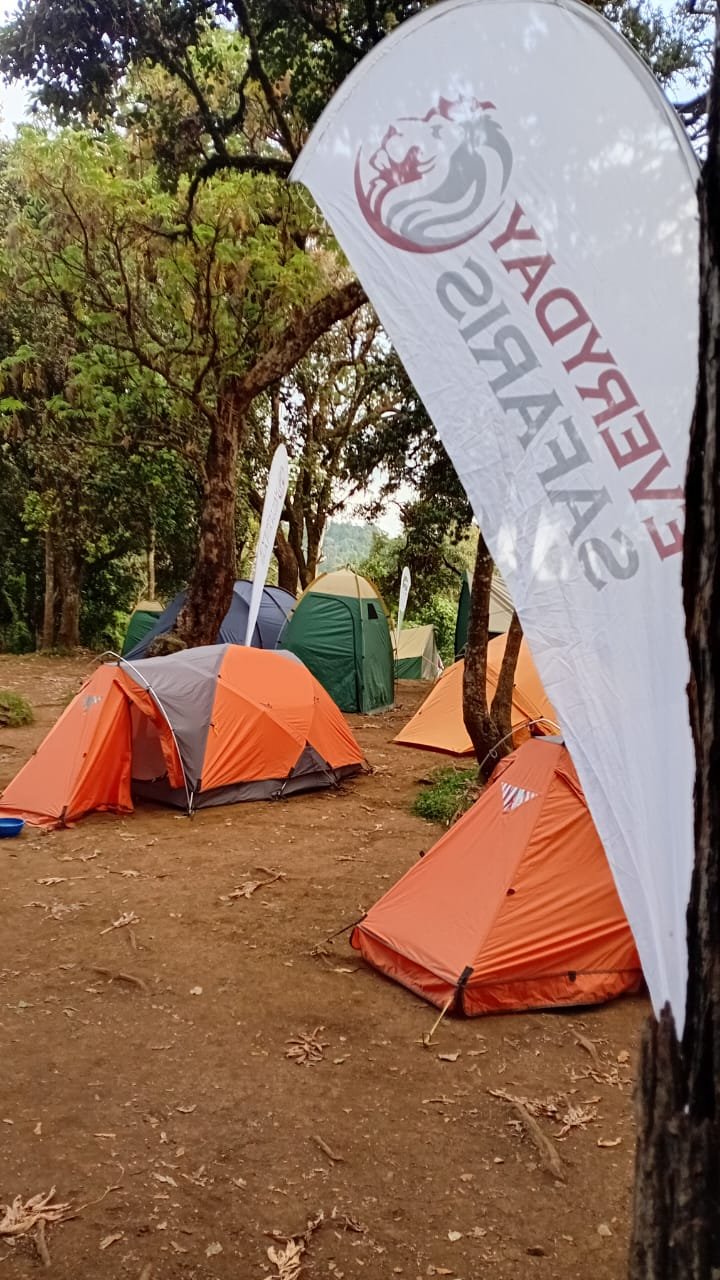
Exact inclusions depend on the confirmed route and quotation, but a properly organised group climb requires far more than a guide walking at the front.
Your final quotation remains the authoritative list of inclusions and exclusions for a specific departure.
The social part of group climbing begins in Tanzania, but your preparation begins weeks or months earlier. These pages cover the decisions that matter before you arrive.
Training, expectations and practical pre-climb planning.
Read guide ↗Layering, footwear and mountain equipment to organise before travel.
Read guide ↗Understand the main climbing seasons and weather considerations.
Read guide ↗Why acclimatisation, route duration and slow pacing matter.
Read guide ↗Health monitoring, guide decisions and mountain safety planning.
Read guide ↗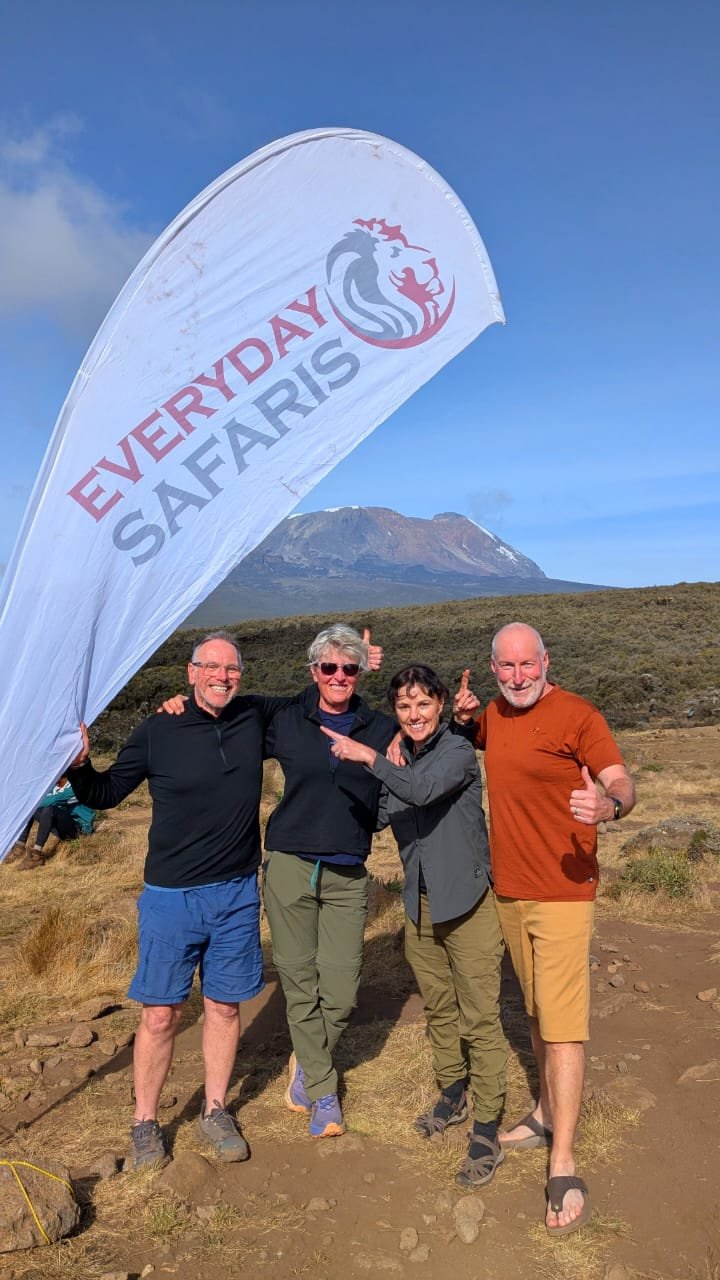
Every group departure depends on the Tanzanian professionals working behind the scenes and on the trail. Guides manage pace and safety decisions. Porters move group equipment and camp logistics. Cooks and support staff make it possible for climbers to concentrate on walking, resting, eating and adapting to altitude.
This local mountain structure is one of the most important things to understand when comparing Kilimanjaro operators. A group climb should not mean anonymous mass handling. It should still have clear guide leadership, appropriate crew support and responsible mountain operations.
Learn more about Kilimanjaro guides & porters.
Everyday Safaris can welcome individual climbers and organised groups travelling from major international markets while keeping the mountain operation rooted in Tanzania.
For travellers, that means local route knowledge, mountain logistics and support from arrival through the climb. For travel advisors, clubs, charities and international organisers, it creates a local operational partner that can discuss group size, route, service level, arrival logistics and optional safari or Zanzibar extensions.
Request a tailored operational quotation with your expected group size, preferred route, target dates and service requirements. The final programme can be structured around the market and travellers you are bringing to Tanzania.
These answers cover the practical differences between sharing a Kilimanjaro departure and running a private climb.
Yes. Group departures are especially useful for solo travellers who want to share the mountain with other climbers without organising a private expedition. You can arrive in Tanzania independently, meet the team before departure and climb with an international group under the same guide-led safety and pacing system.
Group size can vary by departure, route and confirmed bookings. Everyday Safaris plans guide and support-team ratios around the actual number of climbers rather than treating every departure the same. Ask for the expected group size when checking availability so you know the likely social atmosphere before confirming.
No. People arrive with different trekking backgrounds, but everyone should prepare for consecutive hiking days and high altitude. Guides control the overall mountain rhythm, monitor individual health and can adjust spacing or support where practical. A public group still requires each climber to arrive properly trained and equipped.
There is no single route that suits every group. Lemosho offers strong scenery and acclimatisation, Machame gives a classic camping experience, Marangu uses huts, and Northern Circuit provides more time on the mountain. Your available days, altitude strategy, accommodation preference and group profile should guide the choice.
Shared departures can reduce some per-person logistics compared with running a dedicated private mountain team for one or two travellers, but the final quotation still depends on route, duration, group size, services and travel dates. Everyday Safaris confirms the actual price and inclusions for each departure rather than using one universal rate.
Yes. Couples, friends and small travelling parties can join a scheduled group when space is available. You still book as your own party, but mountain logistics, camps and the climbing experience are shared with the wider team. This can be a good middle ground between travelling privately and joining a large organised expedition.
Kilimanjaro is not a race, and responsible pacing is deliberately slow. Guides monitor how each climber is responding to altitude and can manage spacing within the team when conditions allow. Safety decisions come before keeping everyone side by side, especially on summit night when climbers may naturally separate into smaller pace groups.
Everyday Safaris group itineraries are built around a professional local mountain crew, route-specific logistics, meals and support on the mountain. Exact inclusions vary by confirmed itinerary, particularly accommodation, transfers and pre- or post-climb services, so the final quotation should always be checked before booking.
Yes. A group Kilimanjaro departure can be followed by a separately planned Tanzania safari or Zanzibar extension. This works well because the mountain dates stay fixed while the post-climb part can be private and tailored around your interests, available time and preferred comfort level after reaching the end of the trek.
Booking early is useful when you have fixed international flights, limited annual leave or a preferred route and travel month. Group availability changes as climbers confirm, and some periods are more popular than others. Early planning also gives you more time for training, equipment checks, insurance and any safari or Zanzibar extension.
Standard Kilimanjaro routes are high-altitude treks rather than technical rock-climbing expeditions, so ropes and specialist mountaineering skills are not normally required. You do need suitable fitness, proper trekking equipment, the ability to hike for multiple days and realistic preparation for cold, fatigue and altitude.
Yes. Everyday Safaris can support international travel advisors, tour organisers, clubs, charities and other group leaders that need Tanzania-based mountain operations. The exact structure depends on group size, route, service level and departure plan. Partners can request a tailored operational quotation and itinerary for their market.
Explore group-climb questions by booking style, route, traveller profile and international planning. Each topic connects to the most useful Everyday Safaris guide instead of turning the bottom of the page into an unreadable keyword wall.
Understand how shared Kilimanjaro departures work and what to expect from a professionally guided group expedition.
Explore guide ↗Plan a Tanzania-based group climb with local mountain logistics, guiding and route support.
Explore guide ↗See how solo travellers, couples and small parties can join a shared departure.
Explore guide ↗Learn how fixed or scheduled mountain departures differ from private climbs.
Explore guide ↗Explore the practical benefits of climbing with a managed group rather than alone.
Explore guide ↗Compare routes, preparation and the shared mountain experience before booking.
Explore guide ↗Understand the route, support team and high-altitude planning behind a group trek.
Explore guide ↗Check the next suitable route and departure window with the operations team.
Explore guide ↗Prepare your route choice, travel dates and number of climbers before requesting availability.
Explore guide ↗See how scheduled departures create a shared climb for travellers arriving separately.
Explore guide ↗Plan a multi-day summit journey with local guides, porters and mountain support.
Explore guide ↗Work directly with a Tanzania-based team for your group mountain logistics.
Explore guide ↗Explore a scenic western approach with strong landscape variety and acclimatisation opportunities.
Explore guide ↗Explore a classic camping route through rainforest, moorland and the southern circuit.
Explore guide ↗Explore Kilimanjaro's hut-based route for groups preferring structured overnight accommodation.
Explore guide ↗Explore a longer route with more time to adapt gradually to altitude.
Explore guide ↗Compare seven-day route options and the role of additional acclimatisation time.
Explore guide ↗Explore longer group itineraries for travellers prioritising acclimatisation and scenery.
Explore guide ↗Understand why longer itineraries can suit teams wanting a more gradual mountain rhythm.
Explore guide ↗Compare route character, days, accommodation and altitude profile before choosing.
Explore guide ↗Compare camping-based routes such as Lemosho, Machame and Northern Circuit.
Explore guide ↗See how Marangu differs by using huts instead of tented mountain camps.
Explore guide ↗Compare routes for mountain views, vegetation zones and changing terrain.
Explore guide ↗Learn why route duration, pace and altitude monitoring matter more than speed.
Explore guide ↗Join other climbers while travelling to Tanzania independently.
Explore guide ↗Share a departure with other climbers while booking together as a couple.
Explore guide ↗Join a public departure without needing to assemble a full private expedition.
Explore guide ↗Understand preparation, pace and route choice before your first high-altitude trek.
Explore guide ↗Focus on realistic preparation, suitable route duration and personal medical advice.
Explore guide ↗See how shared departures can provide a structured team environment for solo travel.
Explore guide ↗Plan a shared climbing objective around an organised cause or fundraising team.
Explore guide ↗Explore a professionally managed mountain challenge for an organised team.
Explore guide ↗Plan route length, preparation and mountain logistics for an organised student group.
Explore guide ↗Choose routes and days around landscape variety while respecting safe mountain pacing.
Explore guide ↗Compare fixed departures and shared logistics with a private itinerary built around you.
Explore guide ↗Prepare for consecutive trekking days, altitude, cold and the long summit-day effort.
Explore guide ↗Coordinate international travel with a Tanzania-based mountain departure and local support.
Explore guide ↗Plan flights, arrival timing and a shared climb with local Tanzania operations.
Explore guide ↗Build a Kilimanjaro departure around long-haul travel, acclimatisation and preparation.
Explore guide ↗Join an international climbing team while Everyday Safaris manages Tanzania ground operations.
Explore guide ↗Connect long-haul travel dates with a professionally guided shared mountain departure.
Explore guide ↗Plan a shared Kilimanjaro expedition with local route and mountain support in Tanzania.
Explore guide ↗Explore Tanzania-based operational support for international travel advisors and organisers.
Explore guide ↗Work with a local mountain team for route logistics, crews, permits and expedition support.
Explore guide ↗Coordinate group arrivals, mountain operations and optional post-climb extensions.
Explore guide ↗Follow the mountain with a private Tanzania wildlife itinerary after the group finishes.
Explore guide ↗Add a beach extension after the shared mountain dates finish.
Explore guide ↗Discuss route planning and local mountain handling for an organised international group.
Explore guide ↗