Answers about seasons, rain, trail traffic and choosing dates without pretending mountain weather is fully predictable.
01Which months are usually drier on Kilimanjaro?+
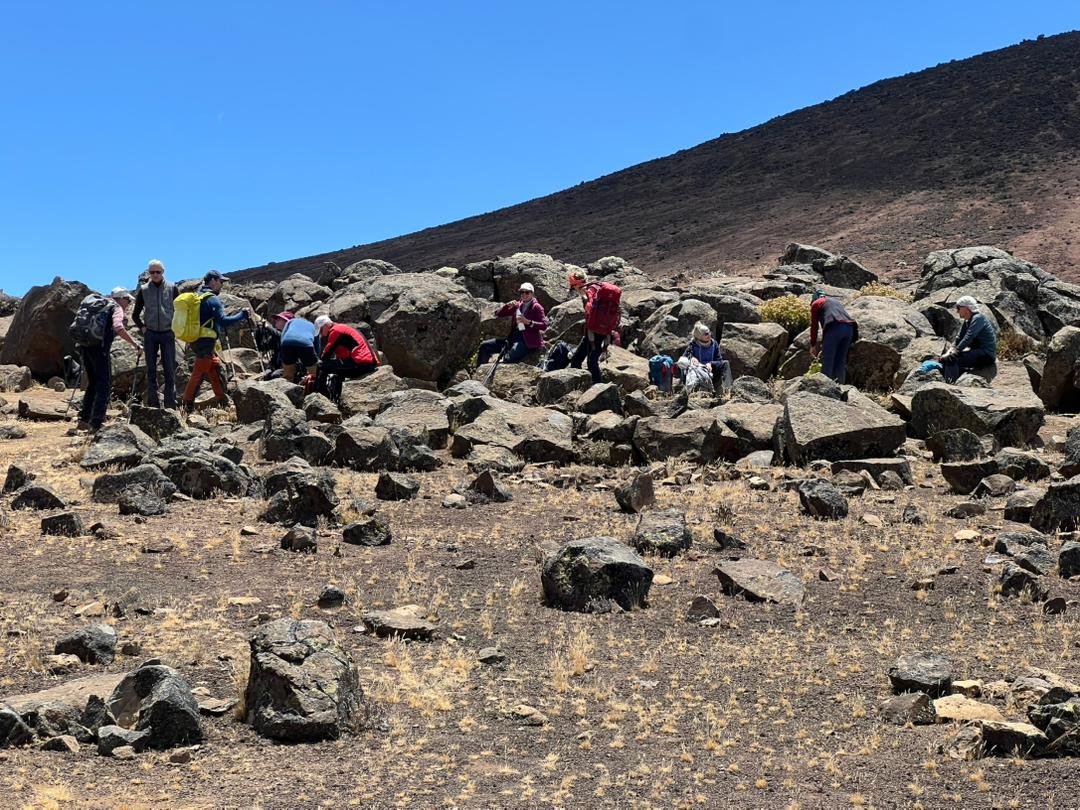
January to early March and June through October are commonly chosen because they often bring comparatively drier mountain conditions. That does not mean every day is dry or clear. Kilimanjaro creates its own weather, and cloud, wind or precipitation can appear quickly at any time of year, especially across different ecological zones.When comparing months, also consider the route and total days because a good weather window does not correct an itinerary that is too compressed for the climber.
02Is February a good month to climb Kilimanjaro?+
February is a popular early-year option because it often falls within a relatively dry window. It can suit travellers who want warmer conditions on the lower mountain and potentially less mid-year traffic. Route choice and itinerary length still matter more than chasing a single “perfect” month.If February fits your international flights, compare it with January and early March rather than treating a calendar boundary as a dramatic change in mountain conditions.
03What happens during the long rains?+
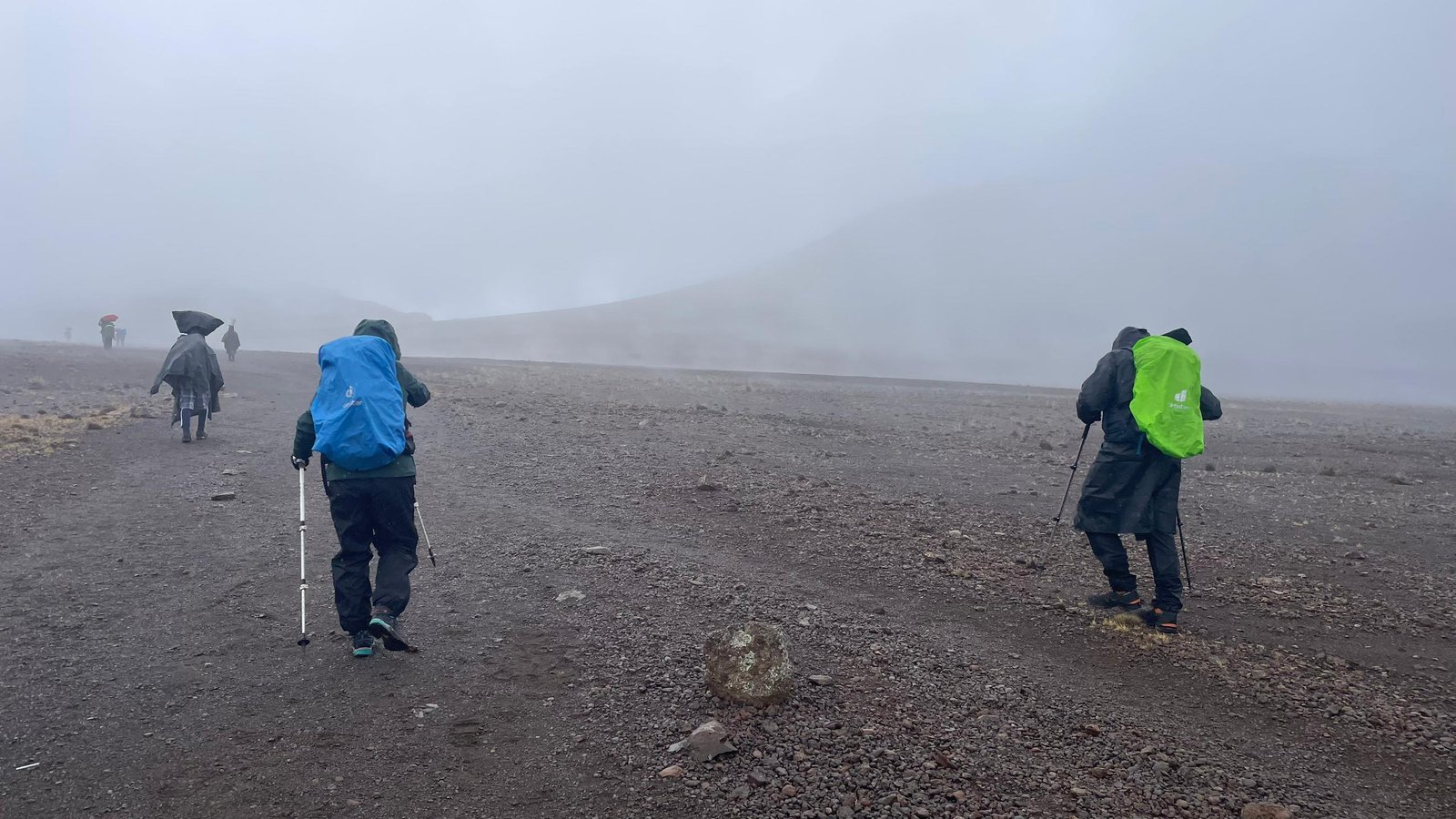
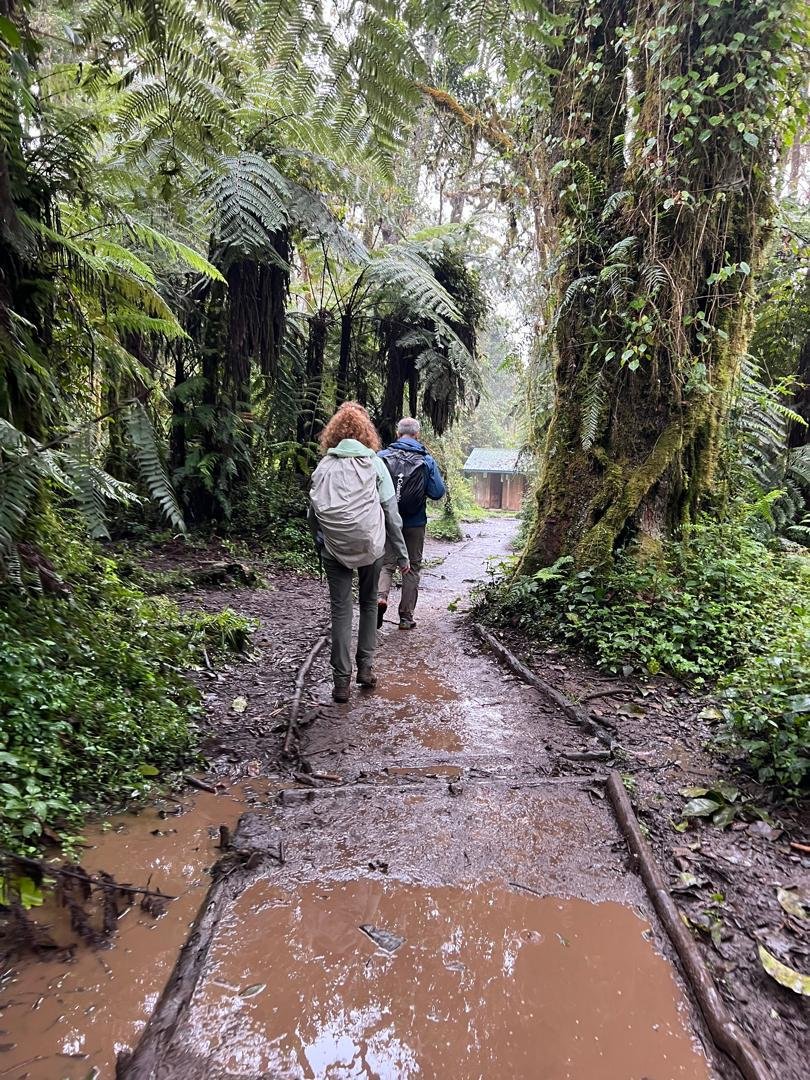
The long-rain period generally brings wetter forest trails, more cloud and a higher chance of sustained rain. Some climbers still travel then, especially when flexibility or quieter trails matter, but waterproofing, route choice and expectations need to reflect the greater weather uncertainty.Wet-season travel can still be meaningful for experienced, flexible travellers, but keeping insulation dry and arriving with realistic expectations becomes especially important.
04Is November too wet for Kilimanjaro?+
November often brings shorter rains rather than the more sustained pattern associated with the long rains. Conditions can vary considerably from one week to another. If November is your only travel window, it can still be workable with realistic expectations and strong rain protection.November decisions work best when the route, waterproofing and arrival schedule are flexible enough to absorb variable conditions instead of depending on a perfect forecast.
05Does a full moon make summit night easier?+
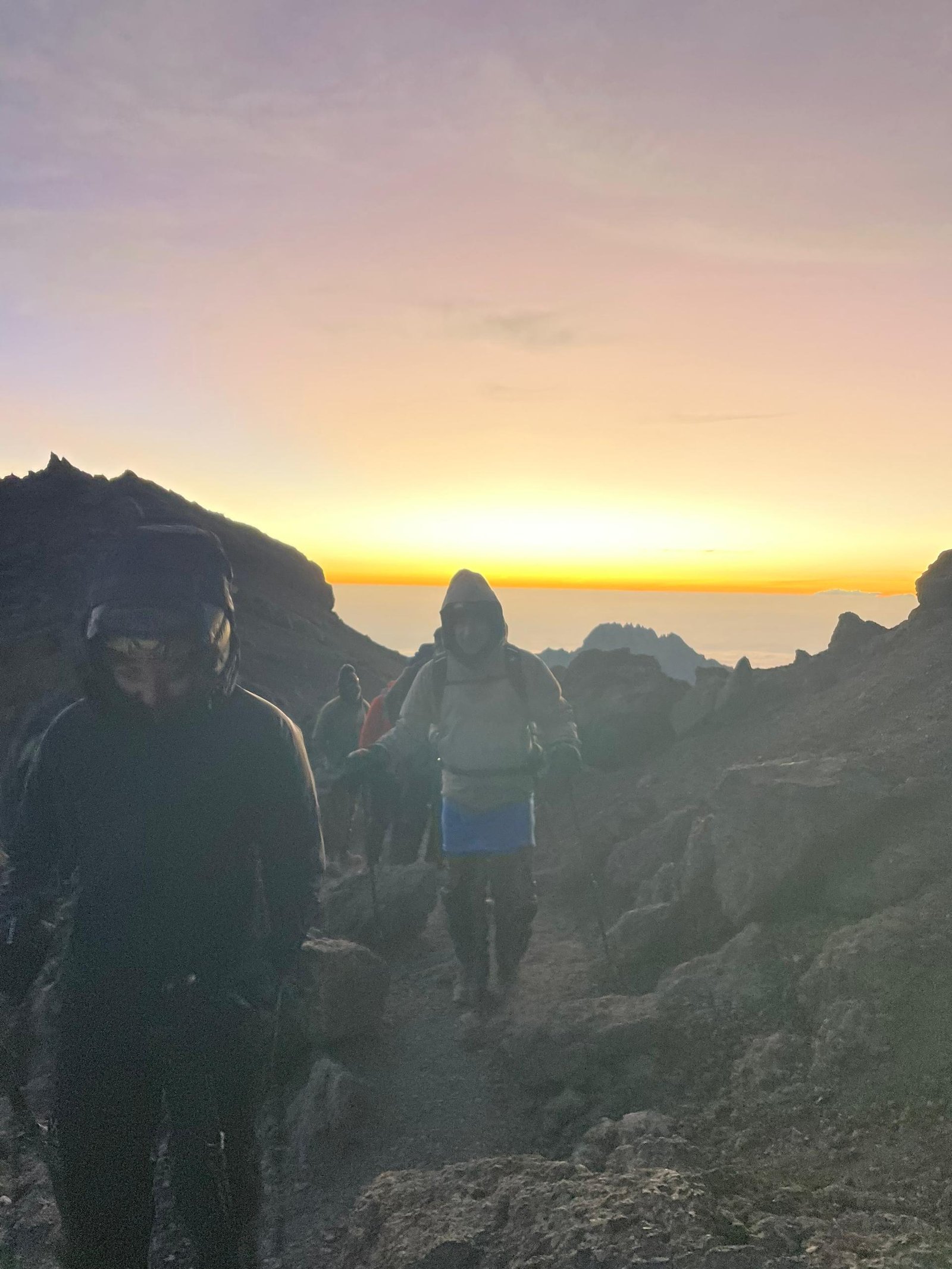
A bright moon can make summit night feel more atmospheric and may illuminate the mountain when skies are clear, but it does not change the altitude, cold or physical effort. Headlamps remain essential, and cloud can hide the moon completely.Choose moon dates only after the route and duration are right. A clear moon can add atmosphere, but it does not reduce altitude or replace normal summit equipment.
06Which season has the fewest climbers?+
Rainier or shoulder periods often see fewer climbers, while the main dry windows attract more demand. A quieter experience can also be created by choosing a less-used route or a longer itinerary that spreads groups across different camps and trail sections.For quieter trails, look at both the calendar and route choice. A less-used approach can change the experience even during a generally popular travel window.
07Should I choose the route or the month first?+
If your travel dates are flexible, choose a route and duration that fit your experience and acclimatisation needs, then fine-tune the month. If your international flights are fixed, work backwards from those dates and select the route that makes the best use of the available window.If dates are fixed, start there and build the best route around them; if dates are flexible, choose the route profile first and then select a suitable seasonal window.