Everyday Safaris

Plan Your Adventure
Everyday Safaris
Plan Your Adventure
Mountain Gear & Clothing

Kilimanjaro Packing List

Pack for rainforest, sun, wind, cold camps and a freezing summit night—not just for the weather in Arusha or Moshi. The strongest packing system combines proven footwear, flexible layers, waterproof organisation and a daypack that keeps essentials close.

Pack by system, not by guesswork.
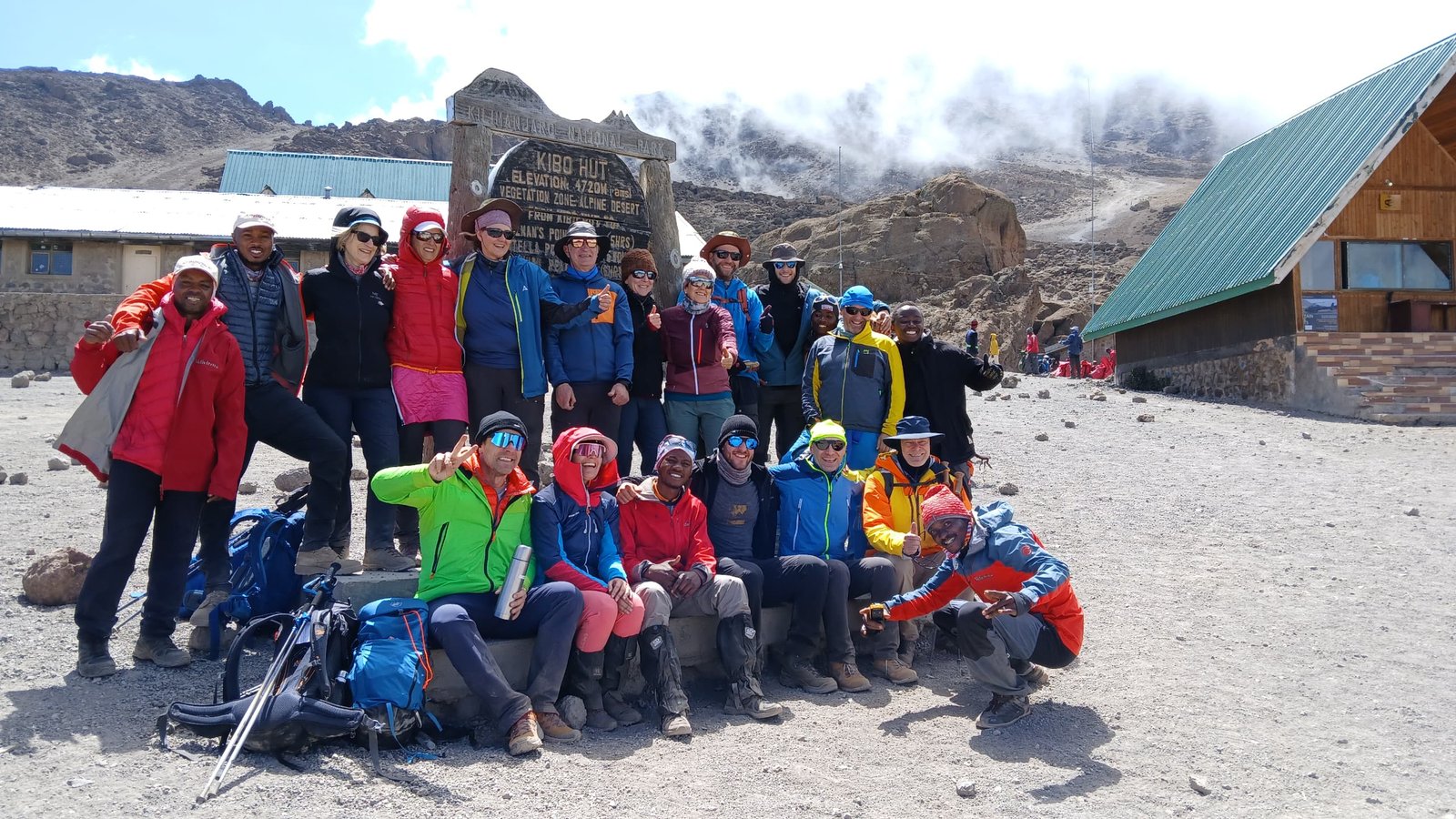
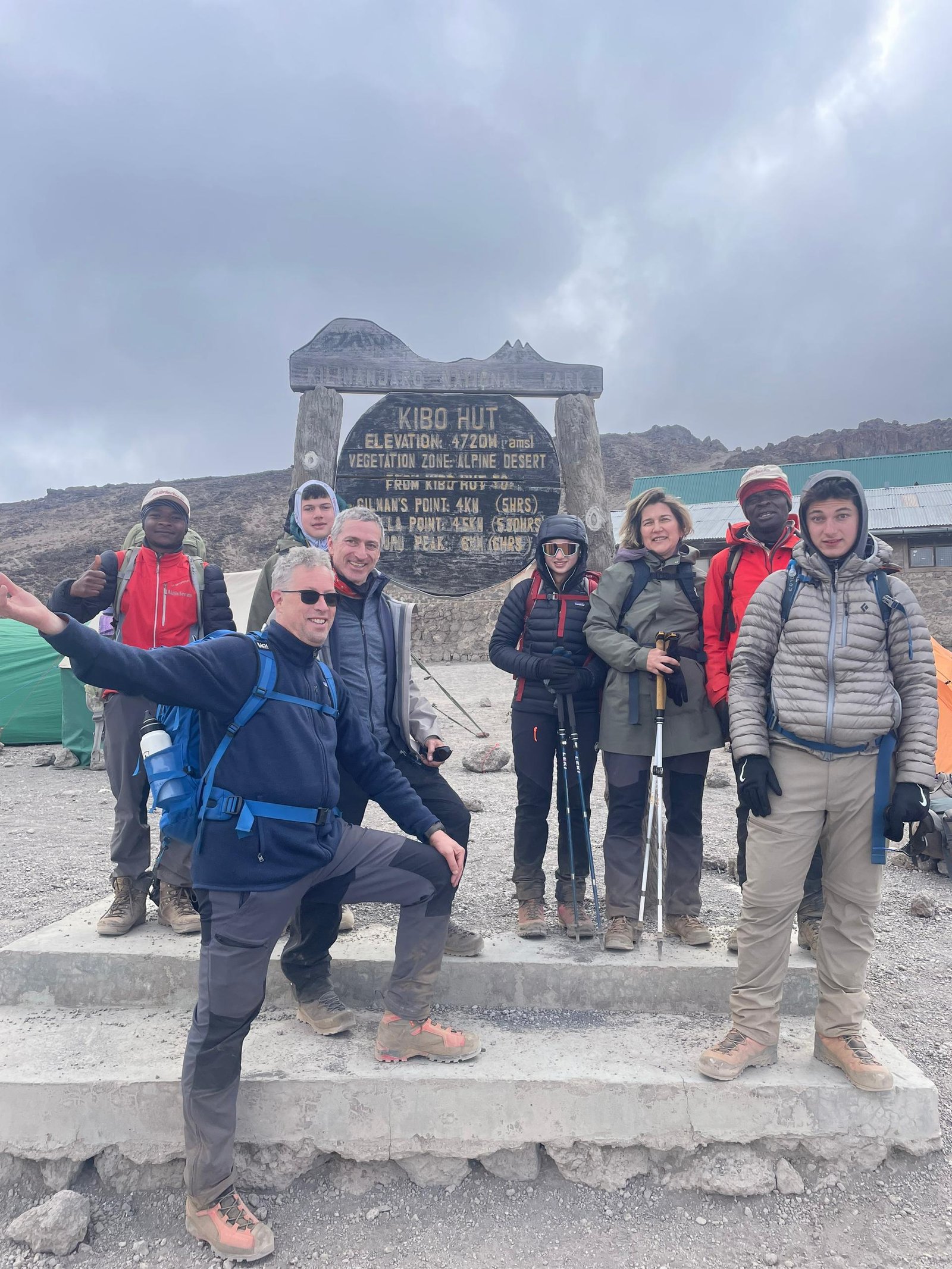
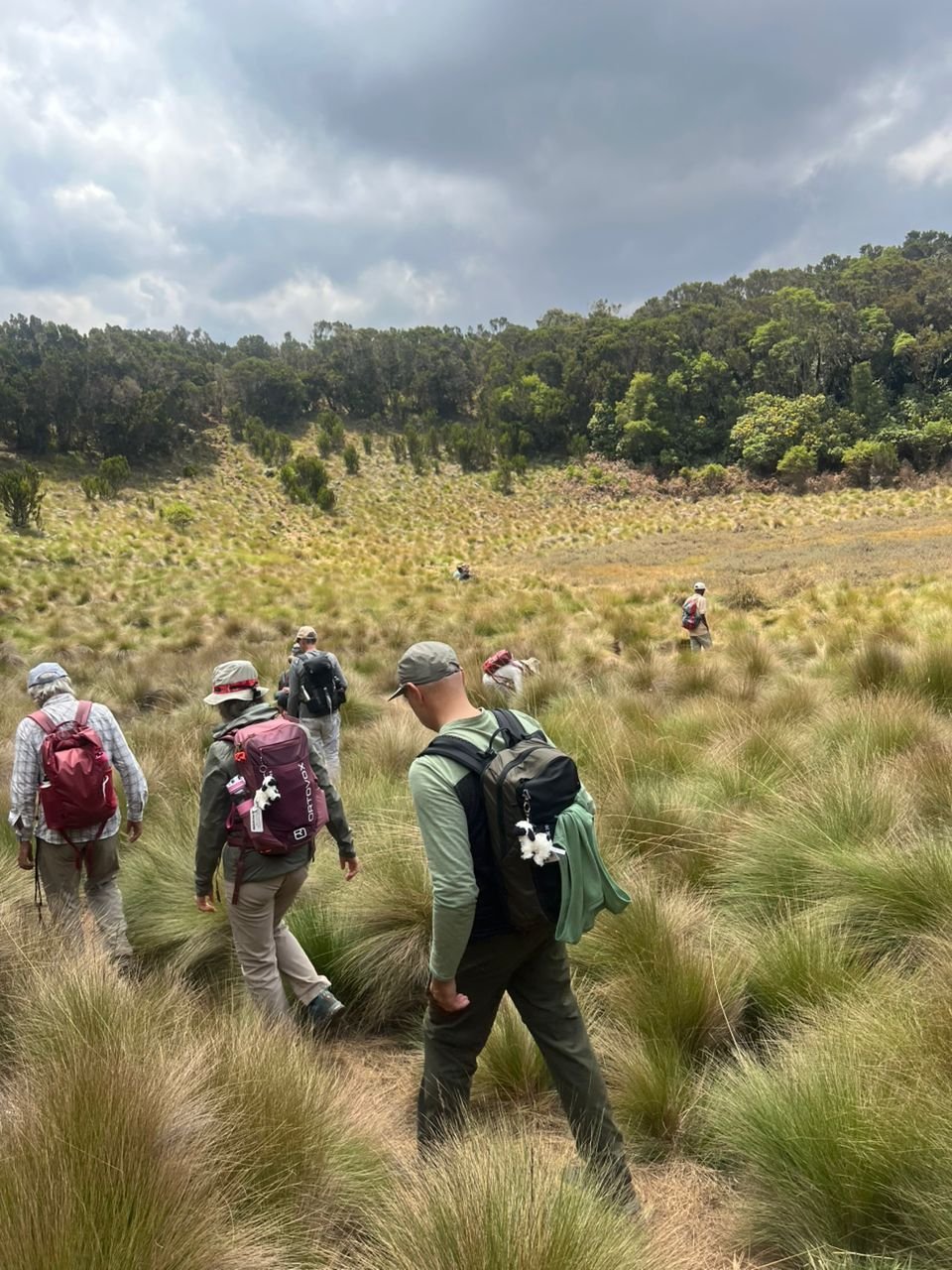
Kilimanjaro trekking team near Kibo HutKilimanjaro climbers in snowy high-altitude weather
The System

Three Bags, Several Layers, No Guesswork

Daypack

Carry water, rain shell, warm layer, snacks, sunscreen, camera, medication and anything you may need before the next camp.

Duffel Bag

Your main mountain clothing and sleeping gear normally travel in a porter-carried duffel. Keep it organised with waterproof liners or dry bags.

Travel Bag

Leave non-mountain luggage at your hotel or agreed storage point so the climb is not burdened with unnecessary items.

Essential Kilimanjaro clothing and trekking gear
Clothing Layers

Dress for Movement, Then Add Warmth as Altitude Rises

Base

  • Moisture-wicking tops
  • Thermal top and bottom
  • Fresh socks and underwear

Insulation

  • Fleece or warm mid-layer
  • Insulated jacket
  • Warm hat and neck protection

Shell

  • Waterproof jacket
  • Waterproof over-trousers
  • Wind protection

Summit

  • Warm gloves plus liners
  • Layered upper body
  • Warm socks and headwear
Footwear & Carry

Boots Should Be Proven Before Tanzania

Hiking Boots

Use supportive, broken-in hiking boots with dependable grip. New boots bought immediately before the climb are an avoidable blister risk.

Trekking Poles

Poles reduce strain on long descents and can improve balance on loose or uneven ground. Practise with them before the trip.

Daypack Fit

A comfortable 25–35 litre daypack is common for personal essentials. Test the shoulder straps and hip belt while loaded.

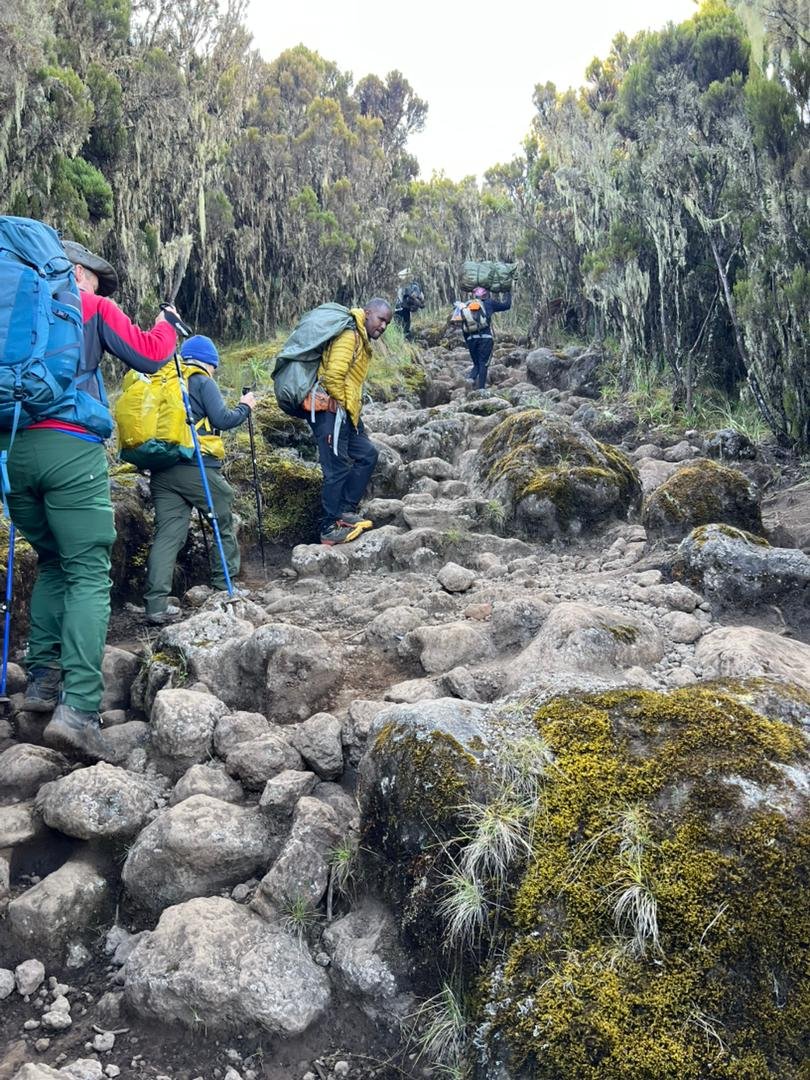
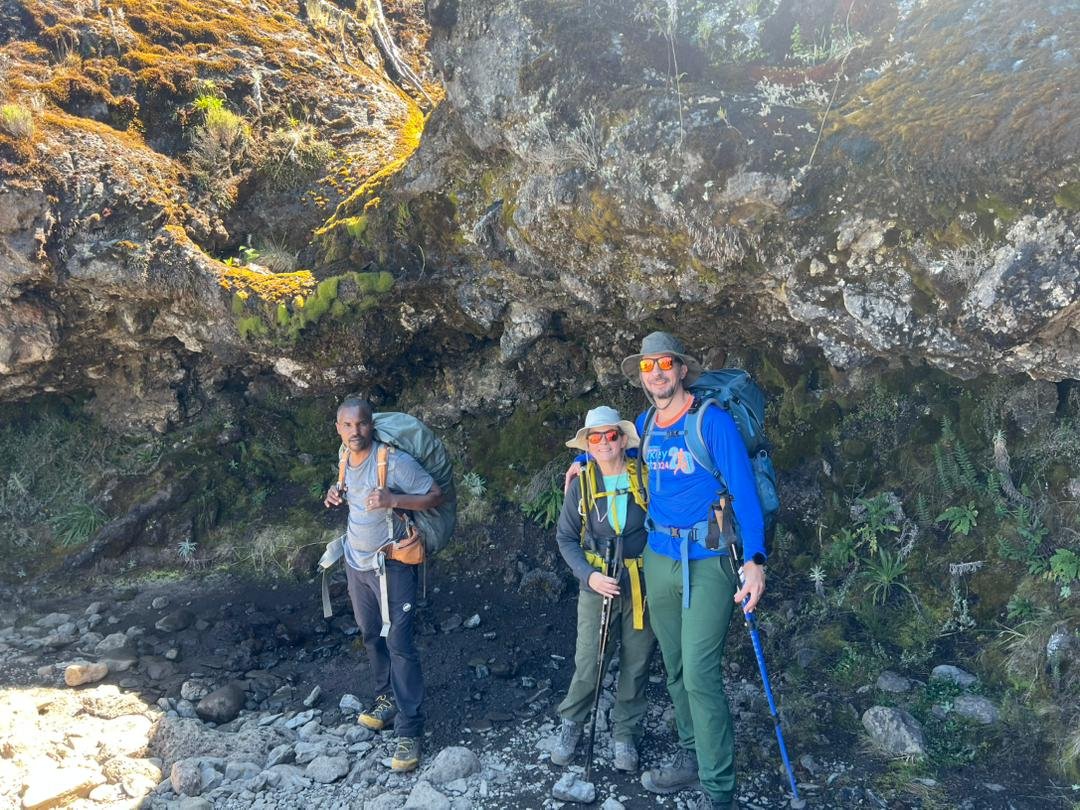
Kilimanjaro trekkers carrying daypacks on a rocky mountain trail
Nights on the Mountain

Sleep Warm Enough to Recover for the Next Day

Camping routes require a warm sleeping system suitable for cold high-altitude nights. Marangu uses huts, but a sufficiently warm sleeping bag is still important. Ask what is supplied, what can be rented locally and what you should bring personally.

  • Cold-rated sleeping bag appropriate for Kilimanjaro conditions
  • Optional sleeping-bag liner for extra warmth and hygiene
  • Small camp towel and basic wash kit
  • Earplugs for camps or huts if you are a light sleeper
Kilimanjaro electronics and travel accessories packing guide
During the Trek

Your Daypack Should Cover the Hours Before Camp

  • Water and electrolyte option
  • Rain jacket and over-trousers
  • Warm layer
  • Sun hat, sunglasses and sunscreen
  • Snacks
  • Headlamp on summit-stage days
  • Personal medication
  • Phone/camera and power bank
Small Items, Big Difference

Protect Skin, Eyes, Hydration and Your Personal Medication

Sun & Eyes

High UV exposure makes sunglasses, sunscreen and lip protection important even when temperatures feel cold.

Hydration

Bring a practical bottle or hydration system that you can operate with cold hands and keep usable on summit night.

Personal Health

Carry prescribed medication in your daypack and discuss high-altitude travel with your clinician if you have relevant medical conditions.

Final Check

Kilimanjaro Packing Checklist Before You Zip the Duffel

Wear

  • Hiking boots
  • Technical trekking trousers
  • Base layers
  • Fleece / warm mid-layer
  • Insulated jacket
  • Waterproof shell
  • Gloves, beanie, buff
  • Hiking socks

Carry

  • Daypack
  • Headlamp + spare power
  • Sunglasses
  • Sunscreen and lip balm
  • Water containers
  • Trekking poles
  • Personal medication
  • Snacks and small essentials
Pack for the Journey

Organise Your Gear Before You Reach the Kilimanjaro Gate

A good packing list is not only about owning the right items. It is also about deciding what travels in your hand luggage, what goes into the mountain duffel and what stays at your hotel while you climb.

Carry-On Essentials

Keep irreplaceable items with you during international travel: passport, medication, essential documents, one warm layer, hiking boots if practical, electronics and anything that would be difficult to replace quickly in Tanzania.

Mountain Duffel

Your porter-carried bag should be organised in waterproof internal bags. Separate sleeping gear, spare clothing and camp items so rain or a leaking bottle does not affect your entire kit.

Hotel Storage

Safari clothing, extra luggage and items you do not need on Kilimanjaro can normally stay off the mountain. Travelling lighter reduces confusion and makes daily camp organisation much easier.

Gear Decisions

Bring Personal-Fit Equipment; Consider Renting Bulky Specialist Items

Some equipment should already be familiar before the expedition. Other bulky items may be practical to rent locally, depending on availability, size and your onward travel plans.

Usually Better to BringMay Be Practical to Rent
Broken-in hiking boots, base layers, socks, underwear and personal medicationSleeping bag, trekking poles or selected outer layers when suitable sizes and quality are confirmed
Headlamp, sunglasses, gloves, hat, daypack and personal hydration systemBulky mountain items that you do not expect to use again after Tanzania
Anything where comfort, sizing or familiarity is criticalEquipment you can inspect and test before departure to the mountain

Do not arrive assuming a specific rental item or size will be available. Confirm rentals in advance and test the fit before the climb starts.

The Coldest Hours

Summit Night Is Where Your Layering System Has to Work as One

The overnight ascent is slow, cold and exposed. Rather than relying on one extremely heavy garment, build a system that lets you add or remove layers as your body temperature changes.

Next to Skin

Dry thermal base layers help manage moisture. Starting the coldest part of the climb in damp clothing can make it much harder to stay comfortable once movement slows.

Insulation

Warm mid-layers and a substantial insulated jacket trap heat. Your exact combination depends on your personal cold tolerance and the conditions forecast for your climb.

Weather Protection

A wind- and waterproof outer shell protects the insulation beneath it. Warm gloves, head protection, suitable socks and face coverage become just as important as the jacket system.

Test the full summit system at home. Make sure the layers fit together without restricting movement and that you can operate zips, headlamp and trekking poles while wearing gloves.

Packing Questions

Kilimanjaro Packing FAQs

Practical answers about boots, daypacks, summit layers, rentals and how to organise gear before you fly.

01How much should I carry in my daypack?+
Your daypack should hold the items you may need before the next camp: water, rain shell, warm layer, snacks, sunscreen, sunglasses, medication, camera and personal essentials. The goal is not to fill the bag; it is to keep the day’s critical equipment accessible without overloading your shoulders.Pack the daypack fully before travel and walk with it. The easiest way to discover uncomfortable straps, poor bottle access or excess weight is during training rather than after leaving the gate.
02Should I buy new boots for Kilimanjaro?+
Use supportive hiking boots that you have already worn on long walks. Brand-new boots can create pressure points or blisters when the trail becomes steep, wet or rocky. Test your boots with the same socks and insoles you plan to use in Tanzania.Footwear should already be broken in over terrain similar to your training hikes. Carry proven socks and a simple blister-care plan rather than relying on brand-new equipment.
03How should I organise my duffel?+
Use internal dry bags or waterproof liners so sleeping clothes, spare layers and electronics stay protected even if the outer duffel becomes damp. Group similar items together and label or colour-code bags so you can find what you need quickly in a cold tent.Keep dry sleep layers separate from daytime clothing. Even when the outer duffel becomes damp, the clothing you use inside the sleeping bag should remain protected.
04What should I wear on summit night?+
Think in layers rather than one oversized garment: dry base layers, insulating mid-layers, a warm insulated jacket, a weatherproof outer shell, warm gloves, head protection, suitable socks and face coverage. Test the entire system together so it does not restrict movement.Rain protection must work as a system: shell, pack or liner protection and dry bags for critical insulation. One waterproof jacket is not enough if the rest of the gear gets soaked.
05Can I rent equipment in Tanzania?+
Some bulky mountain items may be available to rent, but availability, size and quality should be confirmed before the climb. Personal-fit equipment such as broken-in boots, base layers, socks and prescription items is usually better brought from home.Summit layers should fit over one another without restricting movement. Practise operating zips, gloves, headlamp and poles while wearing the complete cold-weather setup.
06Do I need trekking poles?+
Many climbers find trekking poles useful on long descents, uneven volcanic terrain and steep sections because they improve balance and can reduce stress on knees. Practise with them before Tanzania so adjusting length and hand position feels natural.Poles are most useful when they already feel natural. Learn adjustment and hand position during training so they reduce effort rather than creating another task on a tiring descent.
07What belongs in hand luggage on the flight?+
Keep irreplaceable items with you where practical: passport, medication, essential documents, electronics and selected critical mountain items. Delayed checked baggage is much easier to manage when the things you cannot quickly replace have stayed with you.Rent only what you can confirm in advance and inspect before departure. Personal-fit items, medication and anything essential to comfort or health are better controlled by bringing your own.

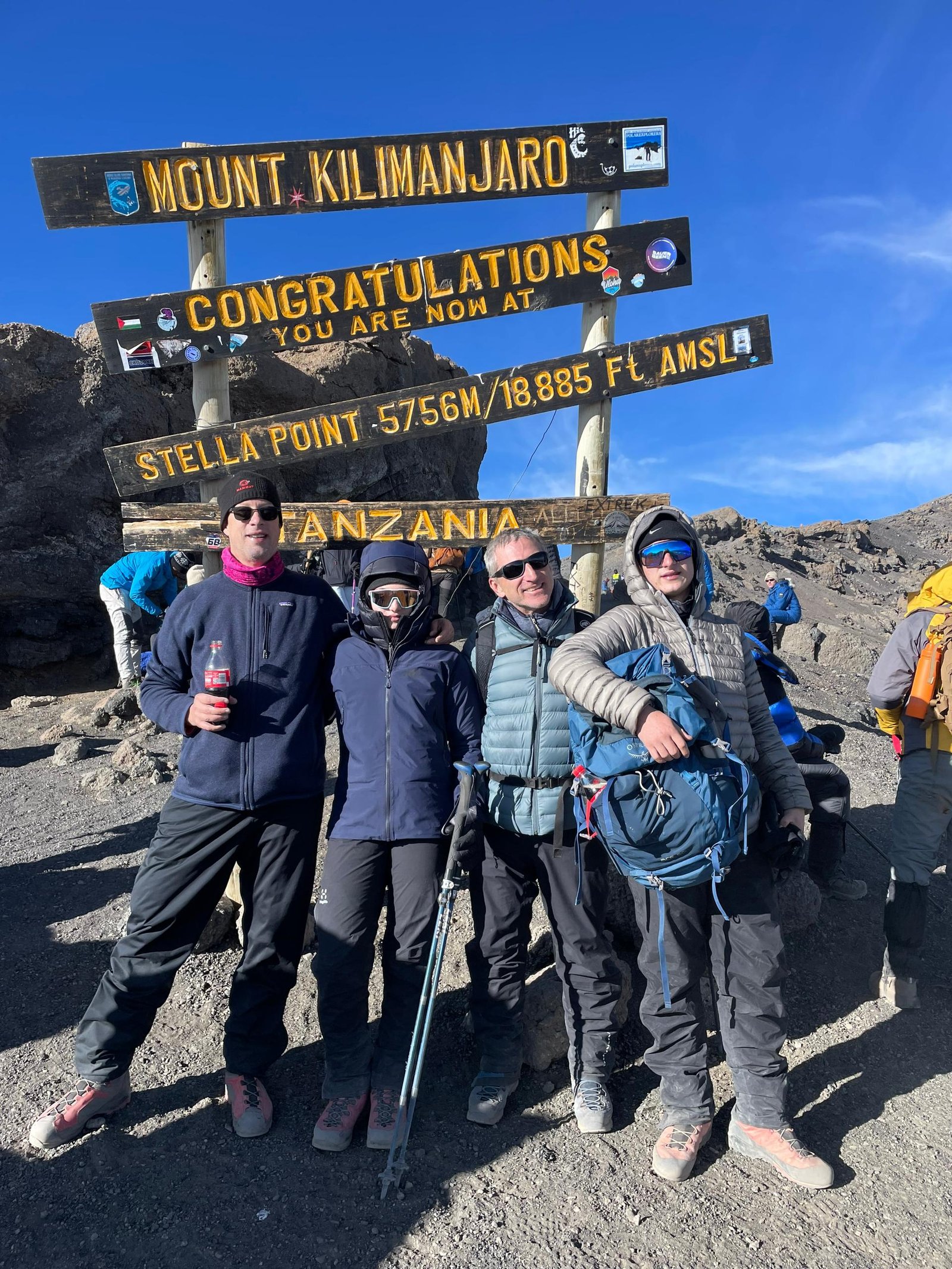
Marangu route Kilimanjaro Stella point climbers group photo
Keep Planning

Explore More Kilimanjaro Gear & Planning Topics

Browse specific questions travellers ask while comparing dates, routes, equipment, safety, mountain support and Tanzania extensions.

Everyday Safaris is a Tanzania-based ground team supporting independent travellers, private groups, clubs and international travel partners with Kilimanjaro planning and local operations.