Answers about training time, back-to-back hiking, strength, tapering and preparing mentally for summit night.
01How many weeks should I train for Kilimanjaro?+
Many climbers benefit from a structured 8–12 week build, but the right starting point depends on your current fitness and hiking background. Someone already hiking regularly may focus on consistency and hills, while a less active climber should allow more time for gradual progression.Use consistency as the measure of progress. Several sustainable weeks of walking and strength work are more useful than occasional exhausting sessions that leave you injured or unable to train.
02Do I need to run to prepare for Kilimanjaro?+
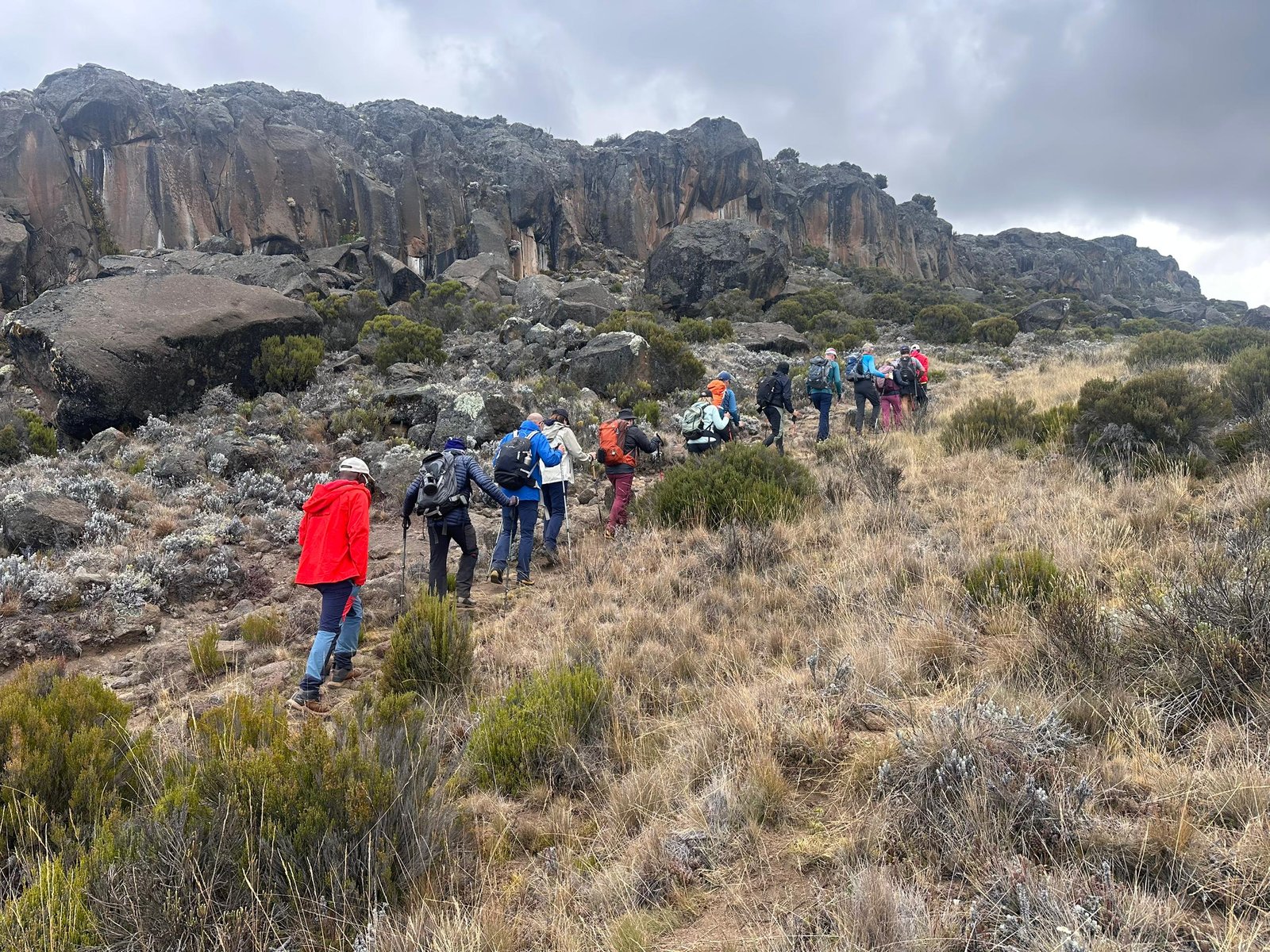
Running can improve aerobic fitness, but it is not compulsory. Hiking, brisk walking, cycling and other endurance work can all contribute. The most specific preparation is spending several hours on your feet, ideally on hills, while using the footwear and daypack you expect to take.Back-to-back hiking days teach recovery, foot care and pacing. Increase them gradually so the training itself does not create the injury that compromises the expedition.
03Why are back-to-back hiking days useful?+
Kilimanjaro is not one hard day followed by full recovery. Back-to-back hikes teach you how your feet, legs and energy respond when you walk again before feeling completely fresh. Start conservatively and build this kind of training gradually.Hill work is valuable because it combines aerobic effort and leg endurance. The aim is not maximum speed; it is learning to move steadily for long periods while carrying your daypack.
04Should I train with a heavy backpack?+
You normally carry a daypack rather than your full expedition luggage. Train with a realistic daypack load so your shoulders and back adapt to the weight of water, layers and daily essentials, but avoid turning every session into an unnecessarily heavy carry.Strength should support trekking rather than replace it. Legs, hips and core help with climbing and descending, but you still need time on your feet to prepare for multiple walking days.
05When should I reduce training before departure?+
The final days should help you arrive rested, not prove your fitness. Reduce overall training load before travel while keeping some easy movement. A last-minute heroic workout creates soreness and fatigue without meaningfully improving mountain fitness.Tapering is part of preparation. Reduce hard training before travel so accumulated fatigue can fall while the fitness you built over previous weeks remains available.
06How important is strength training?+
Strength supports climbing, descending and stability on uneven ground. Legs, hips, calves and core deserve attention, but the programme should complement endurance rather than leave you too sore to hike consistently.Mental preparation includes accepting slow pace, imperfect sleep and moments when motivation drops. Knowing those conditions are normal can make it easier to communicate and keep decisions calm.
07How do I prepare mentally for summit night?+
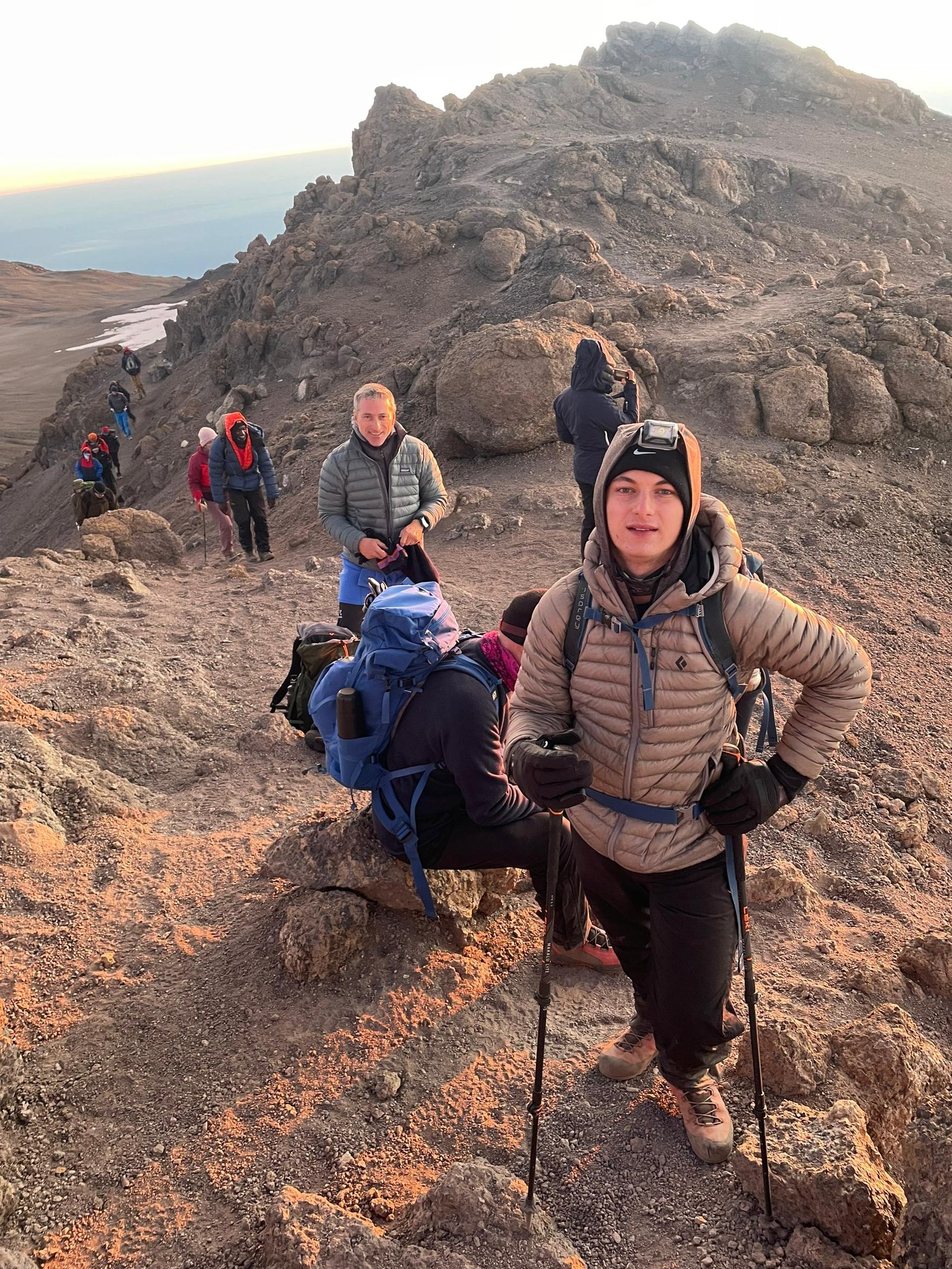
Expect cold, darkness, a slow pace and a long period of sustained effort. Practise patience on training walks, accept that discomfort does not automatically mean failure, and commit to telling your guide early if symptoms or equipment problems change.Test the exact equipment system during training: boots, layers, poles, headlamp and pack. Familiar equipment reduces small problems when the mountain environment becomes cold or tiring.