Everyday Safaris

Plan Your Adventure
Everyday Safaris
Plan Your Adventure
High-Altitude Planning

Kilimanjaro Altitude & Acclimatisation

Uhuru Peak rises to 5,895 metres. Fitness helps you walk, but it does not make you immune to altitude. Route profile, daily elevation gain, pacing, symptom reporting and willingness to descend when necessary are central to a responsible ascent.

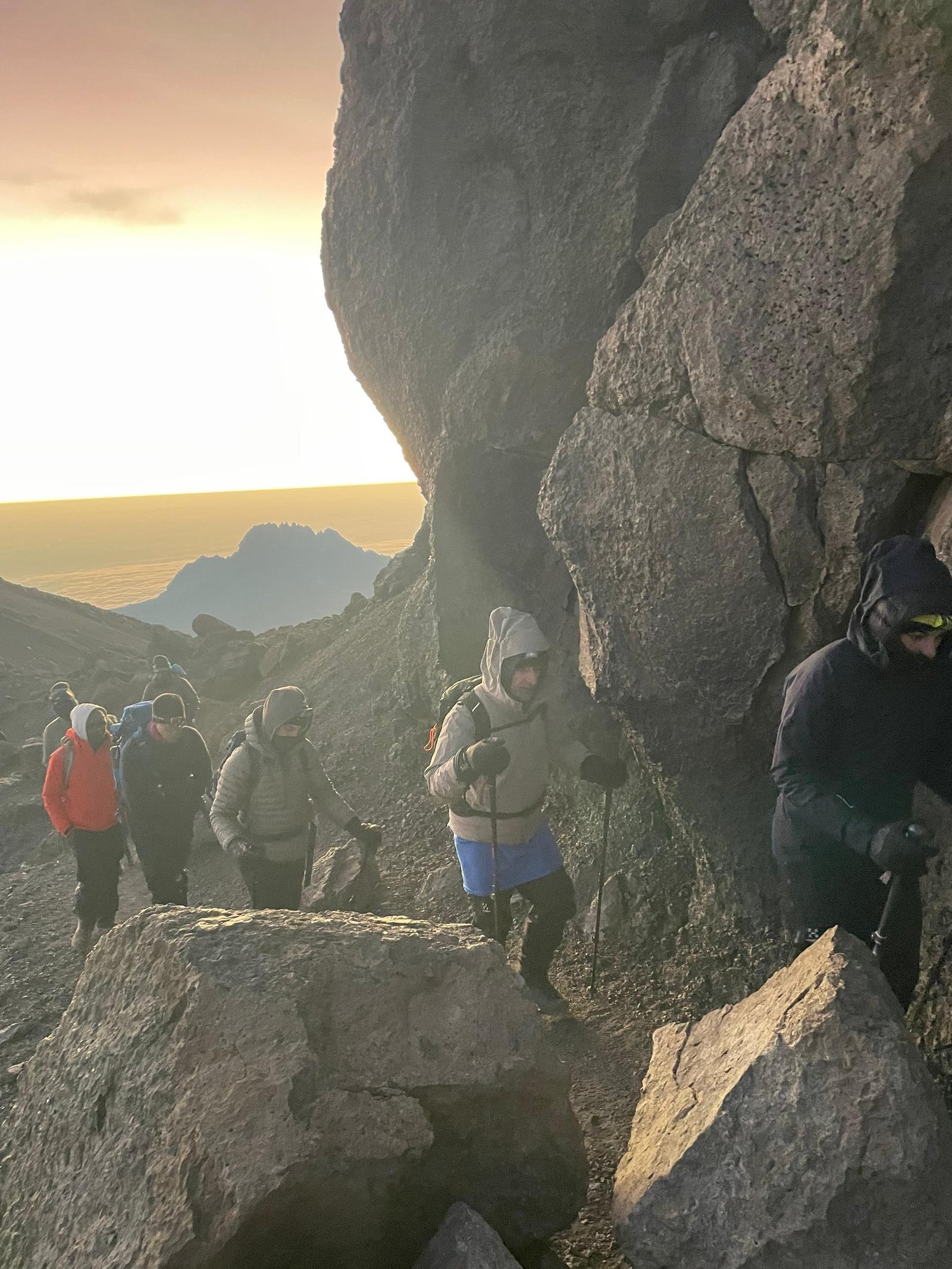
Kilimanjaro climbers moving through a sunrise rock passage
The Mountain Gets Thinner

Your Body Must Work With Less Available Oxygen as You Climb

At high altitude, lower air pressure reduces the amount of oxygen available with each breath. The body needs time to adapt. Kilimanjaro’s summit is far above the altitude at which travellers can develop acute mountain sickness, so acclimatisation is a central part of itinerary design.

1,800 mApprox. lower gates
3,000 mAltitude awareness
3,900 mHigh camps
4,600 mLava Tower / Barafu range
5,895 mUhuru Peak
Kilimanjaro trekking route used for gradual acclimatisation
Time Matters

Acclimatisation Is a Process, Not a Fitness Test

The body begins adapting over the first several days at altitude. A slower ascent gives that process more time. This is one reason longer Kilimanjaro itineraries are generally preferred over very compressed climbs.

  • Walk slowly enough to preserve energy.
  • Do not hide headaches, nausea, dizziness or unusual fatigue.
  • Do not continue ascending when symptoms are worsening.
  • Follow the route schedule and your guide’s health decisions.
Know the Signs

Mild Symptoms Can Become Serious if You Keep Going Up

Common Early Symptoms

Headache, unusual fatigue, dizziness, reduced appetite, nausea or poor sleep can appear after gaining altitude.

Red-Flag Deterioration

Confusion, loss of coordination, severe breathlessness at rest or rapidly worsening symptoms require urgent guide action and descent.

Health information on this page is general trip-planning guidance. Travellers with medical conditions or questions about altitude medication should speak with a clinician familiar with high-altitude travel before departure.
Route Length

More Days Usually Give Your Body More Time to Adjust

No route can guarantee how you will respond to altitude, but itinerary length changes the rate at which sleeping altitude rises. Compare the actual number of days—not just the route name.

Compressed

Shorter schedules reduce time available for acclimatisation and recovery.

Extended

Longer Lemosho and Northern Circuit itineraries provide more gradual exposure and additional nights on the mountain.

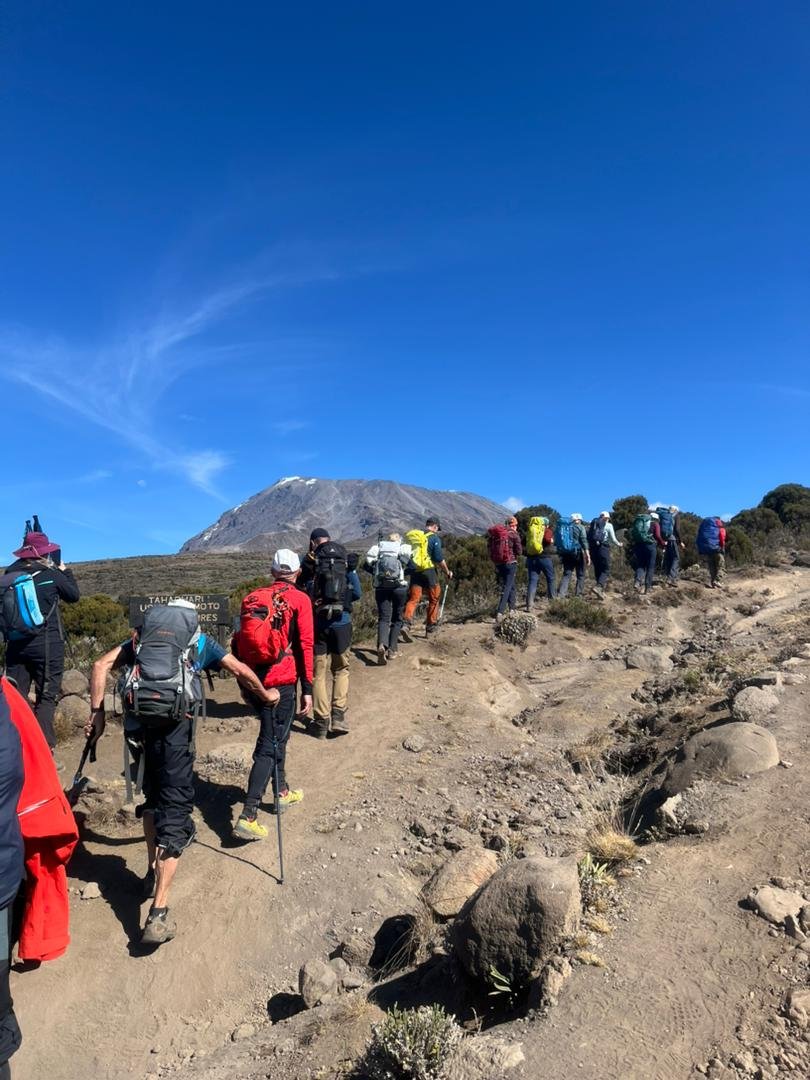
Kilimanjaro climbers crossing high-altitude alpine desert terrain
Daily Habits

Slow Pace, Honest Symptoms and Sensible Recovery

Pole Pole

A deliberately slow pace helps conserve energy and keeps the day controlled as altitude increases.

Hydration & Food

Drink regularly and keep eating even when appetite falls. Dehydration and under-fuelling can make an already hard day feel worse.

Guide Monitoring

Daily conversations and health checks help the guide judge whether symptoms are stable, improving or becoming unsafe.

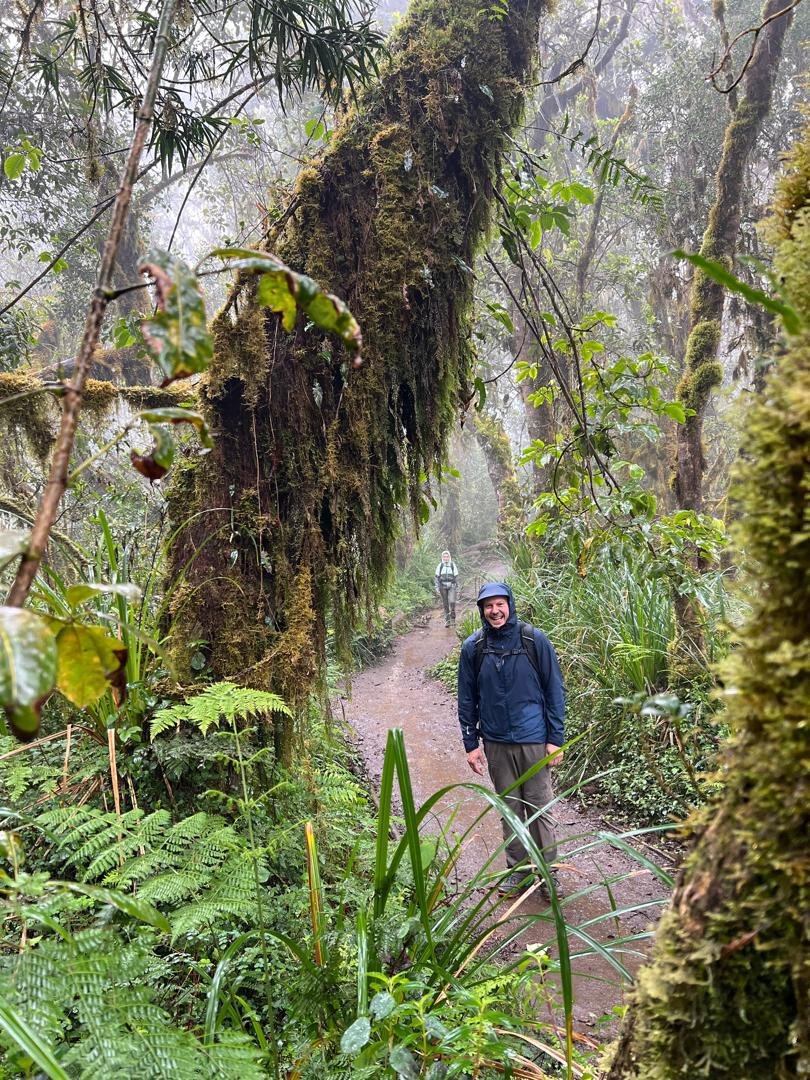
High-altitude Kilimanjaro mountain terrain
Before the Main Climb

Previous Altitude Exposure Can Help, but It Does Not Replace a Sensible Itinerary

Some travellers spend time at moderate altitude or climb Mount Meru before Kilimanjaro. The CDC notes that staged altitude exposure and extra ascent days can support acclimatisation. Your prior experience is useful information, but it does not guarantee how you will respond on a new climb.

Daily Monitoring

Acclimatisation Is Judged by How You Are Responding, Not by Fitness Alone

There is no single number that tells the whole story. Guides pay attention to symptoms, behaviour, walking performance, appetite, hydration and how a climber changes from one day to the next.

Symptoms

Headache, nausea, dizziness, unusual weakness and sleep disturbance can appear at altitude. What matters is the pattern, severity and whether symptoms improve, remain stable or worsen.

Function

A climber who suddenly struggles to walk steadily, communicate normally or keep pace deserves attention even if they are trying to minimise how they feel.

Trend

Altitude decisions are made over time. A mild symptom that improves with rest is different from a problem that intensifies as the group climbs higher.

More Than Total Days

Two Routes With Similar Lengths Can Expose You to Altitude Differently

Acclimatisation depends on the pattern of sleeping elevations, daytime high points, recovery opportunities and how quickly the route gains height. This is why route choice should not be reduced to the number of calendar days alone.

Gradual Gain

Routes that spread elevation gain over more time can give the body additional opportunities to adapt before the highest camps and summit attempt.

Climb High, Sleep Lower

Some itineraries include higher daytime exposure followed by descent to sleep. This pattern can support acclimatisation when it is built sensibly into the route.

Recovery Time

A longer itinerary also gives more room for eating, hydration, sleep and conservative pacing. None of these guarantees a summit, but together they create a more thoughtful altitude strategy.

This is one reason we discuss the route and itinerary length before treating price or speed as the main deciding factor.

Highest Exposure

The Summit Push Is Not the Time to Ignore Worsening Symptoms

The final ascent reaches the highest altitude of the expedition, often after a short night of rest. Climbers are tired, cold and moving slowly, which makes honest communication especially important.

  • Keep drinking and taking in small amounts of food when possible.
  • Report worsening headache, nausea, confusion, severe weakness or difficulty walking normally.
  • Follow the guide’s decision if turning around becomes necessary.
  • Remember that reaching the summit is only half the day; a long descent still follows.
A summit is never more important than a safe descent. Turning around because of altitude is a mountain decision, not a personal failure.
Altitude Questions

Kilimanjaro Altitude FAQs

Clear answers about acclimatisation, symptoms, route duration and when the safest decision is to stop ascending.

01Can a very fit person still get altitude sickness?+
Yes. Fitness helps with the physical work of walking but does not remove altitude risk. A strong athlete can still develop symptoms if the body is not adapting well to lower oxygen availability. That is why pacing, itinerary design and honest symptom reporting matter for everyone.Altitude planning should begin with route duration and daily elevation gain. A longer trip is useful only when the itinerary actually uses that time to create a more gradual profile.
02What are common early altitude symptoms?+
Headache, nausea, reduced appetite, dizziness, unusual fatigue and disturbed sleep can occur at altitude. The pattern matters: symptoms that intensify, affect coordination or are accompanied by confusion or breathing problems require immediate guide attention and may require descent.Fitness helps you walk but does not make you immune to altitude illness. Keep the mountain pace conservative even when your legs feel strong during the lower days.
03Should I keep climbing if I have a headache?+
Tell your guide rather than deciding privately. A headache has to be interpreted alongside other symptoms, the day’s elevation gain and how you are functioning. Continuing to ascend while symptoms are worsening can turn a manageable situation into a serious one.Headache, nausea or unusual fatigue should be reported early so the guide can judge the trend. Do not wait for symptoms to become dramatic before mentioning them.
04Does drinking more water prevent altitude sickness?+
Good hydration supports normal function, but excessive water is not a cure for altitude illness. Drink sensibly, monitor how you feel and follow the mountain team’s guidance. Acclimatisation depends on time and physiological adaptation, not on one hydration trick.Climb-high-sleep-low patterns can support adaptation on some routes, but they are one part of a broader strategy that also includes pacing, recovery and conservative sleeping elevations.
05Why can a longer route help?+
A longer itinerary can spread elevation gain across more days and create more opportunities for rest, lower sleeping elevations after higher daytime exposure and conservative pacing. It does not guarantee a summit, but it can create a more sensible adaptation profile.Previous altitude experience is useful information but not a guarantee. Each trip differs in ascent rate, sleep, illness, weather and the condition in which you arrive.
06Does previous high-altitude experience guarantee I will be fine?+
No. Previous experience is useful information, but altitude responses can differ between trips. Arrive prepared to follow the same slow pace, monitoring and decision-making process even if you have previously trekked high without problems.Medication questions belong in a pre-travel medical discussion. On the mountain, medication never removes the need for honest symptom reporting or guide decisions about further ascent.
07When is descent necessary?+
Descent becomes the priority when symptoms suggest the climber is becoming unsafe or are worsening despite rest and conservative management. The guide’s mountain decision must take priority over the planned itinerary or summit goal.Summit night is the highest and most tiring exposure. Save energy for the descent and accept that turning around is the correct outcome when continuing would be unsafe.

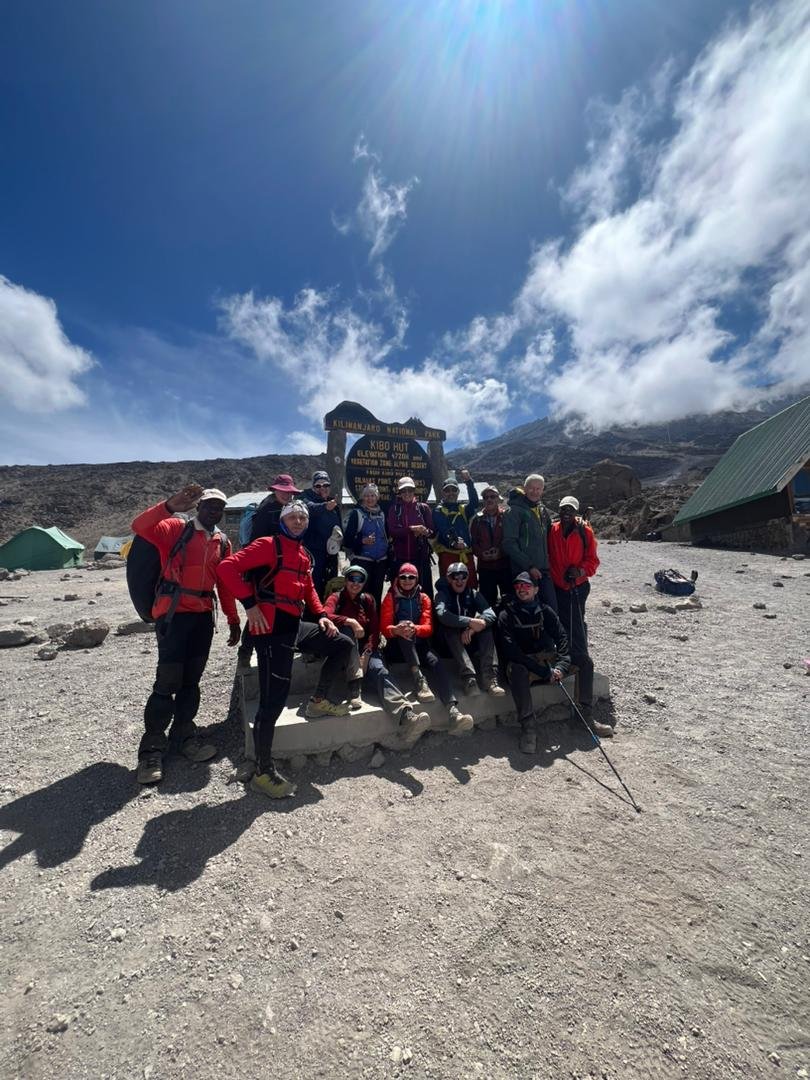
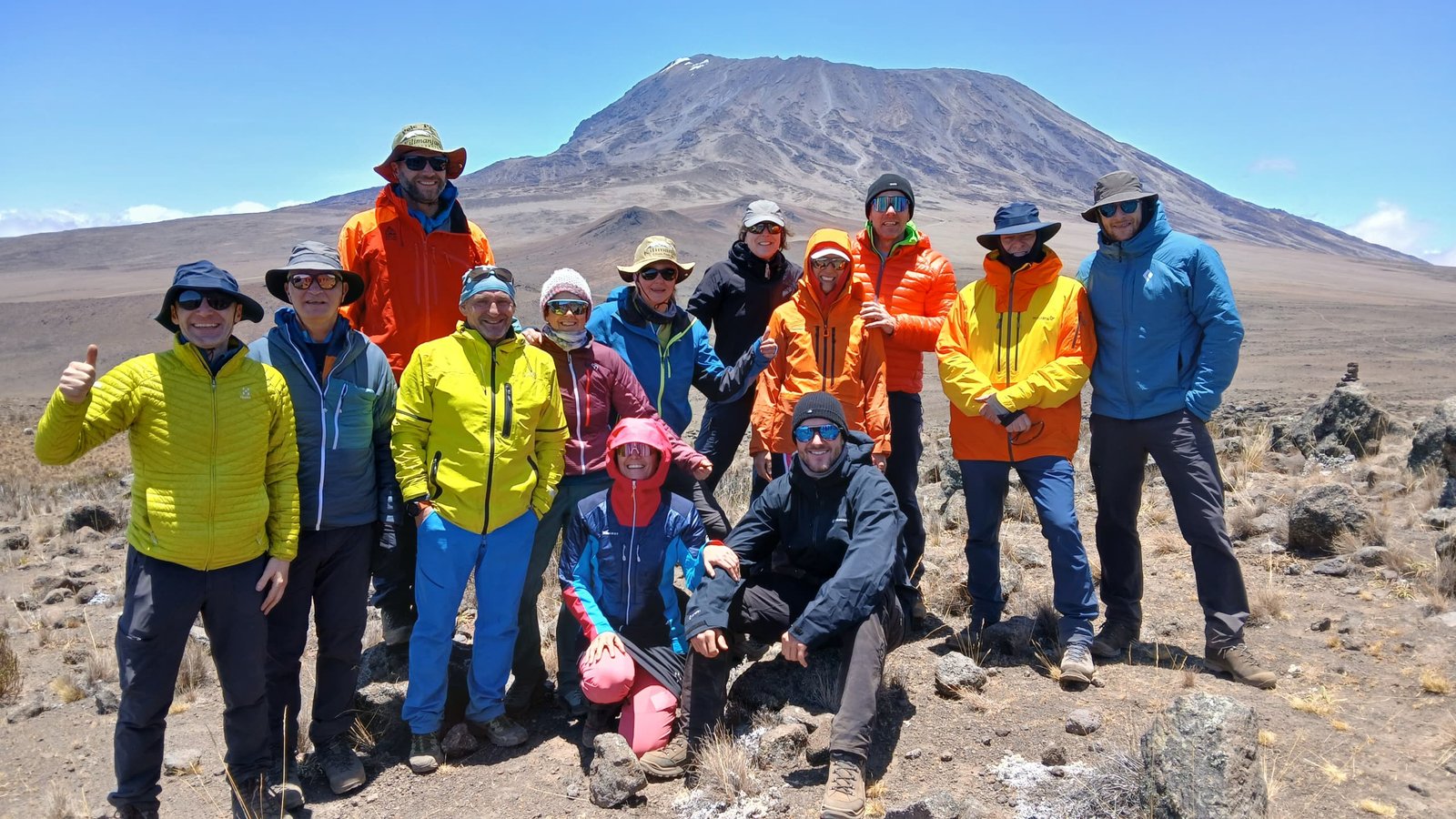
Marangu route Kilimanjaro large trekking group Kibo view
Keep Planning

Explore More Kilimanjaro Altitude & Route Planning

Browse specific questions travellers ask while comparing dates, routes, equipment, safety, mountain support and Tanzania extensions.

Everyday Safaris is a Tanzania-based ground team supporting independent travellers, private groups, clubs and international travel partners with Kilimanjaro planning and local operations.