Everyday Safaris

Plan Your Adventure
Everyday Safaris
Plan Your Adventure
The People Behind Every Climb

Kilimanjaro Guides & Porters

A Kilimanjaro expedition is a team effort. Guides make mountain decisions, cooks sustain the camp rhythm and porters move the equipment that makes a multi-day climb possible. Responsible climbing starts with understanding how that team should be supported.

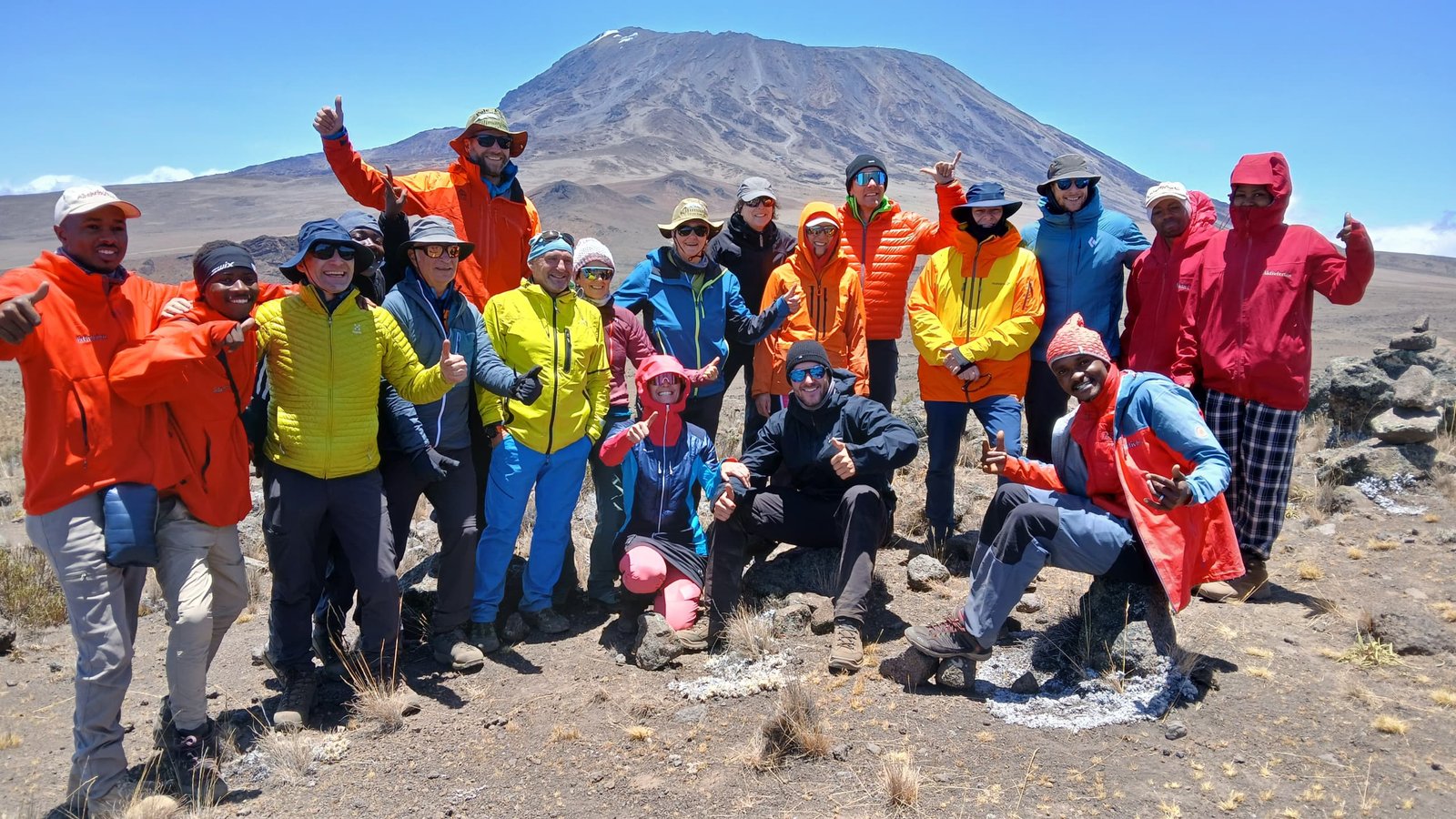
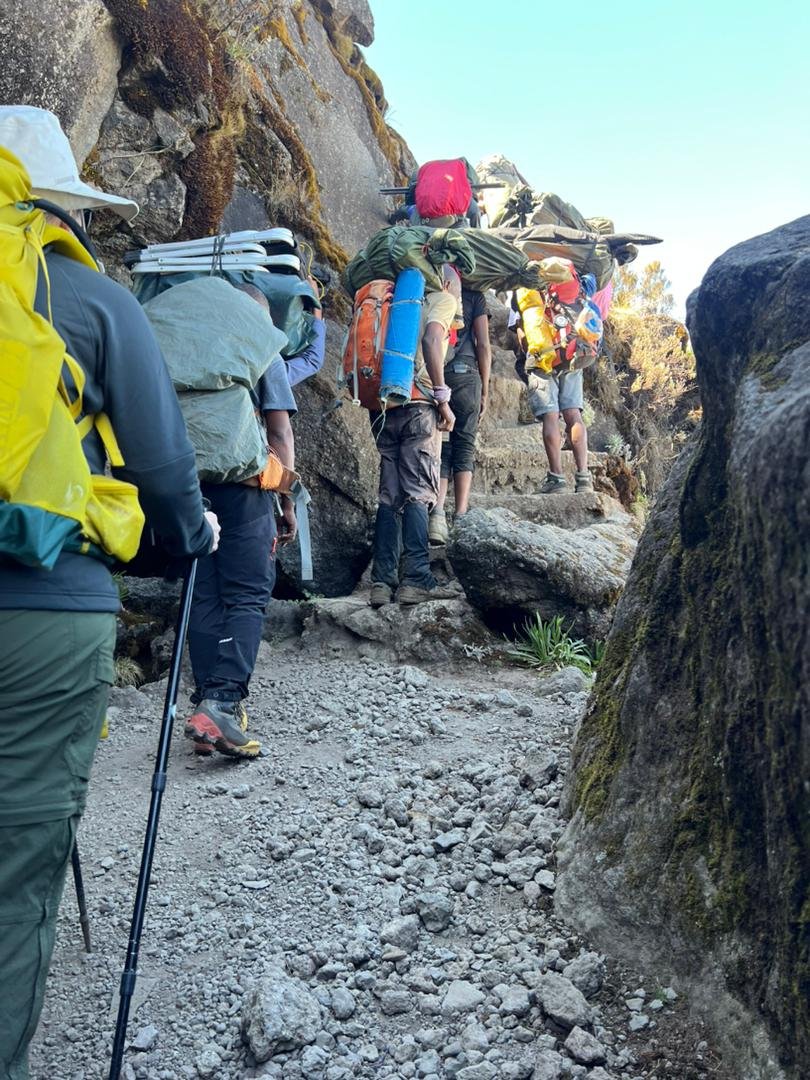
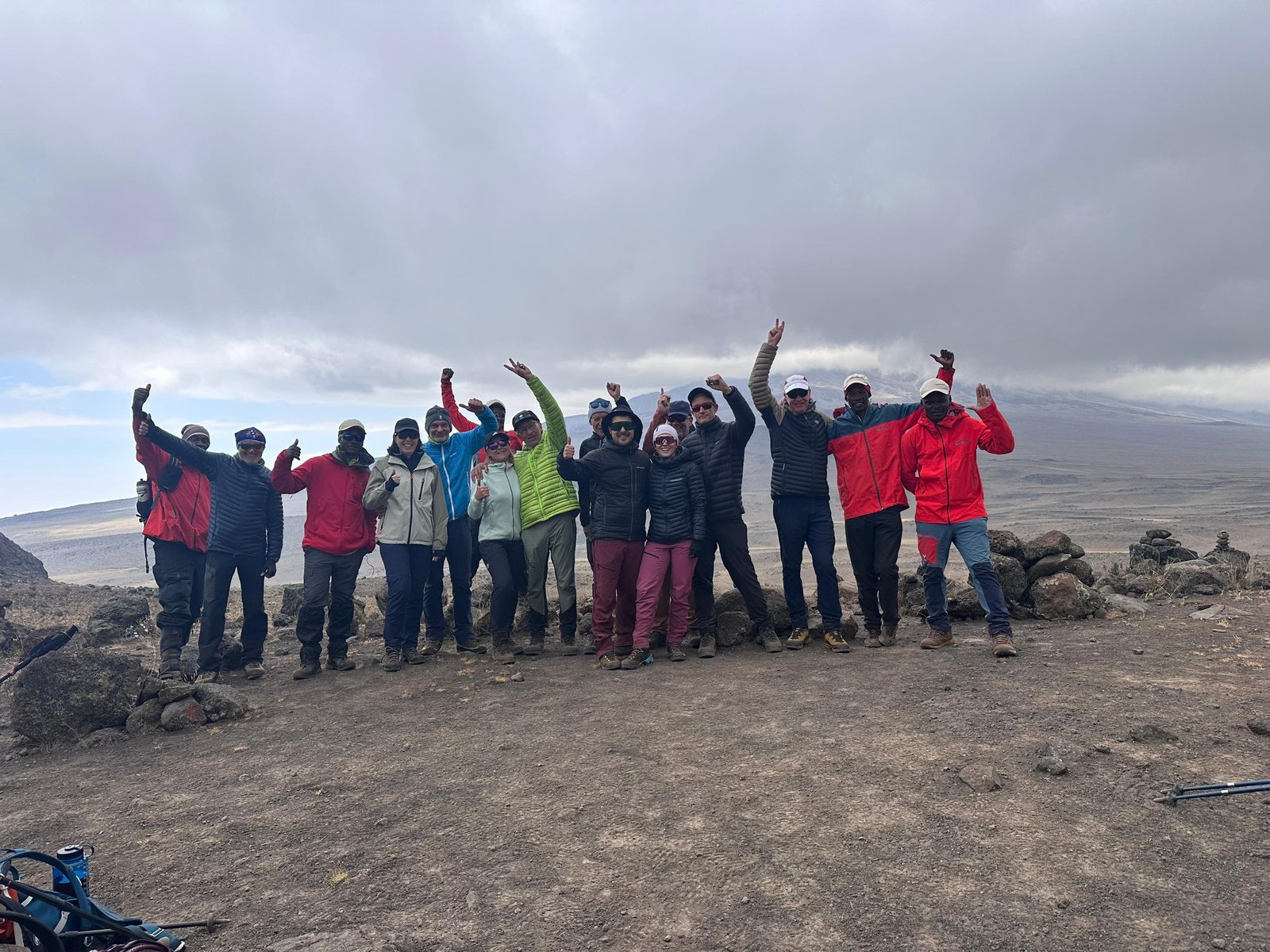
Kilimanjaro climbing team with Kibo mountain behind themGuided hikers moving through a narrow rocky passage on Kilimanjaro
Mountain Crew Roles

A Kilimanjaro Team Is More Than the Lead Guide

Lead Guide

Leads the climb, controls pace, monitors the group and makes safety decisions.

Assistant Guides

Support climbers, help monitor the group and make it possible to separate when someone needs to descend.

Porters

Carry company equipment, food and guest duffels within regulated load limits.

Cooks

Prepare meals and help maintain the camp rhythm that supports recovery and energy.

Local Mountain Knowledge

A Guide’s Most Important Job Is Judgement

Knowing the trail is only part of the role. A strong Kilimanjaro guide manages pace, watches climbers for changes, communicates clearly, coordinates the crew and knows when the original plan must change.

  • Sets a controlled walking pace.
  • Checks how climbers are eating, sleeping and coping with altitude.
  • Explains what is coming next on the route.
  • Coordinates descent when continuing would be unsafe.
Kilimanjaro guide and climbers crossing open alpine desert terrain
Kilimanjaro mountain crew and climbers crossing high-altitude terrain
Porter Support

Porters Carry the Expedition Infrastructure, Not Your Daypack Responsibilities

Porters move tents, food, cooking equipment and guest duffels between camps. Climbers still carry the water, clothing and personal items they need during the day. KPAP porter-welfare standards state that company gear carried by a porter should not exceed 20 kg, excluding the porter’s personal kit.

20 kgcompany load limit under KPAP standard
3 mealsper day welfare standard
Fair payand timely payment
Proper gearfor the mountain
Responsible Trekking

How a Porter Is Treated Matters as Much as How a Guest Is Treated

Responsible mountain operations protect the people carrying the expedition. KPAP promotes standards covering wages, load limits, meals, shelter, equipment, medical support and transparent gratuities.

FAIR PAY

Porters should receive at least the applicable legal minimum and be paid promptly after the climb.

LOAD CONTROL

Loads should be weighed and staffing adjusted so one porter is not carrying an excessive company load.

FOOD & SHELTER

Crew members need adequate meals, proper tents and suitable sleeping space.

MEDICAL SUPPORT

An injured or sick porter should receive appropriate help and descent support rather than being left behind.

Gratuities

Tipping Should Be Clear, Voluntary and Transparent

Tipping is customary on Kilimanjaro and forms an important part of crew income, but guests should understand the system before the climb. A transparent process helps ensure that the amount intended for the crew reaches the crew.

Before the Climb

Ask for the current tipping guidance, expected crew structure and how gratuities are collected.

At the End

Use the operator’s transparent distribution process rather than relying on assumptions about who receives what.

Beyond Cash

Quality gear can sometimes be appreciated, but it should never replace fair salary and transparent gratuities.

Behind the Trek

While You Walk, the Crew Is Moving the Mountain Camp Ahead of You

Kilimanjaro climbing group and mountain support team

Morning

Breakfast, water, personal preparation and camp breakdown happen before the group moves.

On the Trail

Porters pass the trekking group carrying expedition loads so the next camp can be prepared ahead.

Evening

Camp, meals, health conversations and preparation for the next stage bring the whole team back together.

Human Side of the Climb

A Strong Crew Does More Than Carry Equipment and Point Out the Trail

The quality of communication between climbers and crew shapes the expedition. Guides watch how you move and feel, cooks support the daily camp rhythm, and porters make it possible for the group to travel through the mountain environment with essential equipment.

Guide & Climber

Your guide needs honest information. Sharing symptoms, appetite changes, equipment problems and concerns early helps the team make better decisions.

Camp Rhythm

While climbers walk, the support team is also moving, carrying, setting camp, preparing food and organising the next stage. A smooth camp can hide how much work happens behind the scenes.

Shared Respect

Names, conversation, patience and respectful behaviour matter. The crew should never be treated as invisible labour simply because their work is part of the package.

Choose the Operator Carefully

Porter Welfare Should Be Visible in the Operation, Not Just a Website Sentence

Before booking, travellers and international partners can ask practical questions about the people who make the climb possible. Clear answers are more useful than broad claims about being “responsible.”

  • How are porter loads controlled and checked?
  • What shelter and sleeping arrangements are provided for crew?
  • How are meals and drinking water managed for the team?
  • What happens if a porter becomes sick or injured?
  • How are wages and tips distributed and communicated?
For agents, clubs and organised groups, these questions also help evaluate whether the Tanzania ground operator can represent your own standards when your clients are on the mountain.
End of the Expedition

Tipping Works Best When the Process Is Explained Before the Mountain

Climbers should not discover the expected tipping process only after summit day. A clear briefing helps the group understand that gratuities are separate from wages, how the crew is structured and how the final distribution is handled.

Before the Climb

Ask for the recommended approach and understand how many guides, cooks and porters are likely to support your group.

During the Climb

Focus on the expedition rather than negotiating tips in camp. Any welfare or service concern should be raised with the appropriate leader while it can still be addressed.

At the End

Use the operator’s communicated process so distribution is transparent and the group understands what has been collected and how it is being shared.

Crew Questions

Kilimanjaro Guides & Porters FAQs

Understand guide leadership, porter roles, welfare, tipping and what organised groups should ask of a Tanzania ground team.

01What does the lead guide actually do?+
The lead guide manages far more than navigation. They coordinate pace, monitor climbers, interpret symptoms, organise the crew, make weather and route decisions, brief the group and decide when the itinerary needs to change for safety.Guide quality becomes most visible when conditions or health change. Ask how the lead guide communicates decisions, separates a struggling climber and coordinates assistant guides during a descent.
02Why are porters necessary on Kilimanjaro?+
Multi-day expeditions need tents, food, cooking equipment, guest duffels and camp infrastructure moved between camps. Porters make that logistics system possible while climbers carry the items they need during the walking day.Porter support makes the expedition possible, but load limits and welfare systems matter. Responsible operations should be able to explain how loads are checked rather than simply saying porters are “well treated.”
03How many crew members will my climb have?+
Crew size depends on the route, group size, itinerary and camping requirements. Rather than comparing one fixed number, ask the operator to explain the planned guides, cooks and porters for your particular departure.Crew size depends on route, group size and service level. Focus on whether staffing is sufficient and loads are controlled rather than assuming that a small-looking crew is automatically more ethical.
04What should I ask about porter welfare?+
Ask how loads are controlled, how crew shelter and meals are handled, what happens if a porter becomes sick or injured, and how wages and tips are communicated. Practical answers are more meaningful than a vague claim of being “responsible.”Welfare includes pay, food, shelter, equipment and medical support. These standards should apply to ordinary departures, not only when a client or agent is visibly inspecting the operation.
05Should tips replace proper wages?+
No. Gratuities should be separate from the operator’s responsibility to pay and support the crew appropriately. The tipping process should be explained before the expedition so climbers understand how it is handled without turning the end of the climb into an uncomfortable negotiation.Tipping is clearest when guests understand the process before the climb. Transparent distribution reduces pressure and helps keep gratuities separate from the operator’s wage responsibilities.
06Do guides carry my daypack?+
You should plan to carry your own daily essentials unless a specific assistance arrangement has been agreed. The porter-carried duffel normally moves separately, so water, rain gear, warm layers, snacks and medication need to stay with you during the walking day.Camp logistics explain why porters may pass the trekking group during the day. They must reach the next site with enough time to move equipment and prepare shelter and meals.
07How can international agents evaluate a ground team?+
Ask about crew structure, safety decision-making, porter welfare, communication, emergency processes, equipment standards and how the operator handles organised groups. A Tanzania ground team represents the agent’s own standards once clients are on the mountain.For clubs and travel partners, crew systems are part of product quality. The local ground team represents your organisation while clients are on the mountain, so operational questions deserve detailed answers before the group arrives.

Lemosho Machame Kilimanjaro high altitude group celebration
Keep Planning

Explore More Kilimanjaro Crew & Climbing Questions

Browse specific questions travellers ask while comparing dates, routes, equipment, safety, mountain support and Tanzania extensions.

Everyday Safaris is a Tanzania-based ground team supporting independent travellers, private groups, clubs and international travel partners with Kilimanjaro planning and local operations.