TOP TANZANIA DESTINATION
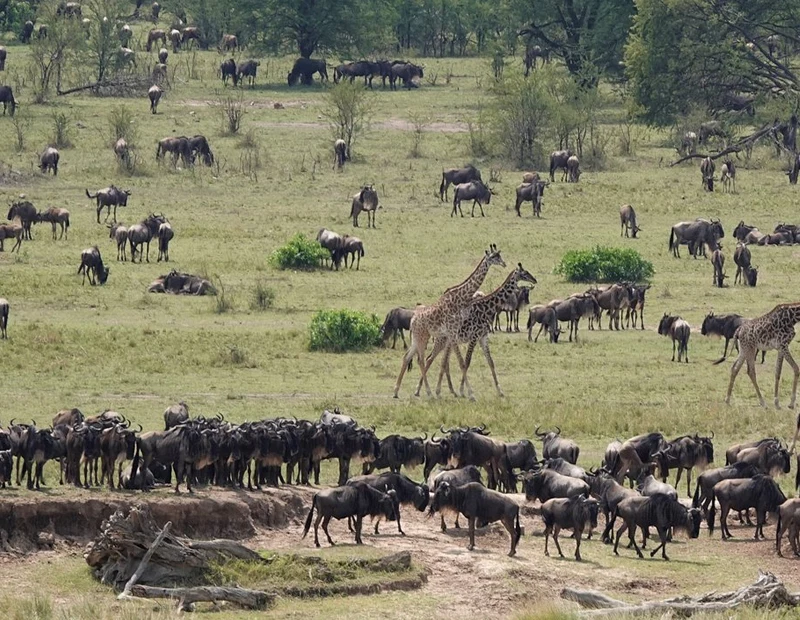
Serengeti National Park
Big landscapes, year-round predators and seasonal Great Migration movement across one of Africa’s most famous wildlife ecosystems.
Explore Serengeti National Park →
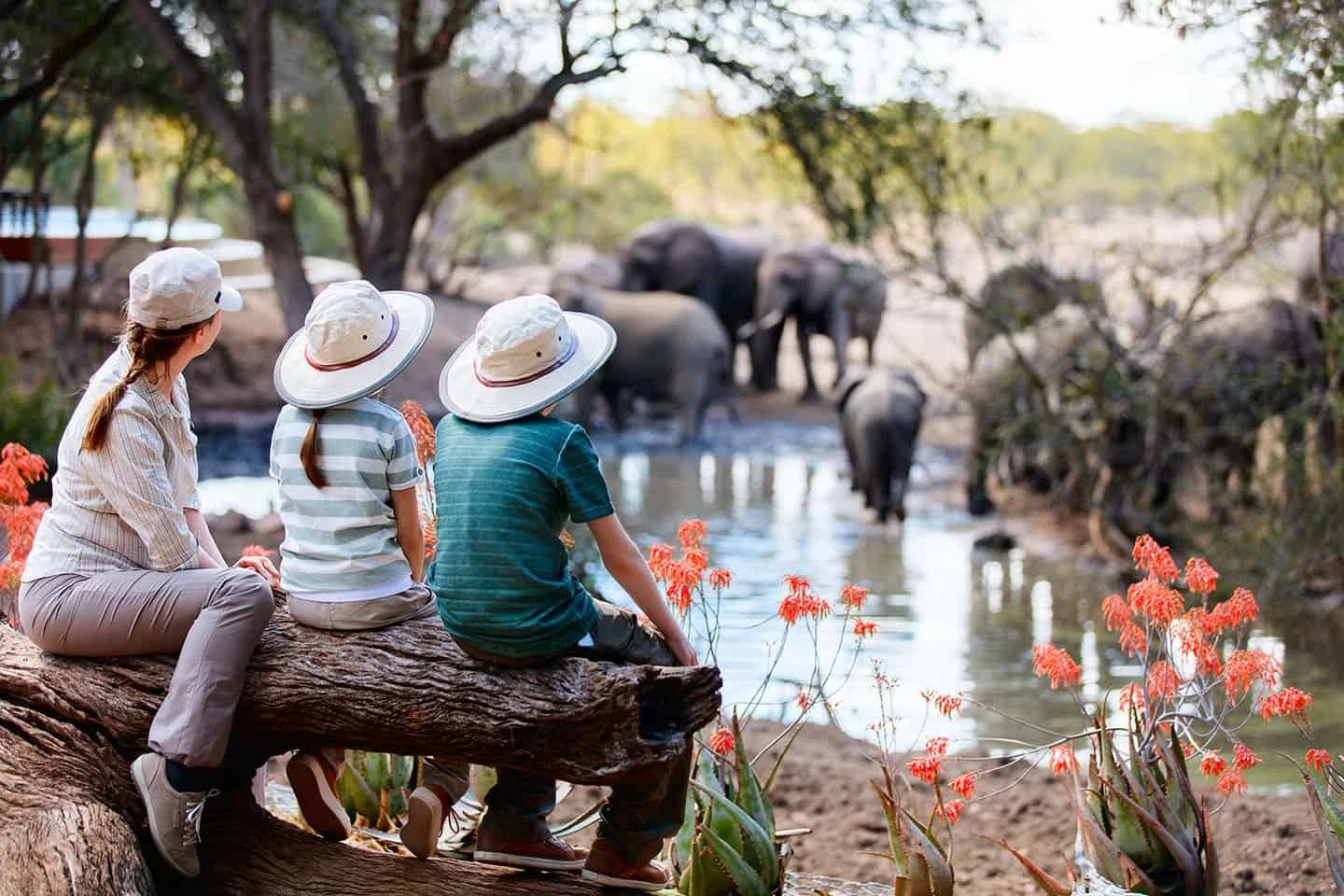
Build a family safari around realistic drive times, private game viewing, practical room arrangements and enough breathing space for both children and adults to enjoy Tanzania.
Family itineraries should prioritise high-reward parks and minimise unnecessary transfers. Tarangire is excellent for elephants, Ngorongoro delivers concentrated viewing, and Serengeti can be exceptional when enough days are available to make the journey comfortable.
Big landscapes, year-round predators and seasonal Great Migration movement across one of Africa’s most famous wildlife ecosystems.
Explore Serengeti National Park →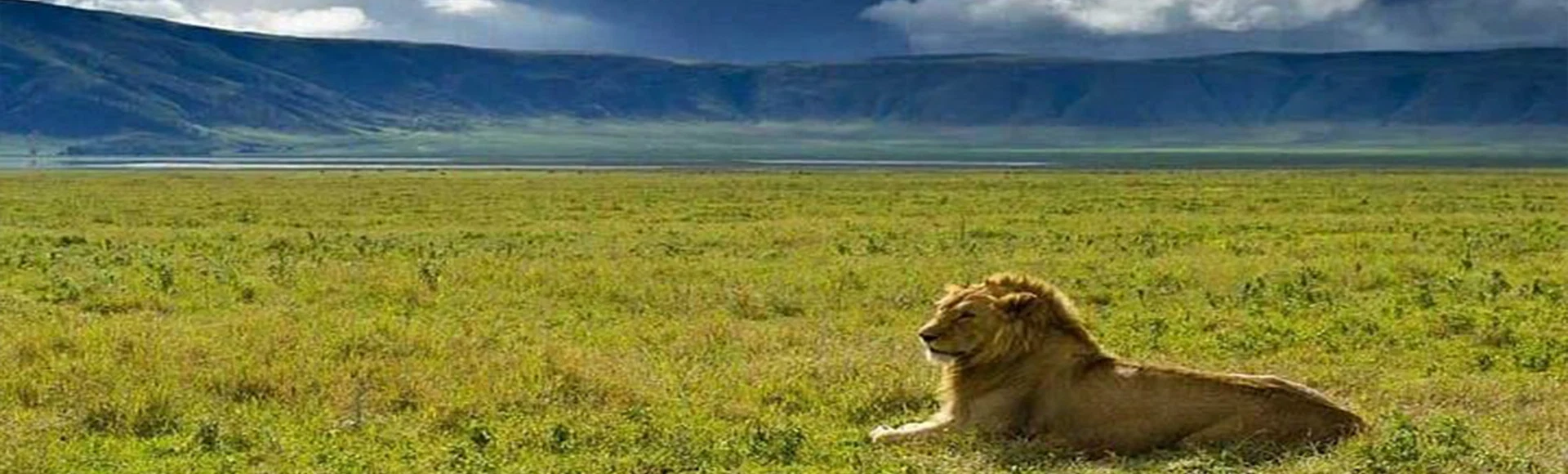
A dramatic volcanic caldera with concentrated game viewing and one of northern Tanzania’s most distinctive safari landscapes.
Explore Ngorongoro Crater →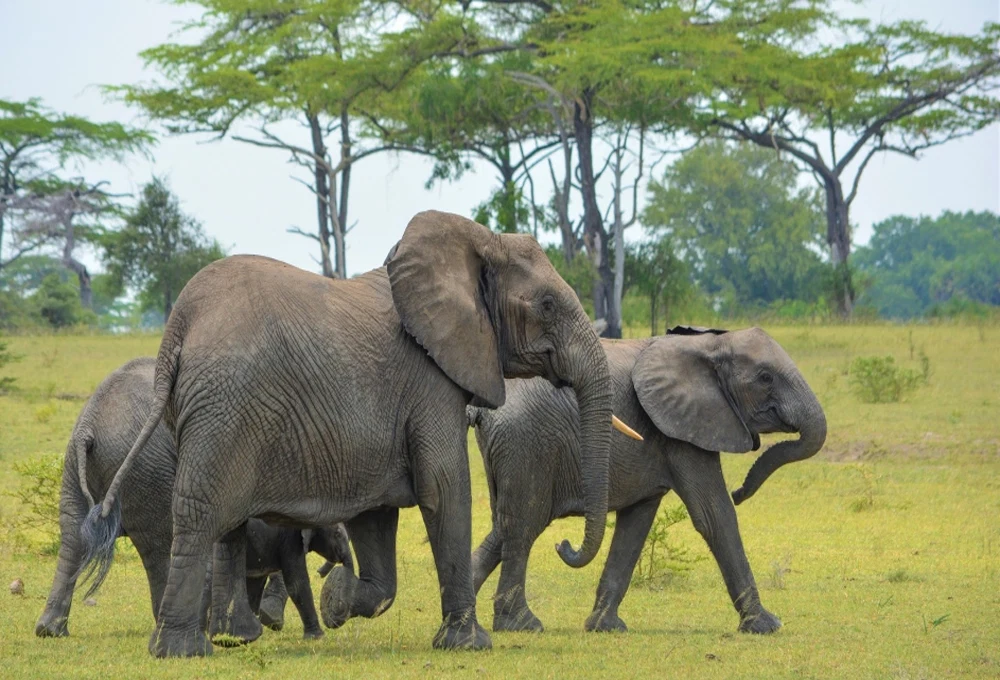
Elephant country, giant baobabs and a quieter safari atmosphere that becomes especially rewarding in the dry season.
Explore Tarangire National Park →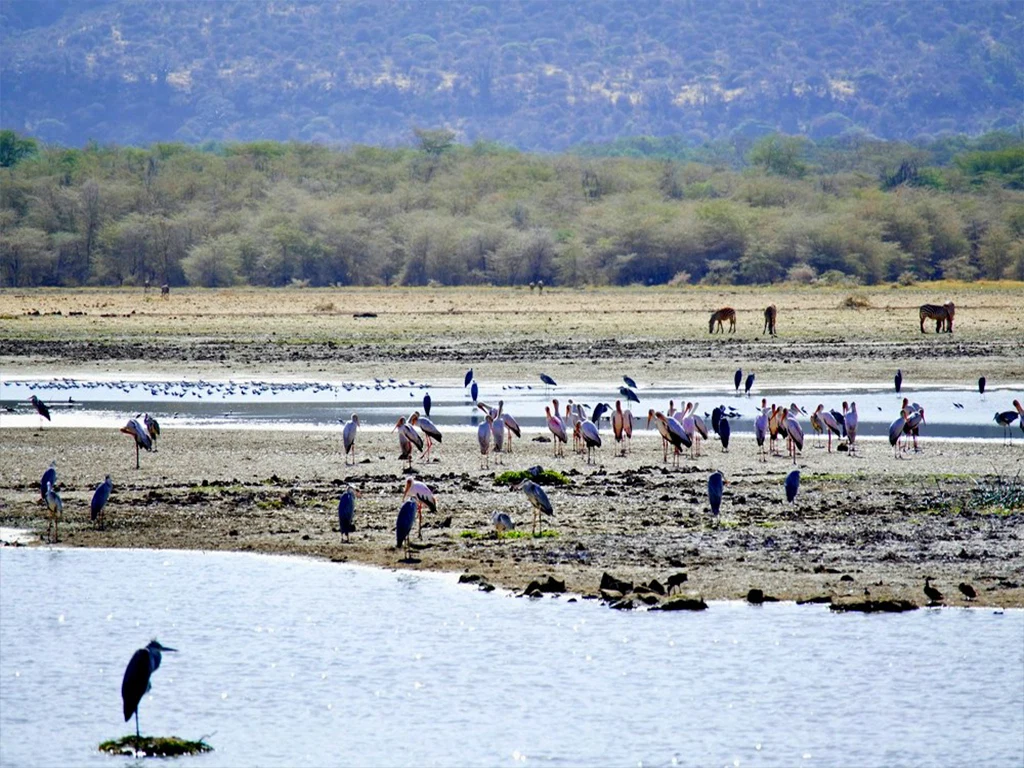
Rift Valley scenery, groundwater forest, birdlife and a compact park that adds contrast to a northern circuit journey.
Explore Lake Manyara National Park →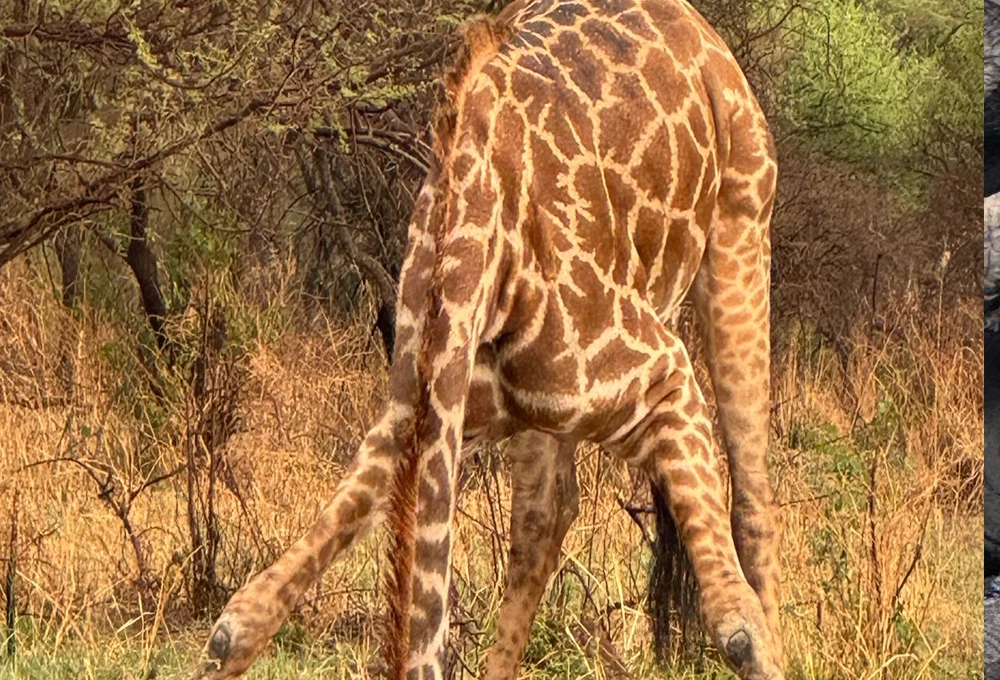
A close-to-Arusha option for wildlife, forest scenery, Mount Meru views and softer arrival or departure-day experiences.
Explore Arusha National Park →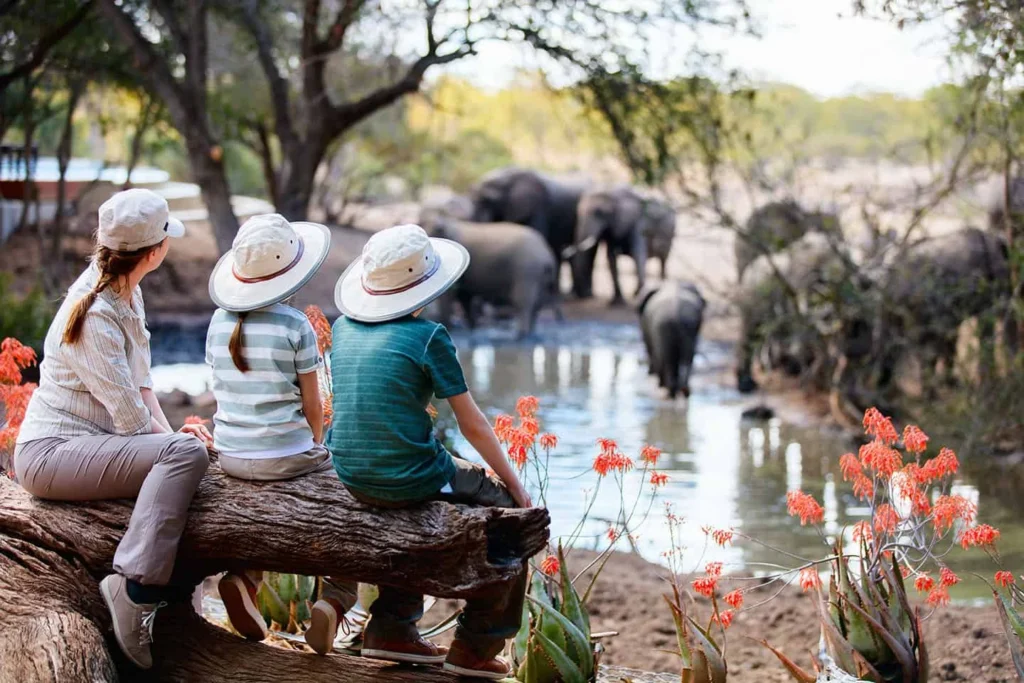 3 Days
3-day Tanzania safari covering Tarangire National Park, Ngorongoro Crater with professional local guiding, flexible wildlife viewing and a tailored quotation.
View Trip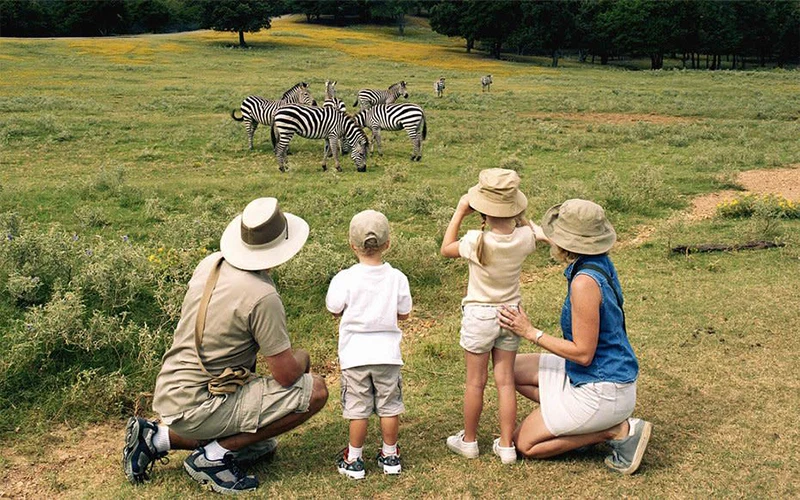 4 Days
4-day Tanzania safari covering Tarangire National Park, Serengeti National Park, Ngorongoro Crater with professional local guiding, flexible wildlife viewing and a tailored quotation.
View Trip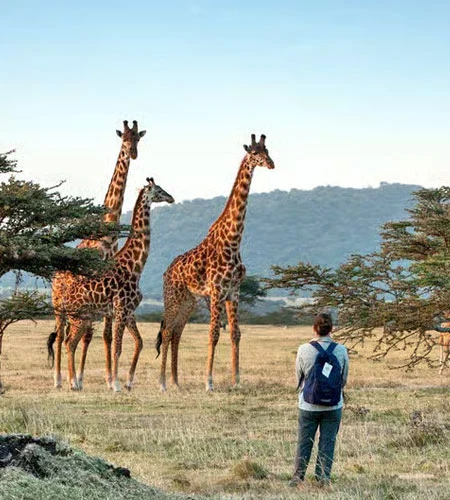 5 Days
5-day Tanzania safari covering Tarangire National Park, Lake Manyara National Park, Ngorongoro Crater, Serengeti National Park with professional local guiding, flexible wildlife viewing and…
View Trip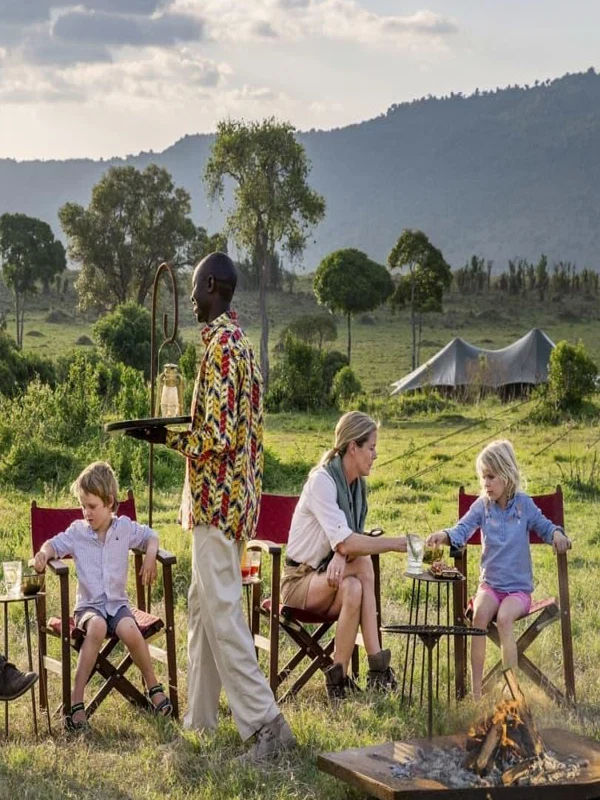 7 Days
7-day Tanzania safari covering Arusha National Park, Tarangire National Park, Lake Manyara National Park, Serengeti National Park, Ngorongoro Crater with professional local guiding, flexible…
View Trip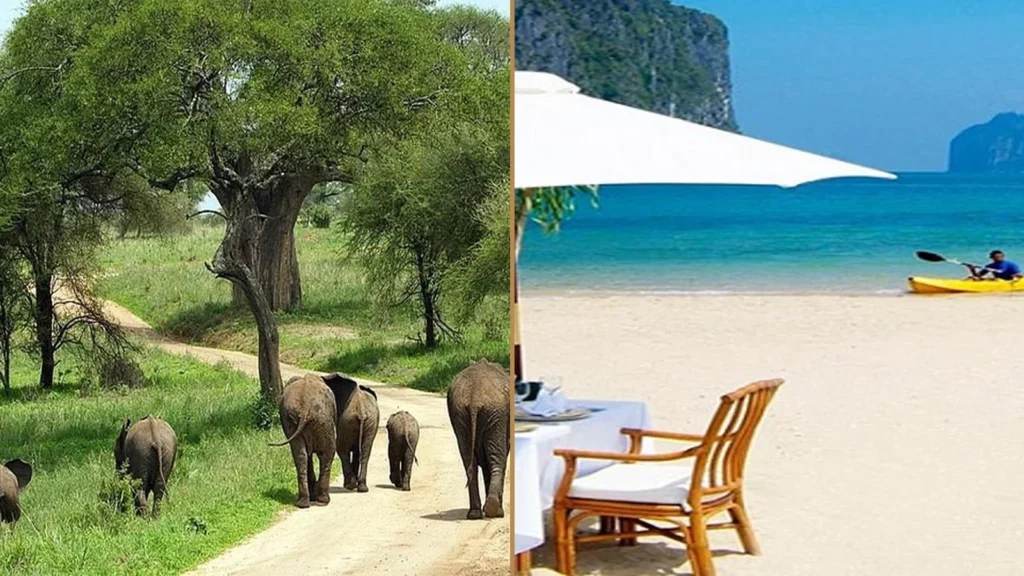 7 Days
7-day Tanzania Safari + Zanzibar journey with wildlife viewing, island beach time and a tailored Everyday Safaris quotation.
View TripParents often arrive with the understandable urge to see everything. In practice, children usually remember the elephant beside the vehicle, the giraffe crossing the road and the evenings at a memorable lodge more than the number of park gates visited.
We favour high-quality wildlife time, private vehicles and enough breathing room to keep the safari enjoyable. Older children may handle longer Serengeti drives easily; younger families often benefit from a more compact circuit.
The right route changes depending on whether children are young, teenagers or part of a multi-generation group.
Bathroom, snack and rest breaks are much easier when the vehicle belongs to your family.
A good guide can explain tracks, behaviour and ecosystems in a way that keeps younger travellers interested.
Not every hour needs to be a game drive. Lodge downtime can be part of the experience.
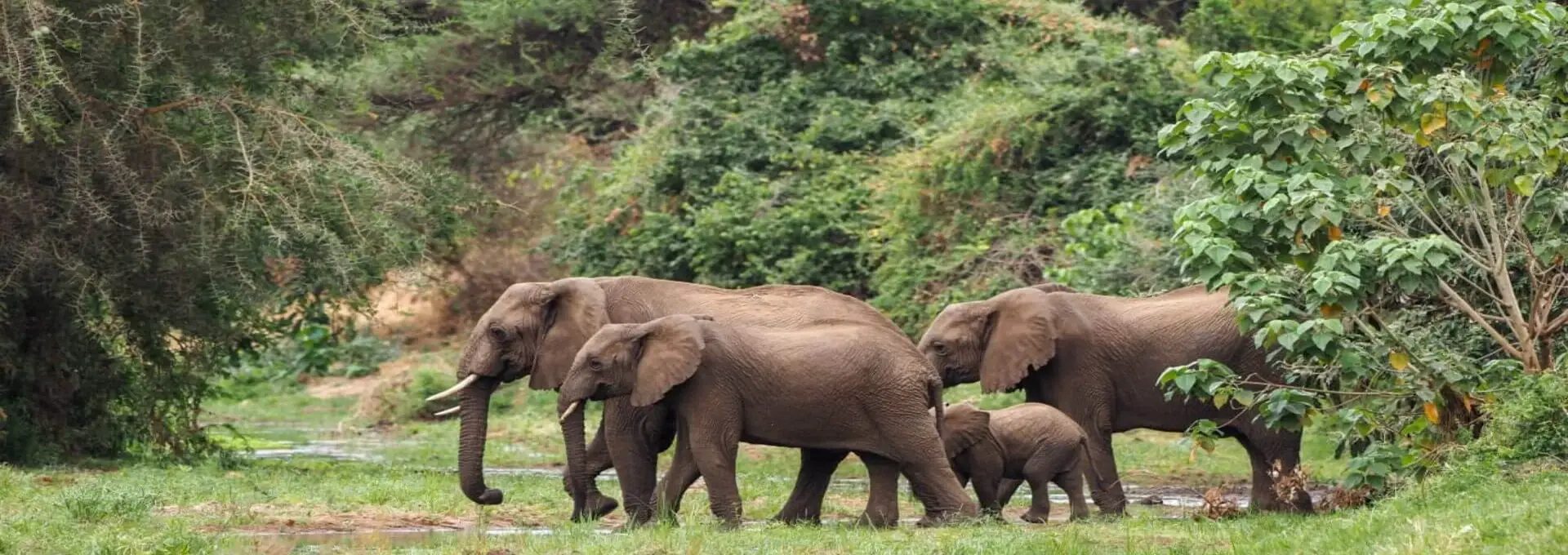
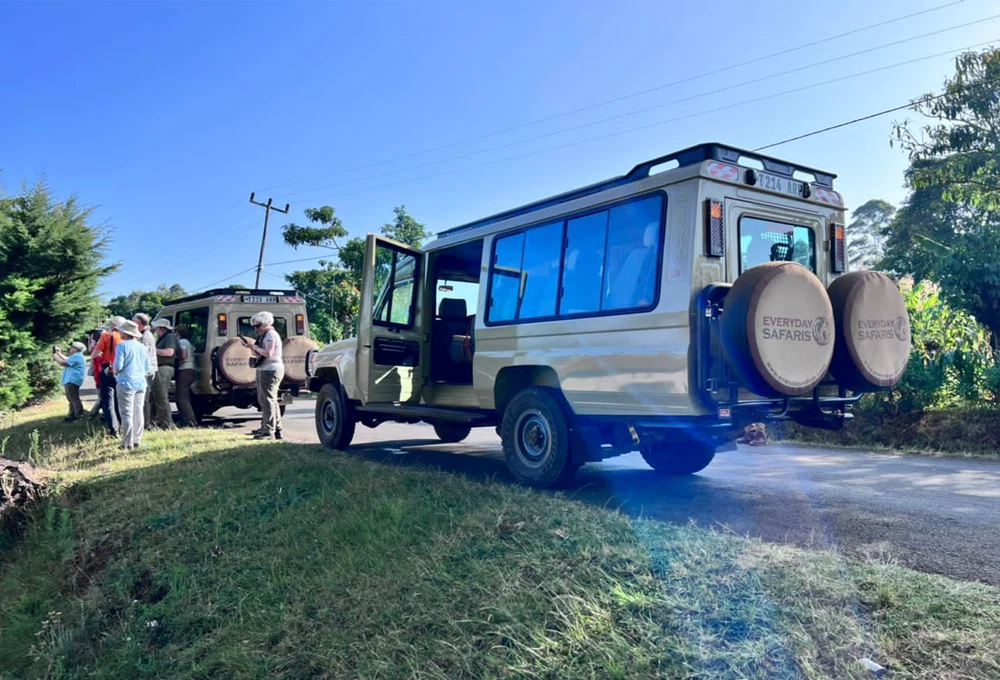
A private safari vehicle gives parents far more control. If children are tired, the guide can shorten the afternoon. If everyone is captivated by elephants, there is no need to rush away because another party wants to move.
The guide also matters enormously. Patient interpretation, clear safety instructions and the ability to read the group can turn a long wildlife day into an engaging experience rather than a test of endurance.
Stop timing can reflect the family rather than a shared group timetable.
Private use gives better control over where children and adults sit for viewing.
Children often engage more when the guide learns their interests and questions.
Parents should follow guide instructions around wildlife, vehicle movement and lodge grounds.
A family-friendly lodge should work practically: suitable room arrangements, sensible meal options, safe access, clear age rules and enough downtime space. A swimming pool can be useful, but location and room layout often matter more.
We check accommodation against the family structure before confirming. A property that is romantic for couples may be awkward for parents with young children; a family tent may be ideal for one age group and unsuitable for another.
Confirm family tents, connecting rooms or adjacent rooms before booking.
Tell us about children’s food needs or dietary restrictions early.
A relaxed lodge can make afternoons and arrival days much easier.
Shorter access to game-drive areas reduces unnecessary time in the vehicle.
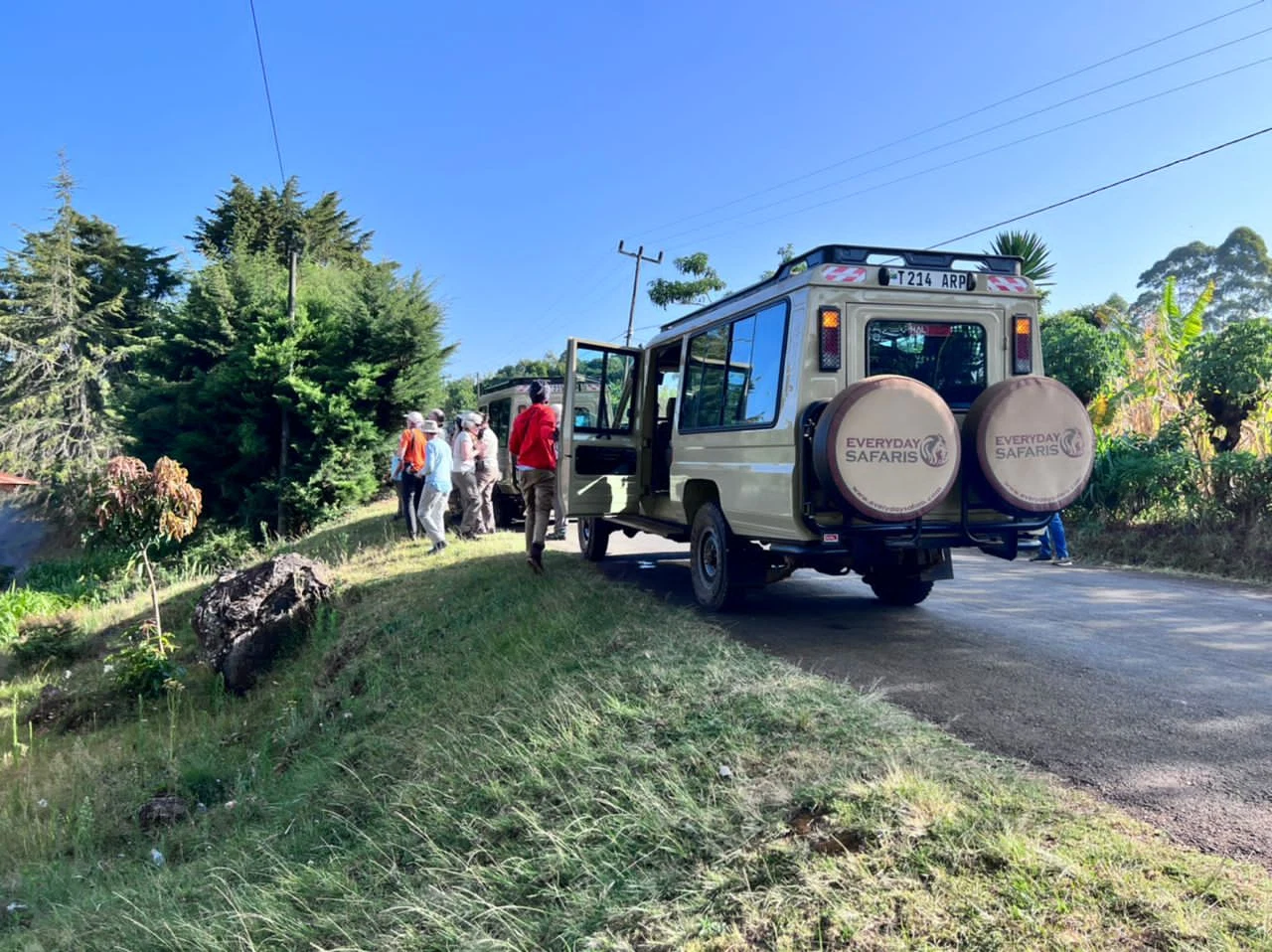
We plan family safaris around the people travelling, not just the parks. Ages, room needs, energy levels and the amount of driving your group is comfortable with all matter.
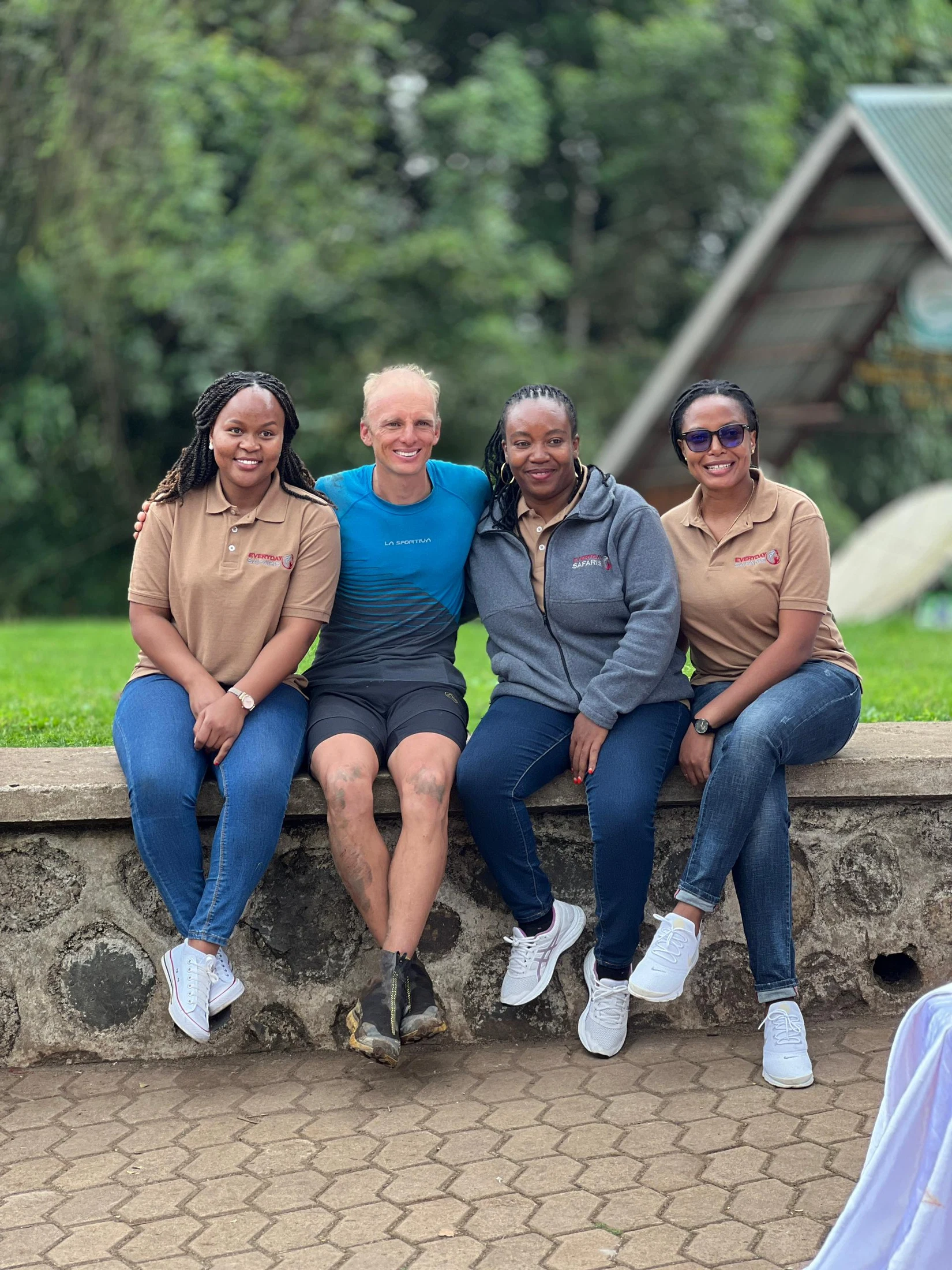
Dedicated vehicles make the entire safari easier to adapt around children and grandparents.
Start with live family itineraries and change the pace, parks or beach extension as needed.
A Tanzania-based team can manage transfers, lodge communication and practical on-ground changes.
Families can finish with beach time when they want a softer second half to the trip.
A family safari is a chance to build respect for wildlife. Animals choose where to move, whether to appear and how to behave. Guides should never promise dramatic encounters or crowd animals for a better family photo.
Children can learn why distance, silence and patience matter around wild animals.
Community visits should be approached as real interactions, not performances staged for cameras.
Good guides can explain habitats, park rules and why responsible tourism matters.
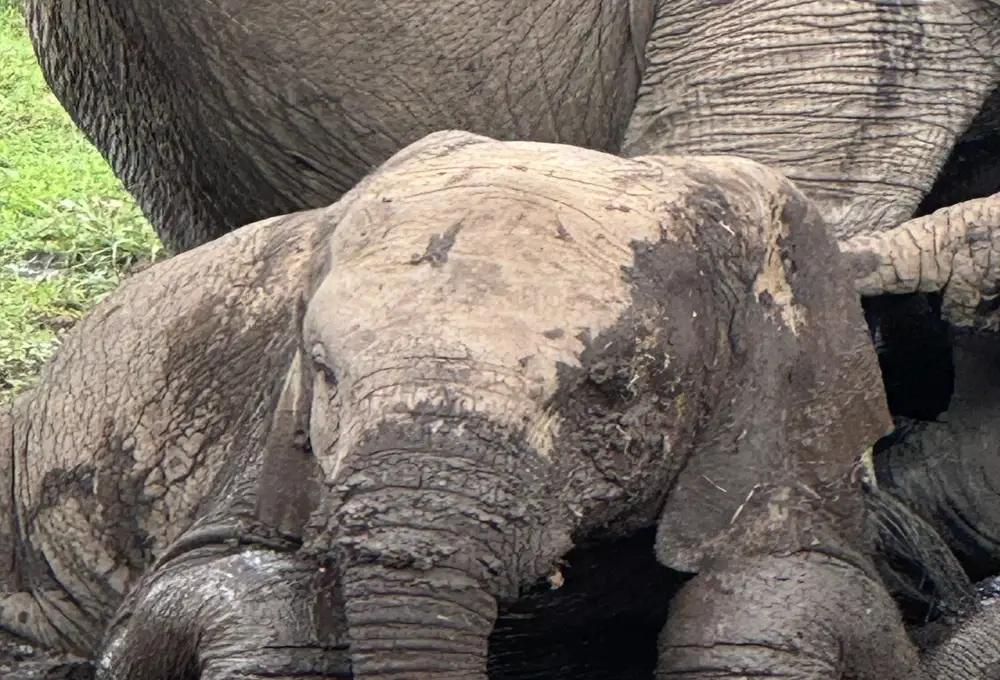
The best extension should change the character of the journey. Follow safari with more time in migration country, add a grounded local cultural experience, or move from the northern circuit to Zanzibar for an Indian Ocean finish.
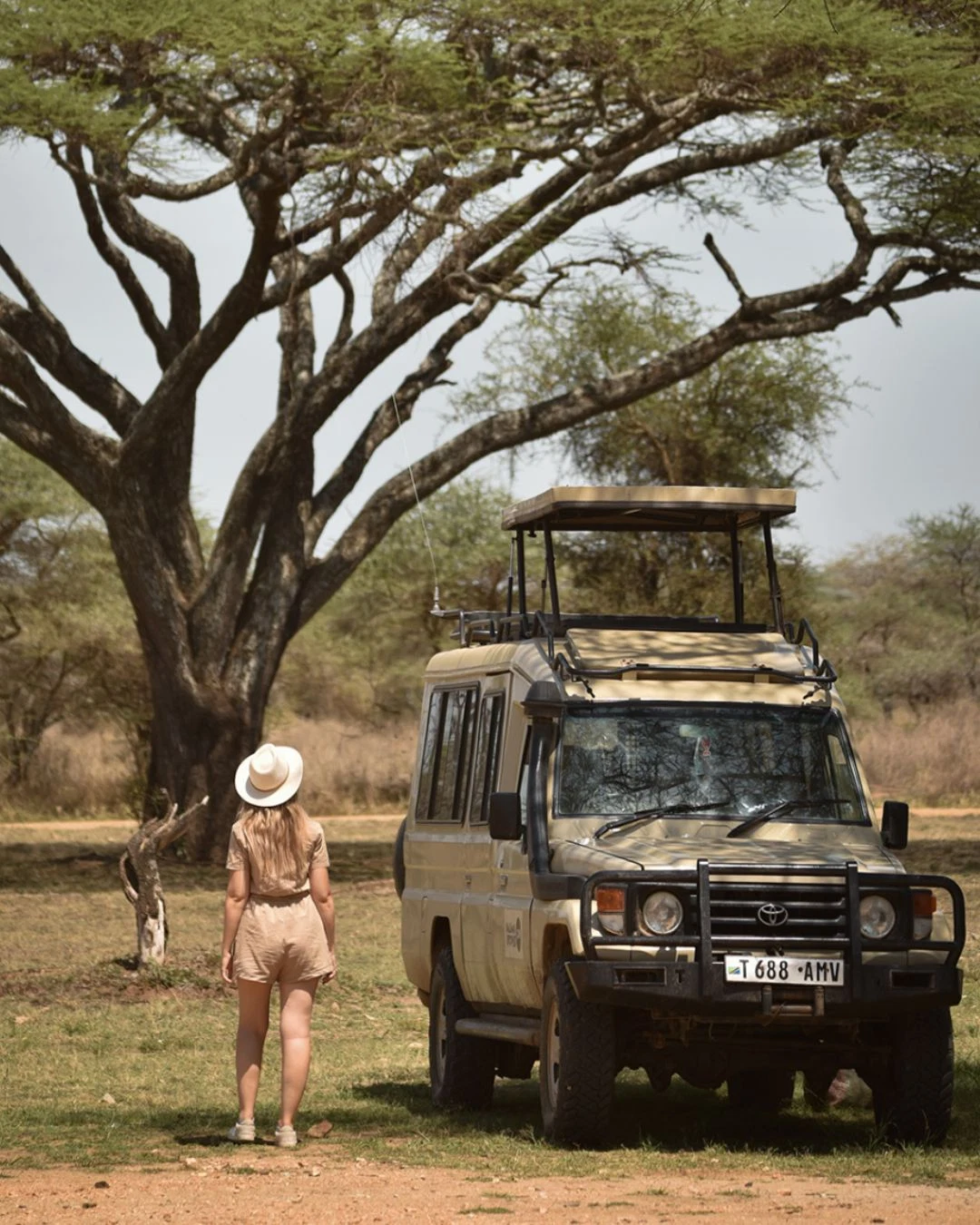
Match Serengeti region and timing to seasonal herd movement rather than treating the Migration as one fixed place.
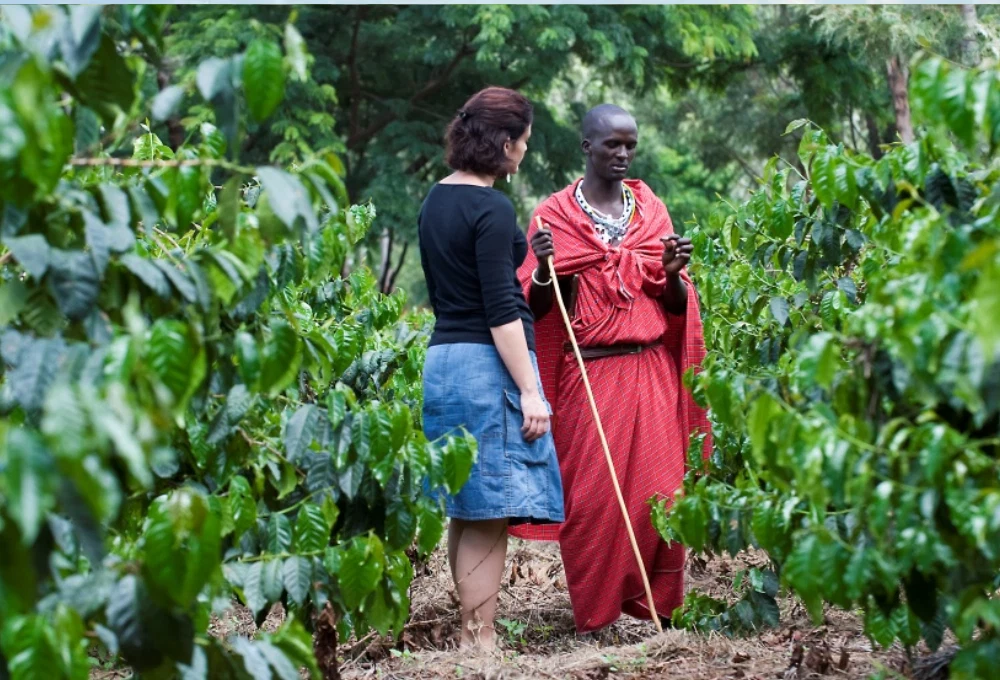
Add a respectful community, farm or local-guided experience that gives the wildlife journey more context.
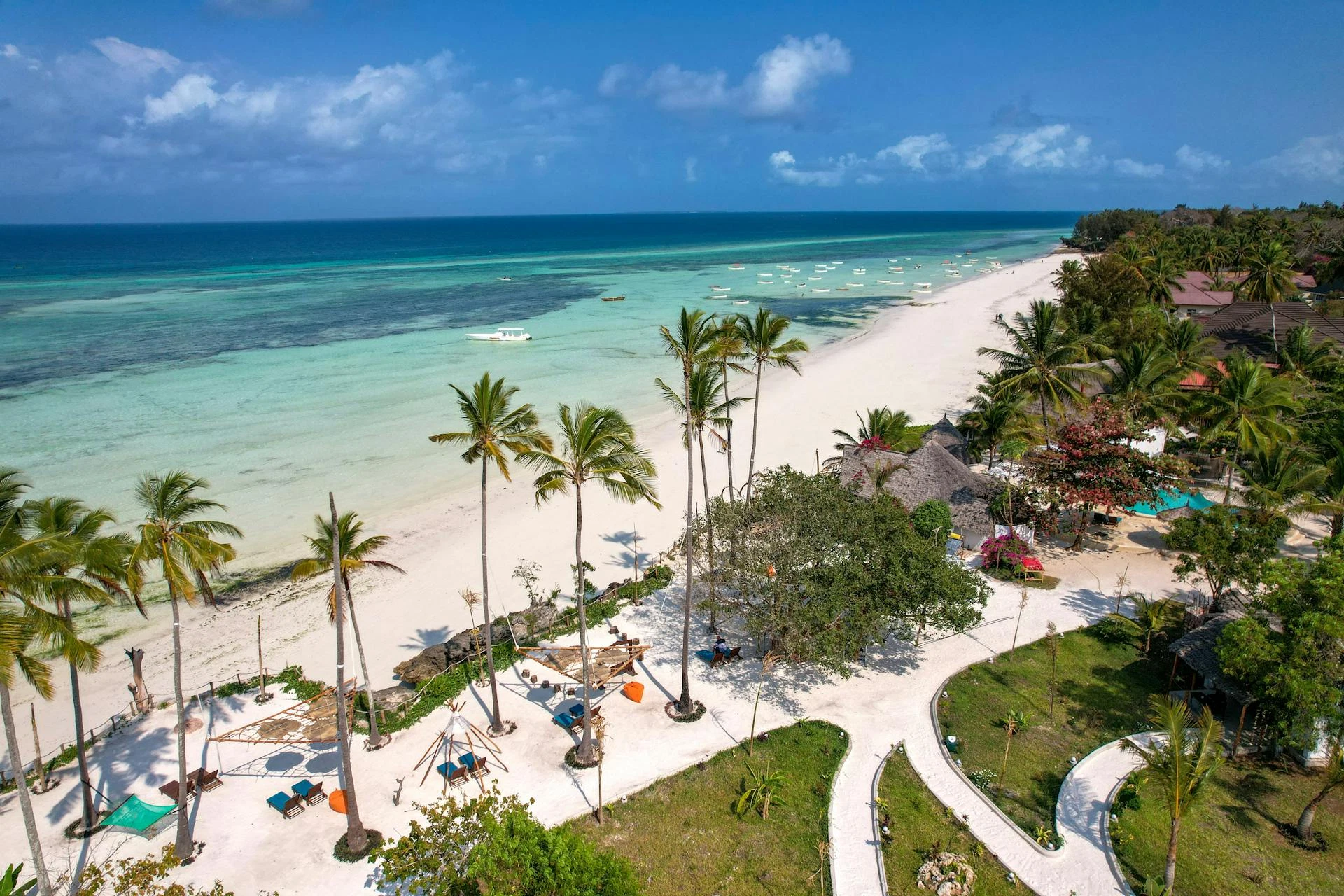
Move from game drives to white-sand beaches with the mainland and island sections planned as one connected trip.
Detailed answers to the practical questions that change safari route, comfort, budget and expectations—not one-line sales replies.
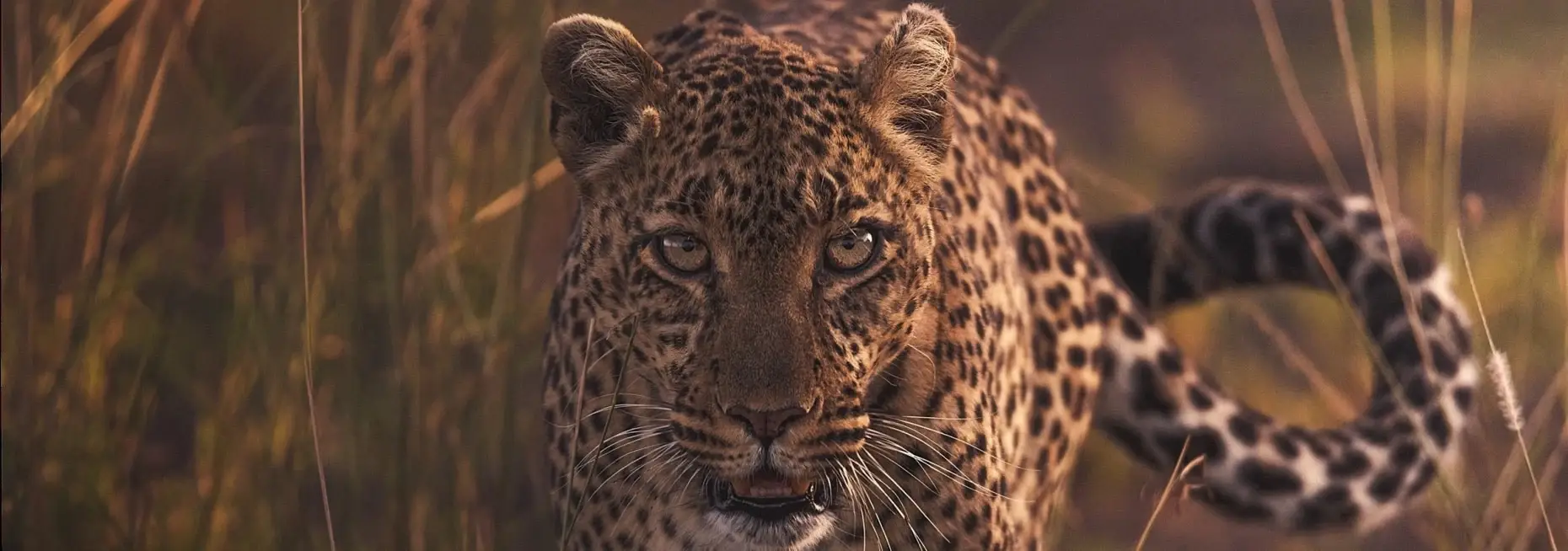
Yes. Northern Tanzania offers excellent wildlife, private safari options and a wide range of lodges, but the route should be matched to children’s ages and tolerance for driving. For families, route design has to reflect children’s ages, room configuration, food needs, driving tolerance and the value of a private vehicle. Fewer well-chosen parks often create a better family safari than a rushed checklist itinerary. Families should share children’s ages before the itinerary and lodges are confirmed. Room rules, driving tolerance, meal needs and activity restrictions vary, so the practical details should be checked before payment rather than assumed from a “family friendly” label.
There is no single perfect age. Older children often cope more easily with long game drives, while younger children can still enjoy safari when the itinerary is shorter and more flexible. Property age rules also matter. For families, route design has to reflect children’s ages, room configuration, food needs, driving tolerance and the value of a private vehicle. Fewer well-chosen parks often create a better family safari than a rushed checklist itinerary. Families should share children’s ages before the itinerary and lodges are confirmed. Room rules, driving tolerance, meal needs and activity restrictions vary, so the practical details should be checked before payment rather than assumed from a “family friendly” label.
Private safaris are usually the easiest format for families because parents control breaks, seating and daily pace. For families, route design has to reflect children’s ages, room configuration, food needs, driving tolerance and the value of a private vehicle. Fewer well-chosen parks often create a better family safari than a rushed checklist itinerary. A private format gives your travelling party its own vehicle and guide, which makes departure times, rest stops and sighting time easier to adapt. It does not change national-park rules or guarantee wildlife, but it normally gives more control over how each day is used.
Tarangire and Ngorongoro are strong family choices because they can deliver excellent wildlife in compact itineraries. Serengeti is also outstanding when enough days are available. For families, route design has to reflect children’s ages, room configuration, food needs, driving tolerance and the value of a private vehicle. Fewer well-chosen parks often create a better family safari than a rushed checklist itinerary. Before booking, compare the route on a day-by-day basis and ask what is confirmed rather than relying on a broad package label. Dates, party size, park sequence, room type and the operating format all affect the final experience.
Four to seven days works well for many families. A shorter three-day safari can also be effective if routing is compact. For families, route design has to reflect children’s ages, room configuration, food needs, driving tolerance and the value of a private vehicle. Fewer well-chosen parks often create a better family safari than a rushed checklist itinerary. Trip length should be judged against geography. Serengeti deserves enough time to justify the journey, while Tarangire, Lake Manyara and Ngorongoro can be combined more compactly from Arusha. Extra nights are useful when they reduce rushing rather than simply adding another hotel.
Yes, but room design varies. Some properties have family tents, connecting rooms or adjacent units. Availability should be checked for your exact travel dates. For families, route design has to reflect children’s ages, room configuration, food needs, driving tolerance and the value of a private vehicle. Fewer well-chosen parks often create a better family safari than a rushed checklist itinerary. Families should share children’s ages before the itinerary and lodges are confirmed. Room rules, driving tolerance, meal needs and activity restrictions vary, so the practical details should be checked before payment rather than assumed from a “family friendly” label.
Yes. Safari + Zanzibar is popular with families because beach days provide a different rhythm after game drives. For families, route design has to reflect children’s ages, room configuration, food needs, driving tolerance and the value of a private vehicle. Fewer well-chosen parks often create a better family safari than a rushed checklist itinerary. Families should share children’s ages before the itinerary and lodges are confirmed. Room rules, driving tolerance, meal needs and activity restrictions vary, so the practical details should be checked before payment rather than assumed from a “family friendly” label.
They can be. Private vehicles, snacks, breaks and a realistic itinerary help. Parents should consider each child’s attention span and comfort. For families, route design has to reflect children’s ages, room configuration, food needs, driving tolerance and the value of a private vehicle. Fewer well-chosen parks often create a better family safari than a rushed checklist itinerary. Families should share children’s ages before the itinerary and lodges are confirmed. Room rules, driving tolerance, meal needs and activity restrictions vary, so the practical details should be checked before payment rather than assumed from a “family friendly” label.
The animals live in the parks and may be encountered, but no ethical operator can guarantee all five or any particular wildlife event. For families, route design has to reflect children’s ages, room configuration, food needs, driving tolerance and the value of a private vehicle. Fewer well-chosen parks often create a better family safari than a rushed checklist itinerary. Families should share children’s ages before the itinerary and lodges are confirmed. Room rules, driving tolerance, meal needs and activity restrictions vary, so the practical details should be checked before payment rather than assumed from a “family friendly” label.
Share children’s ages, room preferences, dietary needs, desired safari length, travel dates and whether you want Zanzibar or other extensions. For families, route design has to reflect children’s ages, room configuration, food needs, driving tolerance and the value of a private vehicle. Fewer well-chosen parks often create a better family safari than a rushed checklist itinerary. Season changes visibility, road conditions, camp availability, crowd levels and which Serengeti region is most relevant. Dry months are popular, but green-season travel can be excellent too; the right answer depends on the wildlife experience and travel style you value most.