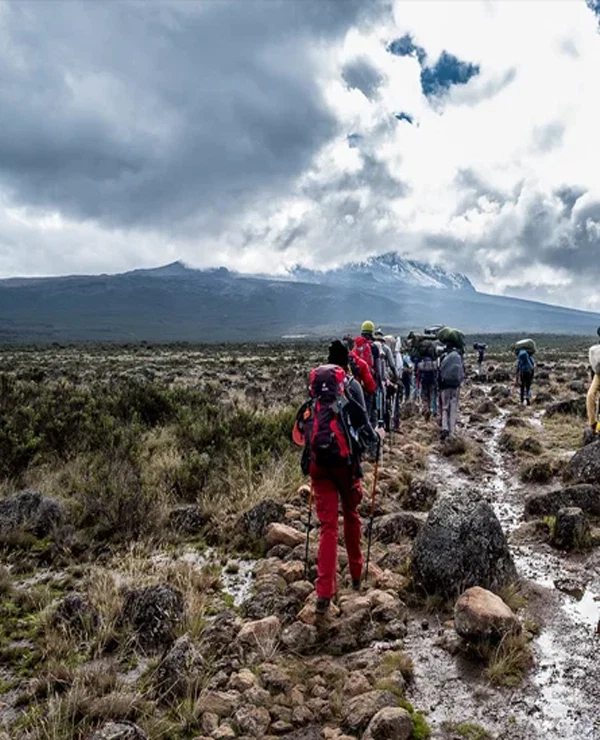
1 Day1-Day Kilimanjaro Shira Plateau Guided Hiking Adventure
1-day kilimanjaro shira plateau guided hiking adventure with Everyday Safaris, expert local guides, route-specific planning, safety-focused pacing…
View Trip Package →

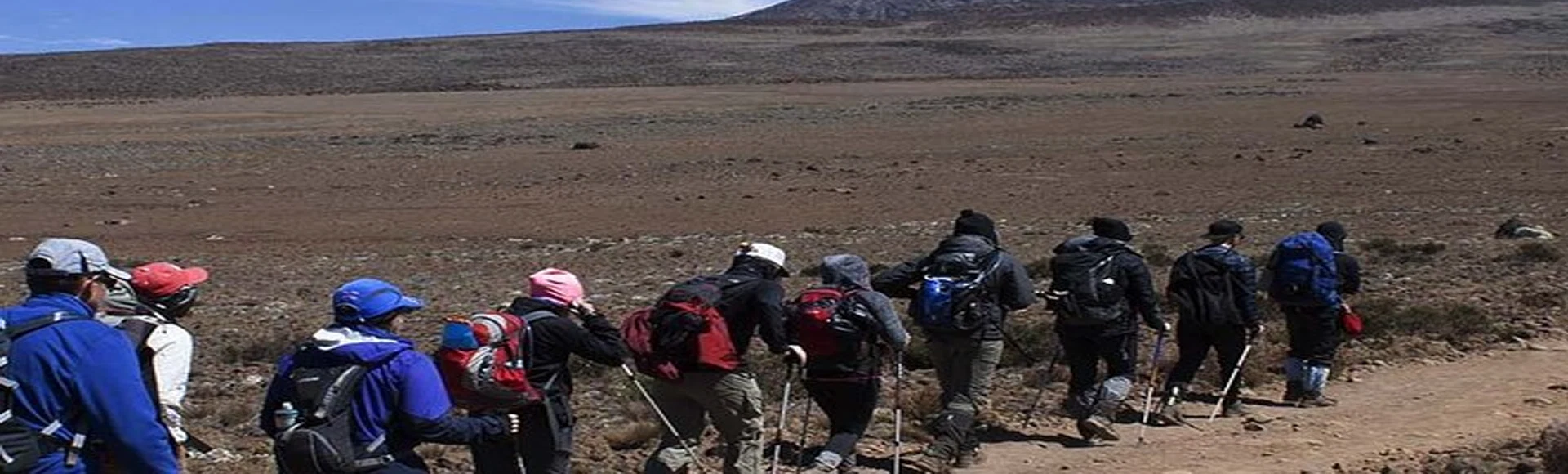
A guided lower-mountain hike that lets you experience Kilimanjaro honestly—without pretending a one-day outing is a summit climb.
A Kilimanjaro day hike is valuable precisely because it is not sold as a shortcut to Uhuru Peak. The experience is about entering the national park, walking on the lower mountain, feeling how the forest and altitude change the air, and spending time with a qualified local mountain guide. It gives travellers a genuine physical connection to Kilimanjaro without the acclimatisation, logistics and commitment required for a multi-day summit expedition.
The exact route and turnaround point depend on the confirmed program, park rules, weather and the group’s pace. A good day is measured by a safe, enjoyable hike rather than by forcing a pre-set distance. Clouds can hide higher slopes, rain can make forest paths slippery and altitude affects people differently, so flexibility is part of proper mountain planning.
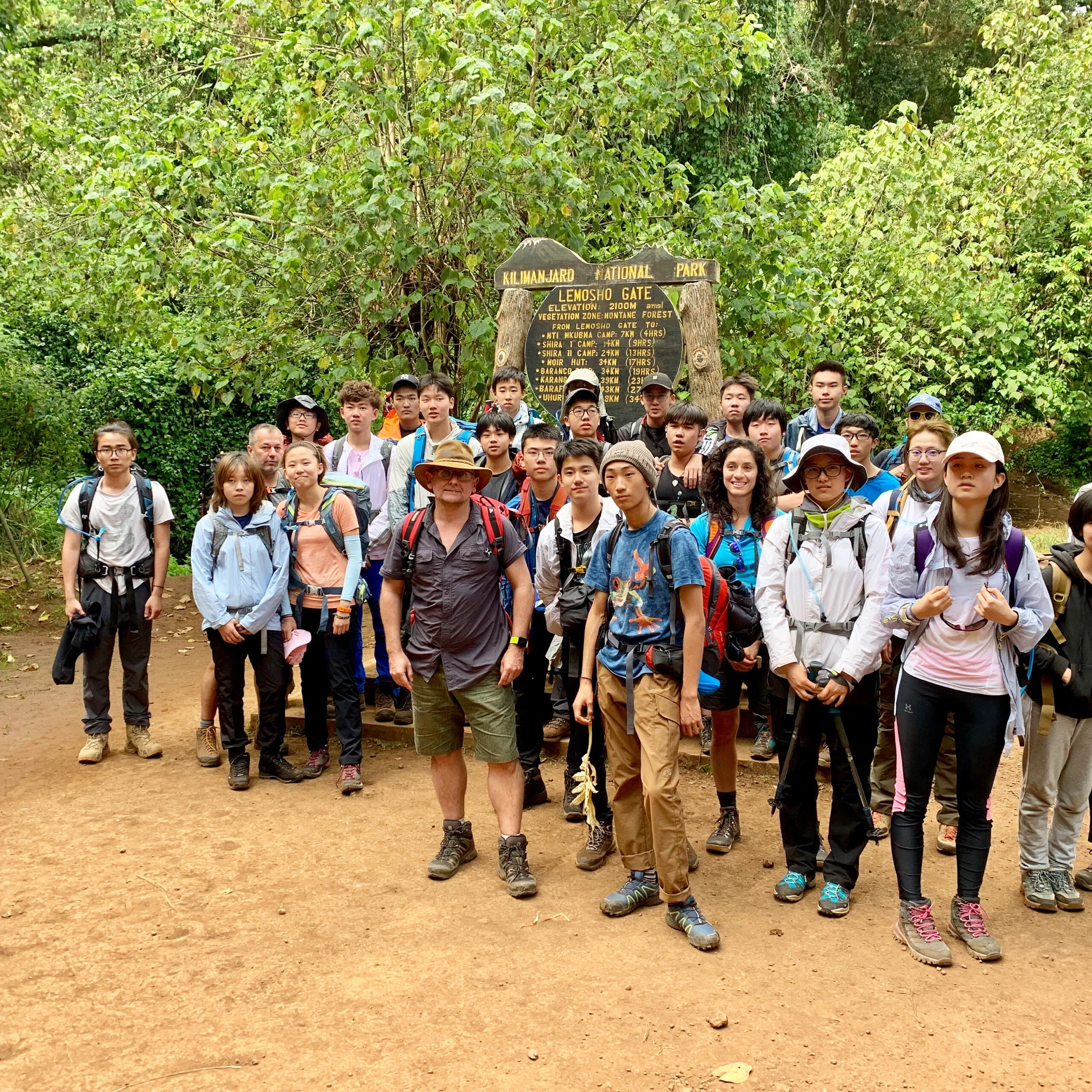
These Everyday Safaris itineraries connect naturally with this experience. Compare route and duration, then ask us to tailor the combination around your dates and travel style.
1 Day1-day kilimanjaro shira plateau guided hiking adventure with Everyday Safaris, expert local guides, route-specific planning, safety-focused pacing…
View Trip Package →
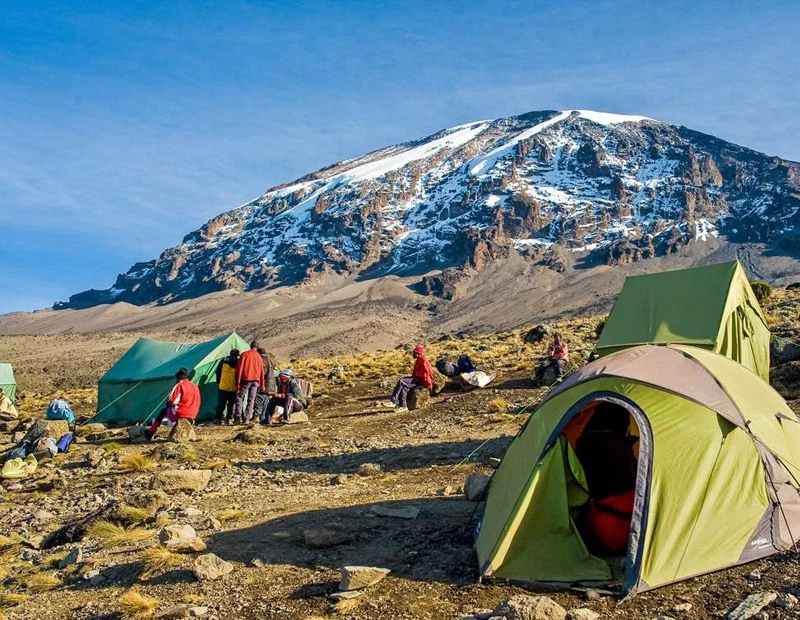
4 Days4-day kilimanjaro machame route scenic trekking adventure with Everyday Safaris, professional local guides, route-specific planning, safety-focused…
View Trip Package →
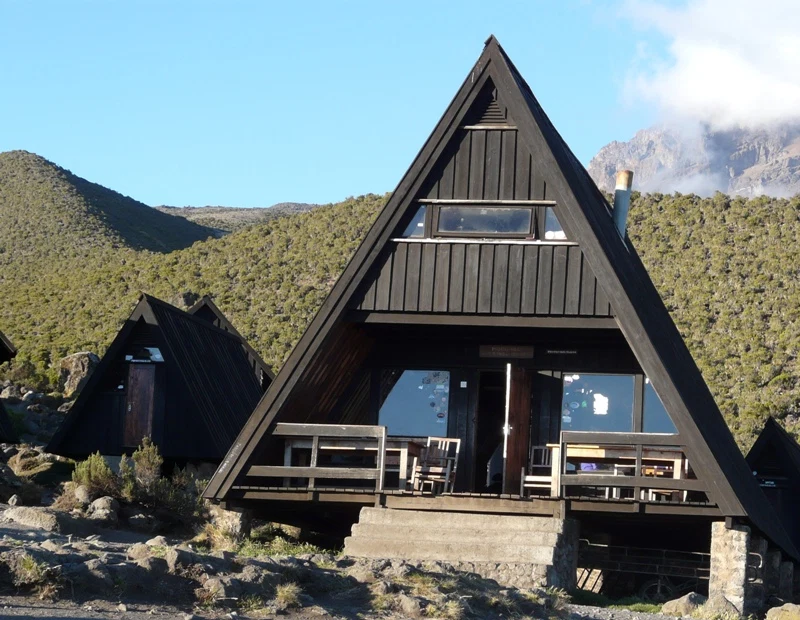
3 Days3-day kilimanjaro marangu route scenic trek to horombo hut with Everyday Safaris, expert local guides, route-specific planning, safety-focused paci…
View Trip Package →
7 Days7-day kilimanjaro lemosho route summit climb in tanzania with Everyday Safaris, expert local guides, route-specific planning, safety-focused pacing…
View Trip Package →The sequence protects the main experience while leaving the guide enough flexibility for real conditions.
Travel from the agreed Arusha or Moshi meeting point toward the confirmed Kilimanjaro gate.
Complete park procedures and discuss pace, weather and turnaround logic with the guide.
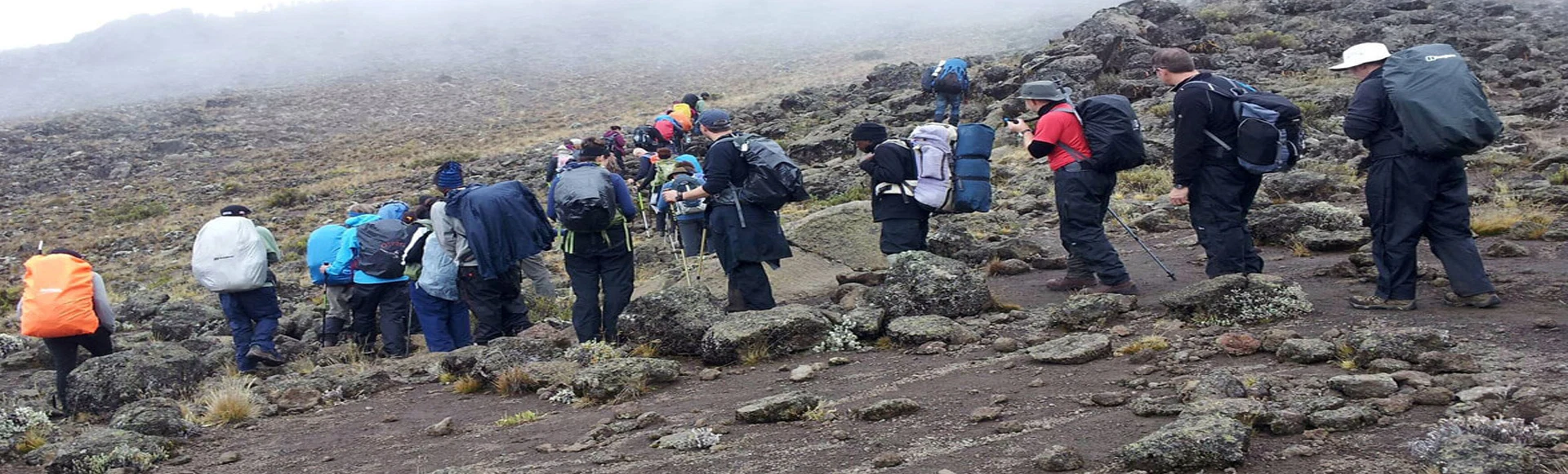
Walk steadily through lower mountain habitat with regular water and photo stops.
Reverse the route before fatigue or timing becomes a problem.
Meet the vehicle and travel back to the agreed drop-off point.
The useful facts here are about how this particular experience behaves on the ground, not a generic day-trip template.

Summit photographs dominate Kilimanjaro marketing, but the lower mountain is an ecosystem in its own right. Moist forest, changing light, bird calls and occasional wildlife signs make the day feel very different from a high-altitude expedition. The slower pace also gives travellers time to understand how guides manage terrain, weather and effort.
The responsible limit is time. A local mountain guide must balance the group’s pace, weather, trail conditions, park procedures and a firm turnaround that allows a safe exit. The strongest day is not the one that pushes farthest; it is the one that gives a meaningful section of the mountain without pretending acclimatisation and a multi-day summit plan can be compressed into daylight hours. Clothing, footwear and honest fitness information matter more here than on a vehicle-based day trip.
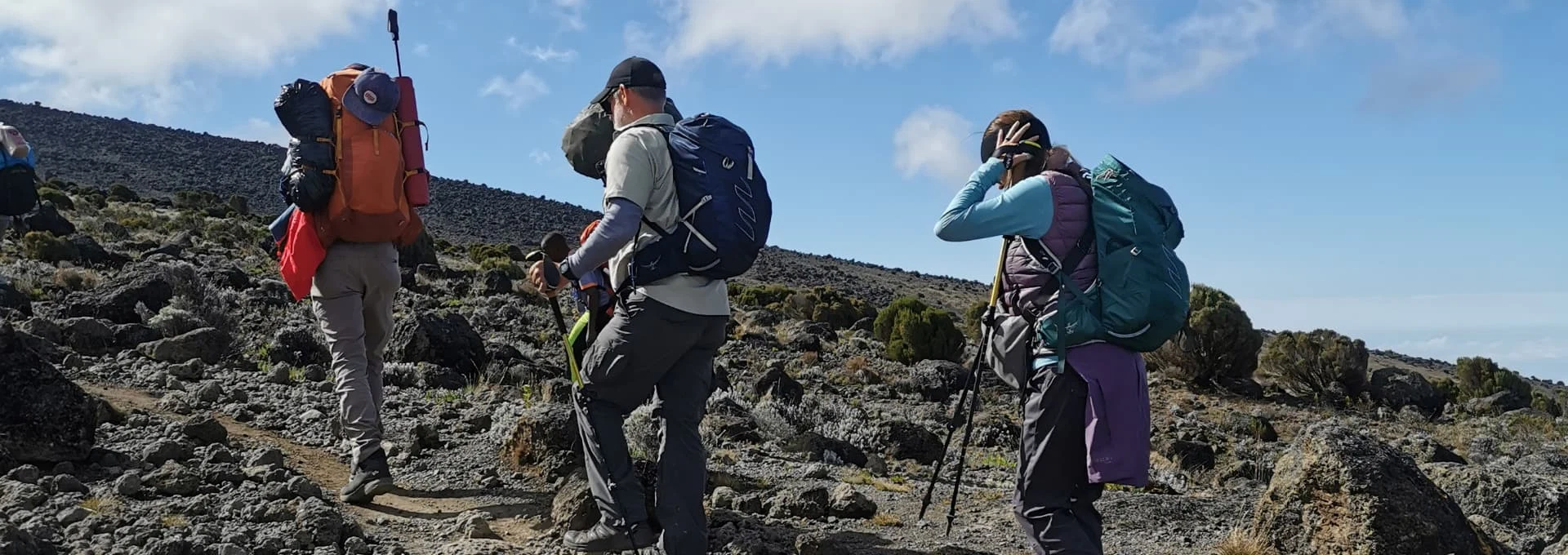
This is an active day, so footwear, weather protection and the right personal items affect the experience directly. Pack for the activity described, not for a generic safari.
Grip matters more than fashion on damp forest paths.
Rain protection should be easy to reach, not buried in a bag.
You may feel warm while climbing and cooler during stops.
Carry the amount specified by your guide and confirmed program.
Enough for layers, water, camera and personal medication.
Helpful for some hikers on slippery or uneven ground.
Dryer periods can make trail conditions easier, but Kilimanjaro weather is never fully predictable. Rain can arrive, clouds can obscure views and temperatures can shift between the trailhead and higher forest. The correct response is preparation and pacing—not trying to “beat” the weather by rushing.
Weather and route conditions can change how the activity is paced.
Do not overload an active day with unrelated stops.
Turnaround and return timing matter more than squeezing in one extra viewpoint.

These are the details that should influence whether this is the right day for your itinerary.
Walk inside Kilimanjaro National Park rather than viewing the mountain only from the road.
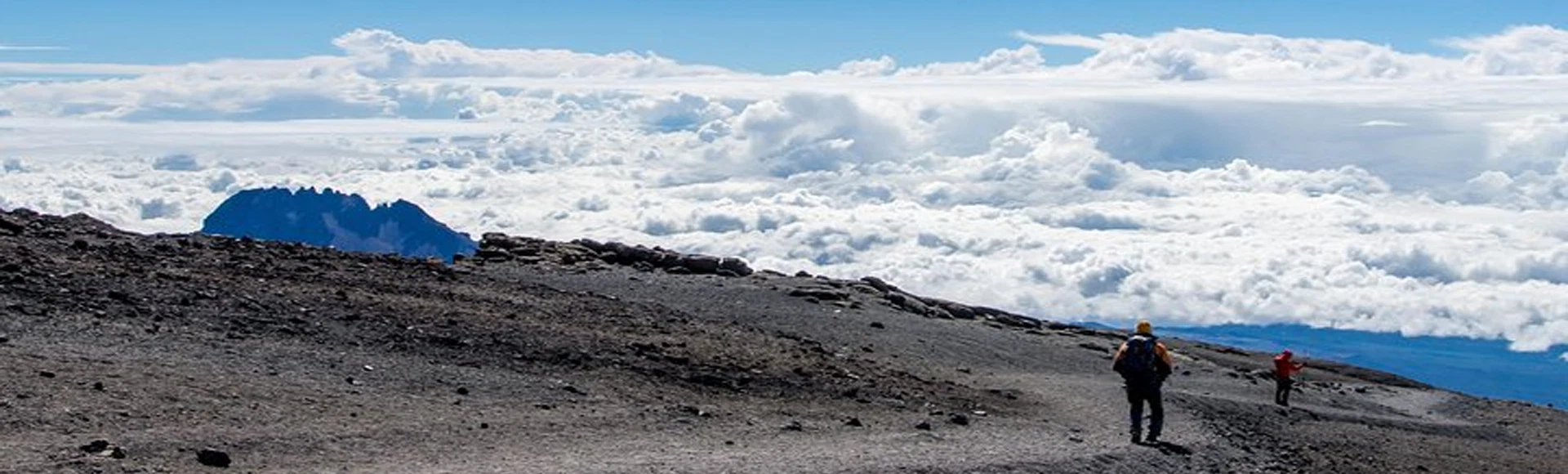
Lush lower slopes create a completely different atmosphere from the alpine images people associate with the summit.
Route judgement, pacing and safety come from a guide who understands the mountain environment.
This is a day hike designed around what can responsibly be achieved in one day.
Your final written quotation confirms the exact cost and what applies to your date. The lists below explain the normal structure of this particular day without inventing a public price.
These are logical next places when you want the itinerary to change character rather than simply add more hours.
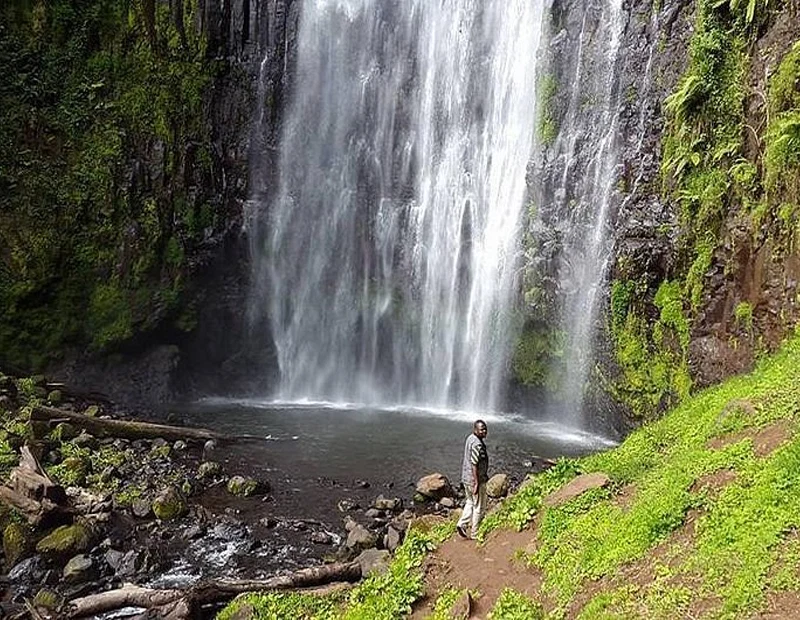
A lower-slope waterfall and coffee-country day.
Explore destination →
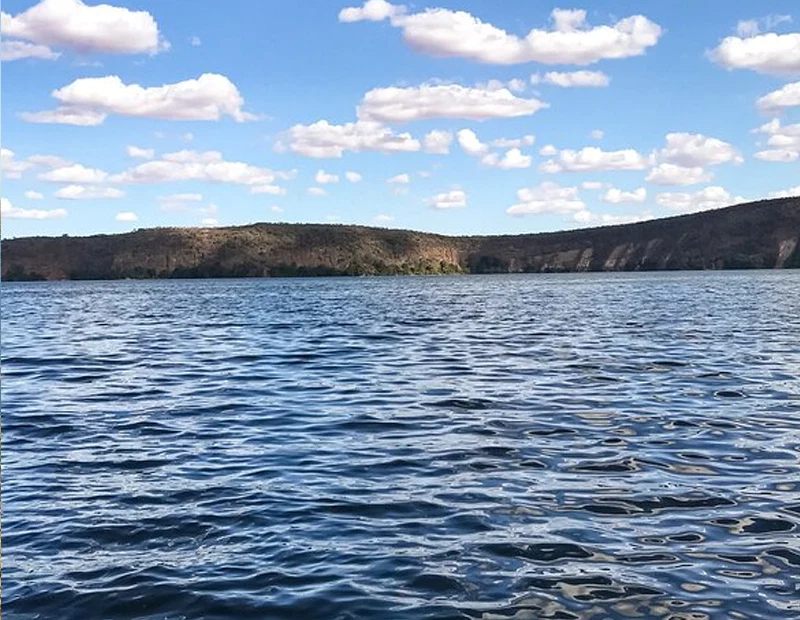
A volcanic crater-lake experience near Kilimanjaro.
Explore destination →
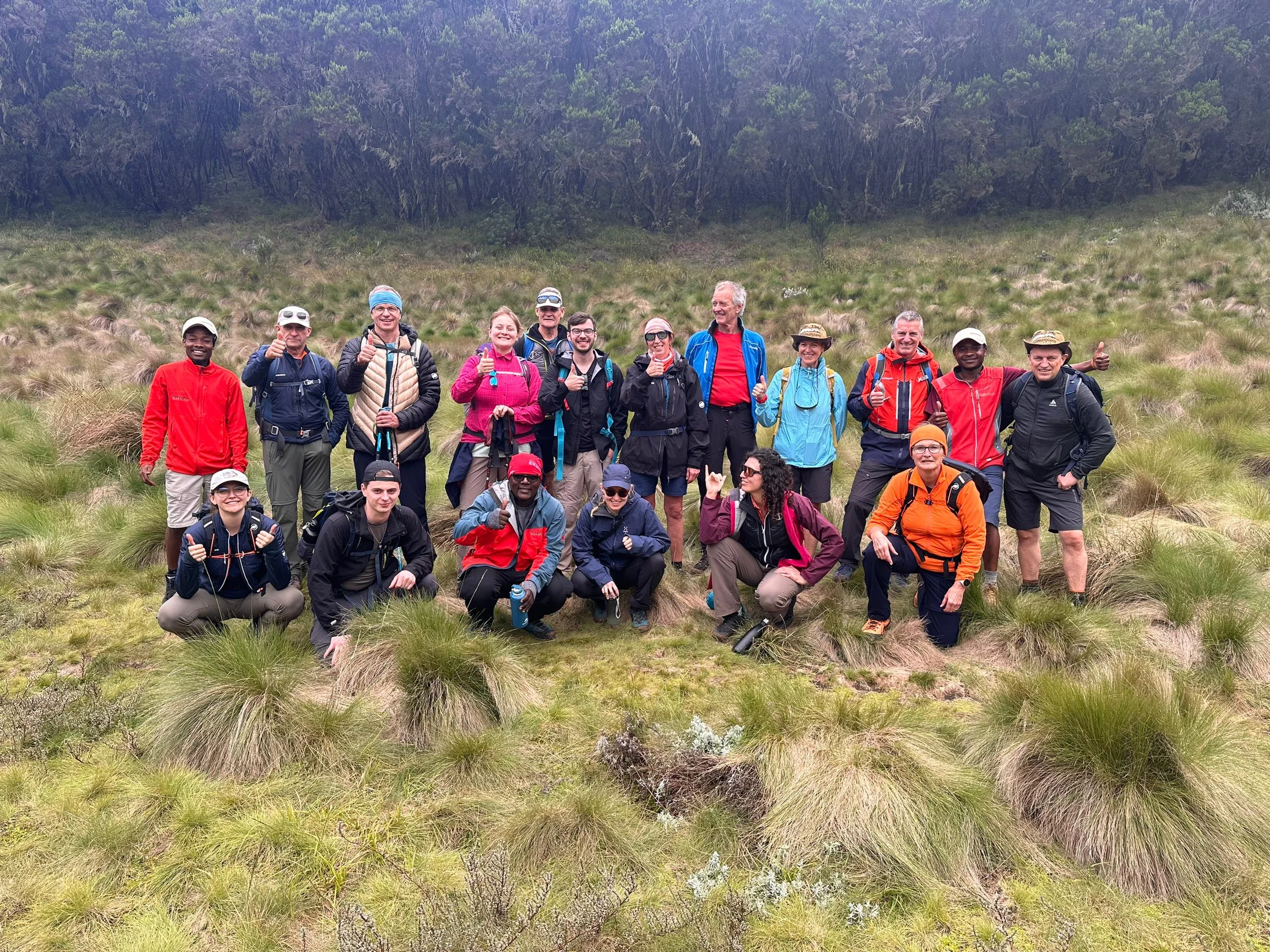
Move from a day-hike introduction to a properly planned multi-day climb.
Explore destination →Stay on the authorised trail, carry out all waste and follow the mountain guide’s turnaround decision. Vegetation on Kilimanjaro is protected, so do not collect plants or leave food waste. A responsible hike puts the condition of the group and park rules ahead of reaching a particular photo point.
Practical answers about altitude, fitness, weather, clothing and what a one-day hike on Kilimanjaro can—and cannot—realistically deliver.
No. A proper Kilimanjaro summit climb requires a multi-day itinerary and acclimatisation. A day hike is about experiencing the mountain environment, forest trail and lower-elevation route without pretending it is a summit expedition.
Technical climbing experience is not normally the point of a day hike, but you should be comfortable walking uphill for several hours. Fitness, footwear, weather and your personal pace matter more than having mountaineering credentials.
Some travellers notice the elevation even on a day hike, particularly when moving uphill quickly. The guide should set a steady pace, and you should speak up if you develop unusual discomfort rather than trying to prove fitness.
Mountain weather can change quickly. Sun, cloud, mist or rain can all appear during the same outing, so layers and rain protection are much more useful than dressing only for the conditions you see at breakfast.
Wear supportive walking or hiking shoes with reliable grip. The trail can become wet or slippery, and new shoes should not be broken in for the first time on the mountain.
Carry water, sun protection, rain protection, a warm layer, personal medication and only the essentials you need while walking. A lighter pack is easier to manage than carrying safari luggage onto the trail.
The day should be paced around the group rather than treated as a race. A controlled walking rhythm gives you more time to notice the forest and helps the guide make sensible decisions about turnaround time.
The guide may shorten, slow or adjust the hike when trail or weather conditions make that sensible. Reaching a particular point is less important than returning safely and enjoying the mountain.
That depends on age, walking experience, fitness and how comfortable the child is with a sustained uphill trail. Families should discuss the planned distance and pace before booking rather than relying on age alone.
Materuni, Lake Chala, Chemka or a safari can all work around a Kilimanjaro-area stay. The best choice depends on whether you want another active day, a swimming day or a complete change into wildlife viewing.
Compare timing, experience details, practical logistics and natural ways to connect this day with a longer Tanzania itinerary.
Use this section to compare the practical choices that shape Kilimanjaro day hike: where the day starts, how the route is paced and what should be confirmed before travel.
The day is defined by real places and activities rather than a generic checklist. These links help travellers explore the parts of the experience that matter most to them.
Conditions change from one date to another. Good planning means understanding season, weather, access and daily timing without turning any natural or community experience into a guarantee.
Transport, clothing, food, fees and physical effort can change how enjoyable the day feels. These planning routes help visitors arrive prepared.
A day trip can stand alone or become one part of a longer Tanzania journey. These combinations point toward real itineraries rather than invented packages.