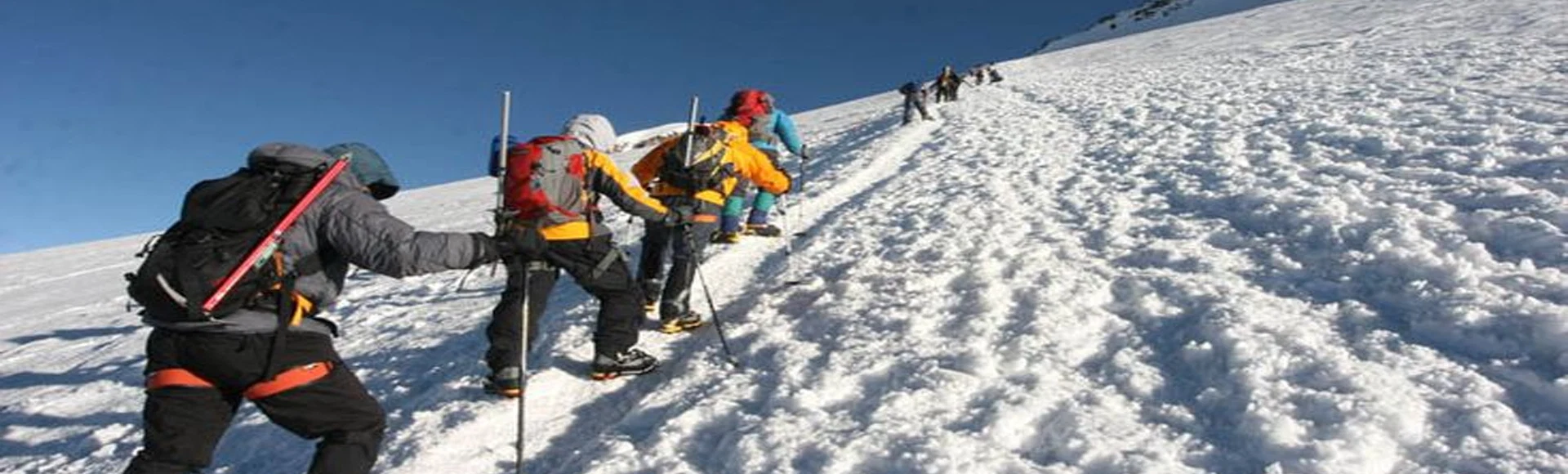
Kilimanjaro
Choose the route, days and acclimatisation rhythm before thinking about the summit photo.
Explore Kilimanjaro →

Climb Kilimanjaro or Mount Meru, travel through Tanzania’s safari country and finish on Zanzibar with one team shaping the route around the real traveller—not around a generic template.
A strong Tanzania journey is built in the decisions travellers rarely see on an itinerary headline: how quickly altitude is gained, where a safari night is placed, whether a transfer is doing too much in one day, which Zanzibar coast fits the traveller and how much recovery belongs between major experiences.
Everyday Safaris plans from Arusha with local mountain and safari knowledge, then connects those details into one route. The aim is not to fill every hour. It is to make the hours you do have work together.
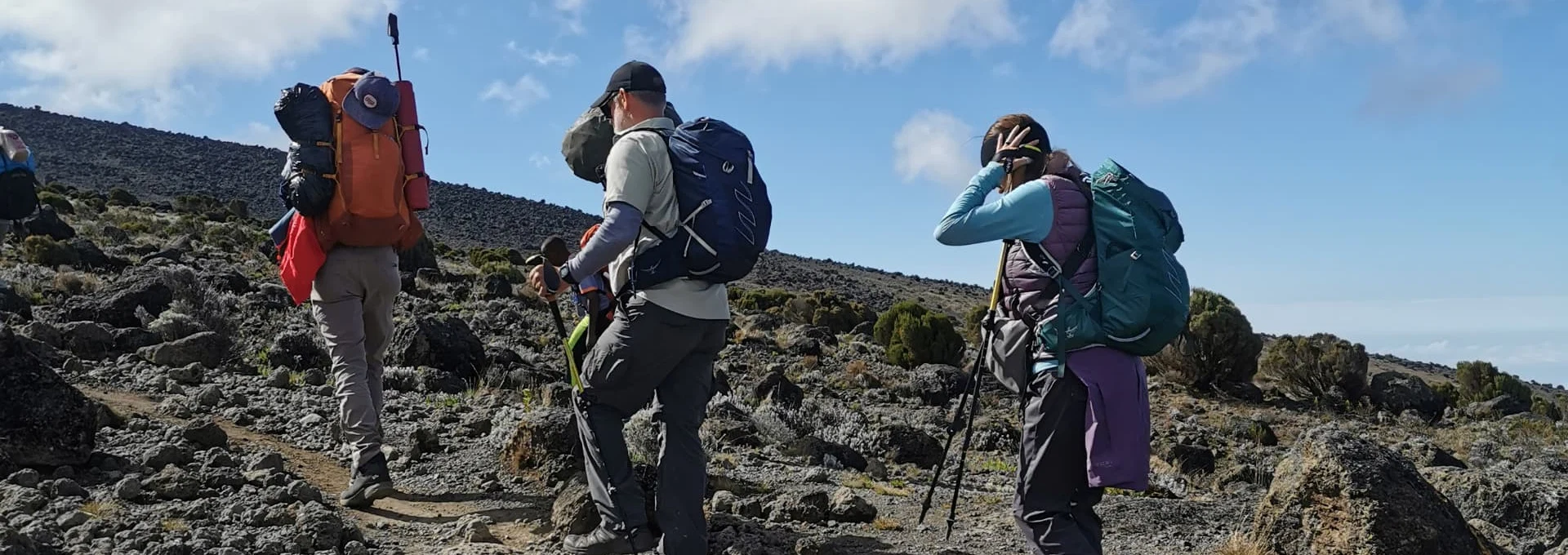
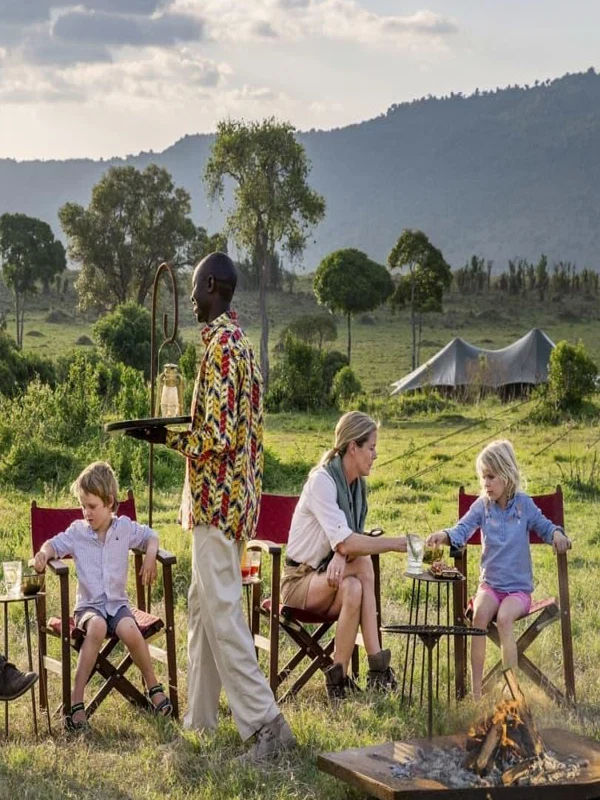
Mountain, wildlife and coast need different operating skills. The advantage is being able to connect them without making the traveller rebuild the trip from zero at every stage.

Choose the route, days and acclimatisation rhythm before thinking about the summit photo.
Explore Kilimanjaro →
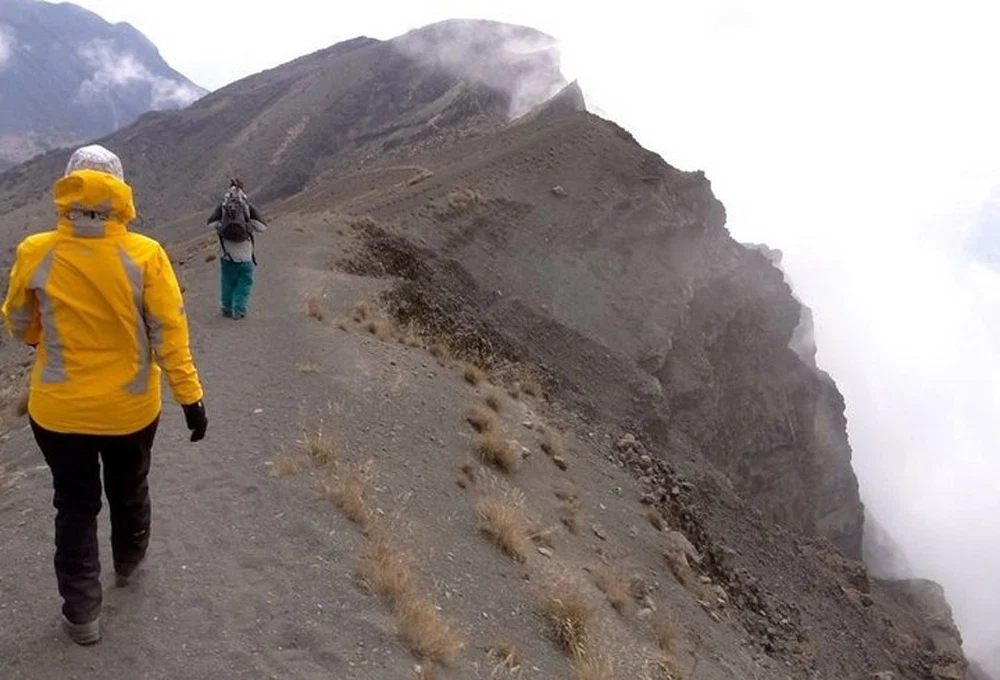
A quieter volcanic mountain inside Arusha National Park with huts, wildlife and a rugged summit ridge.
Explore Mount Meru →
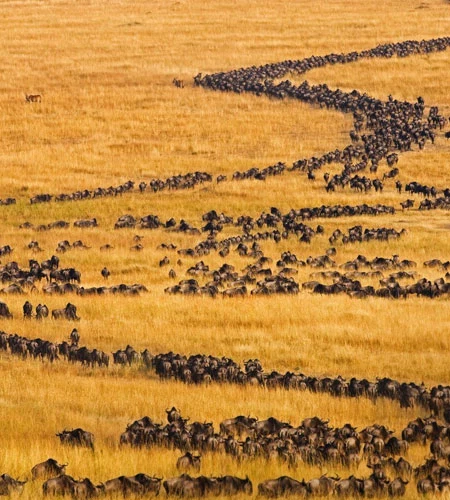
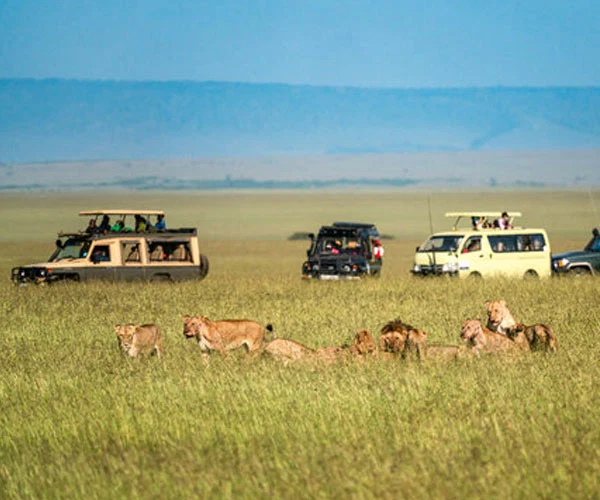
Build days around park geography, wildlife conditions and time in the field—not a checklist of names.
Explore Tanzania Safari →

Choose Stone Town, the north or the East Coast according to swimming, atmosphere, tides and trip pace.
Explore Zanzibar →Good tailoring changes the pace, sequence and operating choices. It should answer who is travelling, how they like to move, what they care about and where the itinerary needs breathing room.
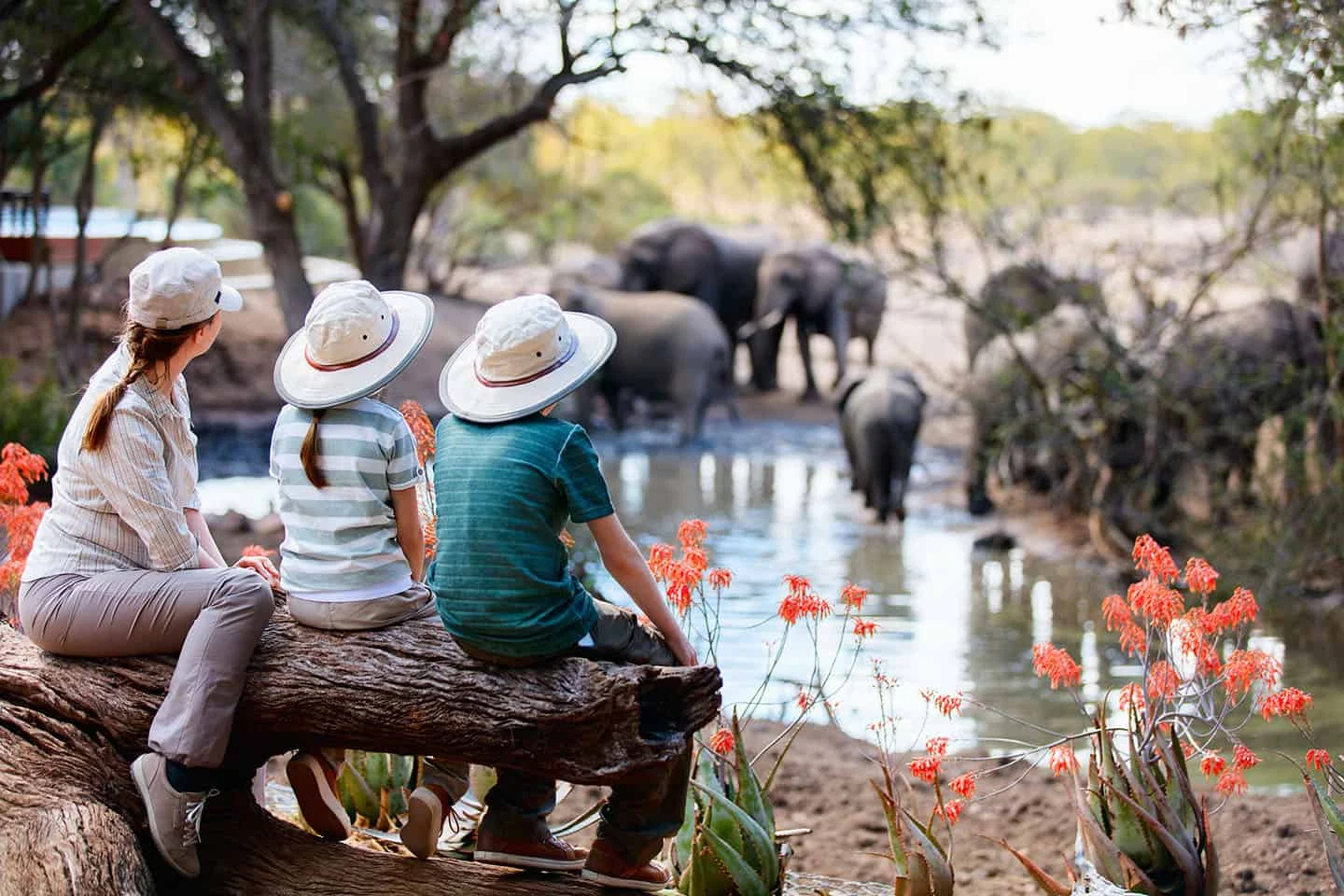
The itinerary starts with the time you really have, including arrival, recovery and transfer days.
A first high-altitude climb should not be planned like an experienced trekker’s expedition.
Vehicle use, mountain group structure and daily flexibility should be clear before booking.
The same destination can need very different pacing, room arrangements and activity choices.
Photography, family pace, migration interest and park time change the route more than generic “Big Five” wording.
North Zanzibar, Stone Town and the East Coast suit different travellers and different parts of a longer trip.

On a mountain, the guide manages pace, altitude observation and the decision to continue or descend. On safari, the driver-guide reads roads, recent movement, vehicle position and the pressure around a sighting. The value is judgement in real conditions—not simply knowing where a road goes.
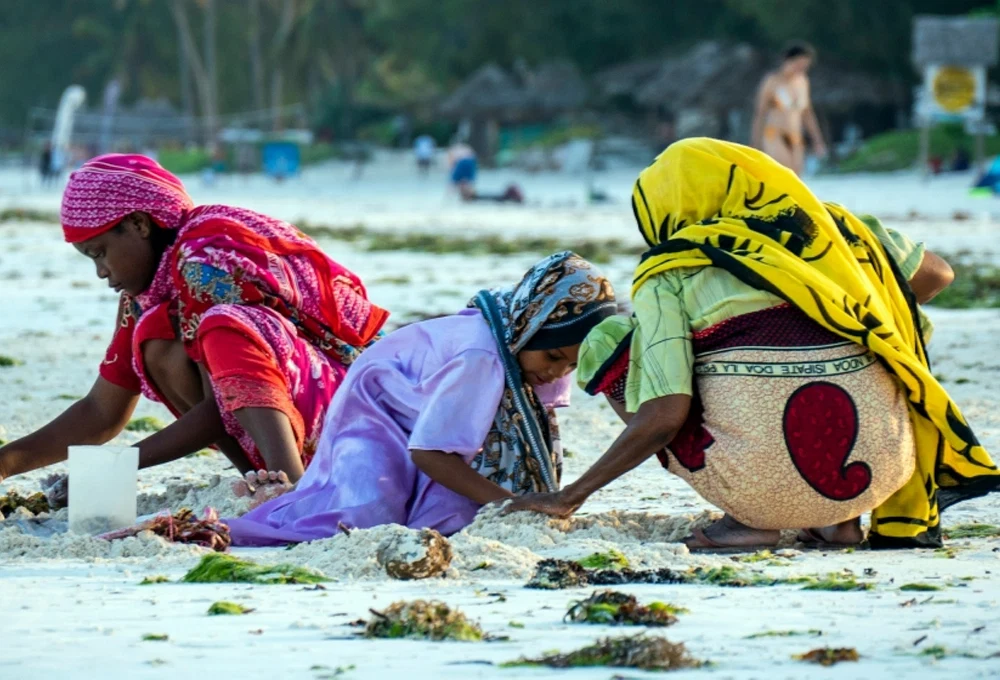
The written plan gives the journey structure. The guide gives it judgement. That distinction matters on high mountains, in wildlife areas and on the Indian Ocean.
Guides can change pace, timing or the attempt itself when altitude, weather or a traveller’s condition requires it.
A good wildlife experience leaves room for animals to behave naturally and for the guide to position responsibly.
Boat, snorkelling and marine activities depend on weather, tide and local safety conditions on the day.

Responsibility is most useful when it changes behaviour: how a porter is supported, how close a vehicle moves, how a traveller behaves in a community and whether a marine activity is allowed to respond to the day’s conditions.
Local employment, mountain crew welfare and working relationships should be part of the trip—not hidden behind sustainability language.
Good viewing means distance, patience and guide positioning rather than forcing the animal to produce a better photograph.
Respect for communities, park rules and the coastal environment matters from Kilimanjaro camps to Zanzibar beaches.
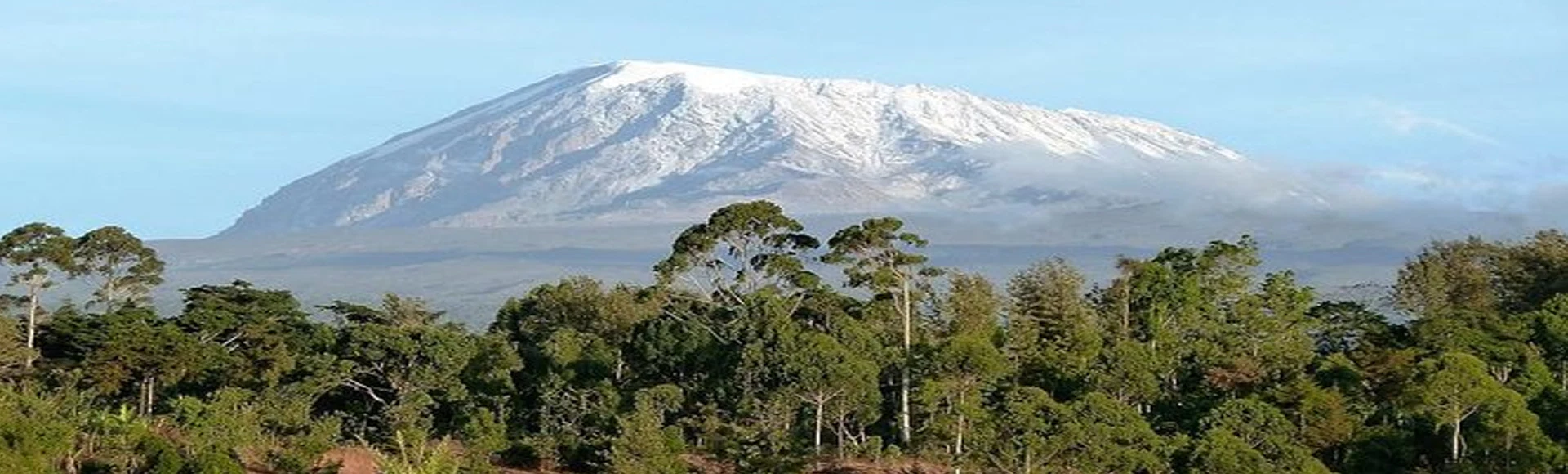
Route choice, number of days, equipment, acclimatisation and realistic expectations shape the climb long before summit night. The support system should help a traveller arrive knowing what the mountain asks of them.
A safari becomes good when the route respects distance, park geography and time in the field. Fewer parks with better nights can be stronger than adding every famous name and spending the trip moving between them.
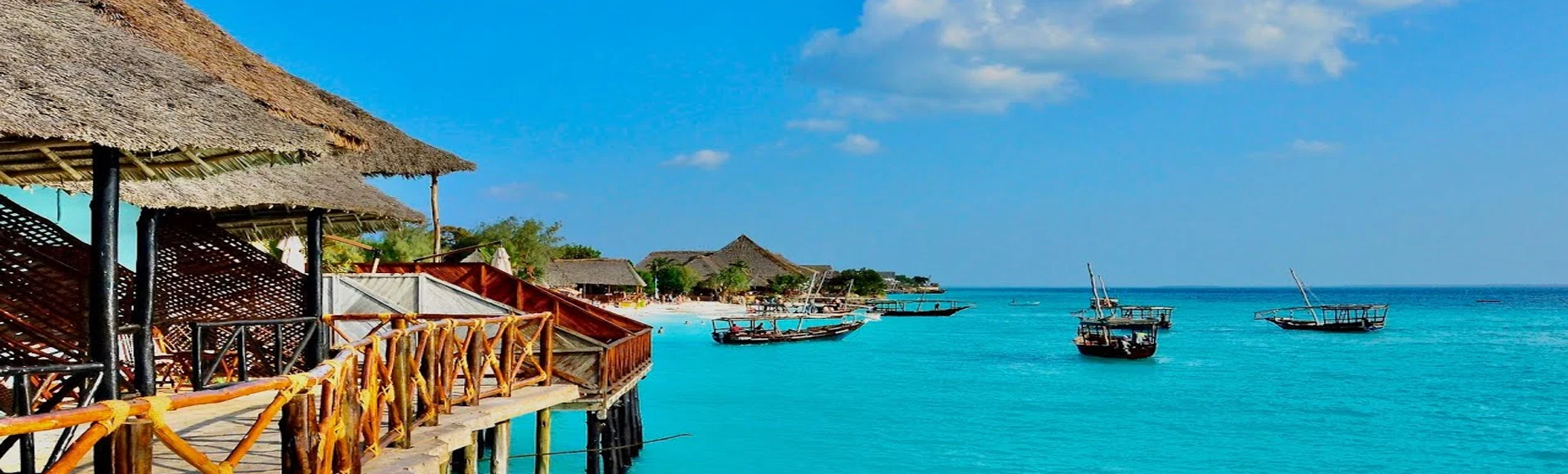
Stone Town brings history and street life. Nungwi and Kendwa offer a different north-coast rhythm. The East Coast has stronger tides and a quieter sense of space. The right finish depends on what came before—and what the traveller actually wants from the final days.
The trip is not only what happens in the park or on the mountain. The handovers, briefings, recovery nights and final transfer shape how smooth the whole journey feels.
Dates, travellers, available days, mountain or safari interests and the level of comfort you want.
We connect the experiences in an order that respects distance, altitude, recovery and transport.
Accommodation, private/shared arrangements, inclusions and any conditions are set out in the final quotation.
Packing, mountain preparation, arrival details and trip-specific guidance are handled before Tanzania.
Guides manage the real day and adjust to conditions rather than forcing the itinerary blindly.
The final transfer matters too—whether that is Arusha, the airport, another safari stage or Zanzibar.
From the first planning conversations to the final airport transfer, we felt well looked after. The safari felt relaxed and exciting, and finishing in Zanzibar gave the journey exactly the ending we wanted.
Safari + ZanzibarKilimanjaro was physically demanding, but the guide and mountain team supported us throughout the climb. The pacing, encouragement and experience made a real difference when the mountain became difficult.
KilimanjaroThe customer care was strong, the accommodation worked well and the overall trip felt carefully organised. We felt the team genuinely cared about making the journey comfortable.
Service & PlanningTanzania is powerful because it is real. Mountains, wildlife and the ocean are not controlled products. Good planning improves the experience without pretending to control nature.
You should be able to understand who is guiding, what is realistic, where the difficult decisions sit and how the next stage of the journey connects before you travel.
One team connecting mountain, safari and coast around real travel time.
Field judgement is treated as part of the experience, not an afterthought.
Pace and sequence can be shaped around the traveller where operating rules allow.
The guide can slow, change or stop a plan when conditions require it.
Porter welfare, wildlife viewing and community respect are connected to daily operations.
Kilimanjaro + Safari, Safari + Zanzibar and Kilimanjaro + Zanzibar can be designed as one journey.
These are the questions that matter most when deciding who will plan and operate a Tanzania journey.
Everyday Safaris operates from Arusha, Tanzania and plans Kilimanjaro, Mount Meru, safari and Zanzibar journeys with local guiding and trip support. Your final quotation confirms the exact services, transfers and arrangements for your dates.
Yes. The same journey can connect a Kilimanjaro or Mount Meru climb with a northern Tanzania safari and a Zanzibar stay when the total holiday has enough time. The itinerary should include sensible recovery and transfer time rather than simply stacking destinations together.
Many itineraries can be arranged privately, while selected mountain or safari departures may also be available on a shared basis. Ask for the exact group structure before booking so you know who controls the vehicle, pace, departure date and daily schedule.
Yes. Planning can be adjusted around available days, trekking experience, family or couple travel, private or shared services, safari interests and the Zanzibar coast you prefer. The final itinerary should still respect park rules, mountain safety and realistic transfer times.
Everyday Safaris uses professional local guiding and trip support appropriate to the activity. Mountain guides manage pace, altitude and route decisions; safari driver-guides manage wildlife viewing, roads and park conditions; Zanzibar activities use the relevant local operators and guides confirmed for the itinerary.
Altitude affects travellers differently regardless of fitness. Guides use controlled pacing, health observation and conservative decision-making, and can slow, change or stop the climb when symptoms, weather or trail conditions make continuing unsafe.
No. A responsible operator should not guarantee a summit, a river crossing, a predator hunt or any specific wild-animal interaction. Everyday Safaris can plan carefully and guide professionally, but altitude, weather and wildlife remain real-world variables.
The company’s published approach connects mountain crew welfare, local employment, respectful wildlife viewing, cultural consideration and practical environmental care. Travellers can read the dedicated Porter Welfare and Responsible Tourism pages for the deeper standards behind those commitments.
Yes. The itinerary can be shaped around family pacing, private vehicles, couple travel, honeymoon combinations and different activity levels. Age restrictions, room configurations and activity-specific limits should be confirmed for the exact trip.
Send Everyday Safaris your travel dates, number of travellers, preferred experiences, available days and any important comfort or activity preferences. The team can then shape a realistic Tanzania itinerary and confirm the final inclusions in writing.
Tell us the dates, the experiences you care about and how you like to travel. We’ll shape the mountain, safari and coast around the time you really have.