11-Day Kilimanjaro Machame Route Climb and Zanzibar Beach Escape combines a full Mount Kilimanjaro climbing expedition with a Zanzibar island holiday. The mountain section follows the Machame Route, while the island section provides time to recover beside the Indian Ocean after the physical challenge of the climb.
The itinerary is built around a six-day Machame climb followed by a five-day north-coast Zanzibar escape. Summit success is never guaranteed, and Zanzibar marine activities depend on weather, tides, sea conditions and local operator safety decisions.
11-Day Kilimanjaro Machame Route Climb and Zanzibar Beach Escape at a Glance
- Total duration: 11 days / 10 nights
- Kilimanjaro: 6 days on the Machame Route
- Zanzibar: 5 days
- Highest mountain objective: Uhuru Peak, 5,895 m
- Pricing: Tailored quotation on request
- Trip style: Mountain expedition + Zanzibar beach holiday
Why Combine Kilimanjaro and Zanzibar?
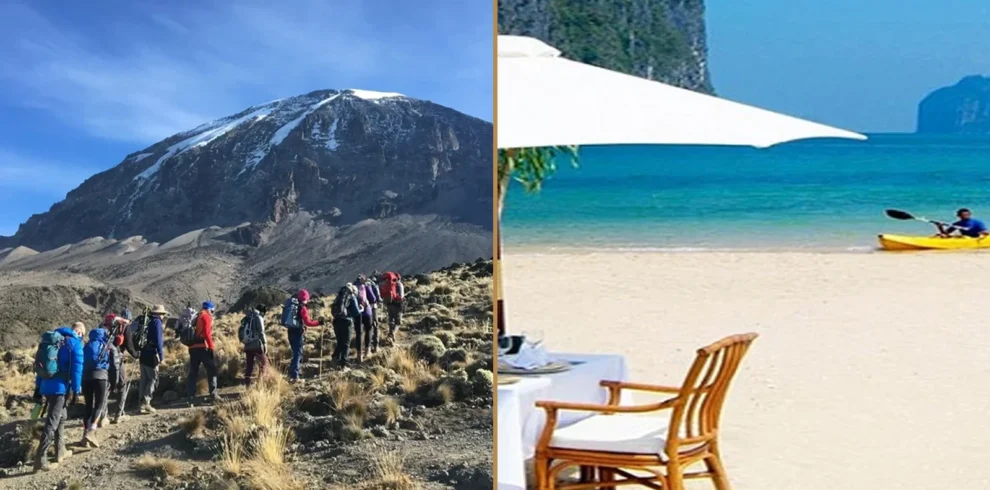
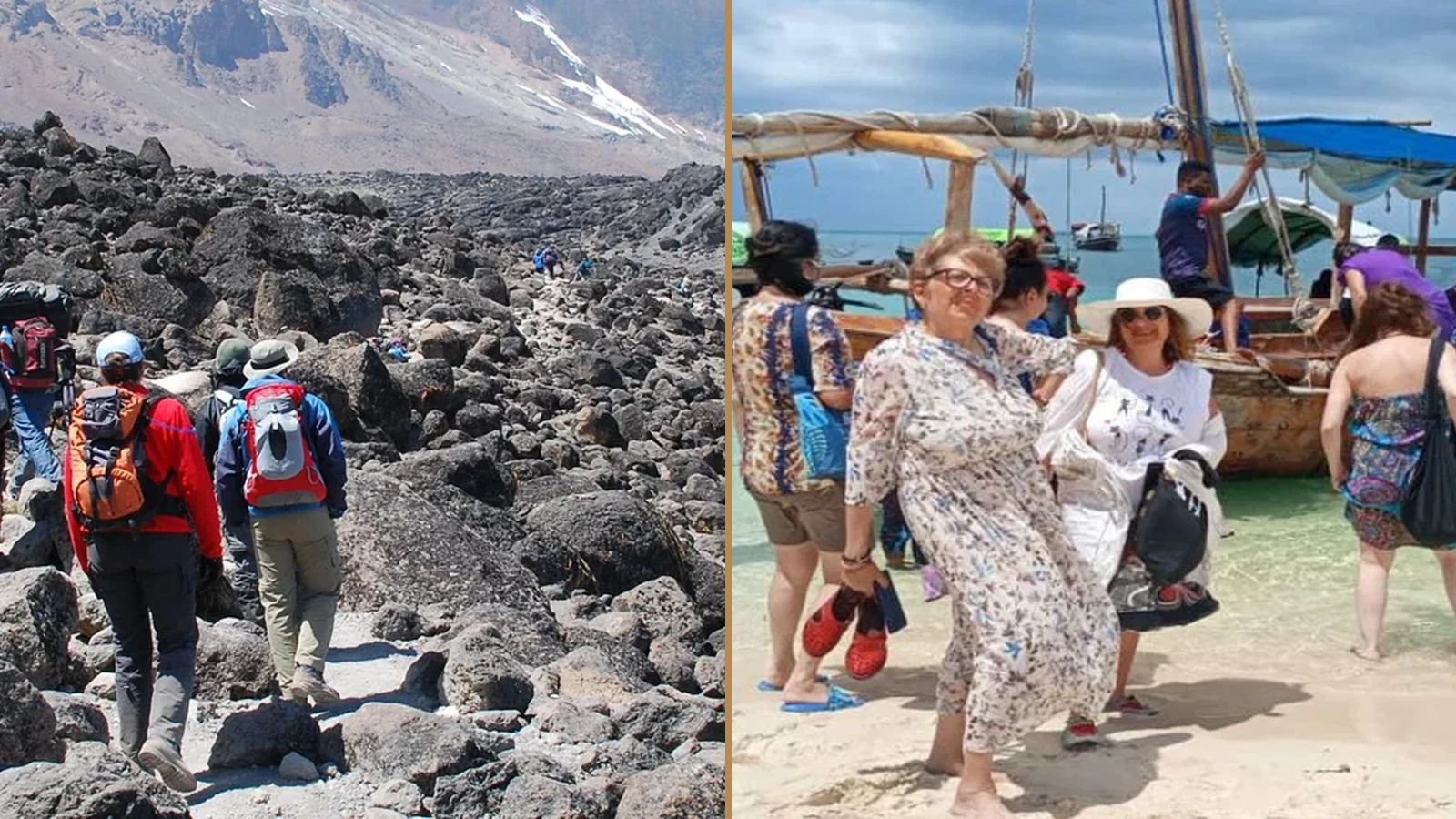
Kilimanjaro delivers rainforest, moorland, alpine desert and the summit challenge; Zanzibar then gives the body and mind a completely different rhythm with beaches, warm weather, island culture and optional marine activities. It is one of the most natural ways to finish a Tanzania climbing holiday.
Explore our Kilimanjaro + Zanzibar guide, Machame Route guide, Kilimanjaro safety information, Zanzibar holidays, Zanzibar honeymoons and Zanzibar beach extensions.
Kilimanjaro Safety and Acclimatization
Altitude affects every traveler differently. Everyday Safaris uses conservative guide-led pacing, health monitoring and route-specific acclimatization, but no itinerary can guarantee a summit. The lead guide can slow the climb, alter timing or stop a summit attempt whenever weather or a climber’s condition creates unacceptable risk.
Recovering in Zanzibar
The island section is intentionally less demanding. Travelers should still allow for general post-climb fatigue, sore legs and dehydration. Beach time, swimming and excursions can be adjusted around how the climber feels. Tides and sea conditions vary by location and should always be respected.
Frequently Asked Questions
Is the Kilimanjaro summit guaranteed?
No. The trip is designed around a summit attempt, but health, weather, pace and guide safety decisions determine whether a climber continues.
Is the flight to Zanzibar included?
Only when it is clearly listed in the final quotation. No domestic airfare is invented in this import.
Can Zanzibar be upgraded to a honeymoon or luxury resort?
Yes. Everyday Safaris can quote different island areas and hotel levels subject to availability.
Is there a fixed public price?
No. Pricing depends on dates, group size, Kilimanjaro route, park fees, Zanzibar hotel category and whether domestic transport is included.
Request Your Kilimanjaro + Zanzibar Quote
Contact Everyday Safaris with your preferred climb dates, route, number of travelers and Zanzibar hotel style for a tailored quotation.
Trek through rainforest from Machame Gate to Machame Camp. After registration, the trail enters dense montane rainforest where humid conditions, roots and mud can make the first climb more demanding than the gradient suggests. The guide establishes a sustainable rhythm before the group reaches higher, drier terrain. Porters move ahead with camp equipment while climbers carry daypacks, rain protection and drinking water. Machame Camp is normally reached near the upper forest and heath transition around 3,000 m. The evening focuses on dry clothing, food, hydration and the first mountain health check.
Climb into heath and moorland and continue across volcanic terrain toward Shira 2 Camp. The route climbs out of rainforest into heath and moorland, crossing rocky ridges as the views become increasingly expansive. When cloud clears, Kibo dominates the skyline while the Shira Plateau opens to the west. This is a meaningful altitude-gain day, so the guide maintains a deliberately slow pace with short, regular breaks. At the Shira camp area, around 3,800 m, temperatures drop quickly after sunset. Warm layers, food, hydration and an evening acclimatization check become part of the routine.
Climb toward Lava Tower at about 4,600 m for altitude exposure before descending to Barranco Camp. This is an important acclimatization stage. The route climbs toward Lava Tower at roughly 4,600 m, giving the body useful exposure to higher altitude before descending again. The guide keeps the pace deliberate and monitors headache, appetite, breathing and energy as the group gains height. Time at the high point is adjusted according to weather and individual condition. Descending to a lower sleeping area supports the climb-high, sleep-lower strategy and usually makes the evening feel more comfortable than the high point of the day.
Climb the Barranco Wall, cross the southern circuit and continue through Karanga to Barafu Camp. This is a long consolidation day before the summit attempt. The day includes the Barranco Wall, a steep hands-on scramble rather than technical rock climbing. Guides manage spacing carefully through narrow sections and exposed-looking steps before the route opens onto the southern slopes. From the top, the trail crosses a sequence of valleys and ridges with dramatic views of Kibo and the southern glaciers when weather is clear. Karanga is an important recovery point before the summit approach, so the afternoon focuses on food, hydration, warm layers and another health assessment.
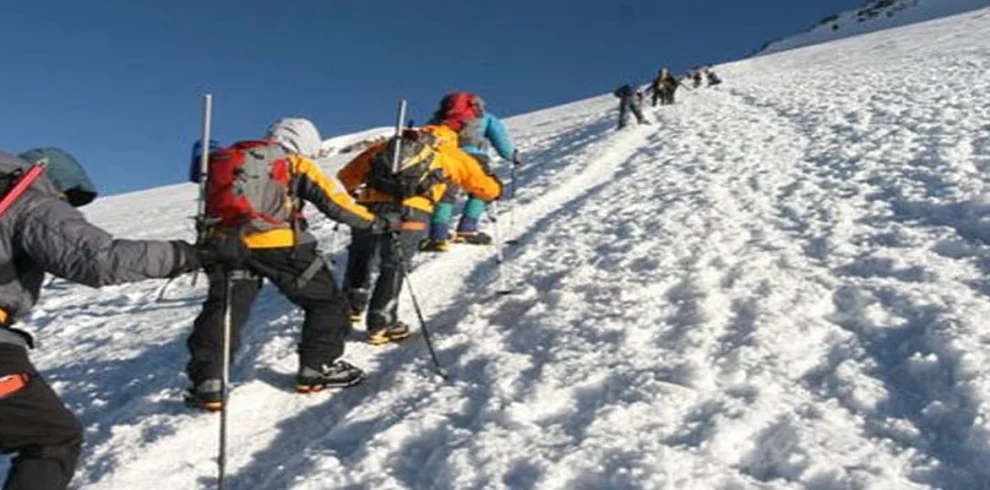
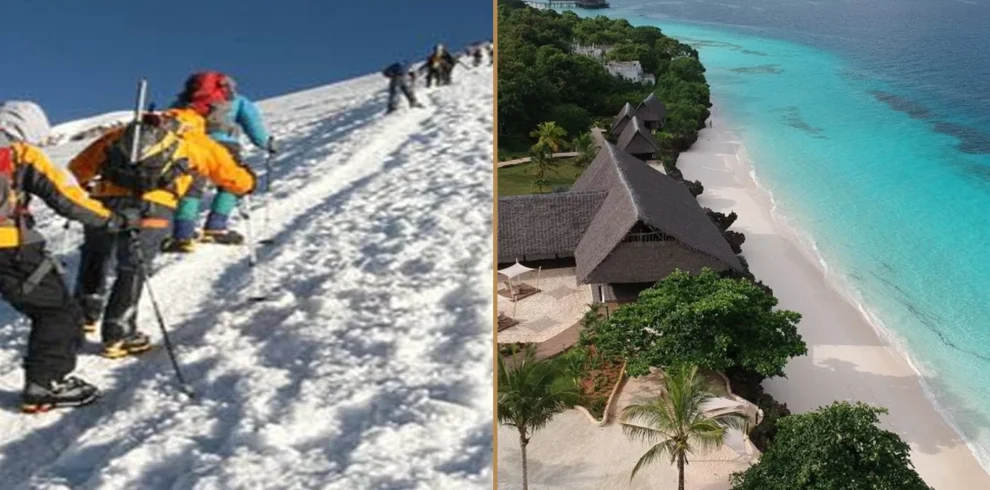
Begin the summit ascent at night, continue through Stella Point to Uhuru Peak when safe, then descend through Barafu to Mweka Camp. The summit attempt normally begins late at night or around midnight. Headlamps mark a slow line up steep volcanic terrain toward the crater rim before the final approach to Uhuru Peak at 5,895 m. Reaching the summit depends on weather, pace and individual altitude response, and the lead guide can order a turnaround at any stage. After a brief summit stop, the team descends back through the high camp and continues much lower for recovery. The combination of ascent and long descent makes this the most physically and mentally demanding day of the expedition.
Descend through rainforest to Mweka Gate and transfer back to Arusha. The final descent returns to richer vegetation as the trail drops into Kilimanjaro’s montane rainforest. Breathing usually becomes easier as altitude falls, but tired legs, roots and slippery ground still require concentration. The team stays together to Mweka Gate, where park exit procedures are completed and the mountain portion of the trip officially ends. After meeting the transfer vehicle, guests can change into dry travel clothes and return to Arusha or continue with a pre-arranged safari or Zanzibar extension.
After breakfast and the end of the mainland section, transfer to the confirmed airport or departure point for the journey to Zanzibar. The domestic flight or ferry connection is included only when specifically stated in the final quotation. On arrival in Zanzibar, meet the local representative and transfer to the confirmed hotel or beach resort. Check in and keep the remainder of the day deliberately light, allowing time to recover from the mainland journey, walk on the beach or settle into the property. Swimming and marine activities depend on tide, weather and local sea conditions. The confirmed meal plan begins according to the booked hotel and arrival time.
Spend the first full day focused on the north-coast beach environment. Walk along the shore, swim where conditions are safe, use the hotel facilities or simply relax. Depending on the exact hotel location and tide, guests may move between Nungwi and Kendwa by road or enjoy the beach closest to the property. This day is intentionally left without a compulsory excursion so travelers have time to slow down. Optional water sports or spa services are included only when they appear in the final quotation.
Today can include a pre-arranged snorkeling or traditional dhow excursion operated by a licensed local provider, or remain a second free beach day. If a marine activity is confirmed, departure time depends on sea conditions and the operator’s safety decision. The crew provides the practical briefing and required equipment stated in the booking. Coral, turtles, dolphins or other marine life can never be guaranteed and should not be chased or touched. Return to the north-coast hotel with time to relax before the evening.
Use the final full day to enjoy the coast at your own pace. Travelers may choose more beach time, a short locally guided village walk, a seafood lunch, shopping or another pre-booked activity. The program avoids forcing a long cross-island excursion unless the traveler specifically wants one, preserving the relaxed character of a beach holiday. Any cultural visit should be arranged respectfully, with permission requested before photographing people. Return to the hotel for the final night on the north coast.
After breakfast, enjoy any remaining free time before check-out. The driver collects you for the journey back to Zanzibar airport or ferry terminal, with timing based on the confirmed departure and realistic cross-island travel. Stops are not automatically included unless agreed in advance. The five-day holiday ends at the terminal, or travelers can connect with Stone Town, another Zanzibar beach area or a mainland Tanzania itinerary when this has been separately arranged.