
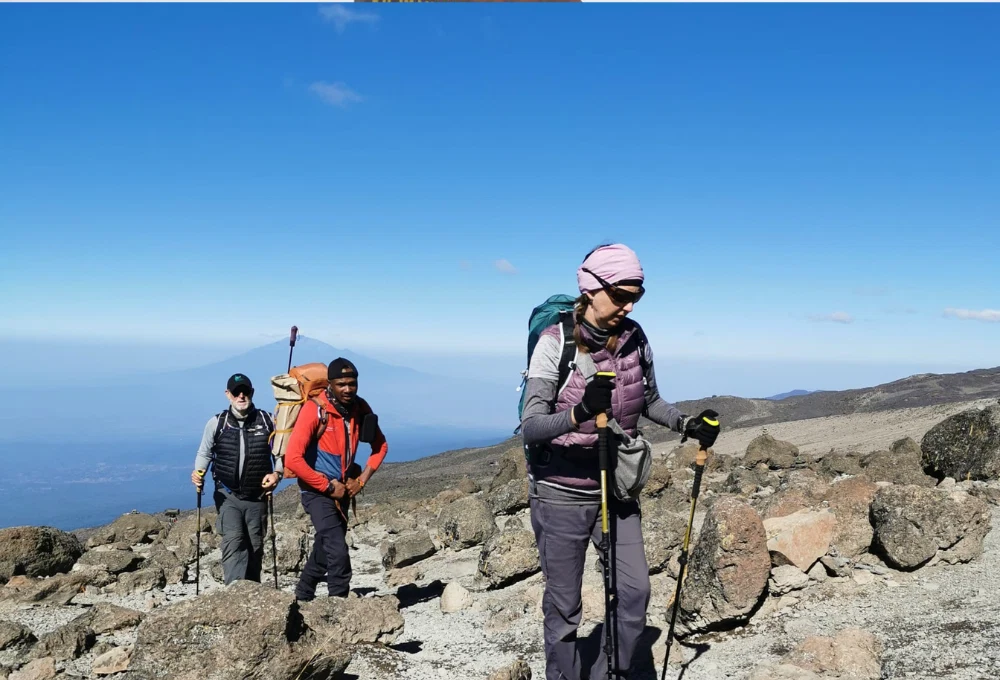
Tipping on Kilimanjaro is normally separate from the basic cost of the climb and is intended as a guest gratuity for guides, assistant guides, cooks and porters after the expedition.
The most important principle is transparency. Travellers should know the crew size, receive the operator’s current tipping guidance and understand how the total will be distributed before the final ceremony. This article focuses specifically on Kilimanjaro tipping guide so you can make the decision without confusing it with a broader destination or route guide.
Start with the broader planning pages—Porter Welfare · Kilimanjaro climbing guide · Responsible Tourism · contact Everyday Safaris · Kilimanjaro preparation guide · Kilimanjaro safety guide—then use this guide to answer the narrower questions that usually appear once a traveller begins comparing real itineraries.
What This Means on the Mountain
Tipping on Kilimanjaro is normally separate from the basic cost of the climb and is intended as a guest gratuity for guides, assistant guides, cooks and porters after the expedition.
Tips should not be treated as a replacement for wages or proper crew treatment. Porter welfare includes loads, meals, shelter, payment systems and health as well as guest gratuities. For wider context, compare this with Porter Welfare so the decision sits inside the complete itinerary rather than being treated as an isolated detail.
The most useful planning question is not simply “what is normal?” but “what will this mean on my exact trip?” Route length, season, private or shared arrangements, accommodation and travel sequence can change the answer. That is why the final itinerary should also be read alongside Responsible Tourism before you travel.
How It Changes the Trek
The most important principle is transparency. Travellers should know the crew size, receive the operator’s current tipping guidance and understand how the total will be distributed before the final ceremony.
Group size changes the number of crew members, so a tipping budget that worked for a couple cannot simply be copied to a larger team without checking the actual staffing. For wider context, compare this with Kilimanjaro climbing guide so the decision sits inside the complete itinerary rather than being treated as an isolated detail.
The most useful planning question is not simply “what is normal?” but “what will this mean on my exact trip?” Route length, season, private or shared arrangements, accommodation and travel sequence can change the answer. That is why the final itinerary should also be read alongside contact Everyday Safaris before you travel.
The Practical Decisions to Make
Tips should not be treated as a replacement for wages or proper crew treatment. Porter welfare includes loads, meals, shelter, payment systems and health as well as guest gratuities.
Travellers should avoid private side deals that create confusion about distribution unless the operator’s process specifically allows them. A clear group method is easier to account for. For wider context, compare this with Responsible Tourism so the decision sits inside the complete itinerary rather than being treated as an isolated detail.
The most useful planning question is not simply “what is normal?” but “what will this mean on my exact trip?” Route length, season, private or shared arrangements, accommodation and travel sequence can change the answer. That is why the final itinerary should also be read alongside Kilimanjaro preparation guide before you travel.
Common Mistakes to Avoid
Group size changes the number of crew members, so a tipping budget that worked for a couple cannot simply be copied to a larger team without checking the actual staffing.
Currency condition and availability can matter in Tanzania, so ask the operator before arrival which currencies and denominations are practical for the final tipping process. For wider context, compare this with contact Everyday Safaris so the decision sits inside the complete itinerary rather than being treated as an isolated detail.
The most useful planning question is not simply “what is normal?” but “what will this mean on my exact trip?” Route length, season, private or shared arrangements, accommodation and travel sequence can change the answer. That is why the final itinerary should also be read alongside Kilimanjaro safety guide before you travel.
How Guides Manage It in the Field
Travellers should avoid private side deals that create confusion about distribution unless the operator’s process specifically allows them. A clear group method is easier to account for.
Tipping on Kilimanjaro is normally separate from the basic cost of the climb and is intended as a guest gratuity for guides, assistant guides, cooks and porters after the expedition. For wider context, compare this with Kilimanjaro preparation guide so the decision sits inside the complete itinerary rather than being treated as an isolated detail.
The most useful planning question is not simply “what is normal?” but “what will this mean on my exact trip?” Route length, season, private or shared arrangements, accommodation and travel sequence can change the answer. That is why the final itinerary should also be read alongside Porter Welfare before you travel.
What to Confirm Before You Travel
Currency condition and availability can matter in Tanzania, so ask the operator before arrival which currencies and denominations are practical for the final tipping process.
The most important principle is transparency. Travellers should know the crew size, receive the operator’s current tipping guidance and understand how the total will be distributed before the final ceremony. For wider context, compare this with Kilimanjaro safety guide so the decision sits inside the complete itinerary rather than being treated as an isolated detail.
The most useful planning question is not simply “what is normal?” but “what will this mean on my exact trip?” Route length, season, private or shared arrangements, accommodation and travel sequence can change the answer. That is why the final itinerary should also be read alongside Kilimanjaro climbing guide before you travel.
Kilimanjaro tipping guide: Planning Table
| Factor | How to think about it |
|---|---|
| Main consideration | The most important principle is transparency. Travellers should know the crew size, receive the operator’s current tipping guidance and understand how the total will be distributed before the final ceremony. |
| What changes in practice | Tips should not be treated as a replacement for wages or proper crew treatment. Porter welfare includes loads, meals, shelter, payment systems and health as well as guest gratuities. |
| What to ask before booking | Group size changes the number of crew members, so a tipping budget that worked for a couple cannot simply be copied to a larger team without checking the actual staffing. |
| What not to assume | Travellers should avoid private side deals that create confusion about distribution unless the operator’s process specifically allows them. A clear group method is easier to account for. |
Keep the itinerary realistic
Currency condition and availability can matter in Tanzania, so ask the operator before arrival which currencies and denominations are practical for the final tipping process. A strong Tanzania itinerary leaves enough room for the guide to respond to the mountain, wildlife, road, tide or weather conditions instead of forcing every day to match an inflexible timetable.
Detailed Planning Notes
Planning point: Kilimanjaro porter tips
Tipping on Kilimanjaro is normally separate from the basic cost of the climb and is intended as a guest gratuity for guides, assistant guides, cooks and porters after the expedition.
For a traveller researching Kilimanjaro tipping guide, the value of this point is that it affects the experience after booking, not only the sales description. Discuss it before paying a deposit, then check it again in the final briefing so expectations match the actual operating plan.
Field reality: how much to tip Kilimanjaro guides
The most important principle is transparency. Travellers should know the crew size, receive the operator’s current tipping guidance and understand how the total will be distributed before the final ceremony.
For a traveller researching Kilimanjaro tipping guide, the value of this point is that it affects the experience after booking, not only the sales description. Discuss it before paying a deposit, then check it again in the final briefing so expectations match the actual operating plan.
Traveller decision: Kilimanjaro tipping ceremony
Tips should not be treated as a replacement for wages or proper crew treatment. Porter welfare includes loads, meals, shelter, payment systems and health as well as guest gratuities.
For a traveller researching Kilimanjaro tipping guide, the value of this point is that it affects the experience after booking, not only the sales description. Discuss it before paying a deposit, then check it again in the final briefing so expectations match the actual operating plan.
Practical detail: Kilimanjaro crew gratuities
Group size changes the number of crew members, so a tipping budget that worked for a couple cannot simply be copied to a larger team without checking the actual staffing.
For a traveller researching Kilimanjaro tipping guide, the value of this point is that it affects the experience after booking, not only the sales description. Discuss it before paying a deposit, then check it again in the final briefing so expectations match the actual operating plan.
Expectation to keep realistic: Kilimanjaro porter tips
Travellers should avoid private side deals that create confusion about distribution unless the operator’s process specifically allows them. A clear group method is easier to account for.
For a traveller researching Kilimanjaro tipping guide, the value of this point is that it affects the experience after booking, not only the sales description. Discuss it before paying a deposit, then check it again in the final briefing so expectations match the actual operating plan.
Useful question: how much to tip Kilimanjaro guides
Currency condition and availability can matter in Tanzania, so ask the operator before arrival which currencies and denominations are practical for the final tipping process.
For a traveller researching Kilimanjaro tipping guide, the value of this point is that it affects the experience after booking, not only the sales description. Discuss it before paying a deposit, then check it again in the final briefing so expectations match the actual operating plan.
Practical Checklist Before You Book
- Read the exact itinerary rather than judging only by the title “Kilimanjaro tipping guide”.
- Check the number of days, sleeping locations and transfer sequence.
- Ask which parts depend on weather, altitude, wildlife movement, tides or local operating conditions.
- Confirm what is included in the written quotation and what is optional.
- Use the relevant Everyday Safaris route, destination and safety pages for the wider context.
- Keep enough flexibility for guides to make responsible decisions in the field.
- Test important clothing and equipment before the trip.
- Report health or altitude symptoms honestly to the guide.
Plan this with Everyday Safaris
If Kilimanjaro tipping guide is part of your Tanzania trip, Everyday Safaris can connect it with the right route, safari, Zanzibar stay or transfer sequence without forcing the itinerary to move faster than it should.
Kilimanjaro tipping guide FAQs
Who receives Kilimanjaro tips?
Tipping on Kilimanjaro is normally separate from the basic cost of the climb and is intended as a guest gratuity for guides, assistant guides, cooks and porters after the expedition. The practical answer can still change with the exact itinerary, season, group and current conditions, so use the final Everyday Safaris trip plan as the operational reference.
When are tips given?
The most important principle is transparency. Travellers should know the crew size, receive the operator’s current tipping guidance and understand how the total will be distributed before the final ceremony. The practical answer can still change with the exact itinerary, season, group and current conditions, so use the final Everyday Safaris trip plan as the operational reference.
Are tips part of porter wages?
Tips should not be treated as a replacement for wages or proper crew treatment. Porter welfare includes loads, meals, shelter, payment systems and health as well as guest gratuities. The practical answer can still change with the exact itinerary, season, group and current conditions, so use the final Everyday Safaris trip plan as the operational reference.
How should a group organise tipping?
Group size changes the number of crew members, so a tipping budget that worked for a couple cannot simply be copied to a larger team without checking the actual staffing. The practical answer can still change with the exact itinerary, season, group and current conditions, so use the final Everyday Safaris trip plan as the operational reference.
What should I ask Everyday Safaris before booking this part of a Kilimanjaro trip?
Travellers should avoid private side deals that create confusion about distribution unless the operator’s process specifically allows them. A clear group method is easier to account for. The practical answer can still change with the exact itinerary, season, group and current conditions, so use the final Everyday Safaris trip plan as the operational reference.
Does the exact experience change by route or itinerary?
Currency condition and availability can matter in Tanzania, so ask the operator before arrival which currencies and denominations are practical for the final tipping process. The practical answer can still change with the exact itinerary, season, group and current conditions, so use the final Everyday Safaris trip plan as the operational reference.
Can weather or altitude change the plan?
Tipping on Kilimanjaro is normally separate from the basic cost of the climb and is intended as a guest gratuity for guides, assistant guides, cooks and porters after the expedition. The practical answer can still change with the exact itinerary, season, group and current conditions, so use the final Everyday Safaris trip plan as the operational reference.
What should I prepare before travelling?
The most important principle is transparency. Travellers should know the crew size, receive the operator’s current tipping guidance and understand how the total will be distributed before the final ceremony. The practical answer can still change with the exact itinerary, season, group and current conditions, so use the final Everyday Safaris trip plan as the operational reference.
What is the most important planning point for Kilimanjaro tipping guide?
Tips should not be treated as a replacement for wages or proper crew treatment. Porter welfare includes loads, meals, shelter, payment systems and health as well as guest gratuities. The practical answer can still change with the exact itinerary, season, group and current conditions, so use the final Everyday Safaris trip plan as the operational reference.
What is the most important planning point for Kilimanjaro tipping guide?
Group size changes the number of crew members, so a tipping budget that worked for a couple cannot simply be copied to a larger team without checking the actual staffing. The practical answer can still change with the exact itinerary, season, group and current conditions, so use the final Everyday Safaris trip plan as the operational reference.