
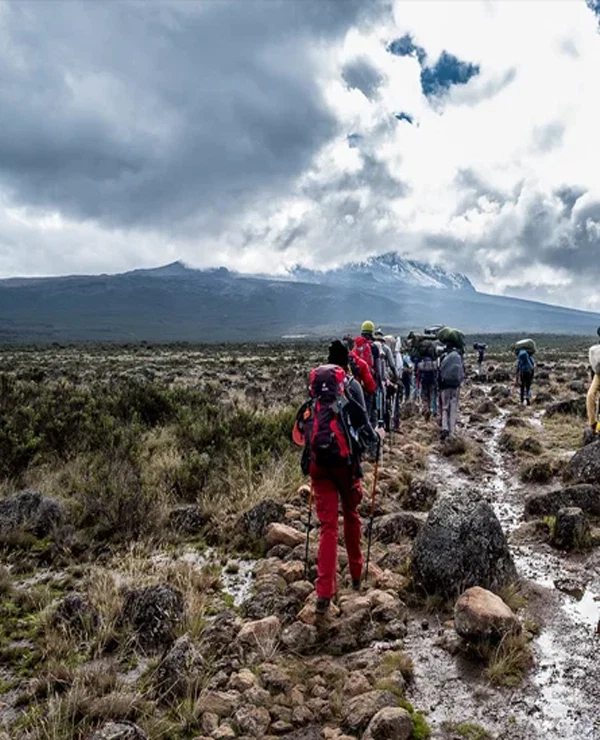
A six-day, seven-day and eight-day Kilimanjaro itinerary can place very different demands on the body even when the route name is similar.
Additional days create more opportunity for gradual ascent, recovery and exposure to altitude before summit night. They do not remove risk, but they can make the pacing less compressed. This article focuses specifically on Kilimanjaro 6 vs 7 vs 8 days so you can make the decision without confusing it with a broader destination or route guide.
Start with the broader planning pages—Kilimanjaro climbing guide · Kilimanjaro routes · altitude and acclimatisation guide · Kilimanjaro Lemosho Route · Kilimanjaro Machame Route · Kilimanjaro Marangu Route—then use this guide to answer the narrower questions that usually appear once a traveller begins comparing real itineraries.
The Real Difference Between the Options
A six-day, seven-day and eight-day Kilimanjaro itinerary can place very different demands on the body even when the route name is similar.
Shorter itineraries can appeal to time-limited travellers, yet the schedule should not be chosen only to reduce cost or annual-leave days. For wider context, compare this with Kilimanjaro climbing guide so the decision sits inside the complete itinerary rather than being treated as an isolated detail.
The most useful planning question is not simply “what is normal?” but “what will this mean on my exact trip?” Route length, season, private or shared arrangements, accommodation and travel sequence can change the answer. That is why the final itinerary should also be read alongside altitude and acclimatisation guide before you travel.
How the Experience Changes Day to Day
Additional days create more opportunity for gradual ascent, recovery and exposure to altitude before summit night. They do not remove risk, but they can make the pacing less compressed.
The route matters because six days on one route is not directly equivalent to six days on another. Compare daily altitude gain, sleeping heights and summit approach. For wider context, compare this with Kilimanjaro routes so the decision sits inside the complete itinerary rather than being treated as an isolated detail.
The most useful planning question is not simply “what is normal?” but “what will this mean on my exact trip?” Route length, season, private or shared arrangements, accommodation and travel sequence can change the answer. That is why the final itinerary should also be read alongside Kilimanjaro Lemosho Route before you travel.
Altitude, Pace and Logistics
Shorter itineraries can appeal to time-limited travellers, yet the schedule should not be chosen only to reduce cost or annual-leave days.
An extra day also changes crew logistics and price, so the final decision is a balance between time, budget and acclimatisation opportunity. For wider context, compare this with altitude and acclimatisation guide so the decision sits inside the complete itinerary rather than being treated as an isolated detail.
The most useful planning question is not simply “what is normal?” but “what will this mean on my exact trip?” Route length, season, private or shared arrangements, accommodation and travel sequence can change the answer. That is why the final itinerary should also be read alongside Kilimanjaro Machame Route before you travel.
Who Each Option Tends to Suit
The route matters because six days on one route is not directly equivalent to six days on another. Compare daily altitude gain, sleeping heights and summit approach.
The correct itinerary is the one that gives the traveller a realistic pace, not simply the shortest option advertised. For wider context, compare this with Kilimanjaro Lemosho Route so the decision sits inside the complete itinerary rather than being treated as an isolated detail.
The most useful planning question is not simply “what is normal?” but “what will this mean on my exact trip?” Route length, season, private or shared arrangements, accommodation and travel sequence can change the answer. That is why the final itinerary should also be read alongside Kilimanjaro Marangu Route before you travel.
What Should Not Decide the Choice
An extra day also changes crew logistics and price, so the final decision is a balance between time, budget and acclimatisation opportunity.
A six-day, seven-day and eight-day Kilimanjaro itinerary can place very different demands on the body even when the route name is similar. For wider context, compare this with Kilimanjaro Machame Route so the decision sits inside the complete itinerary rather than being treated as an isolated detail.
The most useful planning question is not simply “what is normal?” but “what will this mean on my exact trip?” Route length, season, private or shared arrangements, accommodation and travel sequence can change the answer. That is why the final itinerary should also be read alongside Kilimanjaro Northern Circuit Route before you travel.
How to Make the Final Decision
The correct itinerary is the one that gives the traveller a realistic pace, not simply the shortest option advertised.
Additional days create more opportunity for gradual ascent, recovery and exposure to altitude before summit night. They do not remove risk, but they can make the pacing less compressed. For wider context, compare this with Kilimanjaro Marangu Route so the decision sits inside the complete itinerary rather than being treated as an isolated detail.
The most useful planning question is not simply “what is normal?” but “what will this mean on my exact trip?” Route length, season, private or shared arrangements, accommodation and travel sequence can change the answer. That is why the final itinerary should also be read alongside Kilimanjaro preparation guide before you travel.
Kilimanjaro 6 vs 7 vs 8 days: Planning Table
| Factor | How to think about it |
|---|---|
| Main consideration | Additional days create more opportunity for gradual ascent, recovery and exposure to altitude before summit night. They do not remove risk, but they can make the pacing less compressed. |
| What changes in practice | Shorter itineraries can appeal to time-limited travellers, yet the schedule should not be chosen only to reduce cost or annual-leave days. |
| What to ask before booking | The route matters because six days on one route is not directly equivalent to six days on another. Compare daily altitude gain, sleeping heights and summit approach. |
| What not to assume | An extra day also changes crew logistics and price, so the final decision is a balance between time, budget and acclimatisation opportunity. |
Keep the itinerary realistic
The correct itinerary is the one that gives the traveller a realistic pace, not simply the shortest option advertised. A strong Tanzania itinerary leaves enough room for the guide to respond to the mountain, wildlife, road, tide or weather conditions instead of forcing every day to match an inflexible timetable.
Detailed Planning Notes
Planning point: how many days for Kilimanjaro
A six-day, seven-day and eight-day Kilimanjaro itinerary can place very different demands on the body even when the route name is similar.
For a traveller researching Kilimanjaro 6 vs 7 vs 8 days, the value of this point is that it affects the experience after booking, not only the sales description. Discuss it before paying a deposit, then check it again in the final briefing so expectations match the actual operating plan.
Field reality: 7 day Kilimanjaro climb
Additional days create more opportunity for gradual ascent, recovery and exposure to altitude before summit night. They do not remove risk, but they can make the pacing less compressed.
For a traveller researching Kilimanjaro 6 vs 7 vs 8 days, the value of this point is that it affects the experience after booking, not only the sales description. Discuss it before paying a deposit, then check it again in the final briefing so expectations match the actual operating plan.
Traveller decision: 8 day Kilimanjaro climb
Shorter itineraries can appeal to time-limited travellers, yet the schedule should not be chosen only to reduce cost or annual-leave days.
For a traveller researching Kilimanjaro 6 vs 7 vs 8 days, the value of this point is that it affects the experience after booking, not only the sales description. Discuss it before paying a deposit, then check it again in the final briefing so expectations match the actual operating plan.
Practical detail: Kilimanjaro climb duration
The route matters because six days on one route is not directly equivalent to six days on another. Compare daily altitude gain, sleeping heights and summit approach.
For a traveller researching Kilimanjaro 6 vs 7 vs 8 days, the value of this point is that it affects the experience after booking, not only the sales description. Discuss it before paying a deposit, then check it again in the final briefing so expectations match the actual operating plan.
Expectation to keep realistic: how many days for Kilimanjaro
An extra day also changes crew logistics and price, so the final decision is a balance between time, budget and acclimatisation opportunity.
For a traveller researching Kilimanjaro 6 vs 7 vs 8 days, the value of this point is that it affects the experience after booking, not only the sales description. Discuss it before paying a deposit, then check it again in the final briefing so expectations match the actual operating plan.
Useful question: 7 day Kilimanjaro climb
The correct itinerary is the one that gives the traveller a realistic pace, not simply the shortest option advertised.
For a traveller researching Kilimanjaro 6 vs 7 vs 8 days, the value of this point is that it affects the experience after booking, not only the sales description. Discuss it before paying a deposit, then check it again in the final briefing so expectations match the actual operating plan.
Practical Checklist Before You Book
- Read the exact itinerary rather than judging only by the title “Kilimanjaro 6 vs 7 vs 8 days”.
- Check the number of days, sleeping locations and transfer sequence.
- Ask which parts depend on weather, altitude, wildlife movement, tides or local operating conditions.
- Confirm what is included in the written quotation and what is optional.
- Use the relevant Everyday Safaris route, destination and safety pages for the wider context.
- Keep enough flexibility for guides to make responsible decisions in the field.
- Test important clothing and equipment before the trip.
- Report health or altitude symptoms honestly to the guide.
Plan this with Everyday Safaris
If Kilimanjaro 6 vs 7 vs 8 days is part of your Tanzania trip, Everyday Safaris can connect it with the right route, safari, Zanzibar stay or transfer sequence without forcing the itinerary to move faster than it should.
Kilimanjaro 6 vs 7 vs 8 days FAQs
How many days should I climb Kilimanjaro?
A six-day, seven-day and eight-day Kilimanjaro itinerary can place very different demands on the body even when the route name is similar. The practical answer can still change with the exact itinerary, season, group and current conditions, so use the final Everyday Safaris trip plan as the operational reference.
Is 6 days too short?
Additional days create more opportunity for gradual ascent, recovery and exposure to altitude before summit night. They do not remove risk, but they can make the pacing less compressed. The practical answer can still change with the exact itinerary, season, group and current conditions, so use the final Everyday Safaris trip plan as the operational reference.
Why choose 8 days?
Shorter itineraries can appeal to time-limited travellers, yet the schedule should not be chosen only to reduce cost or annual-leave days. The practical answer can still change with the exact itinerary, season, group and current conditions, so use the final Everyday Safaris trip plan as the operational reference.
Does a longer route guarantee summit success?
No. Weather, altitude response, wildlife movement, tides and operating conditions can change. Everyday Safaris can plan around normal patterns, but the final decision in the field must follow safety, park rules and current conditions.
Is there one option that is best for every traveller?
An extra day also changes crew logistics and price, so the final decision is a balance between time, budget and acclimatisation opportunity. The practical answer can still change with the exact itinerary, season, group and current conditions, so use the final Everyday Safaris trip plan as the operational reference.
Should I choose based only on price?
Price matters, but compare the exact itinerary, number of days, private or shared services, accommodation, transport and inclusions. A cheaper option can become poor value if it compresses the trip or removes the part of the experience that matters most to you.
How does itinerary length affect the decision?
A six-day, seven-day and eight-day Kilimanjaro itinerary can place very different demands on the body even when the route name is similar. The practical answer can still change with the exact itinerary, season, group and current conditions, so use the final Everyday Safaris trip plan as the operational reference.
Can Everyday Safaris customise the final route?
Additional days create more opportunity for gradual ascent, recovery and exposure to altitude before summit night. They do not remove risk, but they can make the pacing less compressed. The practical answer can still change with the exact itinerary, season, group and current conditions, so use the final Everyday Safaris trip plan as the operational reference.
What is the most important planning point for Kilimanjaro 6 vs 7 vs 8 days?
Shorter itineraries can appeal to time-limited travellers, yet the schedule should not be chosen only to reduce cost or annual-leave days. The practical answer can still change with the exact itinerary, season, group and current conditions, so use the final Everyday Safaris trip plan as the operational reference.
What is the most important planning point for Kilimanjaro 6 vs 7 vs 8 days?
The route matters because six days on one route is not directly equivalent to six days on another. Compare daily altitude gain, sleeping heights and summit approach. The practical answer can still change with the exact itinerary, season, group and current conditions, so use the final Everyday Safaris trip plan as the operational reference.