Tanzania Honeymoon Safari Planning: Privacy, Pace, Lodges and Zanzibar Extensions
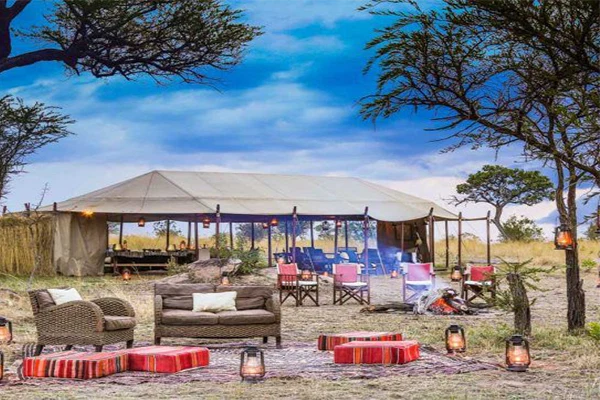
A honeymoon safari works best when privacy and pace are designed into the route rather than added as decorative extras.


A honeymoon safari works best when privacy and pace are designed into the route rather than added as decorative extras.
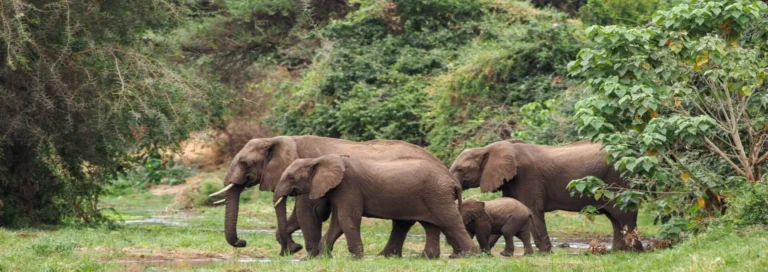
Family safari planning starts with realistic driving time. A route that looks exciting to adults can feel exhausting to children if every day involves a long transfer and late lodge arrival.
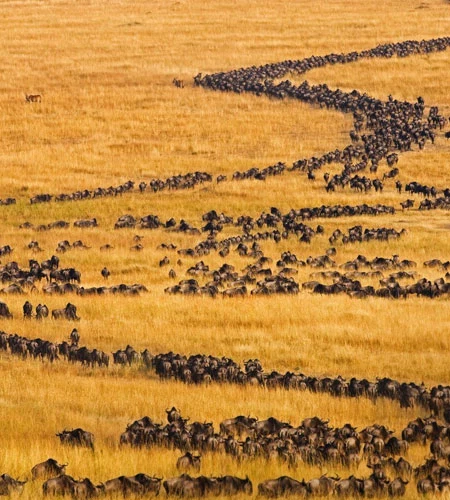
The Great Migration is a continuous movement of wildebeest and other grazers through the Serengeti-Mara ecosystem, not a single event that happens on one guaranteed date.
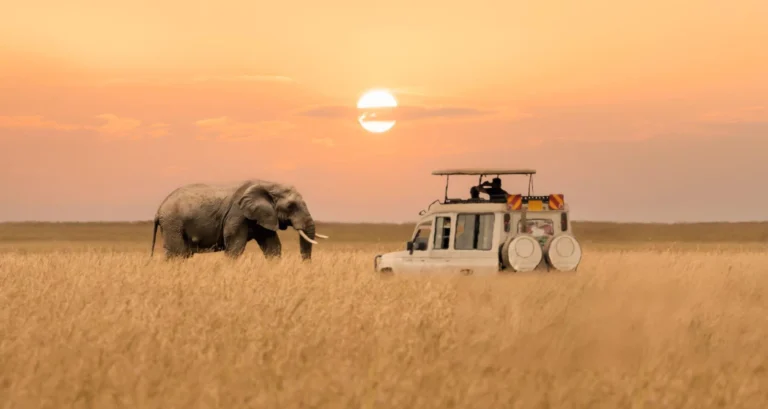
Morning game drives often begin in cooler temperatures and softer light, while afternoon drives can reveal a different rhythm as heat decreases toward evening.
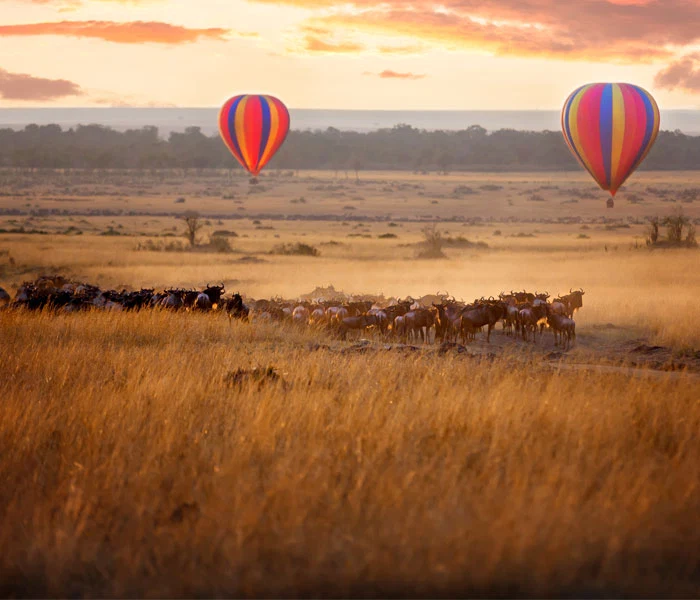
A private safari normally means the booking party has exclusive use of a vehicle and driver-guide, which gives more control over stops, departure times and photography priorities.

Safari clothing should be comfortable for long periods sitting in a vehicle and flexible enough for cool mornings, warm afternoons and dusty conditions.
A three-day Tanzania safari normally requires tight park choices, while five days creates room for a stronger northern-circuit combination and seven or ten days allows slower pacing or more distant sectors.
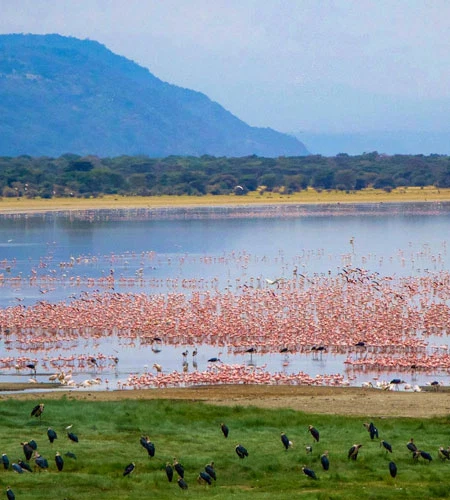
Tarangire is widely associated with baobab landscapes, elephants and the Tarangire River system, while Lake Manyara is a smaller Rift Valley park with groundwater forest, lake-edge habitat and strong birdlife.
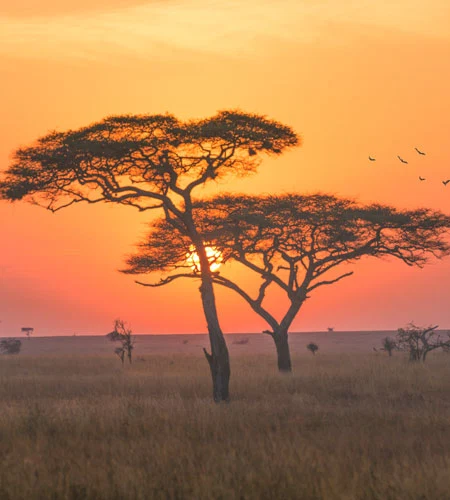
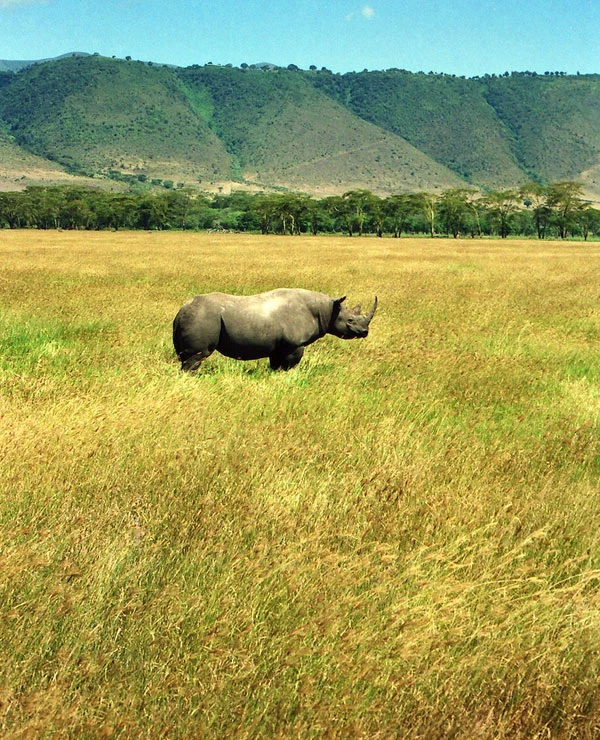
Serengeti is a vast open ecosystem experienced through multiple game drives and regions, while Ngorongoro Crater is a compact caldera visited through a descent to the crater floor.
Two days in Serengeti can give travellers a taste of the park, but a large portion of a short itinerary can be consumed by reaching the relevant sector and moving onward.