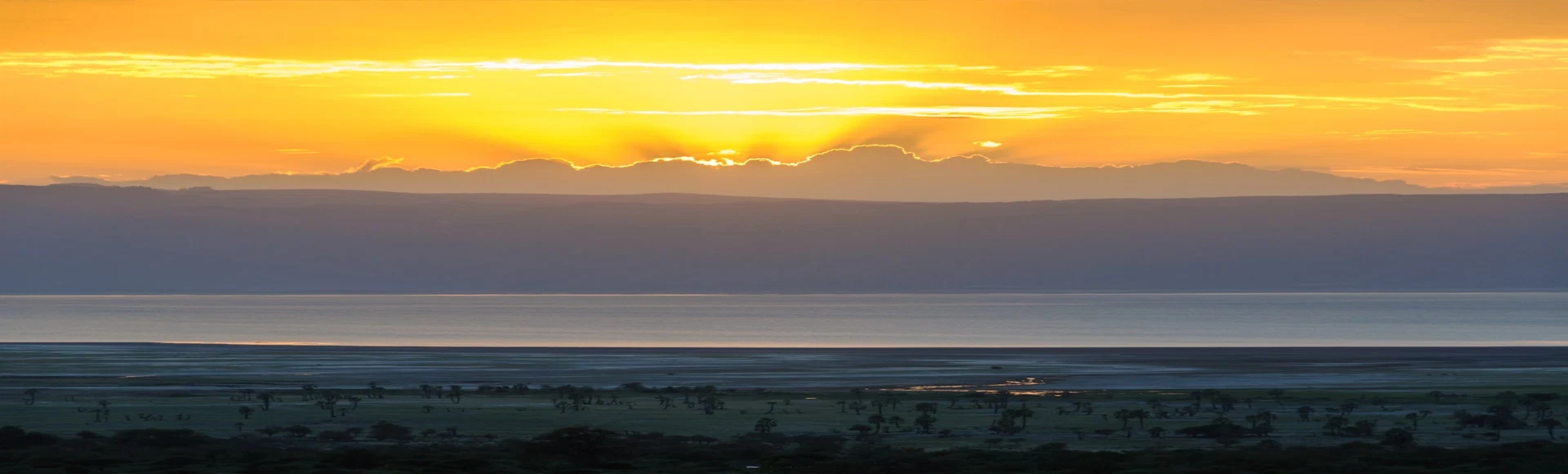
8 Days8-Day Tanzania Northern Circuit and Lake Eyasi Cultural Safari
8-day tanzania northern circuit and lake eyasi cultural safari with Everyday Safaris, private 4x4 game drives, expert local guiding and a tailored…
View Trip Package →

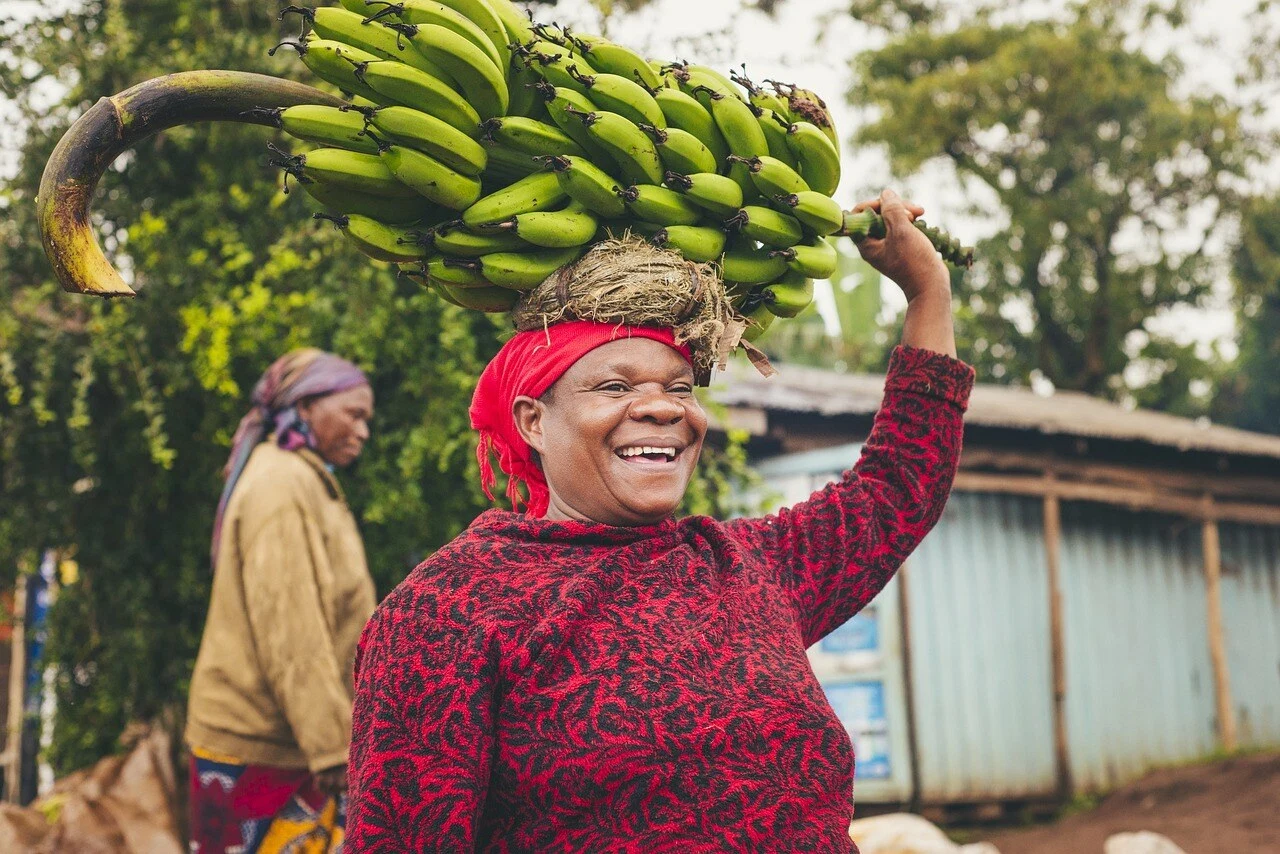
A guided community day built around walking, everyday enterprise, food and local context in the Mto wa Mbu area.
Mto wa Mbu is strongest when the experience moves beyond a single demonstration. Walking through selected parts of town lets a local guide connect farms, small businesses, food, workshops and neighbourhood life into one story. The point is not to treat people as exhibits; it is to understand how a busy northern Tanzania community works and how different livelihoods overlap.
No two community days need to be identical. Host availability, market activity, weather and the confirmed program can change the order. That flexibility is healthy. It allows the guide to use real conditions rather than staging a fixed circuit that ignores what is actually happening in town that day.
These Everyday Safaris itineraries connect naturally with this experience. Compare route and duration, then ask us to tailor the combination around your dates and travel style.
8 Days8-day tanzania northern circuit and lake eyasi cultural safari with Everyday Safaris, private 4x4 game drives, expert local guiding and a tailored…
View Trip Package →
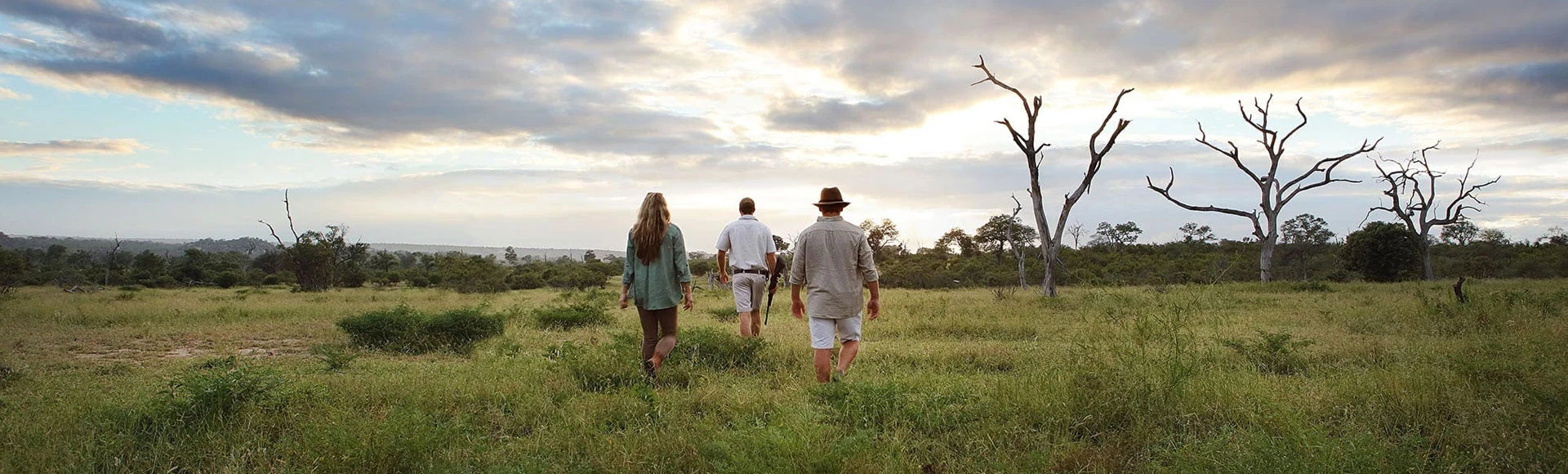
9 Days9-day tanzania wildlife and cultural safari with Everyday Safaris, private 4x4 game drives, expert local guiding and a tailored Tanzania safari quote
View Trip Package →
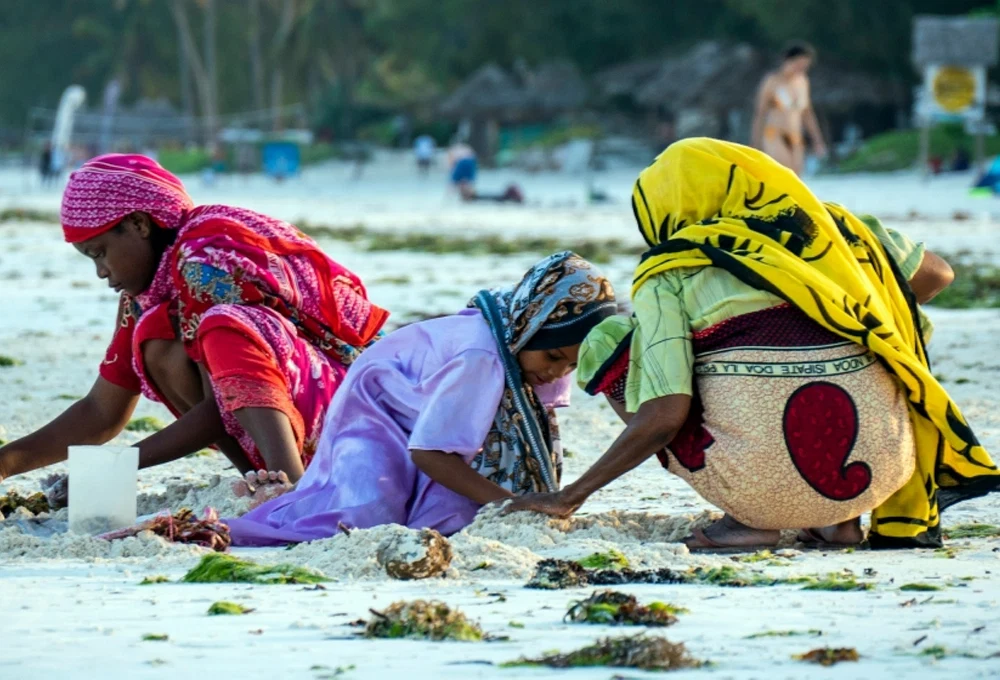
8 Days8-day zanzibar east coast beach and culture holiday with Everyday Safaris, tailored Zanzibar hotels, transfers, beach time and island experiences w…
View Trip Package →
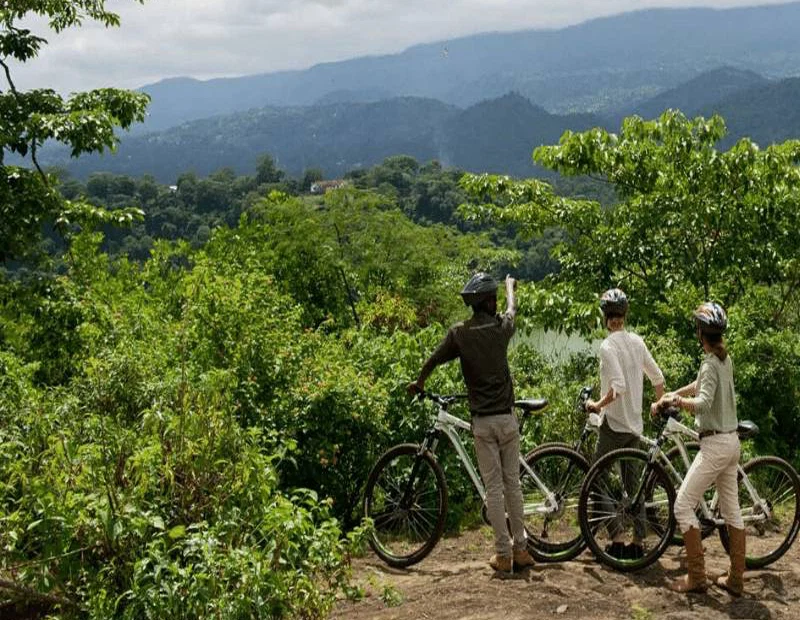
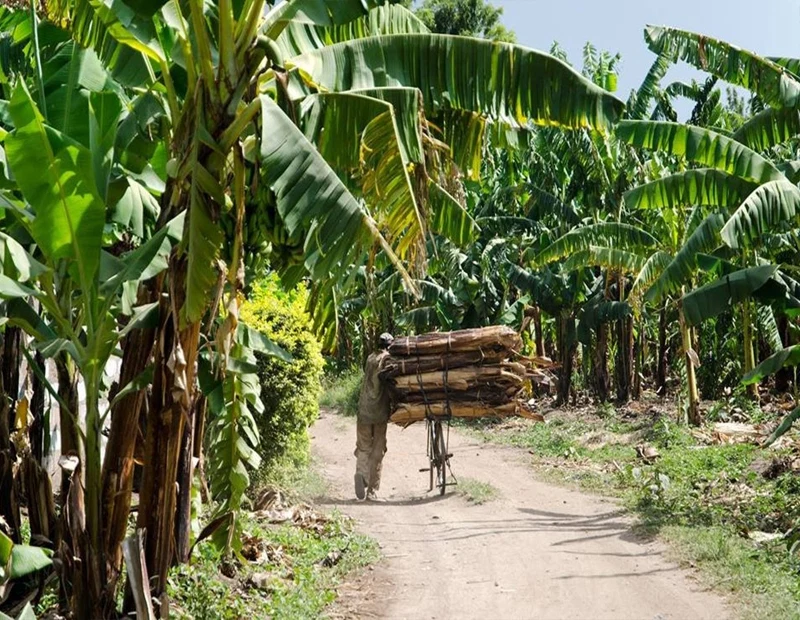
The sequence protects the main experience while leaving the guide enough flexibility for real conditions.
Meet the community guide and agree the day’s walking sequence.
Move through selected areas and learn how land, food and small enterprise connect.
Use the confirmed activities available that day.
Included only where stated in the confirmed program.
Meet the vehicle and continue to Arusha or another confirmed northern-circuit activity.
These are the details that should influence whether this is the right day for your itinerary.
Move through selected neighbourhoods with a guide who can explain context rather than simply point things out.
When included, tasting or a local meal can connect ingredients to the surrounding agricultural landscape.
Small businesses and makers can reveal how local skills become income.
Mto wa Mbu sits naturally within Manyara and northern-circuit planning, making cultural time easier to integrate.

A local meal becomes more interesting when the guide explains ingredients, sourcing and the way food fits daily routines. The experience should not reduce culture to a tasting plate. Farming, trade and household knowledge give the meal a wider story, especially in an area with diverse agricultural activity.
A local meal or tasting becomes more meaningful when travellers understand the ingredients, farming and preparation behind it. The same applies to a market or workshop: context matters more than a quick photograph. Walking shoes, modest practical clothing and a willingness to ask before taking portraits make the day easier. Optional purchases can support local businesses, but they should remain genuine choices rather than an expectation placed on visitors.
The useful facts here are about how this particular experience behaves on the ground, not a generic day-trip template.
Community experiences are shaped by people’s actual schedules. A workshop may be busier at one time of day, a market may change by weekday and a farm visit depends on seasonal work. The guide should adapt the route rather than interrupt normal activity simply to match a rigid tourist timetable.
Community activities should work around real daily life.
A meaningful visit is better than too many shallow stops.
Human interaction needs more flexibility than a rigid tourist clock.
Your final written quotation confirms the exact cost and what applies to your date. The lists below explain the normal structure of this particular day without inventing a public price.
Dress for walking and respectful participation. Keep camera use, purchases and personal gear unobtrusive so the day remains centred on people and place.
You may spend significant time moving through town and community paths.
Useful when visiting homes, farms or community spaces.
Only for optional purchases; never assume purchases are required.
Walking and warm weather can add up.
Permission matters more than getting the shot quickly.
Good questions and respectful listening improve this experience more than a checklist.
These are logical next places when you want the itinerary to change character rather than simply add more hours.
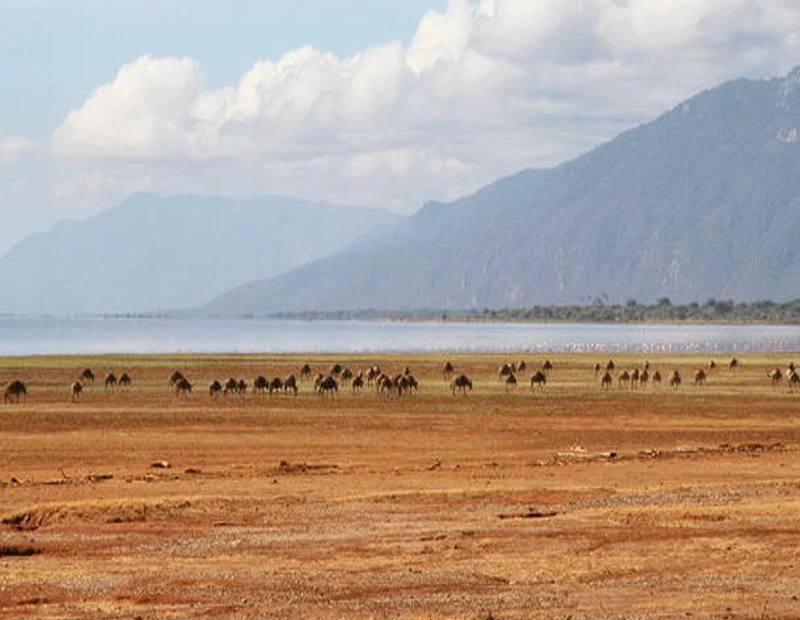
The closest natural wildlife pairing around the Rift Valley.
Explore destination →
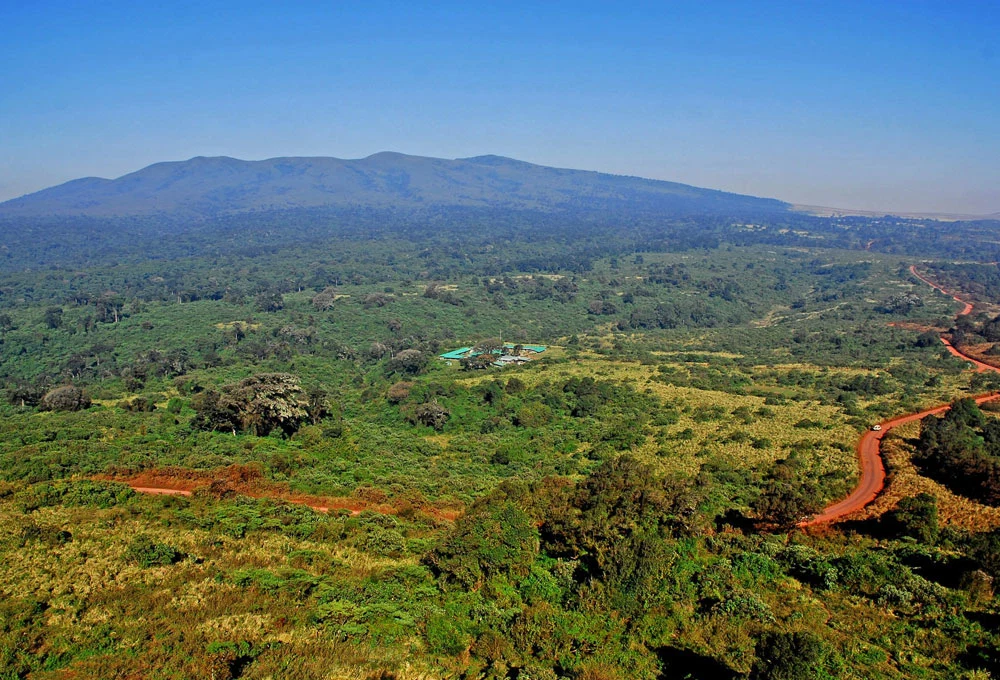
Continue into the highlands after a community-focused day.
Explore destination →
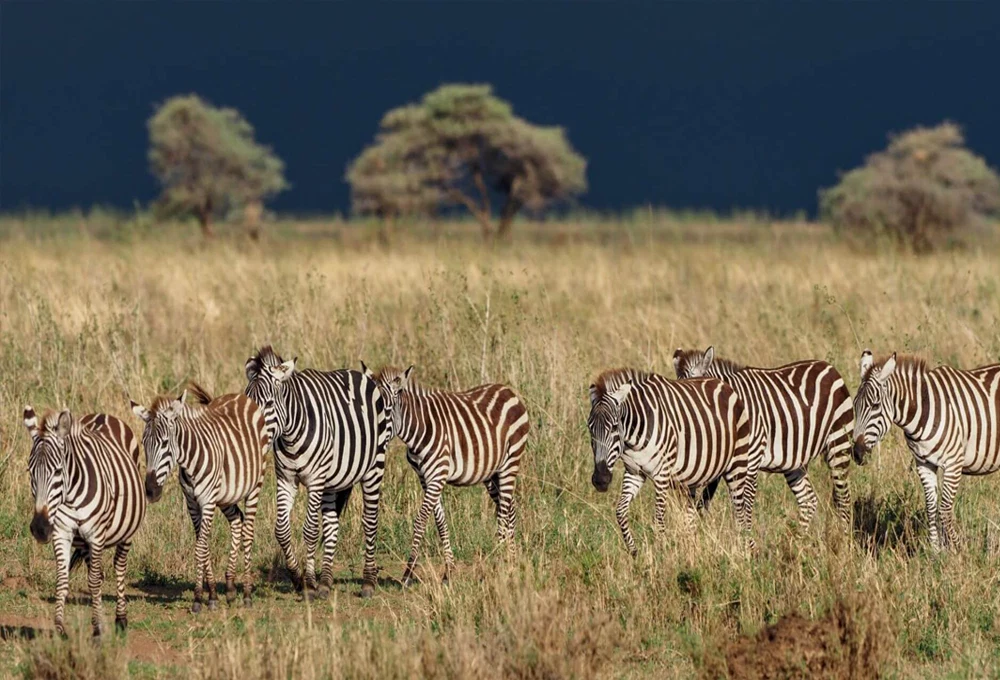
Combine local culture with an elephant-and-baobab safari.
Explore destination →People are not scenery. Ask before taking portraits, respect private spaces and let the local guide decide which homes, farms or workplaces are appropriate to enter. Spend directly with local businesses only where it feels natural, and never pressure a host to repeat an activity for the camera.
Clear answers about markets, food, farms, local guiding, photography and how to experience Mto wa Mbu as a living town rather than a staged attraction.
A market can be an important part of the experience when it fits the day and local schedule, but the exact stops should be confirmed in your itinerary. The point is to understand everyday trade and food culture, not just walk through taking photographs.
Meal arrangements vary by itinerary, so check what is written in your booking. If local food is important to you, ask for it specifically so enough time is protected for the experience.
The town brings together farming, food, markets, small enterprise and communities from different backgrounds. A good local guide helps connect those pieces so the day feels coherent rather than like a random list of stops.
That depends on the confirmed route and host availability. When included, these visits are most useful when they explain how people work and produce food rather than turning private workplaces into photo sets.
Expect some walking if your route includes markets, neighbourhoods, farms or workshops. Wear comfortable shoes and tell the guide in advance about mobility limits so the route can be realistic.
No. Ask before taking close photographs of people, homes or work spaces. Your guide can help you understand when photography is welcome and when it is better to keep the camera down.
Yes for many families, especially children interested in food, markets and everyday life. The day works best when the guide keeps the pace conversational rather than trying to cover too many stops.
Choose comfortable, modest clothing suitable for walking through a working town and community spaces. Sun protection and a light rain layer can also be useful depending on the season.
Give the experience enough time for conversation and movement between stops. A rushed schedule can turn meaningful interactions into quick demonstrations, which defeats the purpose of the visit.
Lake Manyara is the most natural nearby wildlife pairing, while Ngorongoro and Tarangire can fit into a broader northern-circuit itinerary. Keep the cultural visit substantial enough that it does not become only a roadside break.
Compare timing, experience details, practical logistics and natural ways to connect this day with a longer Tanzania itinerary.
Use this section to compare the practical choices that shape Mto wa Mbu cultural tour: where the day starts, how the route is paced and what should be confirmed before travel.
The day is defined by real places and activities rather than a generic checklist. These links help travellers explore the parts of the experience that matter most to them.
Conditions change from one date to another. Good planning means understanding season, weather, access and daily timing without turning any natural or community experience into a guarantee.
Transport, clothing, food, fees and physical effort can change how enjoyable the day feels. These planning routes help visitors arrive prepared.
A day trip can stand alone or become one part of a longer Tanzania journey. These combinations point toward real itineraries rather than invented packages.