
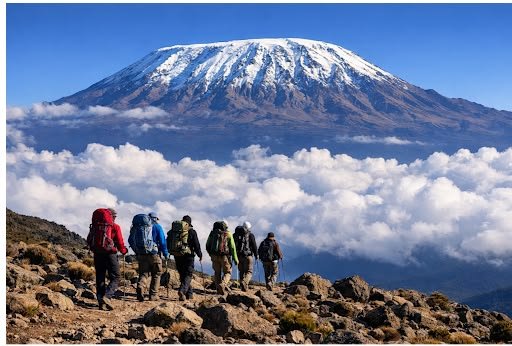
Kilimanjaro summit night is usually the most demanding part of the climb. It combines darkness, freezing temperatures, thin air, steep volcanic terrain and many hours of slow movement before sunrise. The goal is Uhuru Peak at 5,895 metres, but a safe summit attempt depends on much more than determination: the route you chose, how well you acclimatised, how you feel at high camp, the weather, your equipment and the decisions of your mountain guide all matter.
This guide explains what summit night actually feels like, what happens before departure, how to organise your equipment, what your guide is watching for and why turning back can sometimes be the correct decision. It is designed to work alongside the main Kilimanjaro climbing guide, the preparation guide, the packing list and Everyday Safaris’ dedicated Kilimanjaro safety page.
What Is Kilimanjaro Summit Night?
Summit night is the final high-altitude ascent toward Kilimanjaro’s crater rim and Uhuru Peak. It is called summit night because the climb normally begins while it is still dark. The early start gives the team enough time to reach the upper mountain, attempt the summit when conditions permit and complete the long descent to a substantially lower sleeping altitude later the same day.
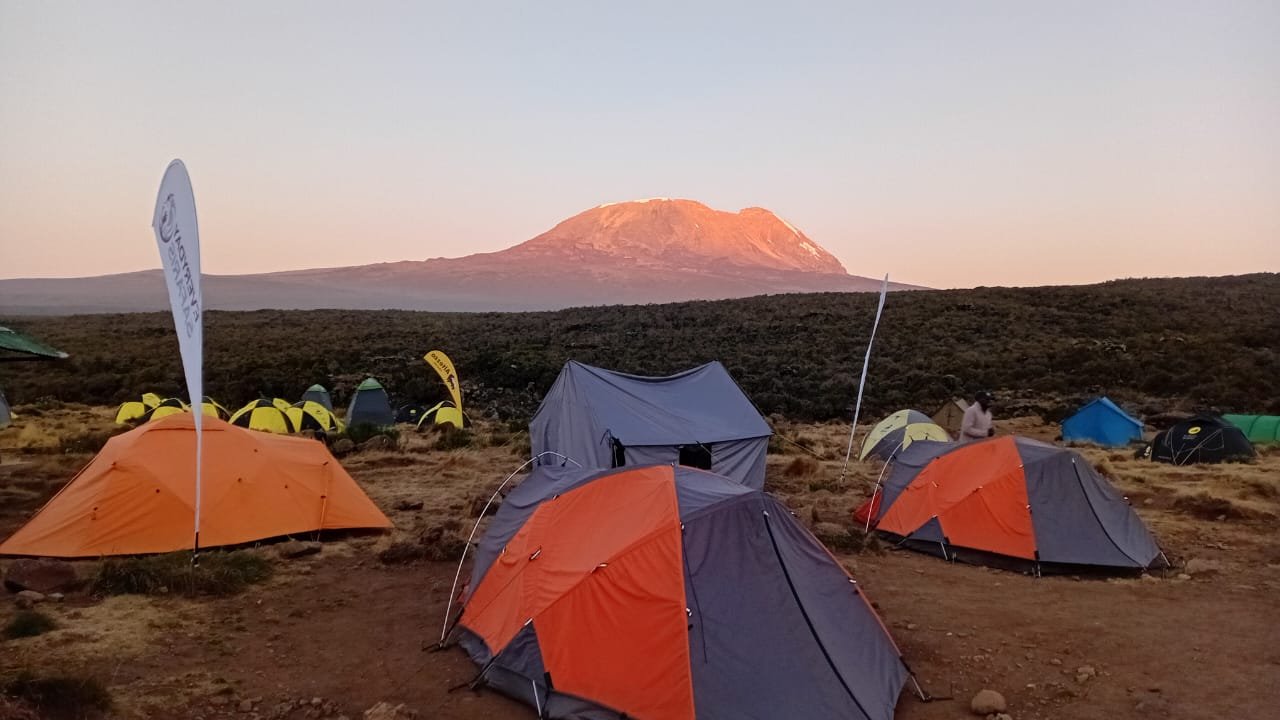
The exact route varies. Climbers on Machame and Lemosho normally prepare from the southern high-camp system around Barafu before climbing toward Stella Point and Uhuru Peak. The Northern Circuit usually approaches the summit from the eastern side through School Hut. Marangu uses the Kibo Hut approach toward Gilman’s Point. Whichever route you choose, the combination of altitude, cold, darkness and cumulative fatigue makes this stage very different from an ordinary trekking day.
It is also important to understand that summit night is not isolated from the rest of the climb. A traveller cannot compensate for a rushed itinerary by becoming more determined on the final night. Your previous days on the mountain—how gradually you gained altitude, how you slept, ate, hydrated and responded to the elevation—shape the quality and safety of the summit attempt. This is why the altitude and acclimatisation strategy matters long before you put on your headlamp.

What Happens Before Summit Night?
For most climbers, the summit attempt begins with a deliberately quiet afternoon at high camp. The distance from the previous camp may not look dramatic on a map, but the air is thinner and even simple tasks can feel slower. The aim is not to spend the afternoon walking around unnecessarily. The priorities are food, fluid, warmth, equipment preparation, a guide briefing and as much rest as possible.
1. The guide reviews how you are feeling
Your guide needs an honest picture of your condition. Headache, nausea, dizziness, unusual fatigue, loss of appetite, poor coordination or breathlessness that feels out of proportion to the effort should not be hidden. Strong hikers can still develop altitude problems. Fitness does not create immunity from acute mountain sickness.
Everyday Safaris’ safety approach places guide judgement and symptom reporting ahead of summit pressure. A climber who tells the truth early gives the team more options than someone who hides symptoms until they become serious.
2. You organise every layer before resting
Do not wait until departure time to search for batteries, gloves or a missing neck gaiter. Lay out your clothing in the order you expect to use it. Check the headlamp, place spare batteries where they are easy to reach, prepare water so it is protected from freezing conditions and make sure essential snacks are accessible without unpacking your entire bag.
3. You eat even if altitude has reduced your appetite
Many climbers do not feel hungry at high camp, yet summit night demands energy. Eat what you can tolerate, drink steadily and follow the guide’s instructions. The objective is not to force an enormous meal; it is to avoid beginning the hardest stage of the climb already depleted.
4. The team briefs the summit plan
The guide normally explains departure timing, expected pace, group organisation, rest stops, clothing, the likely crater-rim point for the route and what will happen if someone needs to descend. This is the time to clarify anything you do not understand.
What Does the Summit-Night Timeline Feel Like?
No two summit attempts are identical. Weather, group pace, route, trail conditions and individual altitude response can change timing. The table below is therefore a planning framework rather than a promise.
| Stage | What it usually feels like | What matters most |
|---|---|---|
| High-camp evening | Cold, quiet and often difficult to sleep deeply at altitude. | Eat, hydrate, organise equipment and rest. |
| Late evening / around midnight | Dark departure, slow pace, headlamps and cold air. | Layering, patience and staying with the guide’s rhythm. |
| Upper slopes | Long, repetitive climbing where altitude can make each step feel disproportionately hard. | Small steps, controlled breathing and honest symptom reporting. |
| Crater rim | A major milestone, but not always the end of the ascent. | Guide assessment, weather, energy and decision-making. |
| Uhuru Peak | Brief summit stop when safe and conditions allow. | Warmth, photos without excessive delay and preparation to descend. |
| Long descent | Tired legs, loose terrain and a major drop in altitude. | Footing, food, fluid, concentration and pacing. |
The biggest surprise for many first-time climbers is how slowly the group moves. Summit night is not the time to prove your fitness by walking fast. A deliberate “pole pole” pace conserves energy and gives the guide a better chance to observe how each climber is coping.
What Should You Wear and Carry on Kilimanjaro Summit Night?
The correct system is based on layers rather than one extremely heavy item. Conditions can change as the group climbs and later descends, so clothing needs to be adjustable. Your final kit should follow the full Kilimanjaro packing list supplied for your trip, but summit-night essentials normally include the following categories.
- Moisture-managing base layers for your upper and lower body.
- Warm mid-layers such as fleece or an insulated layer.
- A substantial insulated jacket suitable for very cold high-altitude conditions.
- Windproof and waterproof outer protection.
- Warm trekking trousers or layered lower-body insulation.
- Insulated gloves plus a backup or liner system.
- Warm hat and neck protection.
- Reliable, already-tested trekking boots and warm socks.
- Headlamp with spare batteries.
- Water protected against freezing as much as practical.
- Accessible high-energy snacks you know you can eat.
- Trekking poles if they form part of your normal mountain system.
A common mistake is wearing every layer too early and becoming sweaty before the coldest part of the climb. Another is carrying critical gear deep inside a bag where it cannot be reached easily. Test the full clothing system before Tanzania if possible and use your training walks to learn how your body responds to different combinations.
Altitude, Pacing and Symptoms on Summit Night
Uhuru Peak stands at 5,895 metres. At that elevation, the reduced oxygen availability affects even very fit people. The correct question is not “Am I strong enough to ignore altitude?” but “How is my body responding right now?”
Acclimatisation is the body’s process of adapting to increasing elevation. Longer itineraries generally provide more opportunity for gradual adjustment than compressed climbs, which is one reason route duration should be considered when you compare the Kilimanjaro routes.
Mild symptoms do not automatically mean every climb must end immediately, but worsening or serious symptoms require conservative decisions. Everyday Safaris’ safety material emphasises that confusion, loss of coordination or severe breathlessness at rest are emergency warning signs. Climbers should report symptoms rather than trying to hide them in order to protect a summit goal.
The summit is optional. A safe descent is not.
Reaching Uhuru Peak is never more important than getting the climber and mountain team down safely. If the guide tells you to descend, that instruction is part of responsible expedition management—not a judgement about your courage or fitness.
When Might a Guide Turn a Climber Around?
A turnaround decision can be frustrating, especially after months of training and several days on the mountain. It is still one of the most important responsibilities of a professional guide. Possible reasons include worsening altitude symptoms, loss of coordination, unusual confusion, severe exhaustion, dangerous weather, an injury or a pace that makes continuing unsafe for the climber or group.
The lead guide sees more than a single complaint. They watch how you walk, speak, eat, respond to questions and recover during stops. They also consider the weather, time, route position and whether adequate staff are available to accompany a climber down without compromising the rest of the group.
This is why choosing a company based only on a promised summit percentage is a poor safety strategy. Responsible mountain operations should be willing to lose a summit attempt rather than lose control of the risk. For more detail, read the Everyday Safaris Safety & Standards page and the dedicated Kilimanjaro Safety guide.
Why the Descent Still Requires Concentration
Reaching the summit or crater rim can create a strong emotional release, but the day is not over. The descent is long, and tired legs must manage loose volcanic terrain before the team continues toward a much lower camp. The drop in altitude is usually welcome, yet fatigue can make simple footing mistakes more likely.
Trekking poles can help some climbers, but technique and controlled movement matter more than rushing. Keep eating and drinking, adjust layers as temperatures rise and listen to the guide when the group regroups. The safest descent is not necessarily the fastest one.
By the time you reach the lower sleeping camp, you may have been active for many hours. Recovery becomes the priority: change into dry clothing, eat, hydrate and sleep. If your Tanzania holiday continues into a Kilimanjaro + safari itinerary or a Kilimanjaro + Zanzibar journey, do not assume the body instantly resets after the mountain. Build the next stage around how you actually feel.
How Summit Night Differs by Kilimanjaro Route
Lemosho and Machame
Lemosho and Machame normally approach from the southern circuit and use the Barafu sector as the main summit base. Longer versions of these routes allow more time before summit night than their shortest variants.
Northern Circuit
The Northern Circuit spends more time traversing around the mountain and normally approaches from School Hut. It is often considered by climbers who want a longer acclimatisation schedule and a different mountain perspective.
Marangu
The Marangu Route uses hut accommodation and normally attempts the summit from Kibo Hut toward Gilman’s Point before continuing toward Uhuru Peak when the climber’s condition and timing allow.
No route makes the final altitude easy. A longer approach can improve the acclimatisation opportunity, but weather, personal altitude response, preparation and guide decisions still matter on every route.
How to Prepare Mentally for Summit Night
The mental challenge often comes from repetition. In darkness, you may see only the boots in front of you and a line of headlamps above. Progress can feel slow. Instead of thinking constantly about the summit, reduce the task to manageable pieces: stay with the guide’s pace, breathe, take the next steps, drink when instructed and deal with the next small decision.
It also helps to redefine success before the trip. The ideal outcome is a safe summit and safe descent. But if your body does not tolerate the altitude on that particular expedition, turning around can still be the right outcome. A mountain does not become safer because the traveller spent more money, trained longer or travelled farther to reach Tanzania.
Final Summit-Night Checklist
- Your headlamp works and spare batteries are accessible.
- Your warm layers are organised in a logical order.
- Your gloves, hat and neck protection are easy to reach.
- Your water and snacks are prepared.
- You have eaten and hydrated as well as you reasonably can.
- You have reported any headache, nausea, dizziness, breathing issue or unusual weakness to the guide.
- You understand the planned crater-rim approach for your route.
- You understand that the guide can order a turnaround.
- You are mentally prepared for a long descent after the summit attempt.
Planning a Kilimanjaro climb?
Everyday Safaris can help you compare route length, acclimatisation strategy, private or group departures and the practical preparation required before summit night.
Kilimanjaro Summit Night FAQs
What time does Kilimanjaro summit night start?
Departure is commonly late in the evening or around midnight, but exact timing depends on the route, high camp, weather, group pace and guide plan. Your final briefing at high camp should confirm the departure time for your expedition.
How cold is Kilimanjaro summit night?
Conditions can be well below freezing, especially with wind before sunrise. Rather than relying on one temperature prediction, prepare with a full high-altitude layering system, warm gloves, head protection and a windproof or waterproof outer layer.
How long does summit day take?
It is normally the longest and most demanding stage because it combines the overnight ascent with a major descent afterward. Total hours vary by route, pace, conditions and where the group sleeps after descending.
Can beginners handle summit night?
Many first-time high-altitude trekkers climb Kilimanjaro, but summit night remains demanding. Good preparation, a suitable itinerary, appropriate equipment and honest communication with the guide matter more than having prior technical mountaineering experience.
Should I take altitude medication?
Medication decisions should be discussed with a qualified medical professional who understands your health history and the planned altitude. Do not use medication as a substitute for a sensible itinerary, pacing, symptom reporting and guide judgement.
Can I continue if I have a headache?
A headache at altitude should be reported to the guide, especially when combined with nausea, dizziness, unusual fatigue or other symptoms. The guide needs the full picture before deciding whether to rest, continue or descend.
What happens if I cannot continue to Uhuru Peak?
The guide may organise a controlled descent with appropriate crew support while the rest of the group continues if it is safe to do so. The exact response depends on your condition, route position and staffing.
Do all Kilimanjaro routes use Barafu Camp?
No. Machame and Lemosho commonly use the Barafu summit approach, while Northern Circuit usually approaches through School Hut and Marangu uses Kibo Hut.
Is reaching Stella Point or Gilman’s Point the same as Uhuru Peak?
They are important crater-rim points, but Uhuru Peak is the highest point at 5,895 metres. Whether a climber continues from the rim depends on health, conditions, pace and the guide’s decision.
What should I do immediately after the summit?
Keep the summit stop controlled, follow the guide, begin descending and continue eating and drinking as practical. The priority quickly shifts from celebration to a safe descent and recovery at a lower altitude.