11-Day Great Migration Safari and Zanzibar Beach Holiday combines a northern Tanzania wildlife safari with a Zanzibar island holiday in one continuous itinerary. The mainland section delivers Great Migration-focused Serengeti wildlife viewing followed by a north-coast Zanzibar beach holiday, while the Zanzibar section slows the pace with beach time, island culture and optional marine experiences.
This package is designed as a genuine two-part journey rather than two unrelated trips. Safari routing follows park conditions and wildlife movement, while Zanzibar activities depend on weather, tides, sea conditions and local availability. Wildlife, Great Migration events and marine life are never guaranteed.
11-Day Great Migration Safari and Zanzibar Beach Holiday at a Glance
- Total duration: 11 days / 10 nights
- Mainland safari: 6 days
- Zanzibar: 5 days
- Trip focus: Great migration-focused serengeti wildlife viewing followed by a north-coast zanzibar beach holiday
- Pricing: Tailored quotation on request
- Start/finish: Tanzania, according to confirmed arrival and departure points
Why Combine Safari and Zanzibar?
The safari gives travelers early mornings, game drives and wildlife-rich landscapes across northern Tanzania. Zanzibar then changes the rhythm completely, adding Indian Ocean beaches, Stone Town, local culture and time to relax after the road-based safari.
Explore our Safari + Zanzibar guide, Tanzania safaris, Serengeti National Park, Ngorongoro Crater, Zanzibar holidays and Zanzibar beach extensions.
Safari Experience
Everyday Safaris uses experienced local driver-guides and flexible game-drive planning. The exact route depends on the confirmed itinerary, park regulations, road conditions and seasonal wildlife distribution. No species, predator sighting, river crossing or migration event is promised.
Zanzibar Experience
The Zanzibar portion includes only the hotel, transfers and excursions confirmed in the final quotation. Tides can change beach conditions substantially, especially on parts of the East Coast. Snorkeling, dhow trips and other marine activities proceed only when local operators consider conditions safe.
Who Is This Trip Best For?
This combination is ideal for travelers who want serious wildlife viewing on the mainland followed by a slower island finish. It works particularly well for couples, families, honeymooners and first-time Tanzania visitors who want both safari and beach in one holiday.
Frequently Asked Questions
Is the flight to Zanzibar included?
Only when it appears explicitly in the final quotation. The importer does not invent a domestic flight price or airline.
Are wildlife sightings guaranteed?
No. Wildlife moves naturally and all sightings vary with season, habitat, weather and chance.
Can the Zanzibar hotel be changed?
Yes. Everyday Safaris can quote different beach areas and accommodation levels subject to availability.
Is there a fixed public price?
No. The price depends on dates, group size, safari accommodation, park fees, Zanzibar hotel level and whether mainland-to-island transport is included.
Request Your Safari + Zanzibar Quote
Contact Everyday Safaris with your travel dates, number of travelers, preferred safari style and Zanzibar hotel level for a tailored quotation.
Depart Arusha early and travel through the northern highlands toward the Serengeti, crossing the Ngorongoro Conservation Area en route. The drive is long but visually rewarding, moving from settled highlands into increasingly open plains before reaching the Serengeti ecosystem. After park entry, the transfer naturally becomes an afternoon game drive as your guide begins looking for resident wildlife and any seasonal concentrations near the route to camp. Exact wildlife locations change throughout the year, so the guide adapts the approach rather than promising a particular sighting. Reach the selected lodge or tented camp before dark for dinner, a route briefing and overnight rest.
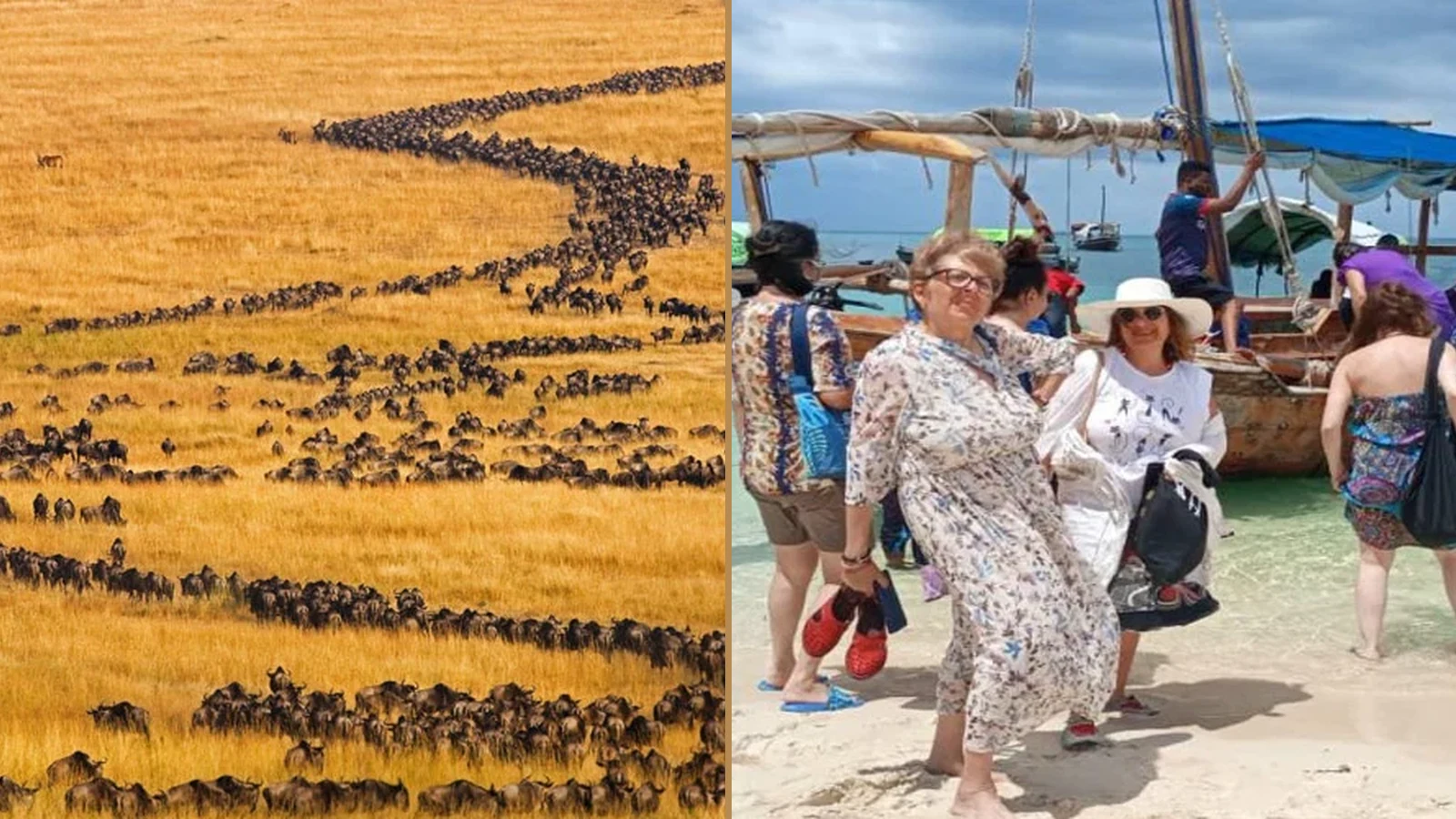
Dedicate the day to the Serengeti’s seasonal Great Migration, with the driving area selected according to where the wildebeest and zebra herds are actually concentrated at the time of travel. Migration movement is driven by rainfall and grazing conditions, so the safari may focus on southern plains, western corridors, central transition zones or northern Serengeti depending on the month. Your guide uses current field information and recent sightings rather than advertising a fixed river crossing or calving event. Spend the day following the wider ecosystem, including predators and resident wildlife around the herds, with a picnic or camp lunch and continued afternoon viewing before returning to camp.
Dedicate another full day to the Great Migration, but shift the emphasis toward herd behavior and the wider ecosystem around it. The guide may move to a new Serengeti sector if fresh reports indicate better concentrations elsewhere, or remain in the same area when wildlife activity is exceptional. Look beyond the headline wildebeest numbers to zebra, gazelles, scavengers and predators interacting across the plains. Lunch is arranged in the field or at camp according to the confirmed safari style, keeping enough flexibility for long wildlife stops. Because migration timing changes with rainfall, the route remains responsive rather than tied to a promised crossing or fixed seasonal spectacle.
Spend a final full Serengeti day combining migration tracking with resident wildlife viewing. An early start can be valuable for predators and cooler conditions, while later hours may favor elephant, giraffe, buffalo and plains-game activity around water and shade. If the migration herds remain close, the guide can continue following them; if they have moved, the day can focus on productive resident-wildlife areas instead. This flexible approach prevents the safari from becoming dependent on one event and gives a broader picture of the Serengeti ecosystem. Return to camp in good time for dinner and preparation for the following transfer toward Ngorongoro.
Begin with a final morning game drive in the Serengeti, using the cooler hours to search for wildlife before leaving the plains. The route then travels toward the Ngorongoro Conservation Area, gradually moving from open savannah into volcanic highlands. Depending on the season, road conditions and lodge location, the guide may include additional game viewing around the southern Serengeti or conservation-area plains before climbing toward the crater rim. The day is intentionally flexible because wildlife can slow the journey in the best possible way. Arrive at the selected crater-rim, highland or Karatu lodge for dinner and an early night before the crater descent.
Descend into Ngorongoro Crater early, when temperatures are cooler and wildlife activity can be strong across the caldera floor. The crater supports a dense concentration of large mammals in a relatively contained landscape, including buffalo, zebra, wildebeest, gazelles, hippos and predators; black rhino may be seen but sightings are never guaranteed. Your driver-guide moves between grassland, marsh, woodland and lake-edge habitats while managing viewing time within conservation-area regulations. Stop for a picnic lunch at an approved area, then continue the game drive before climbing the crater wall. Transfer afterward to the selected highland, Karatu or onward lodge for dinner and overnight. Return to Arusha.
After breakfast and the end of the mainland section, transfer to the confirmed airport or departure point for the journey to Zanzibar. The domestic flight or ferry connection is included only when specifically stated in the final quotation. On arrival in Zanzibar, meet the local representative and transfer to the confirmed hotel or beach resort. Check in and keep the remainder of the day deliberately light, allowing time to recover from the mainland journey, walk on the beach or settle into the property. Swimming and marine activities depend on tide, weather and local sea conditions. The confirmed meal plan begins according to the booked hotel and arrival time.
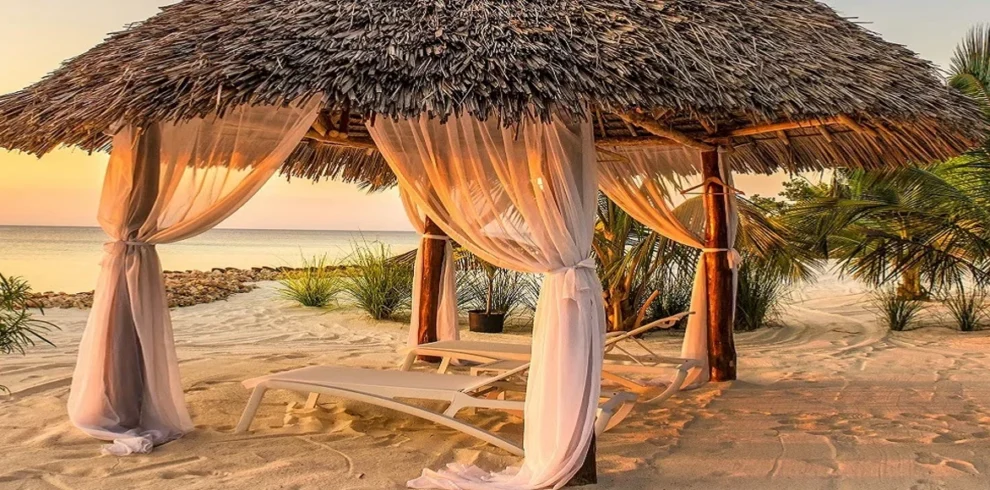
Spend the first full day focused on the north-coast beach environment. Walk along the shore, swim where conditions are safe, use the hotel facilities or simply relax. Depending on the exact hotel location and tide, guests may move between Nungwi and Kendwa by road or enjoy the beach closest to the property. This day is intentionally left without a compulsory excursion so travelers have time to slow down. Optional water sports or spa services are included only when they appear in the final quotation.
Today can include a pre-arranged snorkeling or traditional dhow excursion operated by a licensed local provider, or remain a second free beach day. If a marine activity is confirmed, departure time depends on sea conditions and the operator’s safety decision. The crew provides the practical briefing and required equipment stated in the booking. Coral, turtles, dolphins or other marine life can never be guaranteed and should not be chased or touched. Return to the north-coast hotel with time to relax before the evening.
Use the final full day to enjoy the coast at your own pace. Travelers may choose more beach time, a short locally guided village walk, a seafood lunch, shopping or another pre-booked activity. The program avoids forcing a long cross-island excursion unless the traveler specifically wants one, preserving the relaxed character of a beach holiday. Any cultural visit should be arranged respectfully, with permission requested before photographing people. Return to the hotel for the final night on the north coast.
After breakfast, enjoy any remaining free time before check-out. The driver collects you for the journey back to Zanzibar airport or ferry terminal, with timing based on the confirmed departure and realistic cross-island travel. Stops are not automatically included unless agreed in advance. The five-day holiday ends at the terminal, or travelers can connect with Stone Town, another Zanzibar beach area or a mainland Tanzania itinerary when this has been separately arranged.