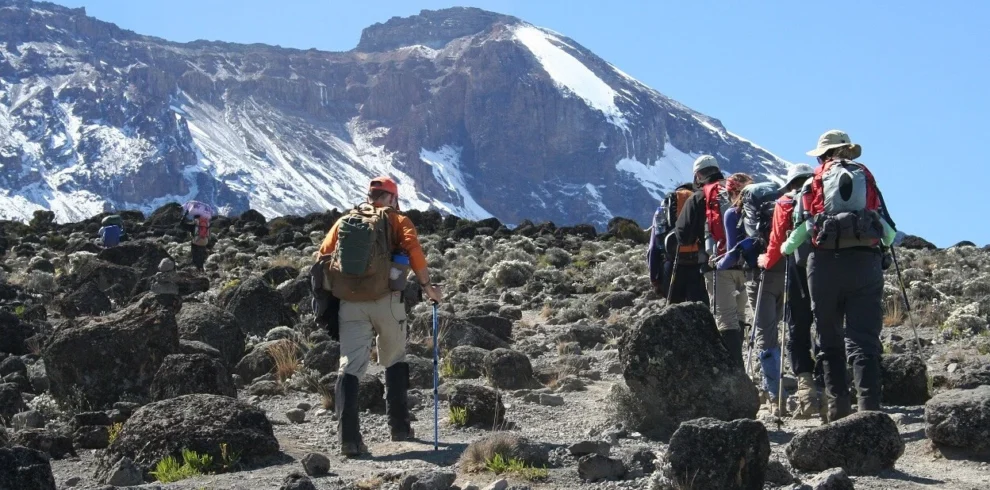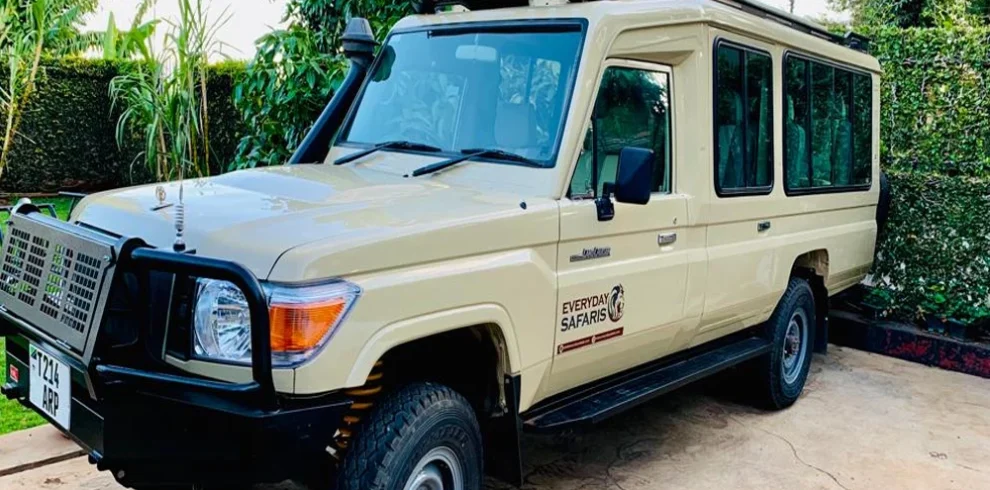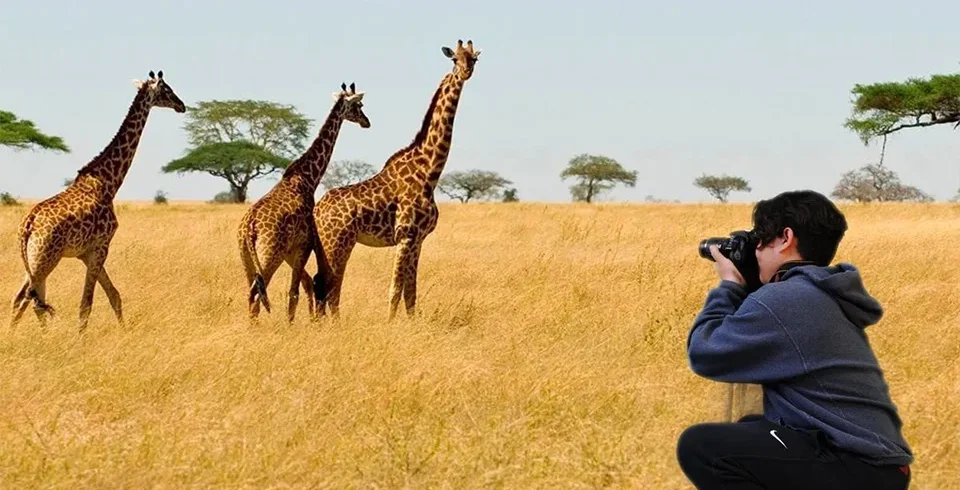
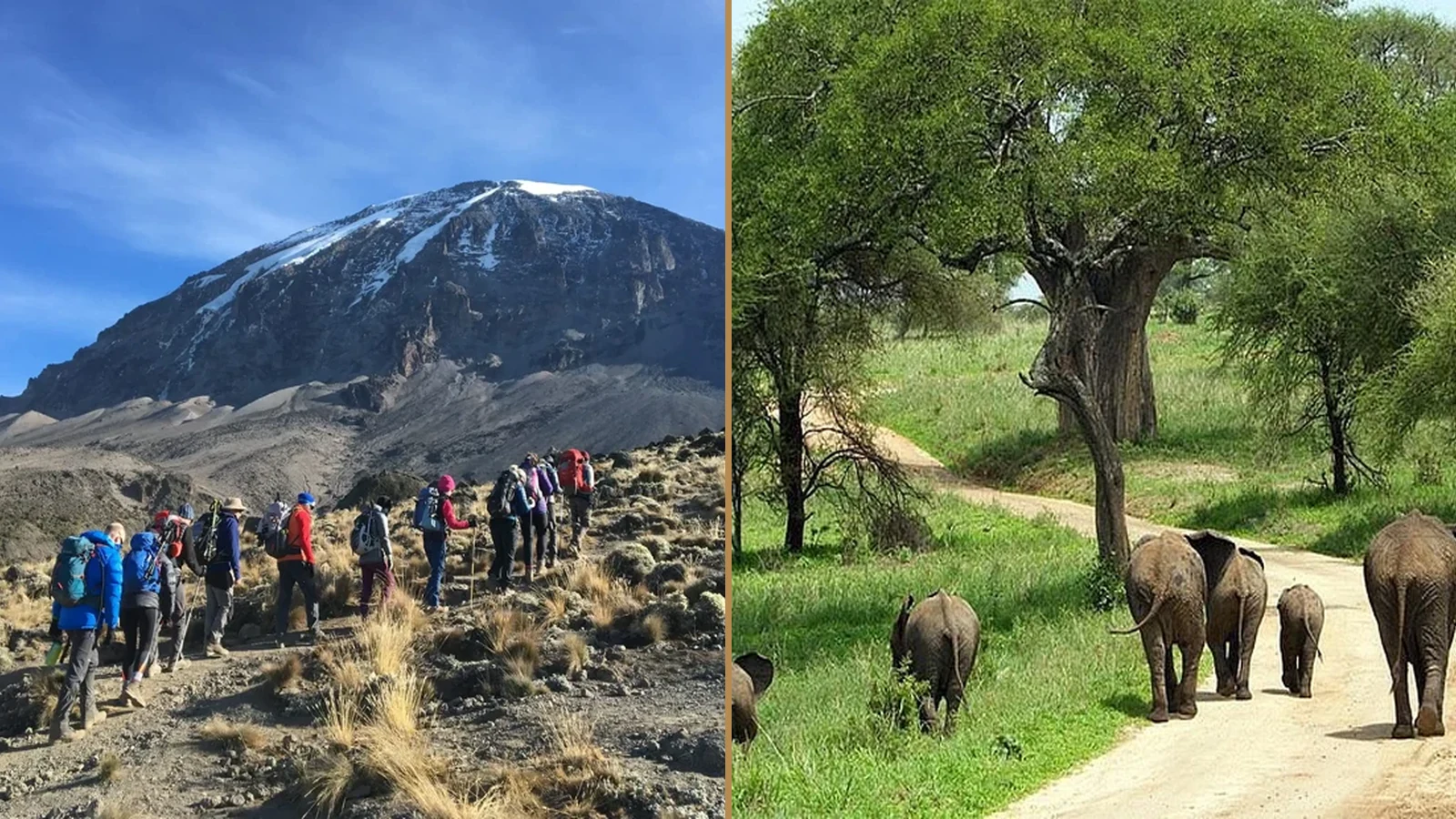
9-Day Kilimanjaro Marangu Route Climb and Tanzania Safari Adventure combines a professionally guided Mount Kilimanjaro climb with a northern Tanzania wildlife safari in one continuous itinerary. The mountain section follows the Marangu Route, while the safari section is designed around Tarangire, Serengeti and Ngorongoro-style northern Tanzania wildlife experience.
This is a physically demanding journey because the safari begins soon after the mountain descent. Travelers should arrive well prepared for the climb and understand that summit success, wildlife sightings and seasonal events can never be guaranteed. Everyday Safaris adapts mountain and safari operations around safety, weather, trail conditions, wildlife movement and park regulations.
9-Day Kilimanjaro Marangu Route Climb and Tanzania Safari Adventure at a Glance
- Total duration: 9 days / 8 nights
- Kilimanjaro route: Marangu Route
- Safari focus: Tarangire, serengeti and ngorongoro-style northern tanzania wildlife experience
- Main safari areas: Serengeti National Park, Ngorongoro Crater
- Trip style: Kilimanjaro & Safari and Wildlife Safari
- Start and finish: Arusha, Tanzania unless another arrangement is confirmed
- Pricing: Tailored quotation on request
Why Combine Kilimanjaro and Safari?
The combination lets travelers experience two very different sides of Tanzania in one journey: a high-altitude expedition on Africa’s highest mountain followed by game drives across the northern safari circuit. After days of trekking through rainforest, moorland, alpine desert and the summit zone, the safari changes the pace completely and shifts the focus to wildlife, landscapes and comfortable lodge or camp stays.
Review our Kilimanjaro + Safari guide, Marangu Route guide, Kilimanjaro safety information, Tanzania safaris, Serengeti National Park and Ngorongoro Crater.
Mountain Safety and Acclimatization
Altitude affects every traveler differently. Everyday Safaris uses guide-led pacing, daily health monitoring and route-specific acclimatization practices, but no itinerary can guarantee a successful summit. The lead guide can slow the group, adjust timing or stop a summit attempt when health or weather creates unacceptable risk. Suitable high-altitude trekking insurance is essential.
Safari Experience After the Climb
Safari routing is selected around the confirmed itinerary, road conditions and seasonal wildlife distribution. Wildlife is never staged, and no species, predator interaction, river crossing or migration event is guaranteed. The driver-guide can adjust game-drive emphasis when recent sightings or changing conditions make another area more productive.
Who Is This Combined Trip Best For?
This trip suits active travelers who want Kilimanjaro to remain the main physical challenge while also experiencing Tanzania’s wildlife parks in the same holiday. Because the safari follows soon after the climb, travelers should be comfortable with consecutive travel days and should tell Everyday Safaris about injuries, medical concerns or special recovery needs before departure.
Private and Tailor-Made Options
Private mountain arrangements, private safari vehicles, upgraded safari accommodation and route changes can be quoted subject to park rules and availability. The exact accommodation names, room categories, meal plans and transport arrangements are confirmed before payment.
Frequently Asked Questions
Is the Kilimanjaro summit guaranteed?
No. The itinerary is designed around a summit attempt, but altitude response, weather, pace and guide safety decisions determine whether a climber continues.
Will we definitely see the Big Five or Great Migration?
No. Wildlife moves naturally. The itinerary uses strong wildlife areas and experienced guides, but individual species and seasonal events cannot be guaranteed.
Is there a recovery day between Kilimanjaro and safari?
Not automatically in these fixed-duration combination products. The mountain descent returns travelers to lower altitude before the safari begins. An additional rest night in Arusha can be added to a tailor-made quotation if preferred.
Is there a fixed public price?
No fixed public price is included. The quotation depends on travel dates, group size, mountain route, safari accommodation level, park fees and any private upgrades.
Request Your Kilimanjaro + Safari Quote
Contact Everyday Safaris with your travel dates, number of climbers, preferred route and safari style for a tailored quotation.
Register at Marangu Gate and climb through rainforest to Mandara Hut. The trail begins beneath a dense montane forest canopy, with roots and wet ground making a steady rhythm more useful than speed. Guides use the first day to establish the team’s walking pace and monitor hydration, appetite and general condition before higher altitude becomes a factor. Mandara Hut is reached in the upper forest zone at roughly 2,700 m. After arrival there is time to settle in, change into dry layers, eat and rest, with a short nearby walk possible if the guide considers it useful.
Continue through heath and moorland toward Horombo Hut with improving views of Mawenzi and Kibo. Leaving the forest, the route enters heath and moorland where the vegetation becomes lower and views begin to open toward Mawenzi and Kibo. The increase in altitude is much more noticeable than on the first day, so the guide controls the pace and encourages frequent drinking. Horombo lies at roughly 3,700 m and is an important acclimatization point on the Marangu Route. On arrival the priority is food, warm clothing, hydration and rest while the guide checks how each climber is responding to thinner air.
Cross the alpine desert and the Saddle between Mawenzi and Kibo to Kibo Hut. Rest and prepare for the overnight summit attempt. The route leaves substantial vegetation behind and crosses the broad alpine Saddle between Mawenzi and Kibo. The landscape becomes stark, dry and exposed, with wind and temperature changes more noticeable than on previous days. Kibo Hut sits at roughly 4,700 m, so the final approach is deliberately slow. After reaching the hut, climbers eat early, prepare summit layers, headlamps, water and snacks, and rest. The lead guide carries out a final health assessment and summit briefing before the overnight ascent.
Begin the summit climb at night, ascend toward Gilman’s Point and continue around the crater rim toward Uhuru Peak at 5,895 m when conditions and climber health allow. Descend via Kibo to Horombo Hut. The summit push normally starts at night from Kibo Hut, climbing steep volcanic scree toward Gilman’s Point on the crater rim. Climbers who are strong enough and responding well to altitude continue around the rim toward Uhuru Peak at 5,895 m. Cold, wind, darkness and very low oxygen make this the hardest section of the route. Summit time is kept brief, and the lead guide can turn a climber around at any point. The descent then drops substantially lower, which usually brings noticeable relief from the extreme altitude.
Descend through moorland and rainforest to Marangu Gate, complete park formalities and transfer to Arusha. The final day is a long descent through moorland and back into humid montane forest. Although altitude pressure decreases quickly, tired legs and potentially slippery ground mean the descent still requires care. The team passes the Mandara area before continuing to Marangu Gate for park exit formalities. At the gate there is time to meet the support team and change into travel footwear before the road transfer back to Arusha.
After completing the Kilimanjaro section and returning to Arusha or the agreed lower-altitude base, meet the safari driver-guide and begin the wildlife phase of the journey. Depart Arusha early and travel through the northern highlands toward the Serengeti, crossing the Ngorongoro Conservation Area en route. The drive is long but visually rewarding, moving from settled highlands into increasingly open plains before reaching the Serengeti ecosystem. After park entry, the transfer naturally becomes an afternoon game drive as your guide begins looking for resident wildlife and any seasonal concentrations near the route to camp. Exact wildlife locations change throughout the year, so the guide adapts the approach rather than promising a particular sighting. Reach the selected lodge or tented camp before dark for dinner, a route briefing and overnight rest.
Spend a full day on game drives in Serengeti, with the schedule built around wildlife activity rather than a rigid mileage target. An early start can provide cooler conditions and strong predator activity, while later hours may reveal large herbivore herds moving between grazing and water. Your guide uses recent sightings, seasonal knowledge and quieter tracks to search for lions, cheetahs, leopards, elephants, giraffes, buffalo and plains game without crowding animals. Take a picnic lunch in the park or return to camp depending on the confirmed safari style. Continue through the afternoon and finish with a slow game drive back to the lodge or tented camp before dinner.
Begin with a final morning game drive in the Serengeti, using the cooler hours to search for wildlife before leaving the plains. The route then travels toward the Ngorongoro Conservation Area, gradually moving from open savannah into volcanic highlands. Depending on the season, road conditions and lodge location, the guide may include additional game viewing around the southern Serengeti or conservation-area plains before climbing toward the crater rim. The day is intentionally flexible because wildlife can slow the journey in the best possible way. Arrive at the selected crater-rim, highland or Karatu lodge for dinner and an early night before the crater descent.
Descend into Ngorongoro Crater early, when temperatures are cooler and wildlife activity can be strong across the caldera floor. The crater supports a dense concentration of large mammals in a relatively contained landscape, including buffalo, zebra, wildebeest, gazelles, hippos and predators; black rhino may be seen but sightings are never guaranteed. Your driver-guide moves between grassland, marsh, woodland and lake-edge habitats while managing viewing time within conservation-area regulations. Stop for a picnic lunch at an approved area, then continue the game drive before climbing the crater wall. Transfer afterward to the selected highland, Karatu or onward lodge for dinner and overnight. After the crater, return to Arusha.