
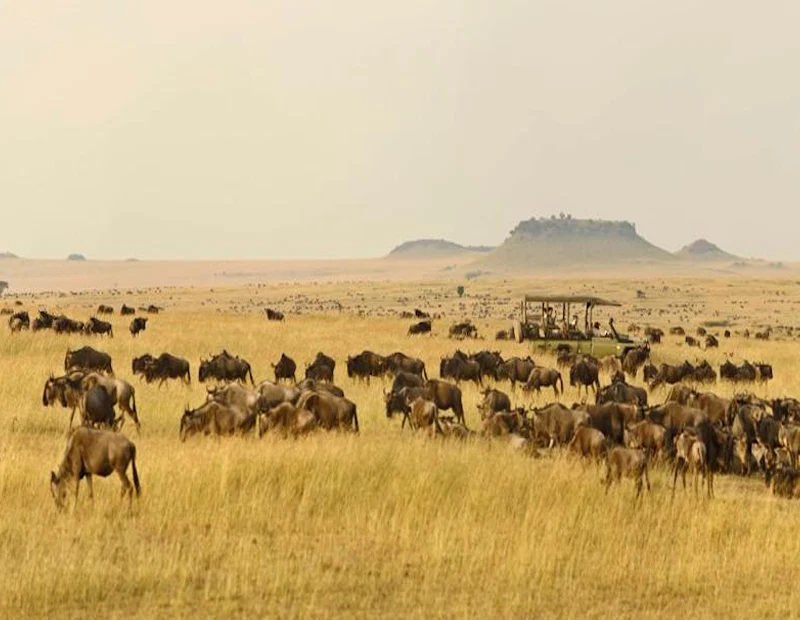
Wildlife photography starts with the same rule as responsible viewing: the animal should be able to move naturally without being blocked, chased or surrounded for a photograph.
Long lenses make respectful distance easier. Moving the vehicle closer is not the only way to improve an image. This article focuses specifically on wildlife photography etiquette safari so you can make the decision without confusing it with a broader destination or route guide.
Start with the broader planning pages—Responsible Tourism · Tanzania safaris · Serengeti National Park · Safety & Standards · contact Everyday Safaris—then use this guide to answer the narrower questions that usually appear once a traveller begins comparing real itineraries.
What This Means on Safari
Wildlife photography starts with the same rule as responsible viewing: the animal should be able to move naturally without being blocked, chased or surrounded for a photograph.
At crowded sightings, guides need to manage vehicle position and avoid pushing in front of other cars or closing an animal’s path. For wider context, compare this with Responsible Tourism so the decision sits inside the complete itinerary rather than being treated as an isolated detail.
The most useful planning question is not simply “what is normal?” but “what will this mean on my exact trip?” Route length, season, private or shared arrangements, accommodation and travel sequence can change the answer. That is why the final itinerary should also be read alongside Serengeti National Park before you travel.
How It Changes the Daily Game-Drive Rhythm
Long lenses make respectful distance easier. Moving the vehicle closer is not the only way to improve an image.
Silence and patience often produce better behaviour photographs than repeated repositioning because animals may resume natural activity when pressure decreases. For wider context, compare this with Tanzania safaris so the decision sits inside the complete itinerary rather than being treated as an isolated detail.
The most useful planning question is not simply “what is normal?” but “what will this mean on my exact trip?” Route length, season, private or shared arrangements, accommodation and travel sequence can change the answer. That is why the final itinerary should also be read alongside Safety & Standards before you travel.
Time, Distance and Vehicle Planning
At crowded sightings, guides need to manage vehicle position and avoid pushing in front of other cars or closing an animal’s path.
Flash, drones and off-road driving can be restricted by park rules or harmful in certain situations; the guide’s instruction should take priority over the photograph. For wider context, compare this with Serengeti National Park so the decision sits inside the complete itinerary rather than being treated as an isolated detail.
The most useful planning question is not simply “what is normal?” but “what will this mean on my exact trip?” Route length, season, private or shared arrangements, accommodation and travel sequence can change the answer. That is why the final itinerary should also be read alongside contact Everyday Safaris before you travel.
Wildlife Expectations to Keep Realistic
Silence and patience often produce better behaviour photographs than repeated repositioning because animals may resume natural activity when pressure decreases.
A rare sighting is still not guaranteed. Ethical photography accepts that sometimes the best decision is to watch rather than force the scene. For wider context, compare this with Safety & Standards so the decision sits inside the complete itinerary rather than being treated as an isolated detail.
The most useful planning question is not simply “what is normal?” but “what will this mean on my exact trip?” Route length, season, private or shared arrangements, accommodation and travel sequence can change the answer. That is why the final itinerary should also be read alongside Responsible Tourism before you travel.
Responsible Guiding and Safety
Flash, drones and off-road driving can be restricted by park rules or harmful in certain situations; the guide’s instruction should take priority over the photograph.
Wildlife photography starts with the same rule as responsible viewing: the animal should be able to move naturally without being blocked, chased or surrounded for a photograph. For wider context, compare this with contact Everyday Safaris so the decision sits inside the complete itinerary rather than being treated as an isolated detail.
The most useful planning question is not simply “what is normal?” but “what will this mean on my exact trip?” Route length, season, private or shared arrangements, accommodation and travel sequence can change the answer. That is why the final itinerary should also be read alongside Tanzania safaris before you travel.
How to Build It Into the Full Itinerary
A rare sighting is still not guaranteed. Ethical photography accepts that sometimes the best decision is to watch rather than force the scene.
Long lenses make respectful distance easier. Moving the vehicle closer is not the only way to improve an image. For wider context, compare this with Responsible Tourism so the decision sits inside the complete itinerary rather than being treated as an isolated detail.
The most useful planning question is not simply “what is normal?” but “what will this mean on my exact trip?” Route length, season, private or shared arrangements, accommodation and travel sequence can change the answer. That is why the final itinerary should also be read alongside Serengeti National Park before you travel.
wildlife photography etiquette safari: Planning Table
| Factor | How to think about it |
|---|---|
| Main consideration | Long lenses make respectful distance easier. Moving the vehicle closer is not the only way to improve an image. |
| What changes in practice | At crowded sightings, guides need to manage vehicle position and avoid pushing in front of other cars or closing an animal’s path. |
| What to ask before booking | Silence and patience often produce better behaviour photographs than repeated repositioning because animals may resume natural activity when pressure decreases. |
| What not to assume | Flash, drones and off-road driving can be restricted by park rules or harmful in certain situations; the guide’s instruction should take priority over the photograph. |
Keep the itinerary realistic
A rare sighting is still not guaranteed. Ethical photography accepts that sometimes the best decision is to watch rather than force the scene. A strong Tanzania itinerary leaves enough room for the guide to respond to the mountain, wildlife, road, tide or weather conditions instead of forcing every day to match an inflexible timetable.
Detailed Planning Notes
Planning point: ethical safari photography
Wildlife photography starts with the same rule as responsible viewing: the animal should be able to move naturally without being blocked, chased or surrounded for a photograph.
For a traveller researching wildlife photography etiquette safari, the value of this point is that it affects the experience after booking, not only the sales description. Discuss it before paying a deposit, then check it again in the final briefing so expectations match the actual operating plan.
Field reality: safari photography rules Tanzania
Long lenses make respectful distance easier. Moving the vehicle closer is not the only way to improve an image.
For a traveller researching wildlife photography etiquette safari, the value of this point is that it affects the experience after booking, not only the sales description. Discuss it before paying a deposit, then check it again in the final briefing so expectations match the actual operating plan.
Traveller decision: wildlife distance photography
At crowded sightings, guides need to manage vehicle position and avoid pushing in front of other cars or closing an animal’s path.
For a traveller researching wildlife photography etiquette safari, the value of this point is that it affects the experience after booking, not only the sales description. Discuss it before paying a deposit, then check it again in the final briefing so expectations match the actual operating plan.
Practical detail: responsible wildlife viewing
Silence and patience often produce better behaviour photographs than repeated repositioning because animals may resume natural activity when pressure decreases.
For a traveller researching wildlife photography etiquette safari, the value of this point is that it affects the experience after booking, not only the sales description. Discuss it before paying a deposit, then check it again in the final briefing so expectations match the actual operating plan.
Expectation to keep realistic: ethical safari photography
Flash, drones and off-road driving can be restricted by park rules or harmful in certain situations; the guide’s instruction should take priority over the photograph.
For a traveller researching wildlife photography etiquette safari, the value of this point is that it affects the experience after booking, not only the sales description. Discuss it before paying a deposit, then check it again in the final briefing so expectations match the actual operating plan.
Useful question: safari photography rules Tanzania
A rare sighting is still not guaranteed. Ethical photography accepts that sometimes the best decision is to watch rather than force the scene.
For a traveller researching wildlife photography etiquette safari, the value of this point is that it affects the experience after booking, not only the sales description. Discuss it before paying a deposit, then check it again in the final briefing so expectations match the actual operating plan.
Practical Checklist Before You Book
- Read the exact itinerary rather than judging only by the title “wildlife photography etiquette safari”.
- Check the number of days, sleeping locations and transfer sequence.
- Ask which parts depend on weather, altitude, wildlife movement, tides or local operating conditions.
- Confirm what is included in the written quotation and what is optional.
- Use the relevant Everyday Safaris route, destination and safety pages for the wider context.
- Keep enough flexibility for guides to make responsible decisions in the field.
- Accept that wildlife behaviour cannot be scheduled.
- Follow the driver-guide’s positioning and safety instructions.
Plan this with Everyday Safaris
If wildlife photography etiquette safari is part of your Tanzania trip, Everyday Safaris can connect it with the right route, safari, Zanzibar stay or transfer sequence without forcing the itinerary to move faster than it should.
wildlife photography etiquette safari FAQs
How close should a safari vehicle get?
Wildlife photography starts with the same rule as responsible viewing: the animal should be able to move naturally without being blocked, chased or surrounded for a photograph. The practical answer can still change with the exact itinerary, season, group and current conditions, so use the final Everyday Safaris trip plan as the operational reference.
Can guides move off-road?
Long lenses make respectful distance easier. Moving the vehicle closer is not the only way to improve an image. The practical answer can still change with the exact itinerary, season, group and current conditions, so use the final Everyday Safaris trip plan as the operational reference.
How should I behave at crowded sightings?
At crowded sightings, guides need to manage vehicle position and avoid pushing in front of other cars or closing an animal’s path. The practical answer can still change with the exact itinerary, season, group and current conditions, so use the final Everyday Safaris trip plan as the operational reference.
Can I ask a guide to chase an animal for a photo?
Silence and patience often produce better behaviour photographs than repeated repositioning because animals may resume natural activity when pressure decreases. The practical answer can still change with the exact itinerary, season, group and current conditions, so use the final Everyday Safaris trip plan as the operational reference.
Are wildlife sightings guaranteed?
No. Weather, altitude response, wildlife movement, tides and operating conditions can change. Everyday Safaris can plan around normal patterns, but the final decision in the field must follow safety, park rules and current conditions.
Does a private vehicle change the experience?
A rare sighting is still not guaranteed. Ethical photography accepts that sometimes the best decision is to watch rather than force the scene. The practical answer can still change with the exact itinerary, season, group and current conditions, so use the final Everyday Safaris trip plan as the operational reference.
How much does season affect the plan?
Wildlife photography starts with the same rule as responsible viewing: the animal should be able to move naturally without being blocked, chased or surrounded for a photograph. The practical answer can still change with the exact itinerary, season, group and current conditions, so use the final Everyday Safaris trip plan as the operational reference.
Can this be combined with Zanzibar?
Yes, when the total holiday has enough time. The combination should be designed so transfers and recovery do not turn the trip into constant movement. Everyday Safaris can connect Kilimanjaro, safari and Zanzibar in one itinerary where the sequence makes practical sense.
What is the most important planning point for wildlife photography etiquette safari?
At crowded sightings, guides need to manage vehicle position and avoid pushing in front of other cars or closing an animal’s path. The practical answer can still change with the exact itinerary, season, group and current conditions, so use the final Everyday Safaris trip plan as the operational reference.
What is the most important planning point for wildlife photography etiquette safari?
Silence and patience often produce better behaviour photographs than repeated repositioning because animals may resume natural activity when pressure decreases. The practical answer can still change with the exact itinerary, season, group and current conditions, so use the final Everyday Safaris trip plan as the operational reference.