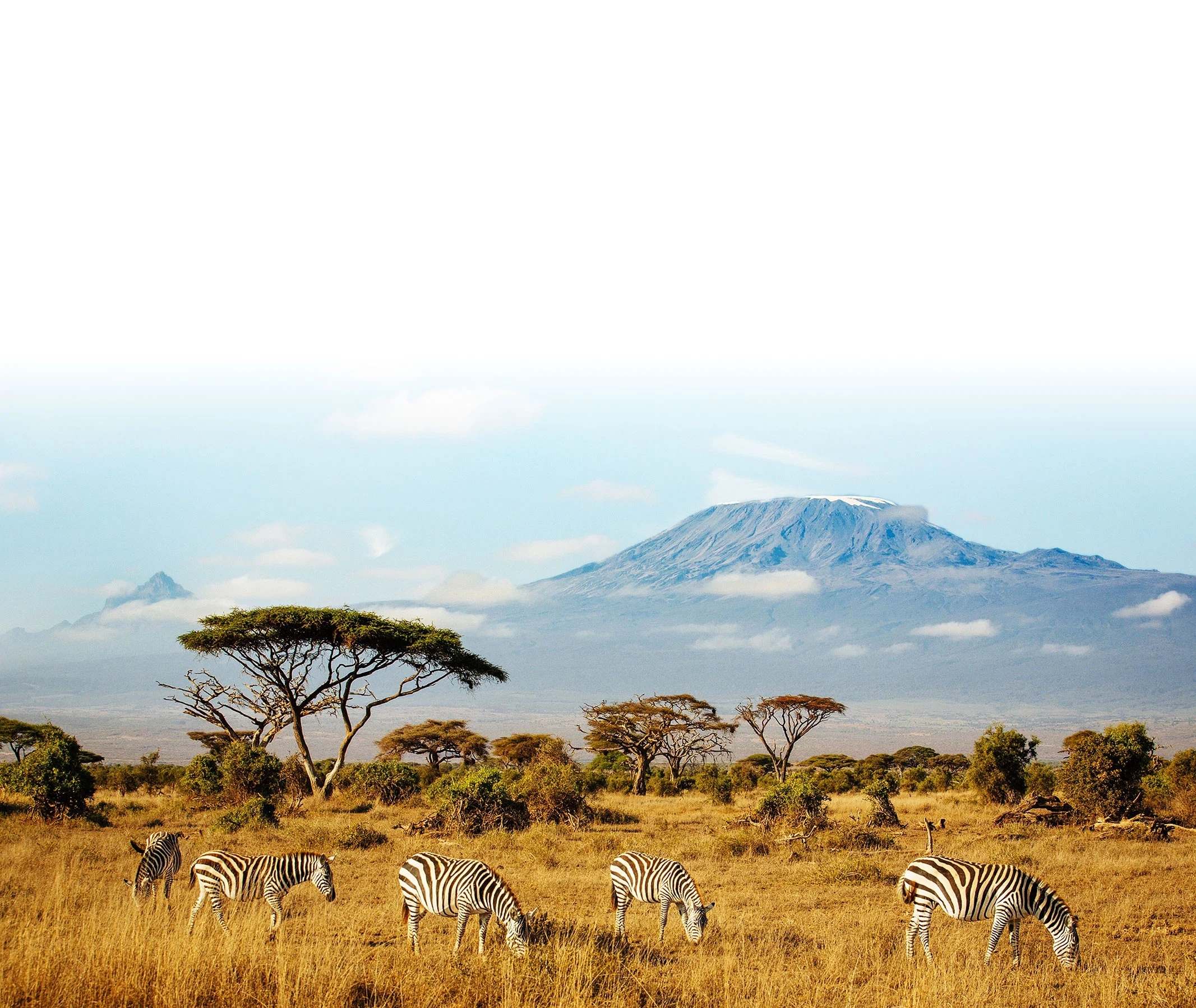
Summit Goal
Mount Kilimanjaro
The climb creates the structure, effort and rhythm that the rest of the trip should respect.
Explore Kilimanjaro Planning →
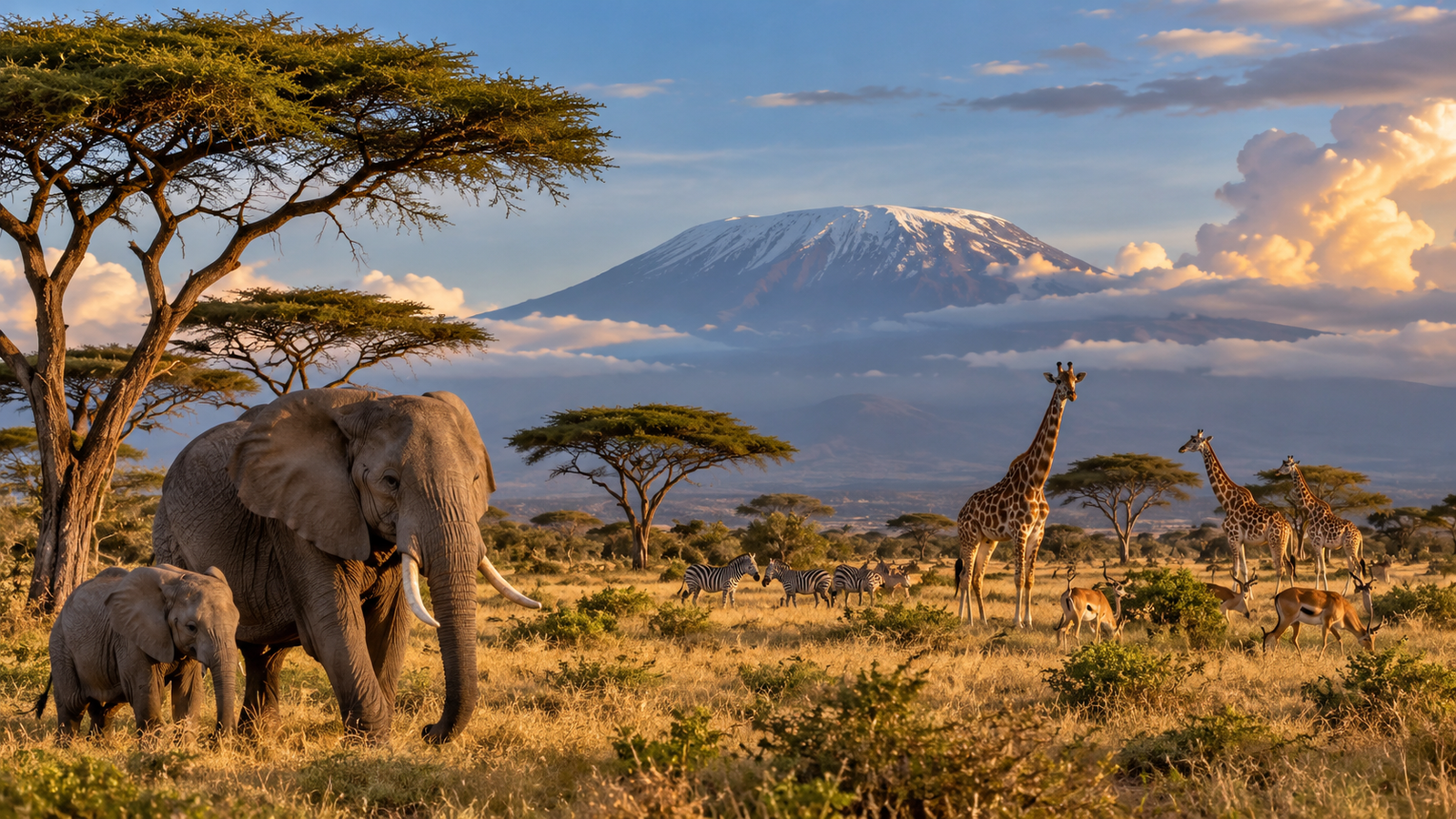
This page now uses a cleaner background-image hero and a more disciplined layout. The goal is to show how a Kilimanjaro climb and a northern Tanzania safari can feel like one joined-up journey instead of two separate products.
This combination works when the mountain and the safari are planned as one experience, not stitched together at the end.
The climb creates the structure, effort and rhythm that the rest of the trip should respect.
Explore Kilimanjaro Planning →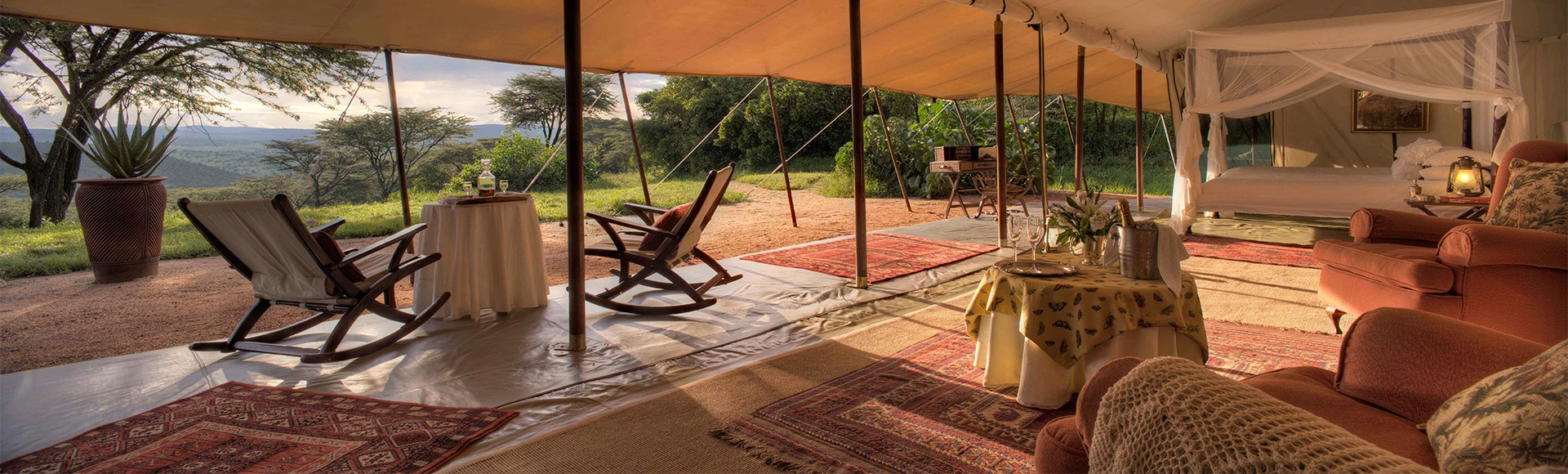
A powerful follow-up when you want broad wildlife country after the mountain.
Explore Serengeti →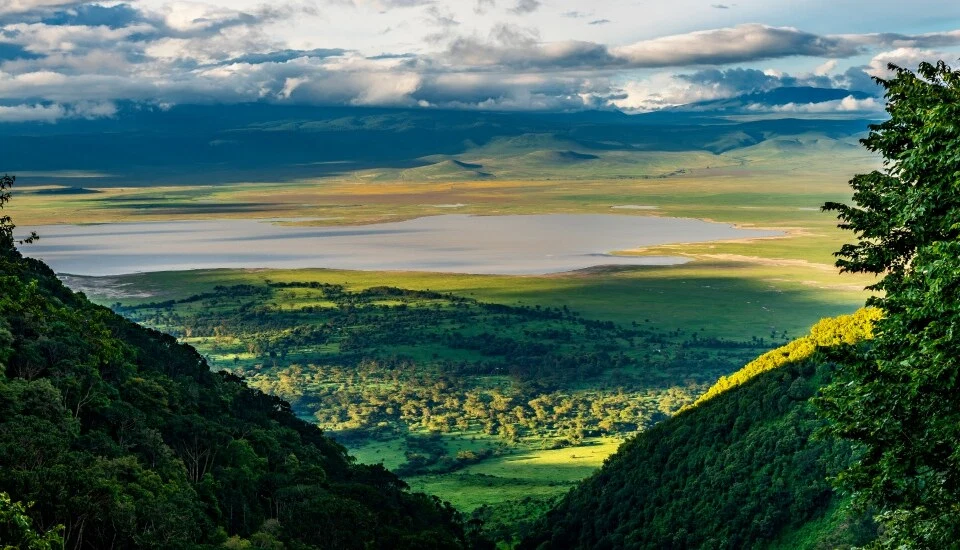
Excellent when you want a concentrated wildlife day within a broader safari route.
Explore Ngorongoro →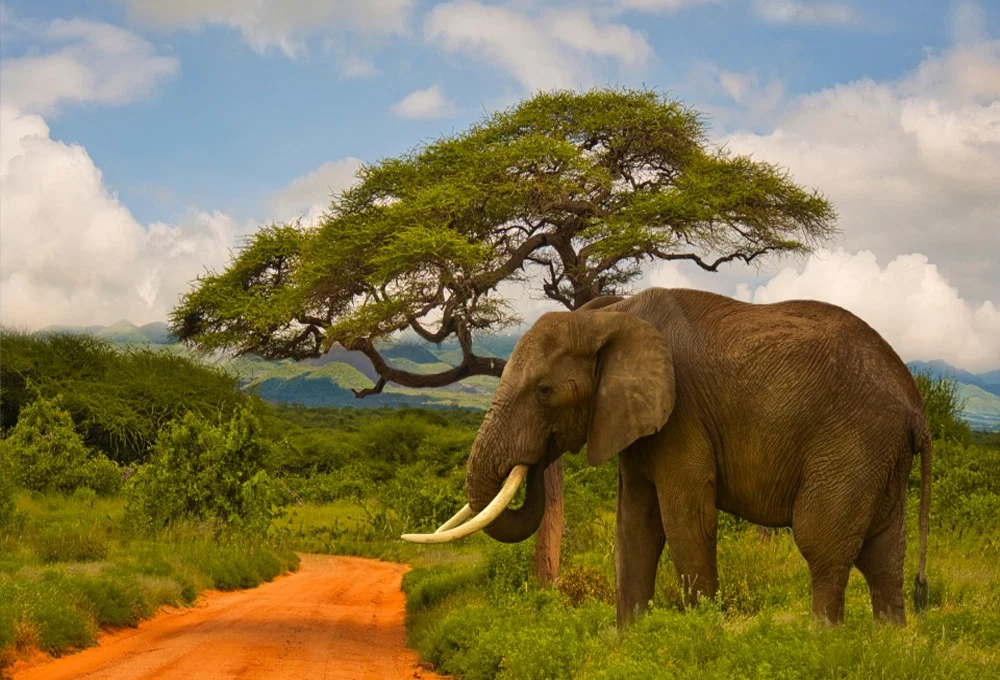
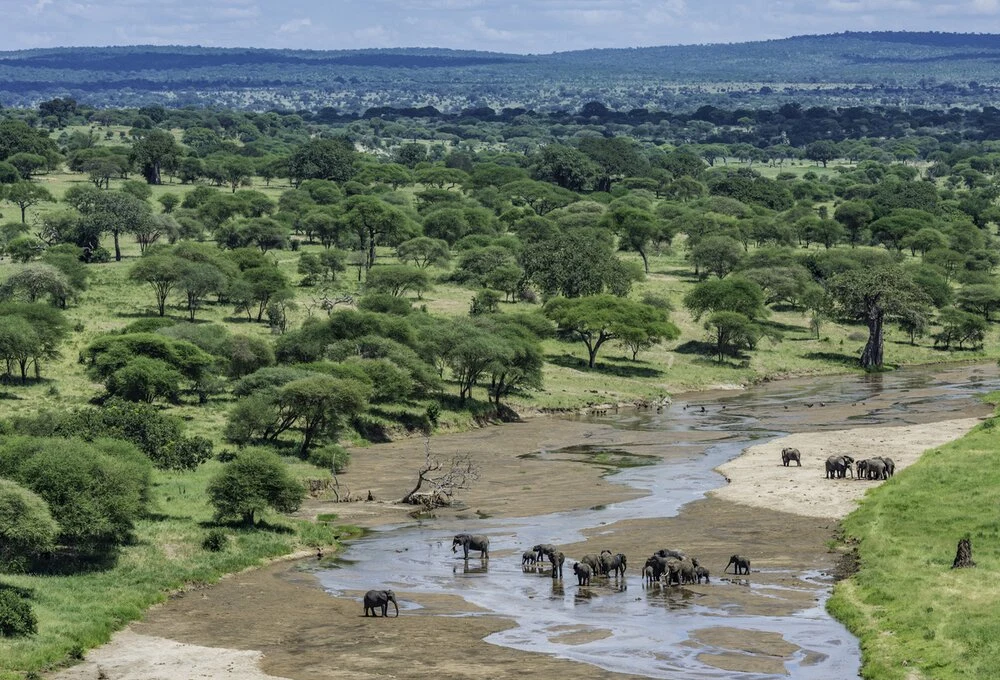
Ideal for elephants, baobab scenery and meaningful game drives without overstretching the itinerary.
Explore Tarangire →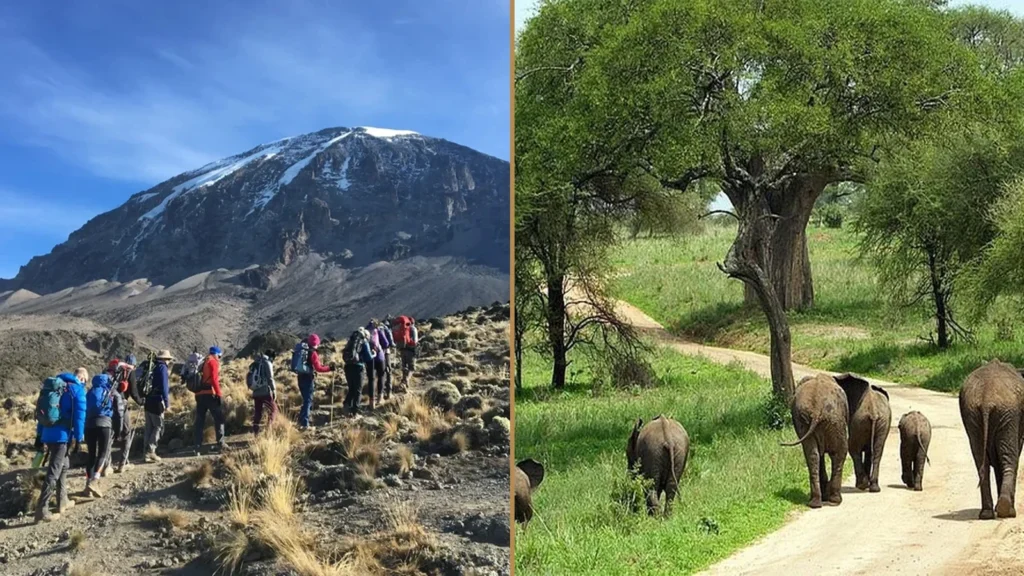 9 Days
9-day Kilimanjaro and Tanzania safari journey combining the Marangu Route with Tarangire, Serengeti and Ngorongoro-style northern Tanzania wildlife experience and a tailored Everyday Safaris…
View Trip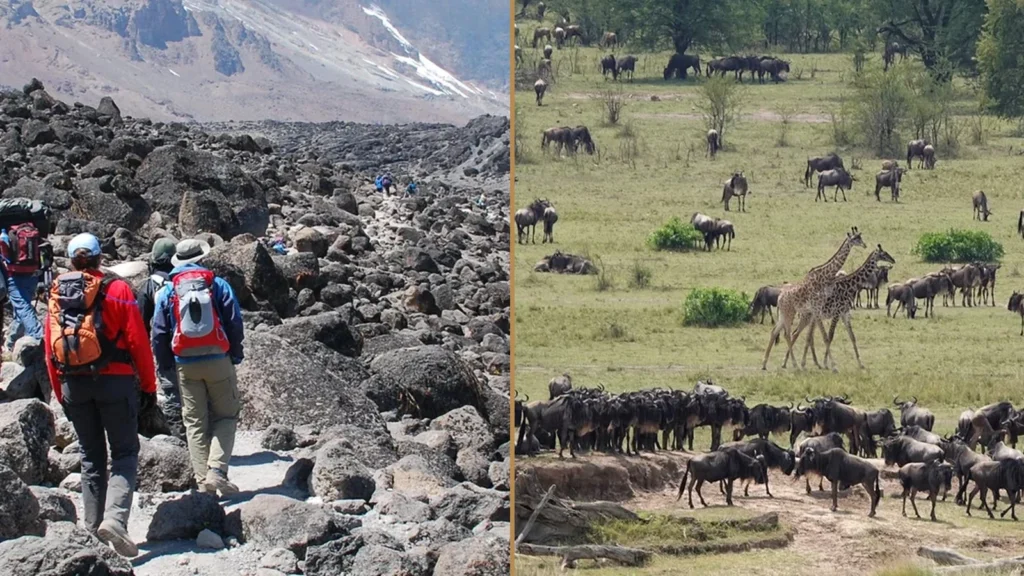 10 Days
10-day Kilimanjaro and Tanzania safari journey combining the Machame Route with Serengeti wildlife and Ngorongoro Crater after a Machame climb and a tailored Everyday…
View Trip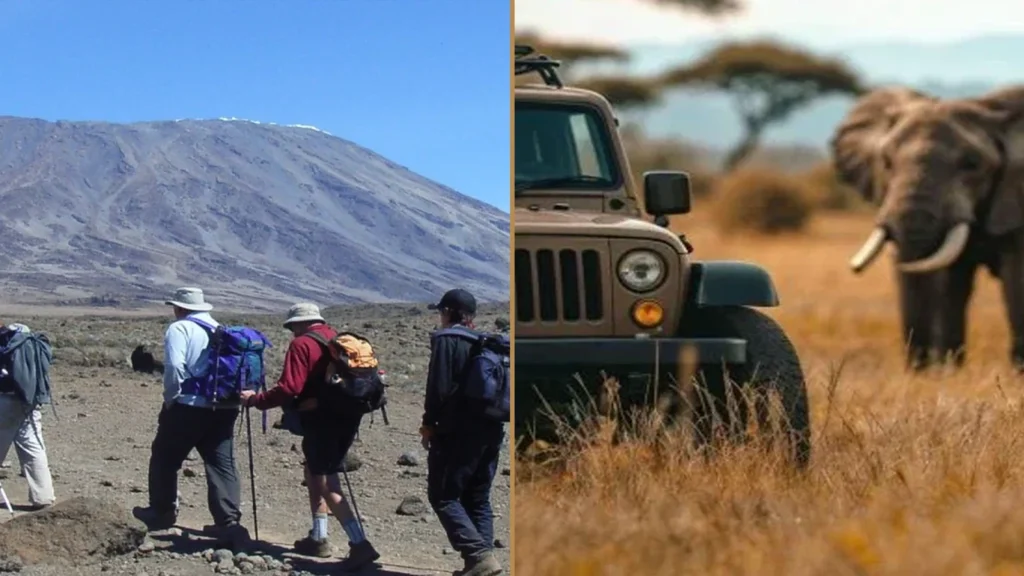 10 Days
10-day Kilimanjaro and Tanzania safari journey combining the Rongai Route with a quieter Rongai approach followed by northern Tanzania game drives and a tailored…
View Trip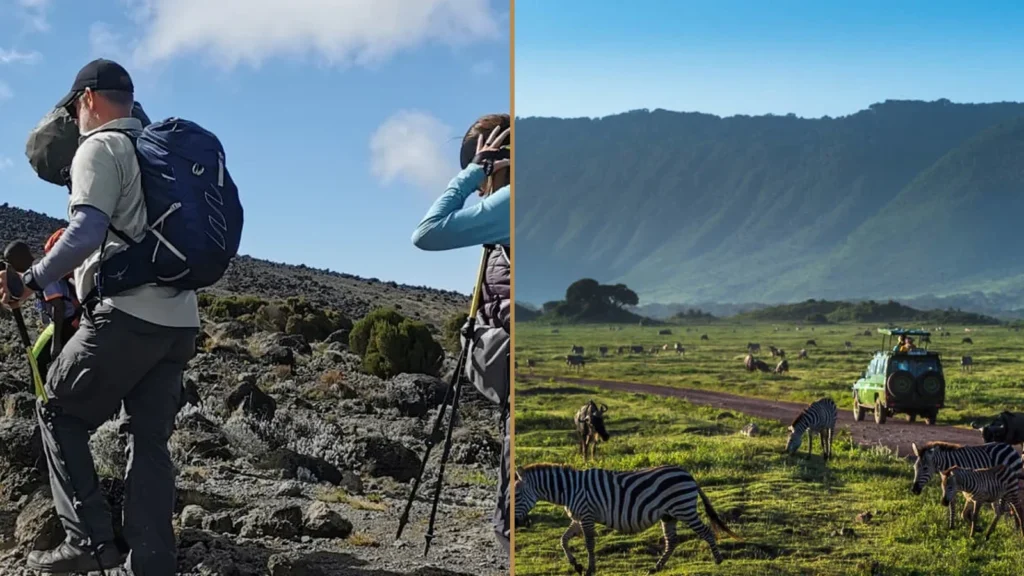 11 Days
11-day Kilimanjaro and Tanzania safari journey combining the Lemosho Route with a scenic Lemosho summit climb followed by Ngorongoro and Serengeti wildlife viewing and…
View Trip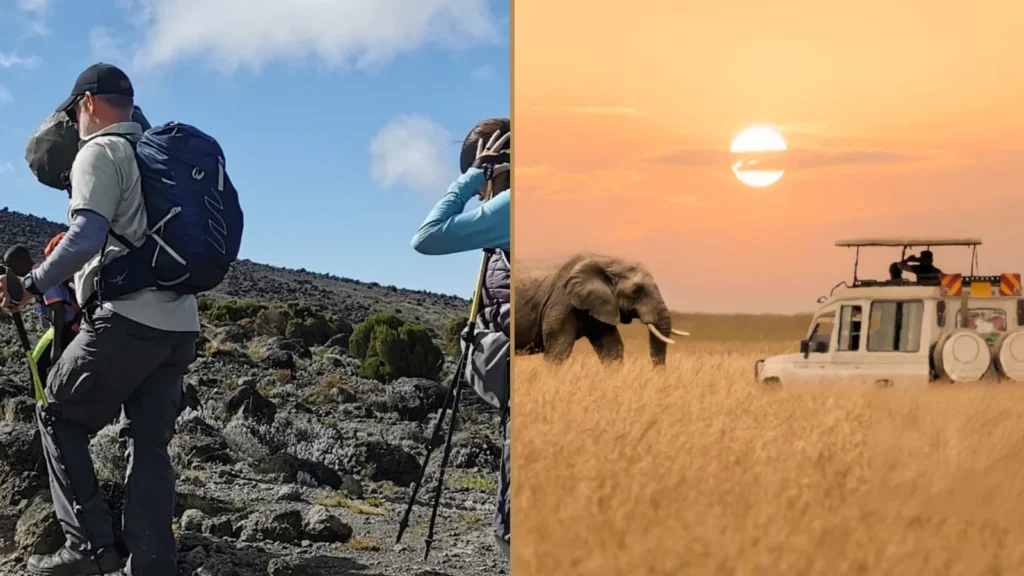 11 Days
11-day Kilimanjaro and Tanzania safari journey combining the Machame Route with a private Machame climb and private northern Tanzania safari and a tailored Everyday…
View Trip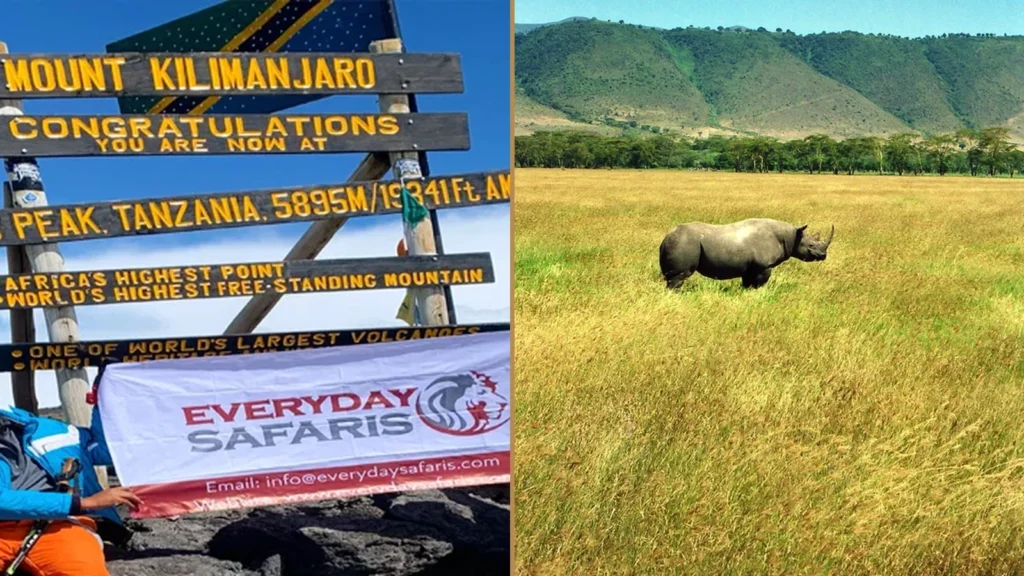 12 Days
12-day Kilimanjaro and Tanzania safari journey combining the Lemosho Route with a summit-focused Kilimanjaro climb followed by a five-day Big Five safari circuit and…
View Trip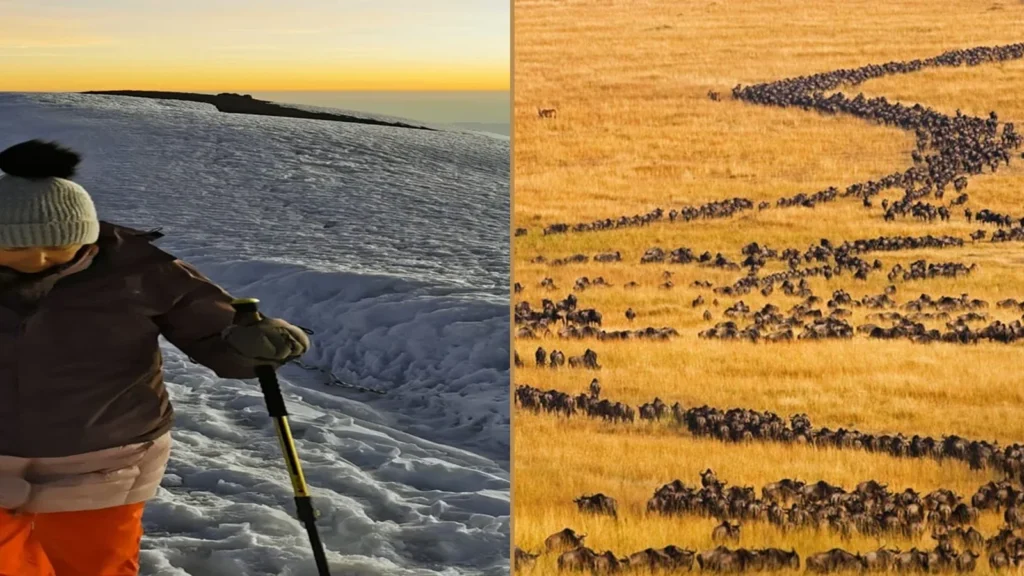 13 Days
13-day Kilimanjaro and Tanzania safari journey combining the Lemosho Route with an acclimatization-friendly Lemosho expedition followed by Serengeti, Ngorongoro and Tarangire and a tailored…
View Trip 14 Days
14-day Kilimanjaro and Tanzania safari journey combining the Northern Circuit with the long Northern Circuit followed by a premium northern Tanzania wildlife safari and…
View Trip 15 Days
15-day Kilimanjaro and Tanzania safari journey combining the Lemosho Route with an eight-day Kilimanjaro expedition followed by a seven-day Great Migration-focused Serengeti safari and…
View TripKilimanjaro is physically and mentally demanding. A safari afterward should feel spacious, restorative and rewarding rather than exhausting.
That is why route length, recovery nights and park selection matter so much in a combined itinerary.
Marangu, Machame, Rongai, Lemosho and Northern Circuit create very different trip logic.
A good post-climb night and sensible first safari day make a major difference.
Depth is usually more valuable than trying to tick every name.
In most cases, climbing first gives the combination a cleaner emotional arc. You focus fully on the summit, then move into the safari as a release phase.
Safari first can still work, but it should be a deliberate strategic choice rather than a default assumption.
Do not let safari excitement undermine mountain preparation.
The best safari start after the climb often includes a softer transfer or better lodge.
Arusha often helps bridge the mountain and northern-safari sides effectively.
On the mountain, camps or huts are functional parts of the route. On safari, lodge location and comfort become more central to the quality of the experience.
This is exactly why a joined-up operator matters for combined planning.
Prioritise acclimatisation support, route logic and safe pacing.
Prioritise field-time efficiency, comfort and atmosphere.
A hard mountain night and a good safari lodge play very different roles in the trip.
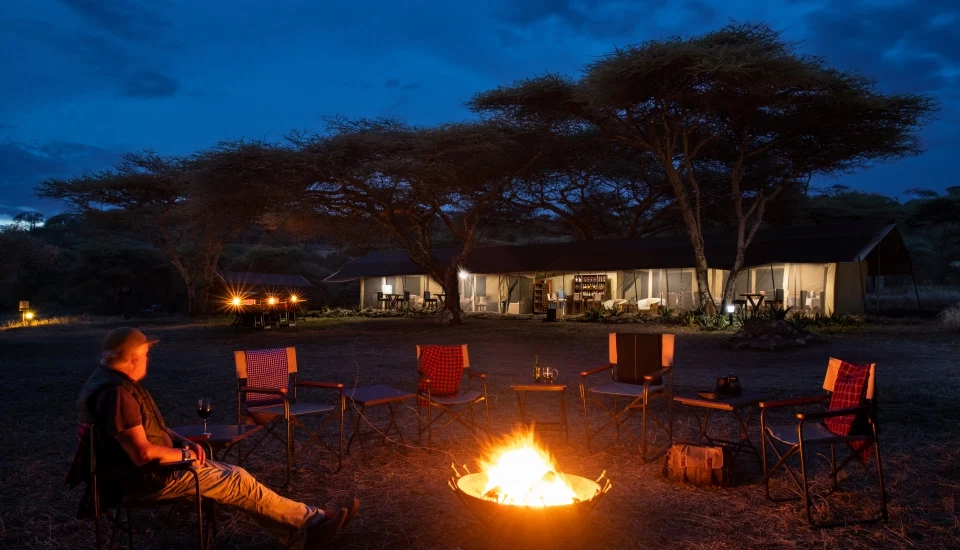
Some travellers who love this two-part idea also compare these related journeys.
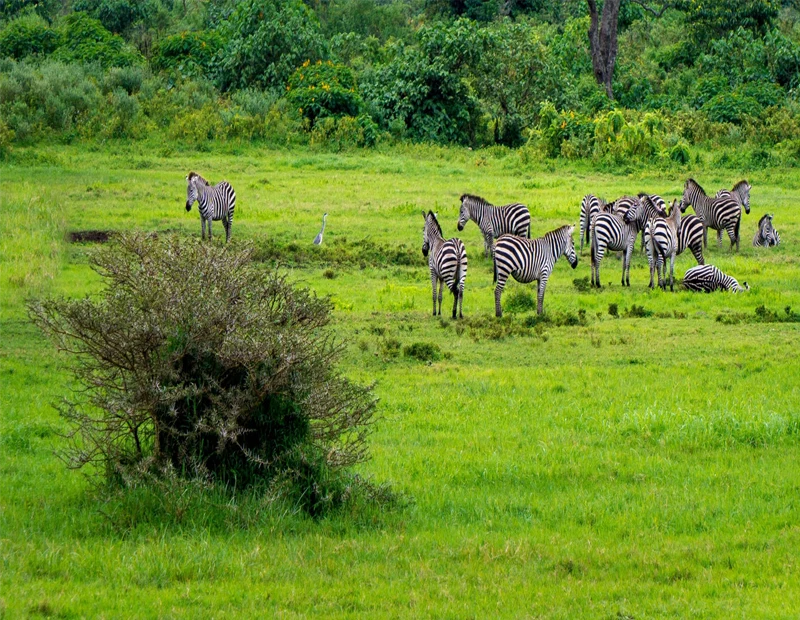
For travellers wanting even more wildlife intensity after or instead of a general safari finish.
Compare Great Migration →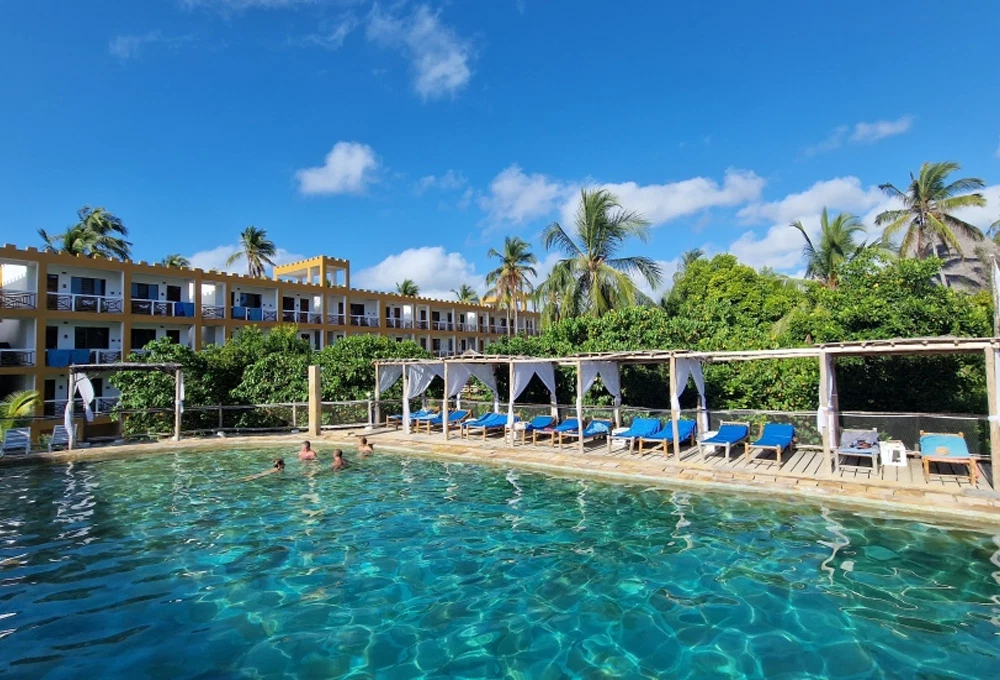
If you want the climb and safari to end with ocean downtime, this is the cleanest contrast.
See Safari + Zanzibar →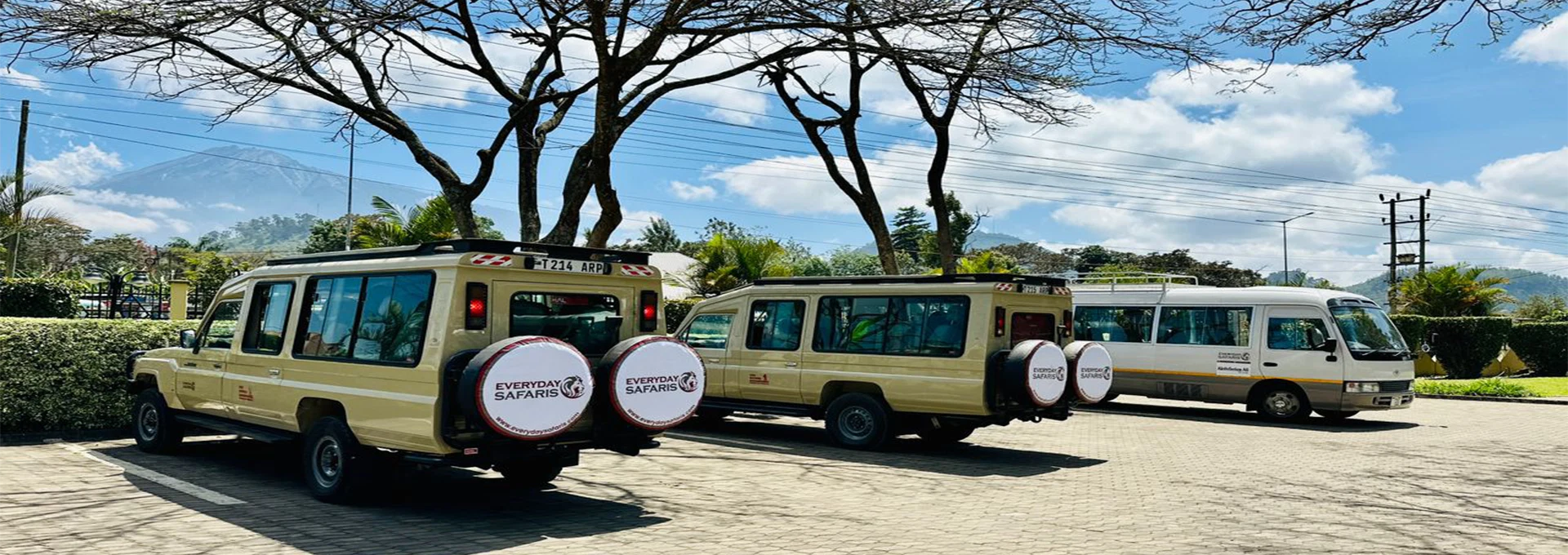
When the safari half should feel more refined, compare comfort level deliberately.
Explore Luxury Safaris →These answers are written to solve the real planning questions travellers ask before committing to a combined itinerary.
Many travellers prefer safari after Kilimanjaro because it gives the summit attempt full focus and uses the safari as the recovery-and-reward phase. Safari first can still work, especially when wildlife timing is a major priority, but it should be planned intentionally.
For many travellers, 10 to 14 days is a strong planning range. That usually leaves enough time for a climb route that deserves respect and a safari that still feels meaningful rather than compressed.
Marangu, Machame, Rongai, Lemosho and Northern Circuit can all work. The best route depends on how many days you have, how important acclimatisation is to you, what comfort level you want on the safari side and whether you value a more classic or more spacious climb structure.
Not necessarily, but it depends on the total length of the trip and how you handle recovery. On shorter itineraries, Tarangire and Ngorongoro can sometimes create a stronger and less demanding post-climb safari than pushing all the way into Serengeti.
In many cases, yes. Even one softer transition day can change how the safari feels. Without enough recovery, travellers may reach the safari technically on schedule but too tired to enjoy it fully.
Yes, but the safari half usually needs more comfort and the overall pacing needs to be gentler. Honeymoon versions often benefit from private arrangements, higher comfort after the climb and a more carefully staged finish.
On Kilimanjaro, route length, park fees and the support structure shape price. On safari, private versus shared format, park choice, accommodation style and number of days matter most. Looking at both halves separately often gives a clearer understanding of total value.
You need proper mountain layers, trekking gear and route-appropriate equipment for Kilimanjaro, but you also want softer, easier safari clothing and lodge wear for after the climb. Packing with both environments in mind matters more here than on a standard safari.
Yes, especially on longer itineraries such as 14 or 15 days. The key is making sure the climb route, safari length and likely migration region still create enough quality time on both sides instead of turning the trip into a checklist.
Compare the exact climb route, the number of total days, whether recovery is protected, which safari parks are included, the comfort level after the climb and whether the operator is planning the trip as one joined-up journey or just stacking products together.