Everyday Safaris

Plan Your Adventure
Everyday Safaris
Plan Your Adventure
ALTITUDE • TERRAIN • SUMMIT RIDGE • 4,566 M

Mount Meru Difficulty

Mount Meru is a serious high-altitude trek rather than a casual hill walk. The challenge comes from sustained ascent, rapid altitude gain, a pre-dawn summit push and an exposed volcanic ridge—not from technical rock climbing on the standard Momella Route in normal trekking conditions.

Summit: about 4,566 m3–4 day summit formatsSteep upper ridgeFitness + acclimatisation matter
The Real Challenge

Four Factors Drive Most of Mount Meru’s Difficulty

A strong walker may still find Meru demanding because physical fitness and altitude tolerance are different things. The climb combines long uphill hours, elevation gain, a short sleep before summit departure and concentrated movement on a rugged ridge.

Altitude

Socialist Peak is around 4,566 m, high enough for altitude symptoms to matter.

Pace

The itinerary gains height quickly, especially on a three-day summit schedule.

Summit Night

The final climb normally starts in darkness after limited sleep.

Exposure

Sections around the crater rim require steady footing and attention in wind or poor visibility.

Acclimatisation

Being Fit Does Not Make You Immune to Altitude

Your body needs time to adjust as the route moves from the park entrance to Miriakamba Hut, Saddle Hut and the upper ridge. TANAPA recommends a four-day summit itinerary to allow for acclimatisation and reduce high-altitude risk. Guides monitor how climbers are feeling and may change the plan when symptoms or conditions make that necessary.

  • Walk at a controlled pace rather than racing stronger group members.
  • Drink consistently and eat even when appetite drops.
  • Report headache, nausea, unusual fatigue or dizziness instead of hiding symptoms.
  • A summit is optional; safe descent is always the priority.
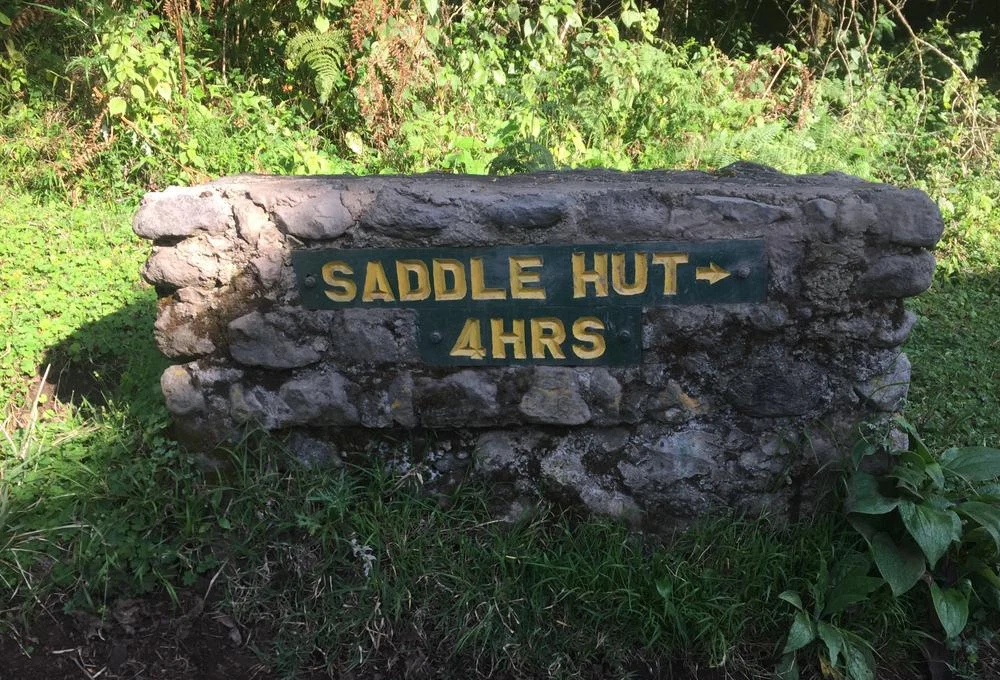
Mount Meru Saddle Hut direction sign on the guided climbing route
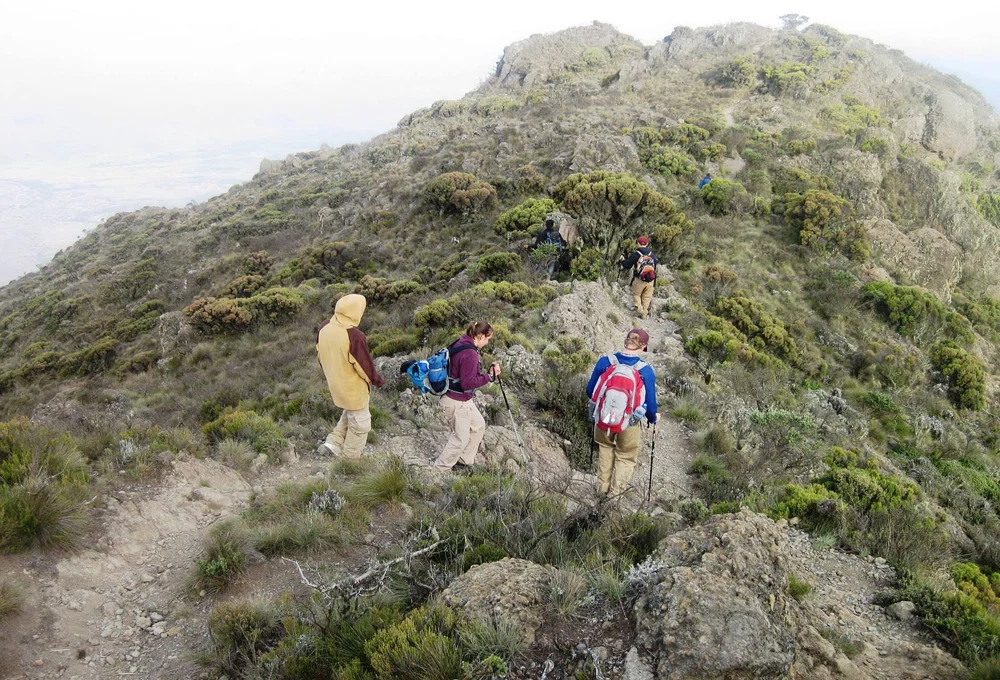
Mount Meru hikers crossing a rugged rocky ridge on the Momella Route
Underfoot

The Mountain Changes From Forest Paths to Volcanic Rock and Ridge Walking

The lower route is a hiking trail through national-park terrain. Higher up, the surface becomes rockier and more exposed. Loose material, steps, roots, wet ground and uneven volcanic surfaces can all appear during the same climb.

  • Train on uneven trails, not only flat roads or treadmills.
  • Use footwear with dependable tread and enough toe room for descent.
  • Trekking poles can help with balance and reduce strain on long descents.
  • Wet-season mud increases the importance of traction and controlled foot placement.
Upper Mountain

The Crater Rim Demands More Concentration Than the Lower Trail

Around Rhino Point and the summit ridge, the route becomes narrow, rocky and visually exposed in places. In normal conditions it is approached as a guided trek, but it should not be treated casually. Wind, darkness, fatigue and poor visibility can raise the difficulty quickly.

  • Keep both hands available when terrain requires balance.
  • Follow the lead guide’s spacing and pace on exposed sections.
  • Use a headlamp that you have already tested before travel.
  • If weather makes the ridge unsafe, turning around is a successful safety decision.
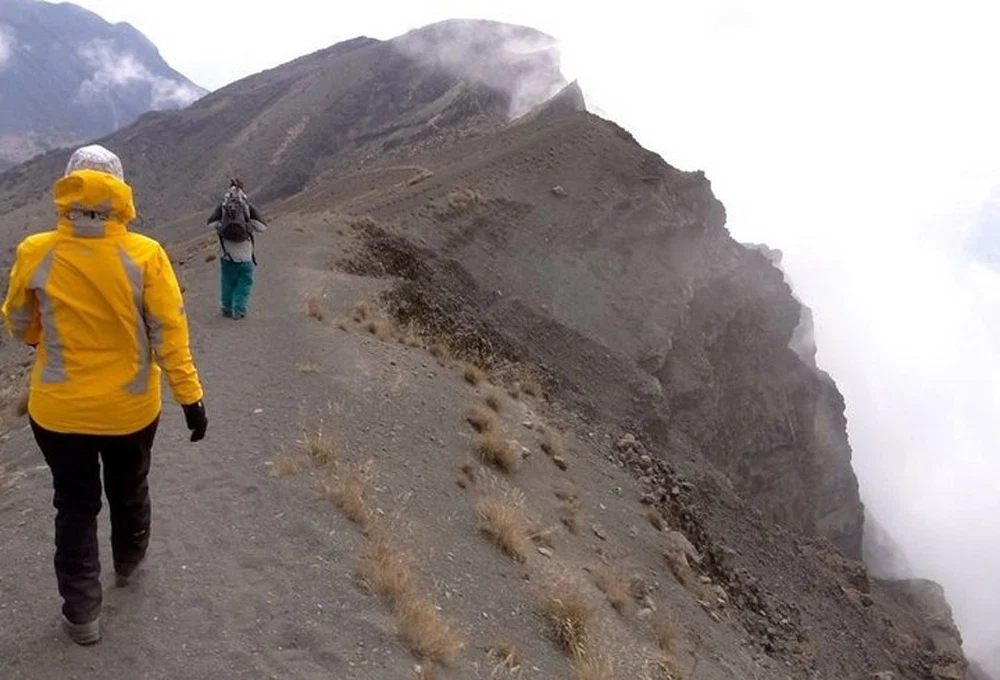
Mount Meru climber walking the rugged crater ridge above clouds
Pace Matters

The Same Mountain Feels Different When the Schedule Is More Compressed

A three-day climb reaches the same high terrain on a tighter schedule. A four-day climb gives more time around the huts and can include a more useful acclimatisation rhythm before summit night. Neither format removes the need for fitness or careful pacing.

Factor3-day summit climb4-day summit climb
Overall rhythmMore compressedMore gradual
Time for acclimatisationLessMore
Summit objectiveSocialist PeakSocialist Peak
Best considered byFit trekkers with limited time and appropriate experienceTravellers who want more acclimatisation margin
Weather flexibilityLimited by shorter scheduleStill limited, but more mountain time overall
Physical Readiness

Train for Repeated Uphill Hours, Not a Single Fast Workout

The most useful preparation is consistent hiking or brisk walking over several weeks, ideally with hills, stairs or elevation. Add basic leg and core strength, then practise with the daypack and footwear you will use on the mountain.

Endurance

Build the ability to stay on your feet for several hours at a comfortable pace.

Hills & Stairs

Prepare calves, quads and lungs for continuous uphill movement.

Strength

Use simple squats, lunges, step-ups and core work with sensible progression.

Recovery

Train consistently enough to improve without arriving in Tanzania exhausted or injured.

Experience Level

You Do Not Need to Be a Mountaineer, but You Do Need Mountain Respect

Many first-time high-altitude trekkers climb Mount Meru successfully with preparation and a sensible itinerary. Previous multi-day hiking experience is useful because it teaches pacing, layering, foot care and how your body responds after several hours on trail.

  • Comfortable walking on uneven ground is more relevant than running speed.
  • People who dislike heights should understand that the upper ridge can feel exposed.
  • A four-day itinerary can be a better fit when high-altitude experience is limited.
  • Discuss medical conditions or prescription medication with your clinician before high-altitude travel.
Skills

Mount Meru Is Primarily a Trek—but “Non-Technical” Does Not Mean Easy

The normal Momella Route does not require visitors to arrive with specialist rock-climbing skills in ordinary conditions. The difficulty comes from altitude, steep hiking, darkness, fatigue and exposed volcanic terrain. Park or guide procedures can change if conditions demand extra caution.

No Race to Summit

A slow, controlled pace is more useful than speed.

Guide-Led Ridge

Stay with the route and follow instructions on the upper mountain.

Weather Changes Difficulty

Wet rock, wind and poor visibility can materially change the day.

Descent Counts

Tired legs and loose surfaces make the long descent part of the challenge too.

Before You Book

Ask These Questions About Yourself and the Itinerary

Difficulty is personal. Use the mountain facts to make a realistic plan rather than relying on a single easy/hard label.

  • Can I comfortably hike for 5–7 hours on consecutive days?
  • Have I trained on hills or stairs rather than only flat ground?
  • Am I comfortable with a very early summit departure?
  • Do I have proper waterproof and cold-weather gear?
  • Would the additional acclimatisation time of four days suit me better?
  • Am I willing to turn around if the guide says continuing is unsafe?
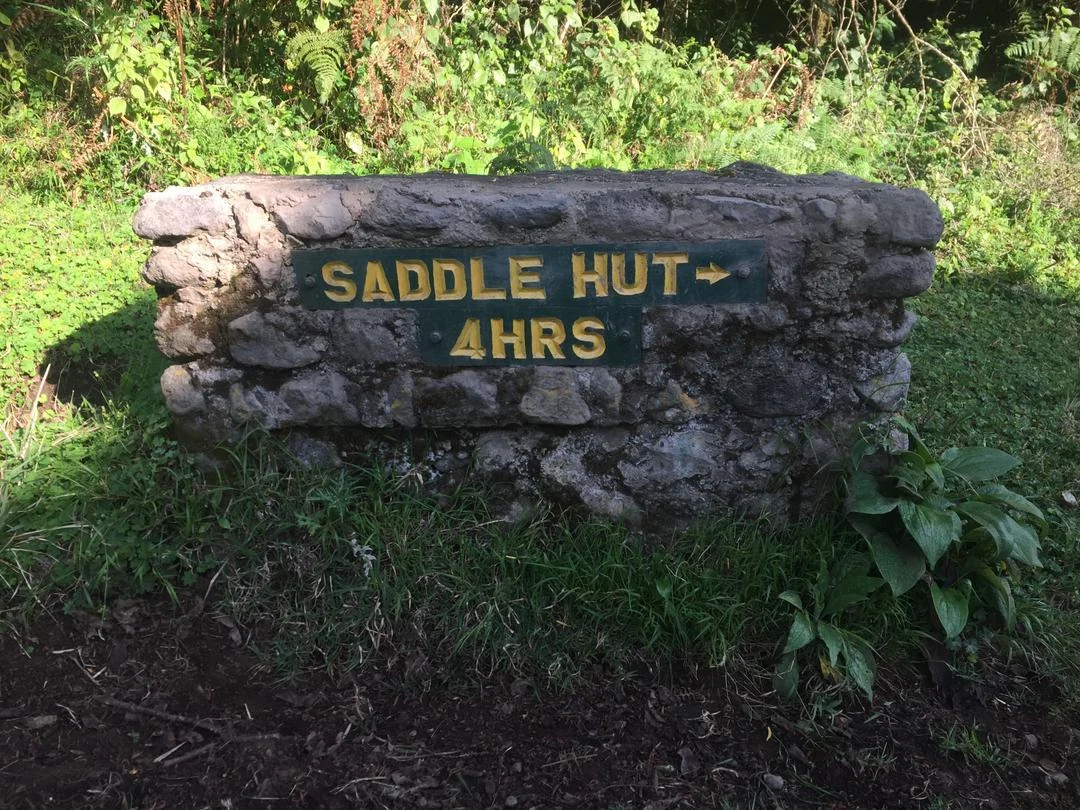
Mount Meru Saddle Hut route sign on a guided climbing trek
Planning Questions

Mount Meru Difficulty FAQs

Answers about fitness, altitude, the summit ridge and whether a three- or four-day itinerary changes the challenge.

01How difficult is Mount Meru?+
It is a demanding high-altitude trek. Most of the route is hiking, but the summit push combines altitude, darkness, fatigue and a rugged exposed ridge, which makes it substantially harder than an ordinary day hike.
02Is Mount Meru technically difficult?+
The standard Momella Route is generally trekked without specialist rock-climbing technique in normal conditions. However, steep and exposed sections require confident movement, good balance and close attention to the guide.
03Is Mount Meru easier than Kilimanjaro?+
Meru is lower and usually shorter, but “easier” depends on the person. Its summit ridge can feel more exposed, while Kilimanjaro involves greater altitude and typically more days. Compare the specific challenges rather than relying on one label.
04Can a beginner climb Mount Meru?+
A well-prepared beginner can consider it, especially with a four-day itinerary, but should train for long uphill days, understand altitude risk and be comfortable following guide decisions.
05How fit should I be?+
Aim to comfortably complete several hours of hilly walking on consecutive days. You do not need elite athletic fitness, but durable leg strength, aerobic endurance and recovery capacity help significantly.
06Is the summit ridge scary?+
Some people find the exposed volcanic ridge intimidating, especially in darkness or wind. If you have a strong fear of heights, discuss the terrain with the operator before booking.
07Does four days make Meru easier?+
Four days do not change the terrain, but they allow a more gradual itinerary and more acclimatisation time than a compressed three-day schedule.
08What is the hardest part of the climb?+
For many trekkers it is the summit sequence: waking at night, climbing at altitude and staying focused on the rocky ridge before descending on tired legs.
09Can weather increase the difficulty?+
Yes. Rain can make lower trails slippery, while wind, cold and poor visibility can make the upper ridge more demanding. Safety decisions should respond to the actual conditions.
10What happens if I cannot continue?+
Tell the guide early. The team will assess the situation and may slow the pace, stop the ascent or arrange descent. Reaching the summit is never more important than a safe outcome.

Keep Planning

Explore More Mount Meru Planning Topics

Move between timing, difficulty, packing, preparation, route options and Tanzania extensions without losing the context of your climb.

Everyday Safaris is a Tanzania-based ground team supporting private travellers, groups, clubs and international travel partners with Mount Meru, Kilimanjaro and safari planning.