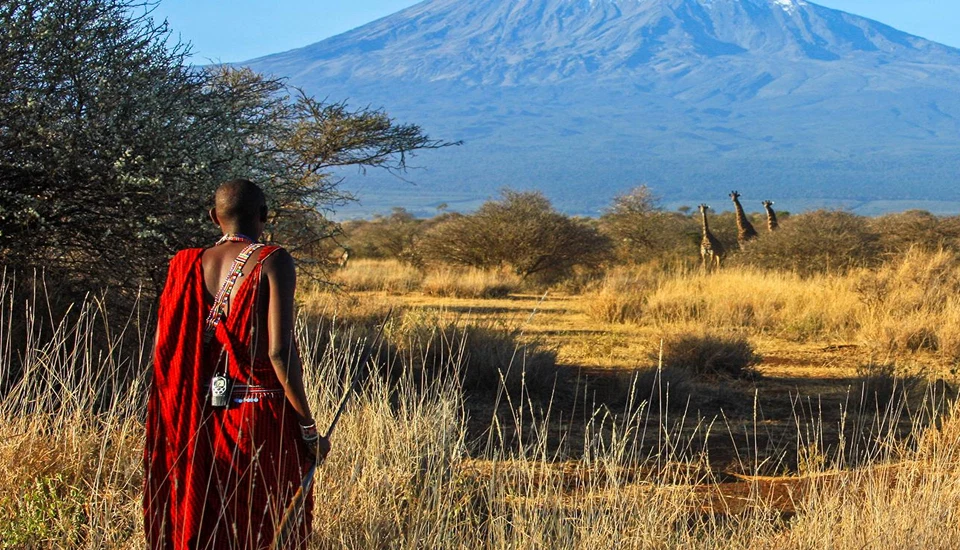
Host-led conversation
Local hosts decide what they are comfortable explaining or demonstrating.


A respectful visit shaped by the host community, focused on conversation, pastoral life and what people choose to share.
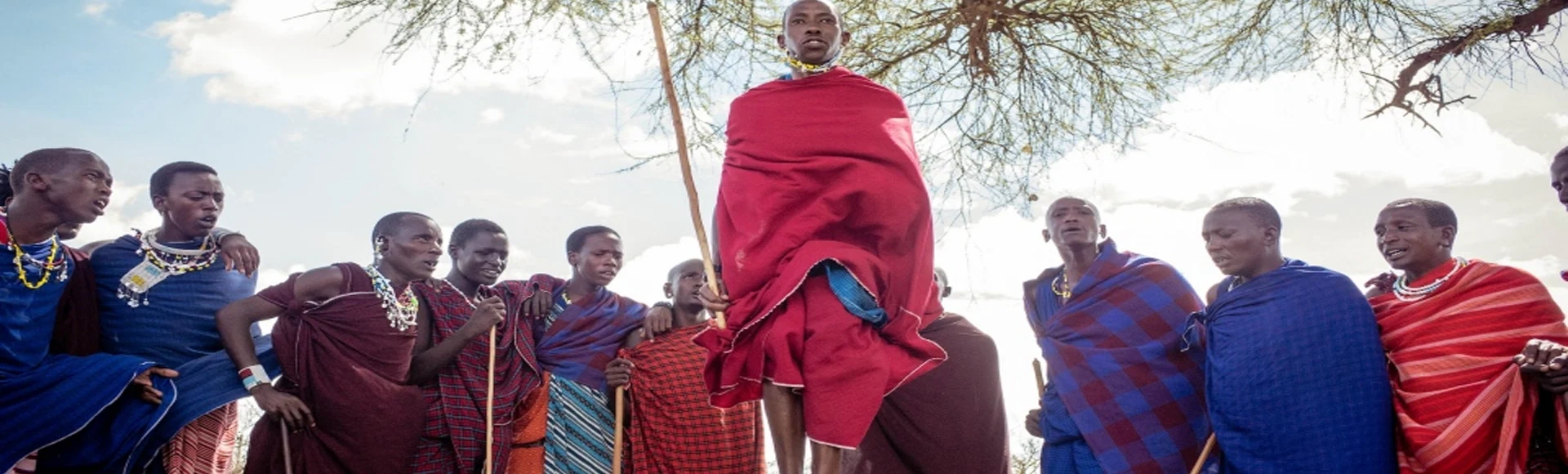
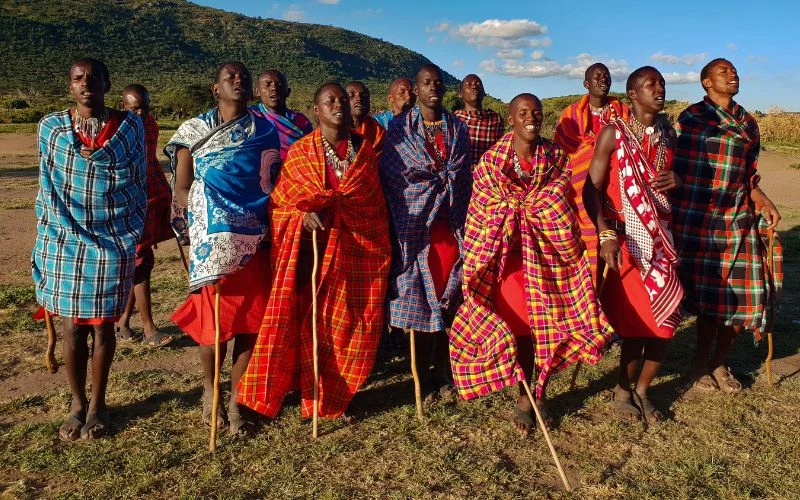
A Maasai cultural experience should begin with a simple principle: the community is hosting the visit, not performing an identity on demand. The strongest days create space for conversation about livestock, family life, local knowledge, housing, clothing, food or other traditions that hosts are comfortable discussing. What is shared can change from one community and date to another.
That is why the itinerary should not promise a fixed sequence of dances, ceremonies or photographs. Some activities may be offered; others may not. The role of Everyday Safaris and the local host is to set expectations, explain context and make sure community fees or contributions follow the confirmed arrangement. The traveller’s role is to listen, ask respectfully and accept boundaries.

These are logical next places when you want the itinerary to change character rather than simply add more hours.

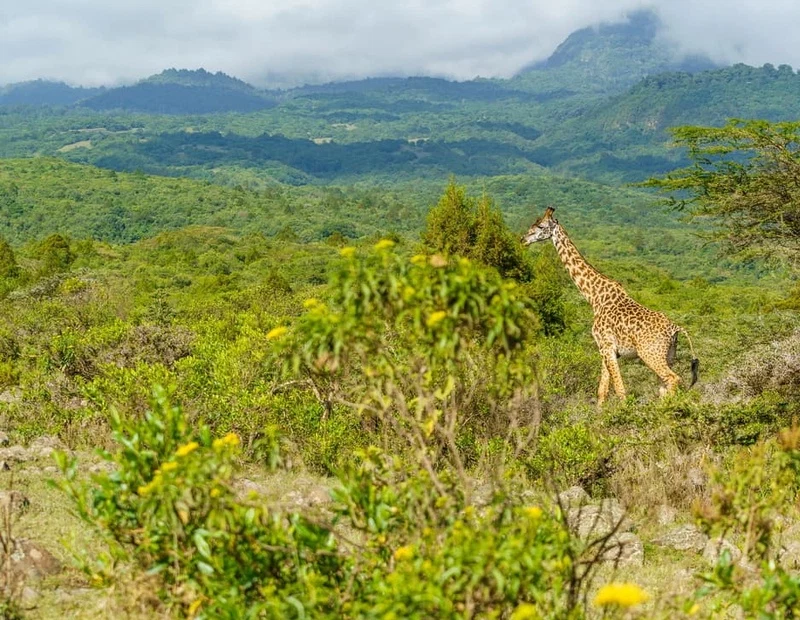
Place the visit within a wider northern Tanzania journey.
Explore destination →
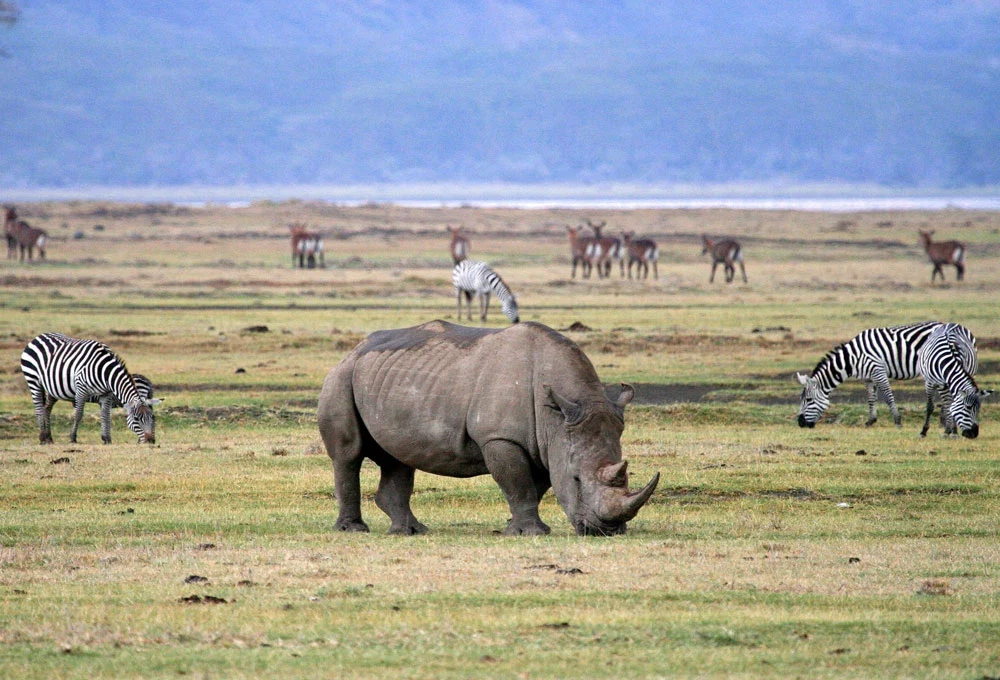
Pair cultural learning with a classic wildlife landscape.
Explore destination →
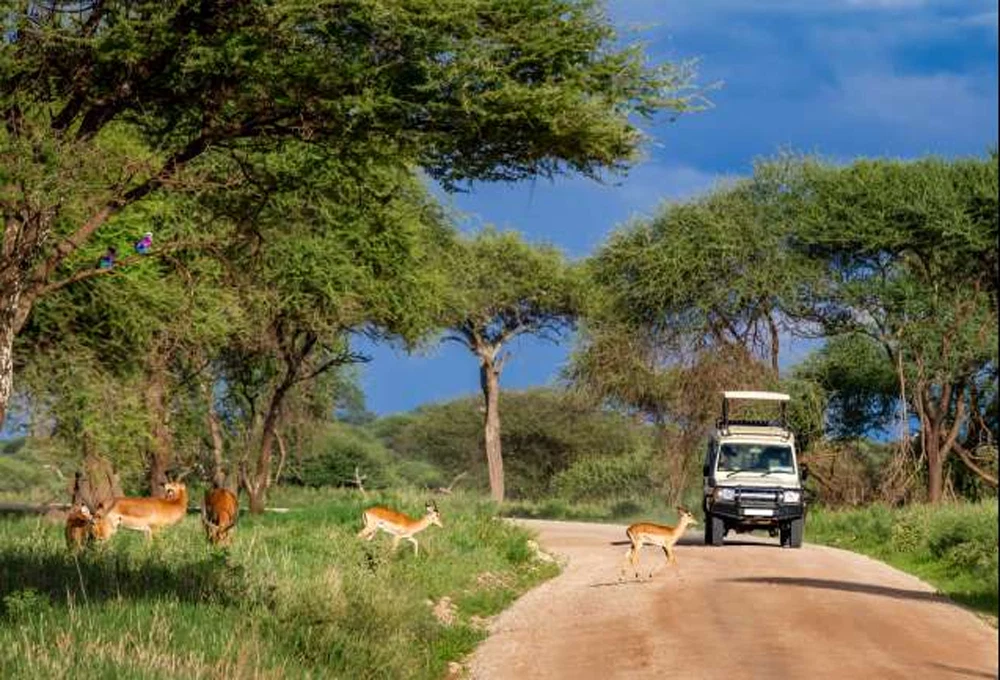
A close-to-Arusha safari option that keeps transfers manageable.
Explore destination →These are the details that should influence whether this is the right day for your itinerary.
Local hosts decide what they are comfortable explaining or demonstrating.
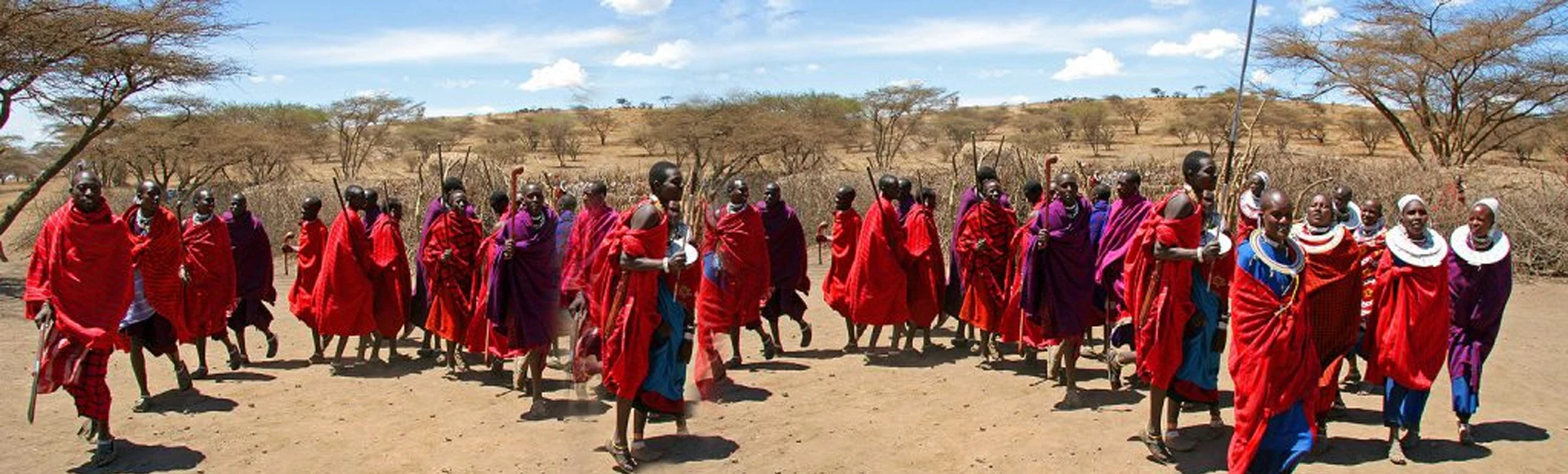
Livestock and land can be central to understanding daily life and decision-making.
Permission comes before the portrait, not after it.
The experience changes with community, season and host availability rather than following a theatre script.

For pastoral communities, cattle and other livestock can carry practical, social and economic meaning. A thoughtful visit uses that context to understand how mobility, land, family responsibilities and changing conditions affect everyday life. The guide should help avoid reducing this complexity to decorative imagery.
Pastoral life deserves context. Cattle and other livestock are not simply visual props; they connect to work, economy, mobility and social responsibilities. Photography also needs boundaries, especially around children, homes and private spaces. A good guide helps visitors ask permission, understand what is appropriate and avoid pressuring hosts to repeat an action. The aim is an exchange that remains dignified after the camera is put away.
These Everyday Safaris itineraries connect naturally with this experience. Compare route and duration, then ask us to tailor the combination around your dates and travel style.
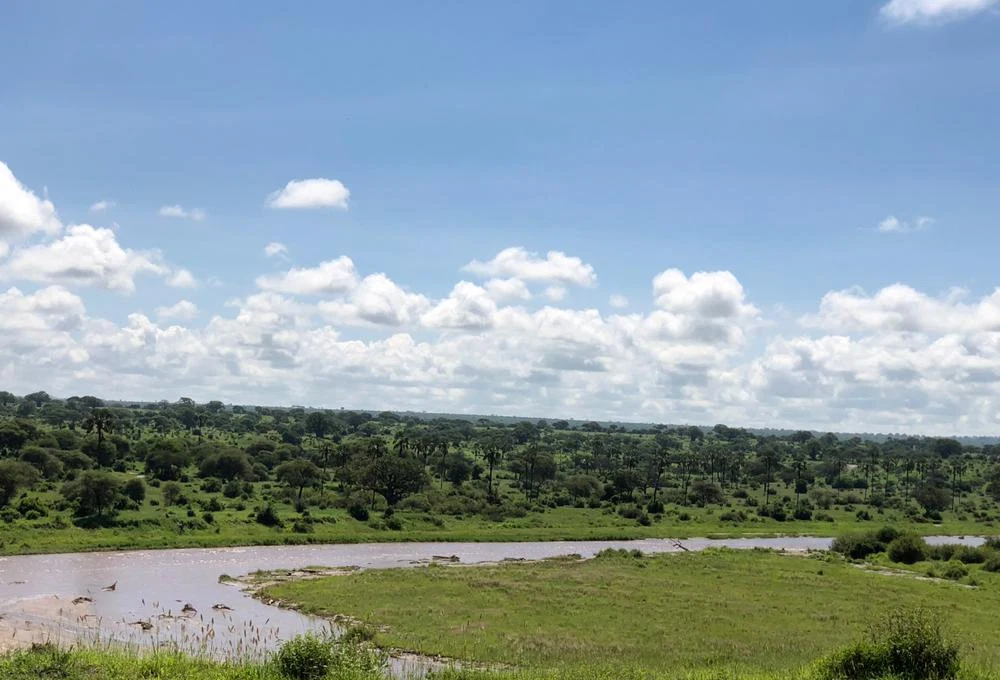
12 Days12-day grand tanzania wildlife and cultural safari with Everyday Safaris, private 4x4 game drives, expert local guiding and a tailored Tanzania saf…
View Trip Package →
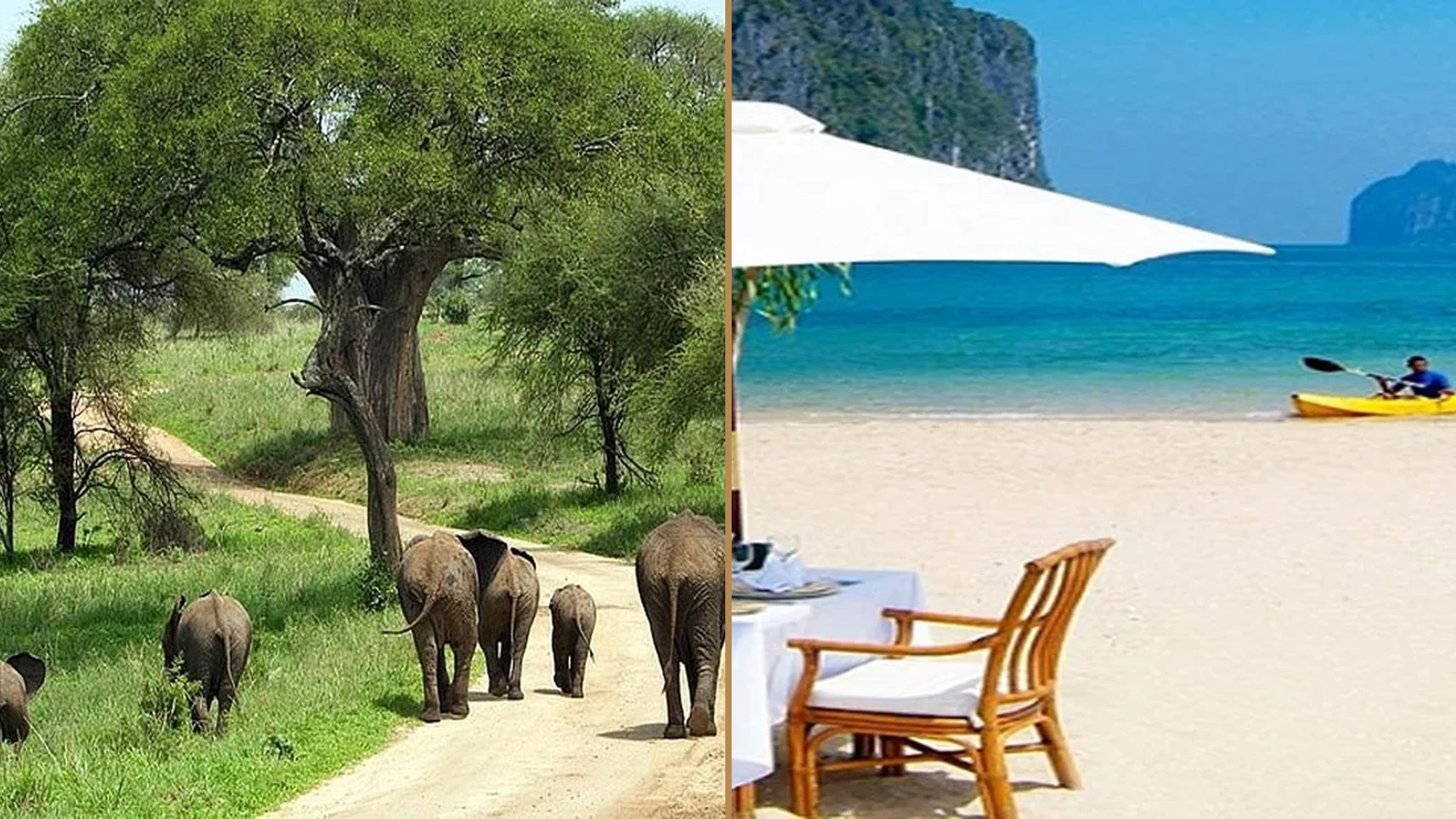
7 DaysCombine a Tanzania safari with Zanzibar on this 7-day journey featuring family-friendly Tarangire and Ngorongoro wildlife followed by a Zanzibar beach stay…
View Trip Package →
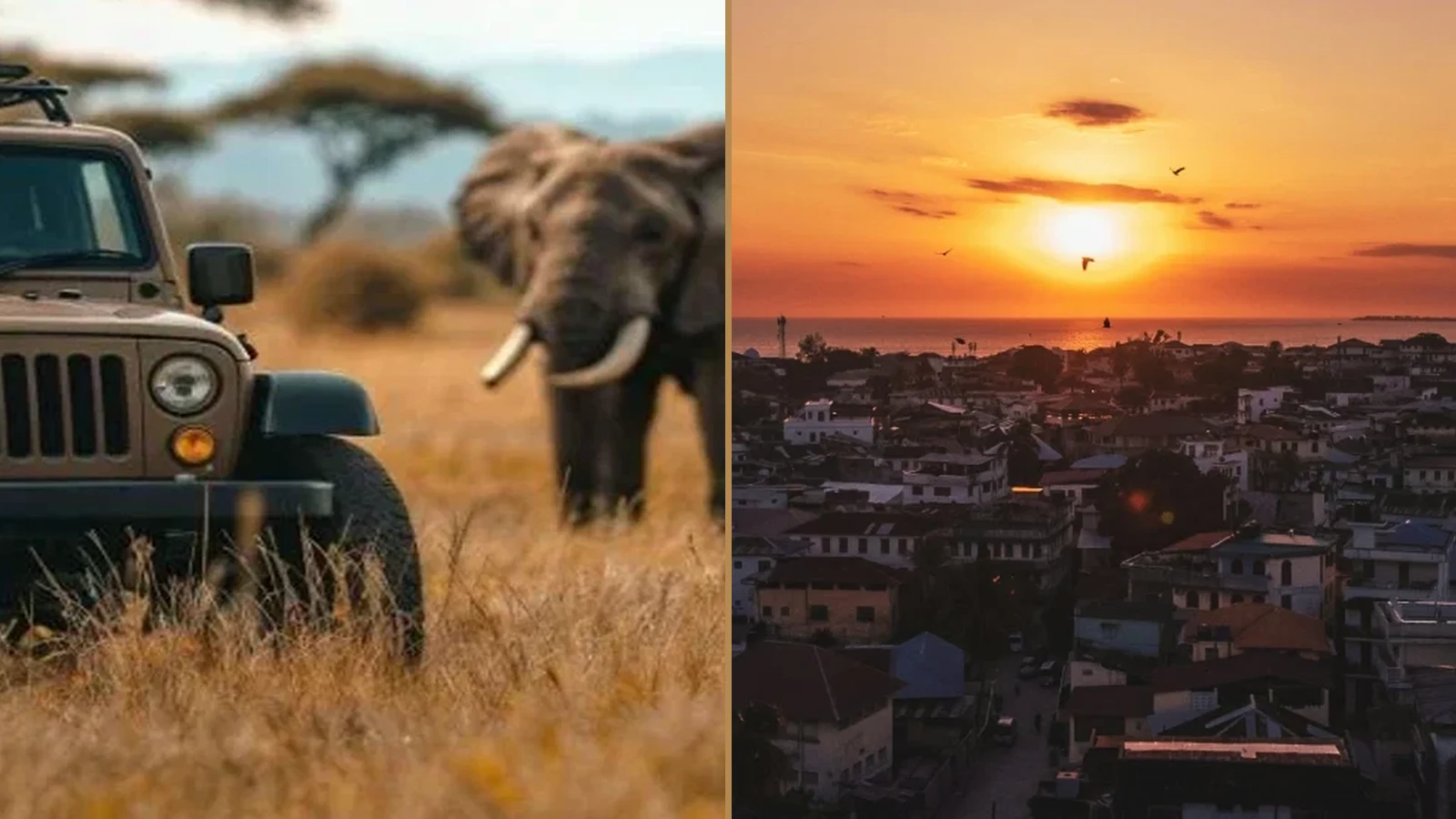
14 DaysCombine a Tanzania safari with Zanzibar on this 14-day journey featuring a private Tanzania wildlife safari followed by Stone Town and an East Coast Zanzib…
View Trip Package →The useful facts here are about how this particular experience behaves on the ground, not a generic day-trip template.
Ask permission before photographing people, children, homes or livestock at close range. Follow the local host’s guidance about where to walk and what can be discussed. Community fees and contributions should follow the confirmed arrangement rather than being improvised under pressure.
Dress for walking and respectful participation. Keep camera use, purchases and personal gear unobtrusive so the day remains centred on people and place.
Choose practical clothing suitable for a hosted community visit.
Ask rather than treating generalisations as facts.
Not every moment needs to become an image.
Carry what is specified for the travel day.
Buying crafts can support makers, but it should never feel compulsory.
The host community may change or shorten activities for valid local reasons.
Your final written quotation confirms the exact cost and what applies to your date. The lists below explain the normal structure of this particular day without inventing a public price.
A tightly scheduled stop can turn a community experience into a transaction. Where possible, the program should allow enough time to listen and ask questions without overstaying. Host availability and community routines determine what is appropriate on the day.
Community activities should work around real daily life.
A meaningful visit is better than too many shallow stops.
Human interaction needs more flexibility than a rigid tourist clock.
Respectful planning answers about hosts, photography, livestock, conversation and what makes a community visit meaningful beyond a quick performance.
No specific performance should be assumed unless it is part of the confirmed visit. A meaningful experience should not be judged only by whether a particular dance happens; conversation, livestock, family life and local context can be just as important.
No. Ask before photographing people, children, homes or private spaces. Your host or guide can explain when photographs are welcome and when respect means leaving the camera down.
The exact experience depends on the host community and arrangements for that day. Expect a guided introduction to aspects of pastoral life and community context rather than a fixed theatre-style script.
Cattle and other livestock connect to livelihood, identity, land use and family life in many Maasai communities. Understanding that context is more valuable than treating animals or clothing as decorative background.
Craft purchasing may be possible depending on the visit, but it should remain optional. Buy because you genuinely want the item, not because you feel pressured to prove appreciation.
Comfortable, modest clothing works well. You may be walking on dusty or uneven ground, so practical shoes are more useful than dressing for a staged photograph.
It can be very educational for families when children are prepared to listen, ask respectful questions and follow guidance around animals and homes. The pace should suit the family rather than force a long formal program.
There is no value in stretching the visit just to make it look longer. Enough time for introductions, conversation and the agreed activities is more important than a fixed duration.
Listen before assuming, ask before photographing, and let hosts explain their own lives. Avoid treating clothing, homes or ceremonies as props created only for visitors.
A community visit can sit naturally within a safari route when timing is sensible. The best combination is one that leaves enough time for both the cultural experience and the wildlife destination rather than rushing either.
Compare timing, experience details, practical logistics and natural ways to connect this day with a longer Tanzania itinerary.
Use this section to compare the practical choices that shape Maasai cultural experience Tanzania: where the day starts, how the route is paced and what should be confirmed before travel.
The day is defined by real places and activities rather than a generic checklist. These links help travellers explore the parts of the experience that matter most to them.
Conditions change from one date to another. Good planning means understanding season, weather, access and daily timing without turning any natural or community experience into a guarantee.
Transport, clothing, food, fees and physical effort can change how enjoyable the day feels. These planning routes help visitors arrive prepared.
A day trip can stand alone or become one part of a longer Tanzania journey. These combinations point toward real itineraries rather than invented packages.