Why are porters so important on Kilimanjaro?
A Kilimanjaro expedition depends on a full mountain team, not only the lead guide. Porters move shared tents, food, kitchen equipment and climber duffels, while cooks and assistant guides help keep the group functioning from one camp to the next. Their work allows climbers to focus on walking, acclimatisation and personal safety, which is why porter welfare has to be treated as an operating standard rather than an afterthought.
What load limit does Everyday Safaris publish for porters?
Everyday Safaris’ current guide-and-porter information states a maximum porter load of 20 kg. The practical reason this matters is that extra climber luggage does not disappear when the group reaches the trailhead; it affects how the expedition is staffed and how weight is distributed. Climbers should therefore respect the confirmed duffel allowance before the trek begins.
How does porter welfare relate to wages?
Welfare is not only about carrying weight. It also includes appropriate wages, timely payment and a clear separation between basic pay and guest tips. A porter should not have to depend on an unusually generous tip to compensate for poor base treatment. Transparent payment systems also reduce confusion for both crew and climbers at the end of the expedition.
What should mountain crew receive to eat?
Mountain work is physically demanding, so crew members need adequate meals throughout the climb rather than leftovers or irregular food. Meal planning should be part of the expedition budget from the beginning. Good welfare also means giving the team enough time to eat and recover while still carrying out camp duties, cooking and the logistics required for the next trekking day.
What sleeping conditions should porters have?
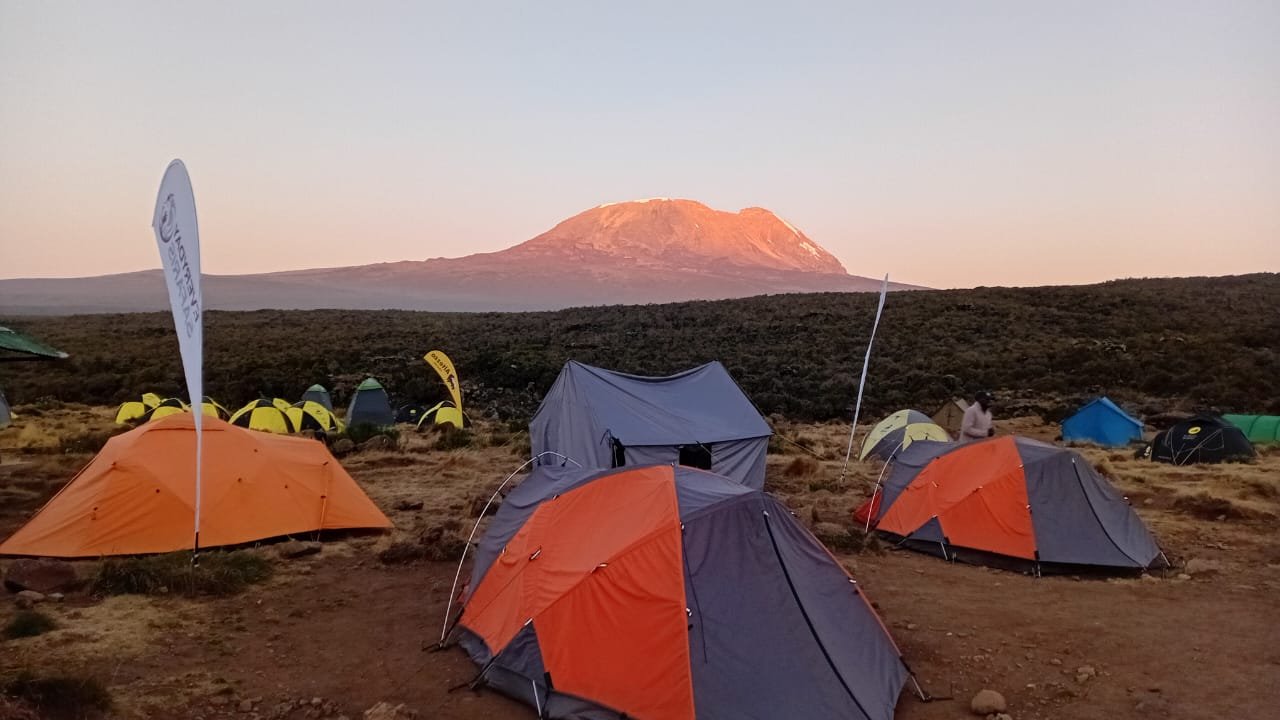
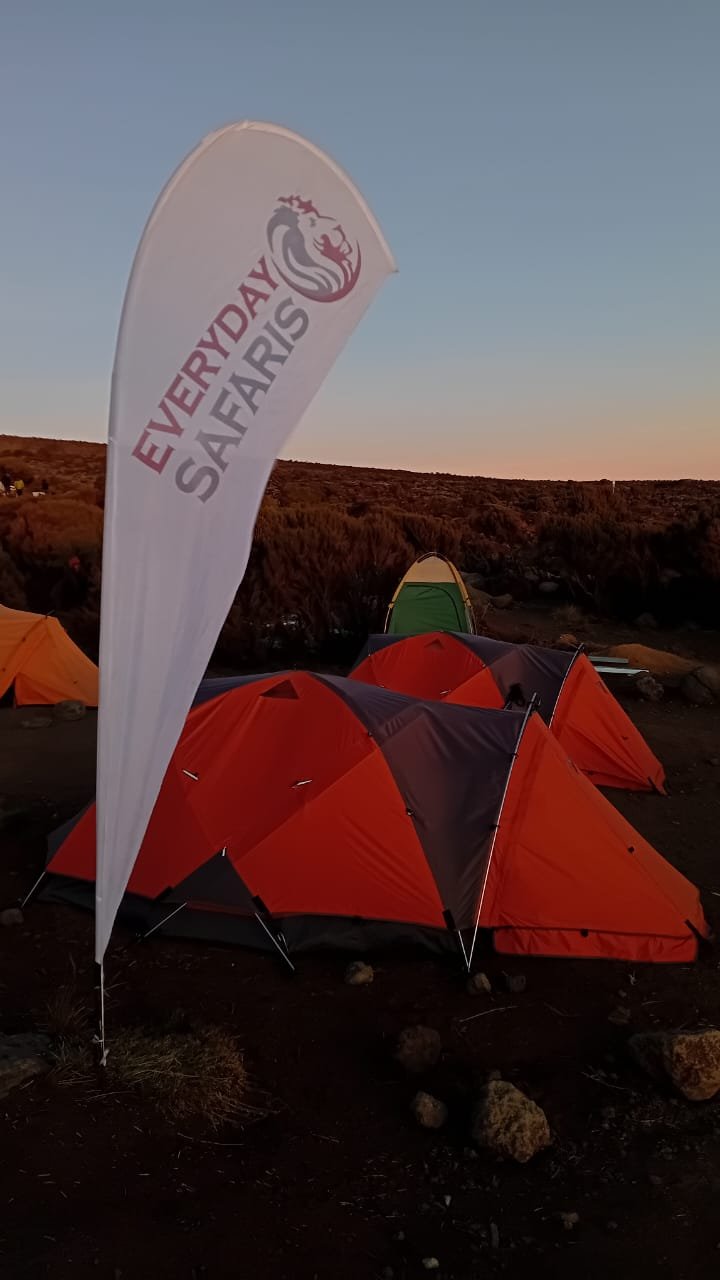
Porters and other crew need suitable tents or route accommodation, protection from wet ground and enough space to rest between demanding days. Mountain weather can be cold, windy and wet, so poor sleeping conditions quickly become a health and performance issue. Crew shelter should therefore be planned with the same seriousness as guest camp logistics.
How should tipping be handled?
The tipping procedure should be explained before the end of the climb so the group knows how recommendations are calculated and how the final amount will be distributed. The purpose is transparency, not pressure. Climbers should be able to understand who is in the crew, what the suggested process is and how to make sure money intended for guides, cooks and porters reaches them.
How does crew size affect porter welfare?
Crew numbers depend on route, group size, food, camping equipment and the amount of guest luggage that needs to move between camps. If staffing is reduced too aggressively, the hidden result can be excessive loads or crew members being asked to perform several demanding roles at once. A properly staffed expedition distributes the work more safely and fairly.
What happens if a porter becomes ill or injured?
Crew health should never become invisible simply because the expedition is focused on paying guests. If a porter becomes seriously unwell or injured, the operating team should assess the situation, organise descent when necessary and help the person access appropriate treatment. The same culture of early action that protects climbers should also recognise the health of the mountain crew.
How can climbers personally support porter welfare?
Keep your duffel within the agreed weight, follow the published tipping procedure and treat guides, cooks and porters as professional colleagues in the expedition rather than background labour. Ask welfare questions before booking instead of only at the mountain gate. Small client decisions—especially baggage weight, respectful behaviour and transparent tipping—can support better working conditions.
Where can I learn more before choosing a Kilimanjaro climb?
Read the Everyday Safaris Kilimanjaro route pages together with the Guides & Porters, Kilimanjaro Preparation and Safety information. Those pages explain route length, acclimatisation, equipment, crew structure and the wider operating context. If anything about loads, tipping or crew support is unclear, ask the team directly before confirming the climb.