How does Everyday Safaris approach Kilimanjaro safety?
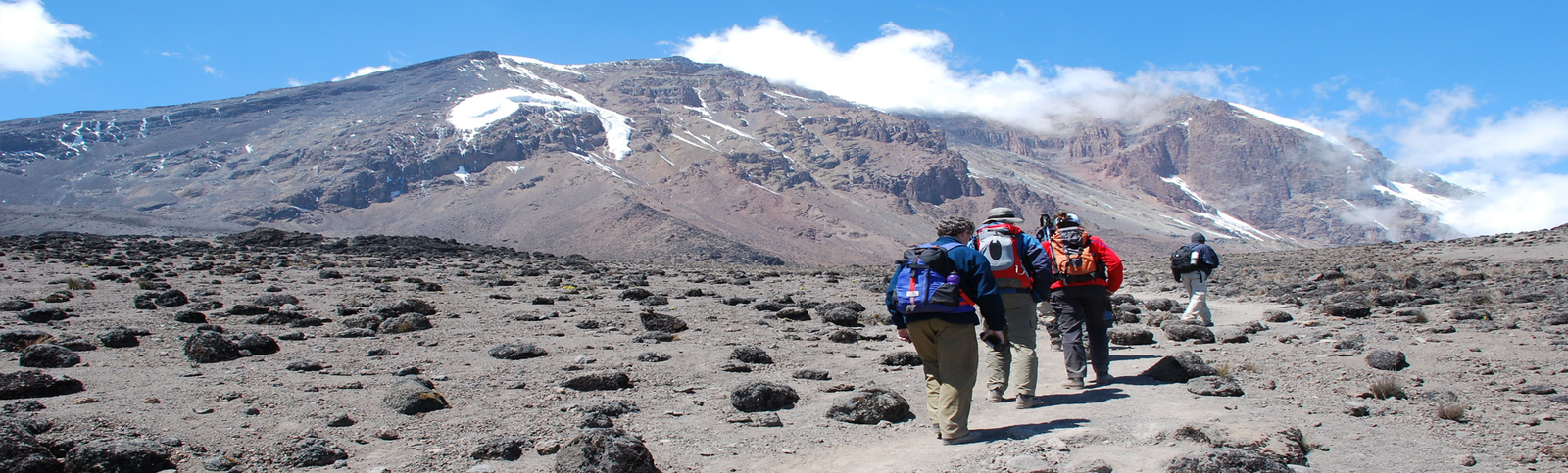
Kilimanjaro safety is treated as a system rather than one piece of equipment. It begins with a realistic route, suitable preparation and a conservative walking pace, then continues with guide observation, health monitoring and the authority to slow down or change the plan. First-aid equipment and emergency support help with response, but they do not replace acclimatisation or good guide judgement.
Can a guide stop or change a summit attempt?
Yes. The summit is an objective, not something the team should pursue regardless of a climber’s condition. A lead guide may slow the pace, increase rest, change timing or stop the ascent if altitude symptoms, weather, exhaustion or another safety issue makes continuing inappropriate. Travellers should understand before booking that the guide’s safety decision can take priority over the original itinerary.
Is reaching Uhuru Peak guaranteed?
No. Fitness, acclimatisation, weather and individual response to altitude all affect the outcome. A strong itinerary can improve the conditions for a safe attempt, but no responsible operator can promise that every climber will reach 5,895 metres. Turning around when necessary is not a failed safety system; it is often evidence that the system is working.
What preparation should climbers complete before travelling?
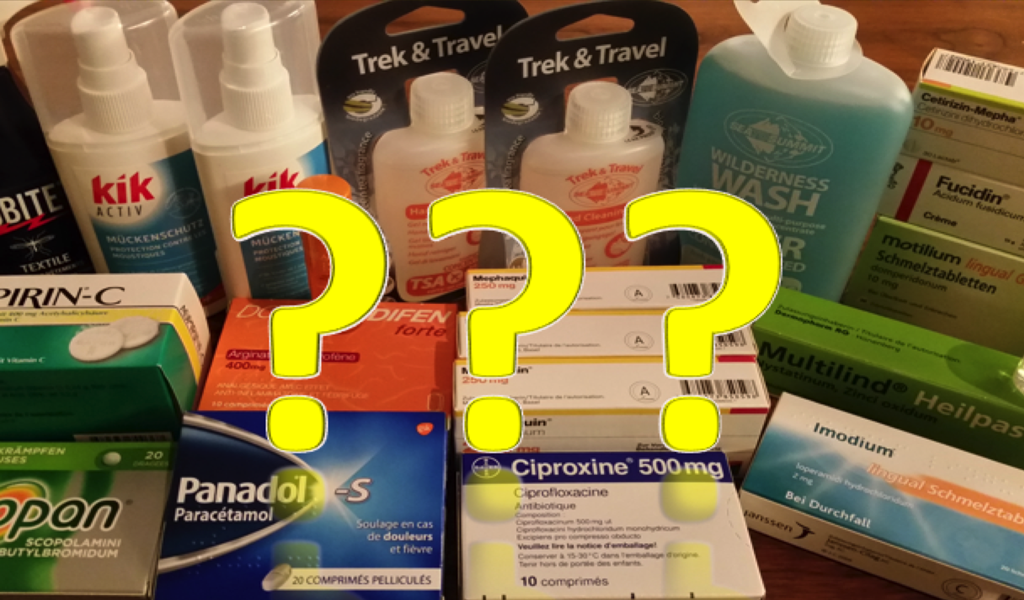
Build suitable hiking fitness, break in trekking boots, understand the clothing and layering system, bring required personal medication and review the packing list carefully. Travellers with significant medical conditions, recent injuries or a previous history of altitude problems should seek appropriate medical advice before committing to the climb. Suitable high-altitude trekking insurance is also important.
Is emergency oxygen carried on Kilimanjaro?
Everyday Safaris’ current summit-trip material states that emergency oxygen and first-aid equipment form part of the mountain safety setup. Oxygen is emergency support, not a method for pushing a climber higher when descent is the safer option. The guide still needs to assess symptoms and decide whether rest, treatment or descent is appropriate.
How is safari vehicle safety handled?
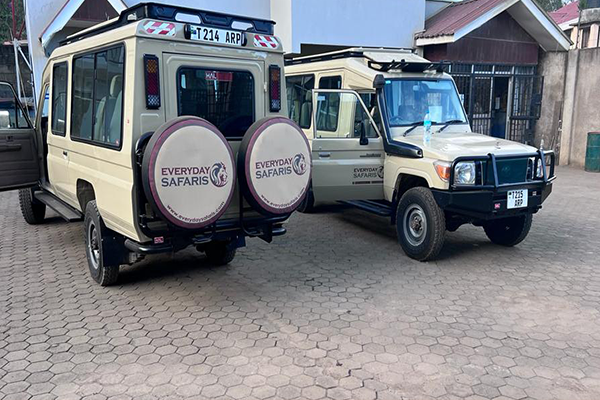
Safari safety combines a suitable 4×4 vehicle, maintenance, recovery readiness, communication and an experienced driver-guide. The guide manages road conditions, park regulations, wildlife positioning and the pace of the day. Guests also have a role: follow the vehicle briefing, stay inside unless told otherwise and avoid sudden movement or behaviour that creates unnecessary risk near wildlife.
How close should safari vehicles get to wildlife?
The safest and most responsible position depends on the animal, terrain, park rules and what other vehicles are doing. Guides should avoid chasing, blocking or surrounding wildlife simply to create a photograph. A calm position that allows the animal to move naturally is preferable to forcing a closer encounter. Wildlife viewing is never worth compromising safety or animal welfare.
What happens if weather or sea conditions affect a Zanzibar activity?
Boat trips, snorkelling and other marine activities depend on wind, tides, sea state and local operator judgement. When conditions become unsuitable, the activity may need to move, change, be postponed or be cancelled. Travellers should treat that flexibility as a safety feature rather than a failure to deliver the itinerary exactly as written.
Why is travel insurance important?
A serious medical problem, unexpected descent, treatment or evacuation can become expensive very quickly. Kilimanjaro travellers should confirm that their insurance covers the planned trekking altitude and appropriate emergency assistance, while safari and Zanzibar travellers should also have cover suitable for their activities. Insurance terms vary, so travellers need to check the policy rather than assume every adventure activity is included.
Where can I find more trip-specific safety information?
Use the Kilimanjaro Safety and Kilimanjaro Preparation pages for altitude and mountain-specific guidance, and the Safari Safety & Responsible Travel page for vehicles, wildlife and guest behaviour. The relevant trip page should then be read alongside those guides because route length, activity type and local conditions affect the final safety plan.